
1. Signs of Maintenance
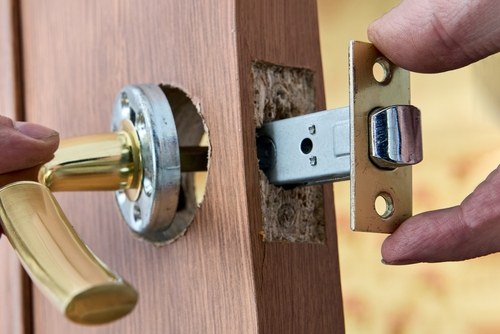
Small repairs speak loudly. Fixed handles and working lights show follow through. Lingering broken items suggest avoidance or overload. People notice these details subconsciously.
Maintenance is linked to trust. Functional spaces feel dependable. Guests infer how you handle responsibilities. That judgment forms quickly and quietly.
2. The Entryway

The entryway sets expectations because it is the first space people experience. A clear path, a place to put shoes, and decent lighting signal that you plan for arrivals. When coats are piled and keys are missing, guests assume life here runs a little rushed. That impression forms before anyone reaches the living room.
There is a reason designers focus on this zone. Psychologically, people use first cues to predict what comes next. An organized entryway suggests you value transitions and boundaries. It also tells visitors how welcome and relaxed they are allowed to be.
3. Books and Reading Material
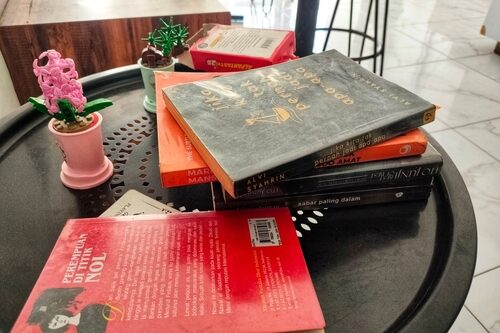
Books in a home act like a quiet introduction. They show interests, habits, and how you spend downtime. A few well used paperbacks say something different than untouched coffee table tomes. Even magazines or cookbooks send signals about curiosity.
The reason this works is simple pattern recognition. People associate visible reading material with learning and reflection. Worn spines suggest follow through rather than performance. Guests often assume you enjoy conversation if you keep ideas around.
4. Kitchen Countertops
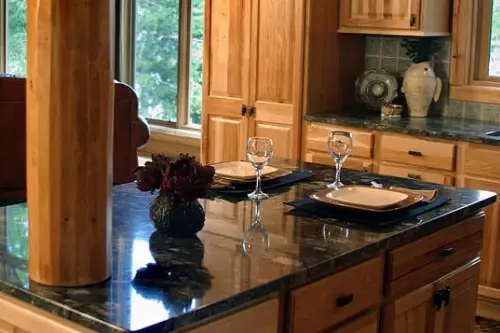
Counters reveal daily routines more honestly than staged rooms. A coffee maker, knife block, and fruit bowl show practical priorities. Constant clutter can hint at busy schedules or weak systems. Completely bare counters may feel controlled or impersonal.
Kitchens are interpreted as the heart of the home. Because food equals care, people read meaning into how this space is managed. Visible tools suggest regular use rather than occasional hosting. That implies you cook for yourself or others consistently.
5. Seating Arrangement
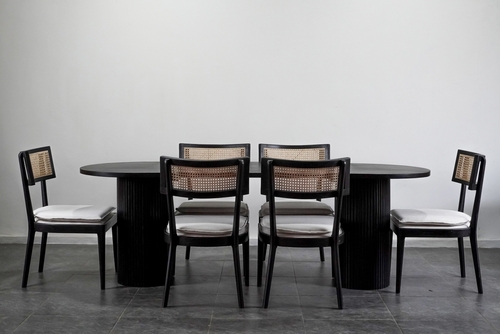
How seating is arranged tells people how to behave. Chairs facing each other invite conversation. Furniture aimed only at a screen suggests passive time together. Extra seating signals readiness for company.
This works because people look for social cues in physical space. Anthropologists note that layout affects interaction. When seats are accessible, guests feel permitted to stay. That communicates openness without a single word.
6. Art and Wall Decor
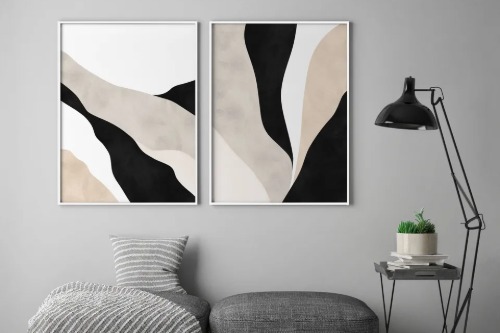
Art choices often feel personal even when they are simple. Original pieces, photos, or local prints show selection rather than default. Generic wall art can feel safe but distant. Empty walls may read as minimalist or temporary.
Walls matter because they occupy constant peripheral vision. People assume what you live with reflects what you tolerate. Intentional decor suggests decision making and taste. It also hints at how long you plan to stay.
7. Plants and Natural Elements
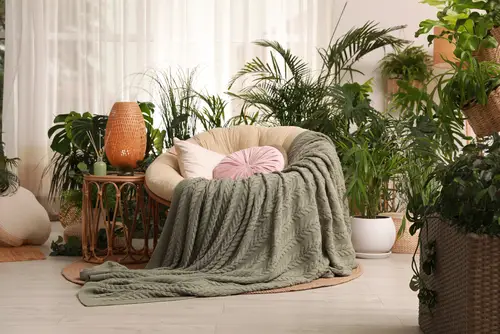
Plants communicate care through survival. Healthy greenery suggests routine and patience. Artificial plants signal a desire for the look without upkeep. No natural elements can make a space feel sealed off.
This perception is grounded in observable effort. Living plants require water, light, and attention. People equate that effort with responsibility. Even low maintenance plants still send that message.
8. Bathroom Cleanliness

Bathrooms are small but revealing. Clean sinks and fresh towels indicate respect for shared spaces. Overflowing trash or residue creates discomfort quickly. Guests often judge hygiene here first.
The reason is practical rather than emotional. Bathrooms involve vulnerability and trust. Order in this room signals reliability. It reassures visitors about the rest of the home.
9. Personal Photos and Mementos

Photos tell a story about values. Family, friends, and travel shots show connection. Too many images can feel overwhelming. None at all may feel guarded.
People use these cues to understand priorities. Displayed memories imply pride and attachment. They also offer easy conversation starters. That lowers social friction during visits.
10. Sound and Silence
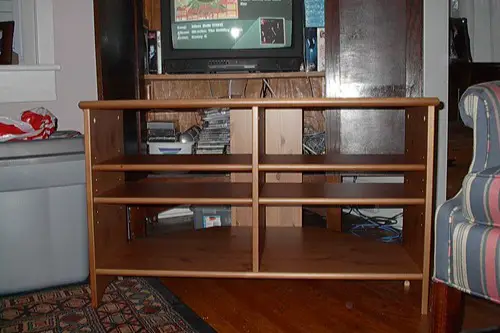
Background sound affects comfort more than people admit. Soft music or ambient noise feels intentional. Constant television noise can feel distracting. Total silence may feel calm or tense.
Humans evolved to monitor sound for safety. Controlled noise suggests awareness of atmosphere. It shows you consider how a space feels, not just looks. That sensitivity often reads as emotional intelligence.
11. Lighting Choices
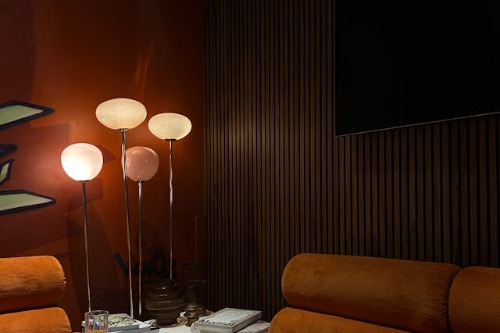
Lighting shapes mood faster than furniture. Warm lamps and layered light suggest comfort and intention. Harsh overhead bulbs can make a home feel temporary or unfinished. Dim corners may read as cozy or neglected depending on context.
This matters because humans rely on light to judge safety and warmth. Well lit spaces are associated with care and upkeep. Multiple light sources show you think about how rooms are used at different times. That signals awareness of others rather than just yourself.
This post What Your Home Says About You Before You Say A Word was first published on Greenhouse Black.
