
1. The state of your visible surfaces
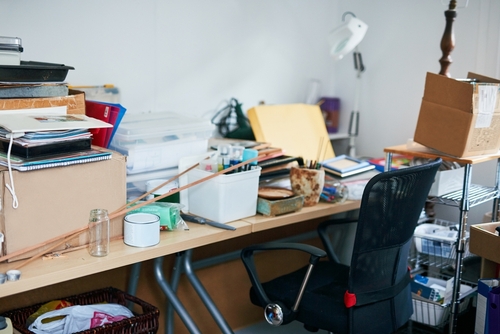
Countertops, coffee tables, and desks act like visual summaries of your daily habits. A few purposeful items read as active and lived-in, while piles of unrelated objects suggest overwhelm. This happens because people use surface clutter to infer time management and mental load. It’s not about perfection, but about whether items look paused or abandoned.
When surfaces are mostly clear, visitors often assume routines are predictable and systems exist. When every surface is full, it can signal that storage or boundaries are strained. That interpretation is common in environmental psychology and home organization research. Your space ends up telling a story about bandwidth before you ever speak.
2. Your lighting setup
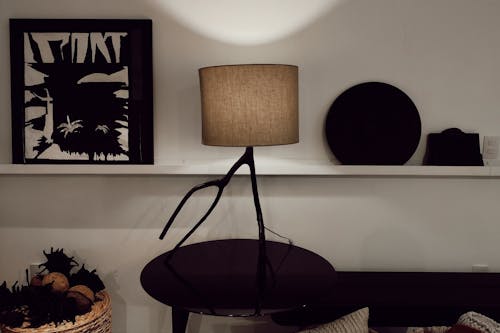
Lighting is one of the first things people register, even if they can’t name it. Warm, layered light from lamps tends to read as intentional and welcoming, while a single harsh overhead bulb feels purely functional. That’s because human eyes associate softer light with rest and social time, not task-only environments. When you choose varied light sources, it signals you care about comfort, not just visibility.
People often interpret lighting as a clue to how you want them to feel in your space. A dimmer or multiple lamps suggest you anticipate guests and adjust for mood. Bright, unfiltered lighting can signal efficiency or even transience, like the space is mainly for sleeping and leaving. None of this is judgment, but it does shape first impressions quickly.
3. How your seating is arranged
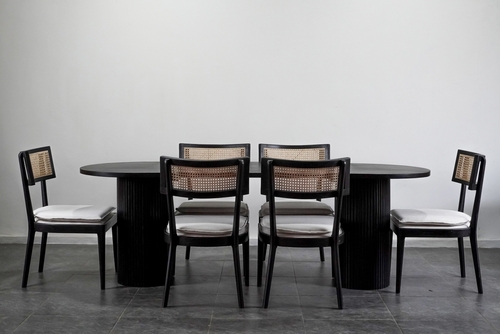
Seating layout quietly communicates how people are meant to interact in the room. Chairs facing each other encourage conversation, while all seating aimed at a screen centers attention elsewhere. People subconsciously read this as guidance on whether to talk, relax, or watch. Even small angles and distances affect how open a space feels.
A circle or semi-circle of seating signals inclusion and social ease. Sparse or rigid arrangements can suggest formality or limited use. These interpretations are rooted in well-documented social behavior patterns. Your layout answers the question, “What do we do here together?”
4. The books you keep in sight

Books on display function as both objects and signals. Genres, topics, and even wear patterns give clues about interests and habits. People tend to trust these cues because books are costly in time and attention. Seeing them suggests sustained curiosity rather than a passing phase.
A shelf of unread or purely decorative books can feel performative if it lacks signs of use. Dog-eared pages or mixed subjects read as more authentic. This isn’t about intelligence, but about what you choose to engage with long-term. Visitors often use books to find conversational entry points.
5. Whether you keep plants alive

Plants immediately communicate how you relate to maintenance and care. Living, healthy plants signal consistency and follow-through. Dead or neglected plants tend to stand out more than no plants at all. That’s because they show an intention that wasn’t sustained.
People often associate plants with calm and attentiveness. This link comes from research on biophilic design and stress reduction. Even low-maintenance plants still imply you planned for ongoing responsibility. Your greenery quietly suggests how you handle small, repeated commitments.
6. The art on your walls
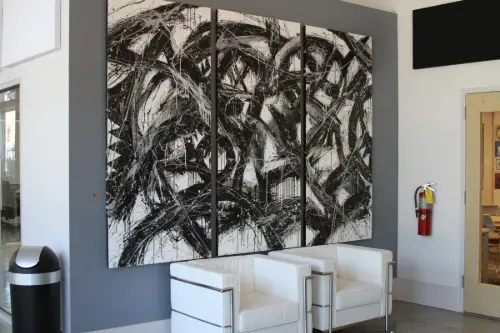
Wall art gives clues about taste, risk tolerance, and personal history. Original pieces or meaningful prints suggest intentional selection. Generic or mass-produced art can read as safe or transitional. People notice whether art feels chosen or just placed.
Art also signals how much personality you allow into shared spaces. Bold choices suggest comfort with self-expression. Minimal or neutral art can signal a desire to avoid friction or judgment. Neither is wrong, but both communicate values.
7. The condition of your kitchen and bathroom

These rooms are culturally tied to hygiene and care. People tend to judge them more quickly than other areas. A reasonably clean kitchen or bathroom signals respect for shared health standards. This reaction is rooted in basic social and evolutionary cues.
Minor messes are usually forgiven, but neglect stands out. Visitors often generalize from these spaces to the rest of the home. That’s because they expect extra effort where cleanliness matters most. Fair or not, these rooms heavily shape trust.
8. How your space smells
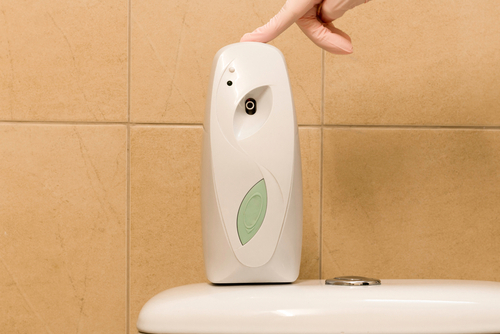
Scent is processed quickly and emotionally by the brain. Clean or neutral smells tend to fade into the background, which is usually a good thing. Strong artificial scents can signal an attempt to mask something. People often form impressions before they consciously notice the smell.
A lightly scented or fresh-smelling home suggests regular upkeep. This connection is supported by sensory psychology research. Overpowering fragrances can feel controlling or impersonal to some visitors. Smell sets the emotional tone faster than decor.
9. The personal photos you display
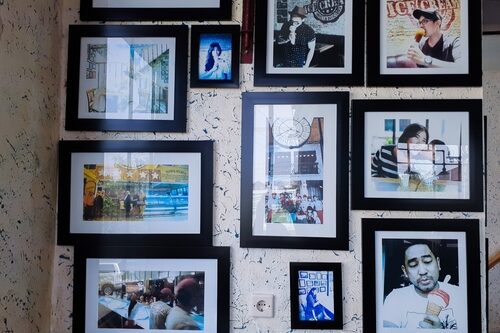
Photos signal who and what you prioritize. Family, friends, and moments imply emotional investment. Their placement also matters, not just their presence. Prominent displays suggest openness about personal relationships.
Sparse or hidden photos can signal privacy or boundary-setting. People often read this as intentional rather than cold. The assumption comes from common social norms around sharing. Your walls quietly explain how much of your life is public.
10. How much storage is visible
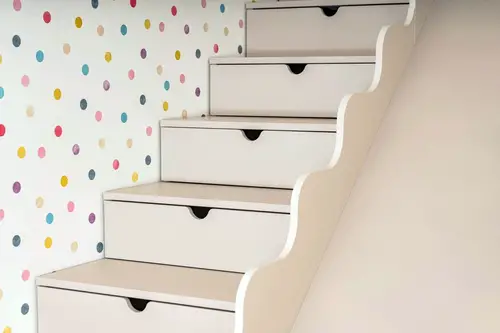
Open shelves and visible storage expose how you organize. They make systems, or the lack of them, easy to see. Closed storage hides mess but also hides process. People notice which choice you default to.
Visible organization suggests confidence in your routines. Hidden storage can signal a preference for visual calm. Neither is better, but both send signals about control. Your storage choices hint at how you manage complexity.
11. Your technology setup
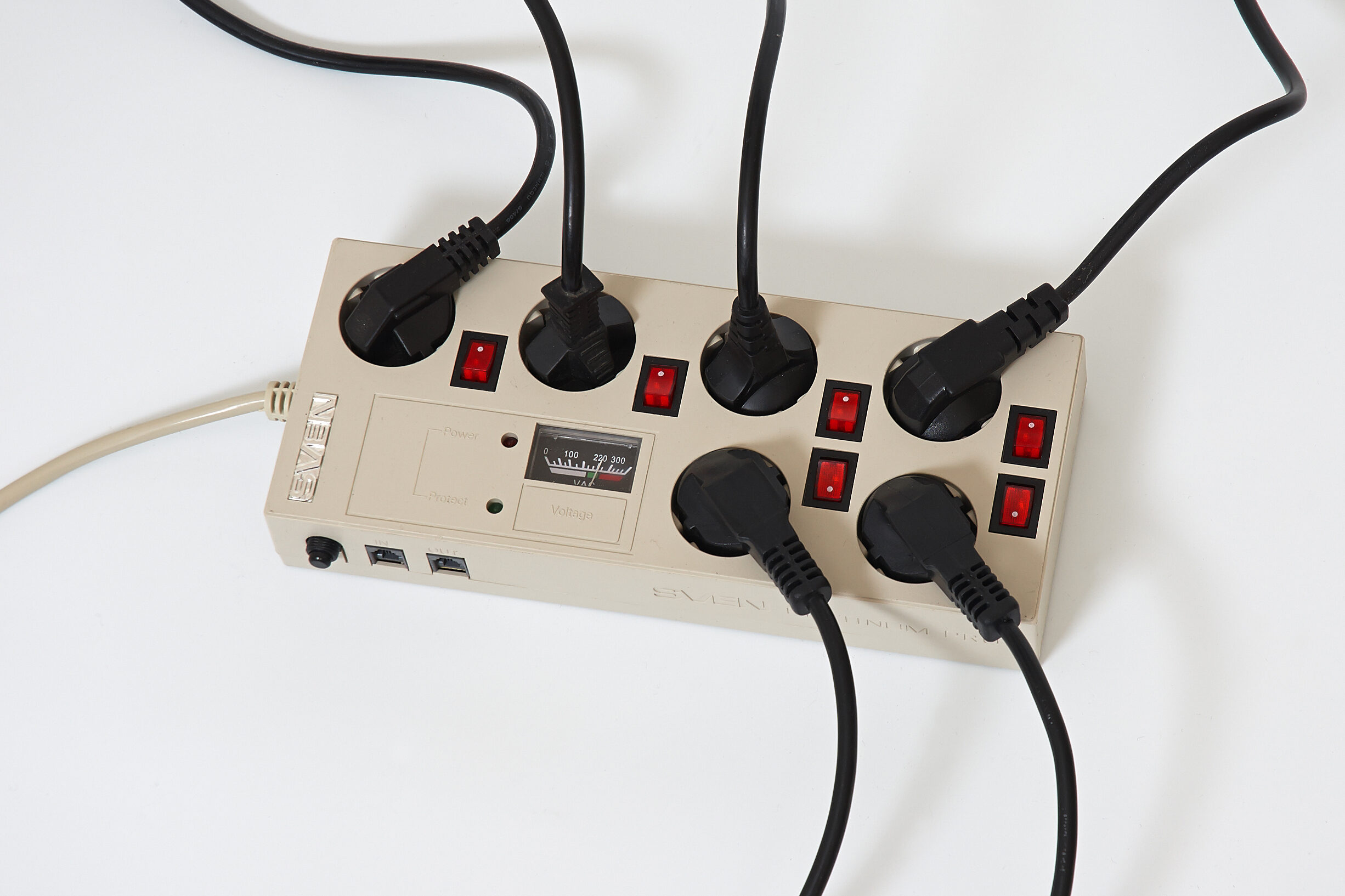
Cords, screens, and devices reveal how work and leisure blend in your life. Visible cable clutter often signals constant use or adaptation. Tidy setups suggest boundaries and planned workflows. People use these cues to infer daily rhythms.
A space dominated by screens can feel task-oriented. Balanced tech presence suggests intentional integration. These impressions align with studies on environment and focus. Your setup answers whether the space ever truly powers down.
This post What Your Living Space Signals Before You Say Anything was first published on Greenhouse Black.
