
1. The Lawn Isn’t So “Low Maintenance” After All
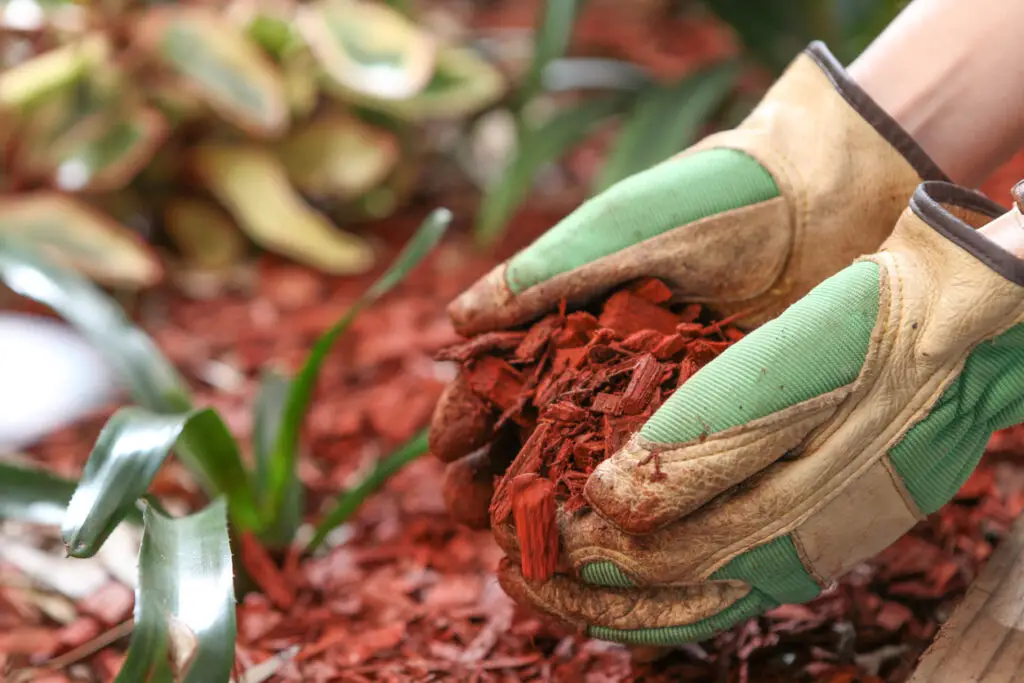
You bought the house thinking, “No grass, no problem.” But suddenly, the tiny patch of artificial turf needs occasional cleaning, and the few plants you left in pots are constantly thirsty. Even low-maintenance landscapes demand some attention, like trimming, fertilizing, or replacing plants. Before you know it, weekend mornings are filled with chores you didn’t anticipate.
That small garden bed might have seemed charming, but weeds still creep in, especially after rain. Mulch needs replenishing, soil can erode, and pots may crack in the sun. What started as a simple upkeep plan turns into a weekly check-in. It’s easy to underestimate these tiny annoyances until they pile up.
2. Plumbing Surprises That Can’t Be Ignored
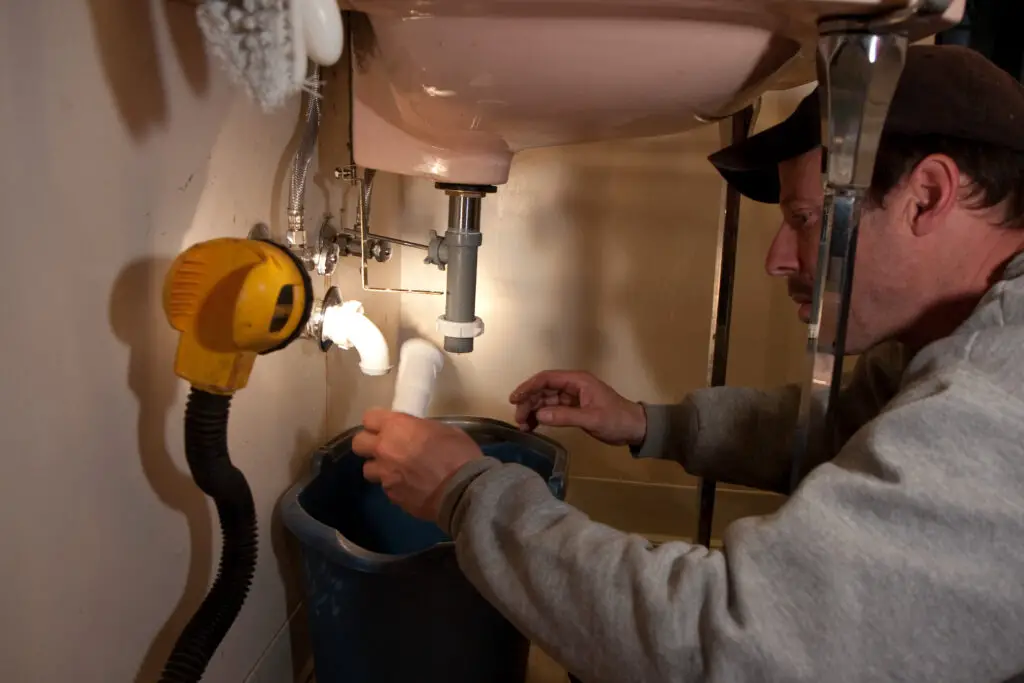
“Low maintenance” often doesn’t account for older plumbing or hidden leaks. Suddenly, a minor drip under the sink has turned into a water stain on the floor. Even modern faucets can fail unexpectedly, requiring repairs that feel anything but low-effort. These problems rarely happen on a convenient schedule, often arriving when you’re least prepared.
It’s easy to forget that pipes have lifespans and certain fixtures aren’t as “forever” as they seem. Water pressure issues, slow drains, or corroded connections appear gradually and can escalate fast. Each little issue adds stress because ignoring it only makes the repair more expensive. Low-maintenance homes can surprise you with maintenance bills that feel disproportionate.
3. Appliance Anxiety
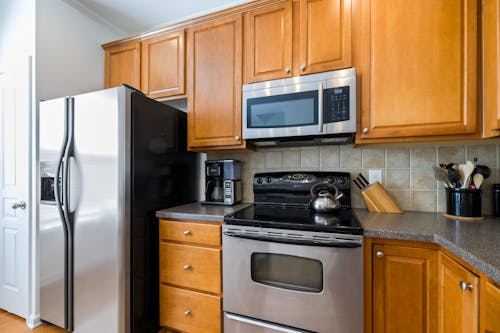
Stainless steel appliances looked amazing in the listing photos, but now fingerprints and smudges are everywhere. That “self-cleaning” oven isn’t exactly hands-off, and the dishwasher occasionally leaves dishes cloudy. Modern appliances simplify life, but they also demand a bit more awareness than you realized. One broken appliance can disrupt your daily routine and make home life feel chaotic.
Appliances also have quirks: some require specific detergents, some need frequent descaling, and others beep at odd hours. It’s not just the cost of replacement; it’s the mental load of remembering each one’s quirks. When every appliance seems to demand a mini instruction manual, “low maintenance” starts feeling like a myth.
4. Roof and Gutter Stress
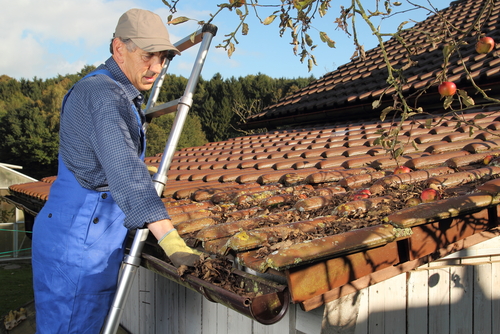
You rarely notice a roof until something goes wrong. Even a simple rainstorm can reveal blocked gutters or loose shingles that weren’t obvious during move-in. While roofs don’t need daily attention, ignoring them can create big headaches. Suddenly, that peaceful exterior requires ladder work and possibly expensive repairs.
Gutters accumulate leaves, twigs, and debris, especially if you have nearby trees. Standing water can rot fascia boards or create leaks, turning a small oversight into a major stressor. Cleaning gutters isn’t glamorous, but it’s necessary to prevent damage. The serenity of a low-maintenance home can evaporate when water damage sneaks up.
5. HVAC and Filter Fatigue
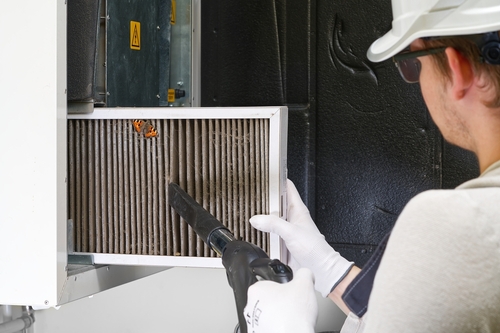
A new HVAC system might seem like a set-it-and-forget-it feature, but filters still need swapping regularly. Skipping a filter change can reduce efficiency and push repair costs upward. Duct cleaning and occasional servicing can also add unexpected chores. What sounded like a “hands-off” climate solution ends up demanding attention.
Your heating and cooling systems are quietly doing the heavy lifting for your comfort. When airflow drops or the system sputters, it can disrupt daily life instantly. Ignoring maintenance can turn minor problems into big ones. Even automated systems require occasional human oversight to keep stress low.
6. Pest Patrol

“Low maintenance” homes often advertise minimal yard work, but pests don’t read ads. Ants, spiders, or rodents can find their way inside, especially in humid or older structures. Preventative measures—traps, sealants, or professional inspections—become necessary. One day you notice a few ants; a week later, they’re marching across the kitchen counter.
Even homes with minimal landscaping can attract pests through vents, gutters, or tiny cracks. Regular checks for infestations are easy to overlook but crucial. Pest issues can make you feel like maintenance is a never-ending task. It’s ironic that a house marketed as easy-care might keep you on constant alert.
7. Unexpected Storage Struggles
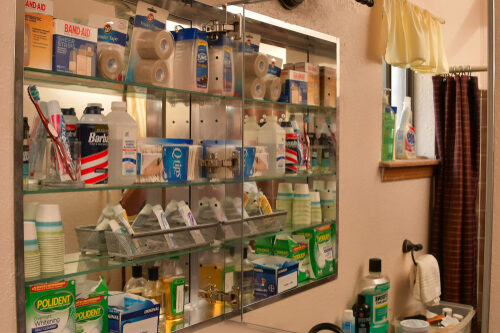
Minimalist spaces can seem perfect until stuff starts accumulating. Without enough closets or cabinets, everyday items spill into living areas. Organizing efficiently requires more effort than expected, especially if you bring in new furniture or belongings over time. Even small homes need strategic storage to maintain peace of mind.
Boxes, seasonal gear, and random clutter can make a low-maintenance home feel overwhelming. Without planning, every corner becomes a dumping ground. What was supposed to be easy upkeep now feels like constant tidying. Storage—or lack thereof—can silently turn into daily stress.
8. Paint and Surface Surprises
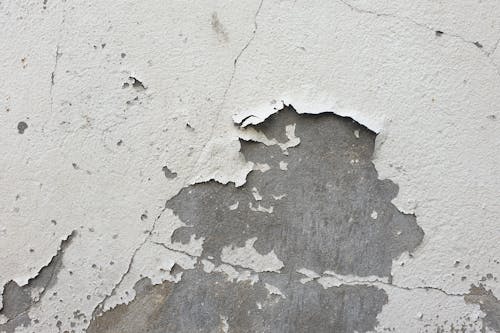
High-quality paint and finishes can reduce maintenance, but they don’t eliminate it. Scuffs, chips, or sun-faded areas demand touch-ups you didn’t anticipate. Walls, trim, and doors can require more attention than “low maintenance” suggested. Every scratch feels like a little erosion of your stress-free dream.
Certain finishes, like glossy surfaces, show fingerprints and smudges immediately. Even a careful family can’t avoid accidental marks from furniture or pets. Regular cleaning and minor repairs become essential to keeping things looking polished. The home feels less effortless when aesthetic upkeep is a constant task.
9. Outdoor Amenities Aren’t Automatic

Features like pools, hot tubs, or fire pits can seem luxurious and worry-free at first. In reality, each comes with its own set of chores, chemicals, and equipment checks. A low-maintenance home doesn’t mean “no maintenance” for extras. These amenities can quickly turn from fun features into stress-inducing commitments.
Pool water requires testing, balancing, and cleaning filters. Hot tubs need chemical monitoring and cover maintenance. Fire pits may need ash removal or safety checks before use. Suddenly, enjoying your backyard feels more like a job than a pleasure.
10. Neighborhood Responsibilities

Some “low-maintenance” homes are in communities with shared amenities or strict HOA rules. Lawn care, painting, or exterior upkeep might technically fall to the association, but compliance still lands on your shoulders. Late notices, inspections, or fines can sneak up unexpectedly. What you thought was freedom can come with hidden obligations.
Even if the association handles major work, small rules still require attention. Trash days, parking restrictions, or minor exterior approvals can pile stress onto an already busy life. Low-maintenance often refers to your property alone, not the neighborhood rules. The administrative load can feel surprisingly heavy.
11. Mental Load of Constant Upkeep
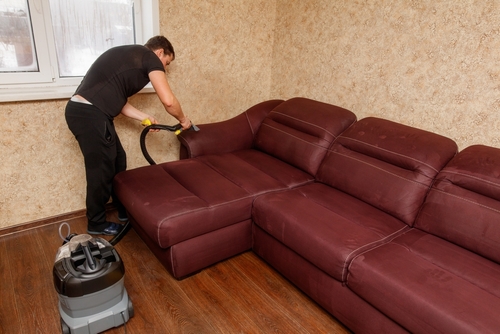
Even when physical chores are minimal, the mental load of upkeep is real. Remembering warranties, scheduling services, and anticipating repairs adds invisible stress. You may feel like you’re constantly “on call” for your home. Low maintenance doesn’t mean worry-free; it just shifts stress from doing to thinking.
Homeownership comes with invisible responsibilities that never appear on marketing brochures. Feeling like you’re always one step behind maintenance creates a subtle but persistent anxiety. Even the simplest houses demand a mental checklist. Understanding that can help you prepare and reduce unexpected frustration.
This post When “Low Maintenance” Starts Feeling High Stress was first published on Greenhouse Black.
