
1. Vinyl Records
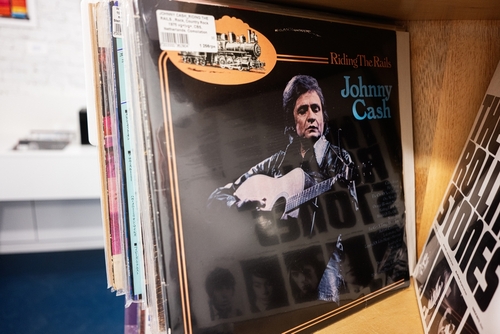
For years, vinyl records were written off as bulky, fragile relics of the pre-digital age. Then streaming flattened music into background noise, and people started missing the ritual of listening. Vinyl came back because it slows you down, from flipping sides to actually reading liner notes. Record sales now routinely outpace CDs because listeners want a tactile, intentional experience again.
There’s also a sound argument that’s specific, not mystical. Vinyl masters are often less compressed than streaming versions, which many listeners perceive as warmer or more dynamic. Independent artists and labels embraced vinyl as a premium format that supports higher margins. What was once “obsolete” now signals care, taste, and commitment to listening.
2. Film Cameras

Film cameras were supposed to die the moment smartphone cameras got good. Instead, they returned as an antidote to infinite storage and instant review. Shooting film forces photographers to think before pressing the shutter, because every frame costs money. That limitation became a feature, not a bug.
Film also produces a distinct look that isn’t just nostalgia talking. Grain structure, color response, and highlight roll-off behave differently on film than on digital sensors. Kodak and Fujifilm still manufacture film because demand never fully disappeared and has recently grown. For many, film feels more honest because it records moments without immediate correction.
3. Mechanical Watches
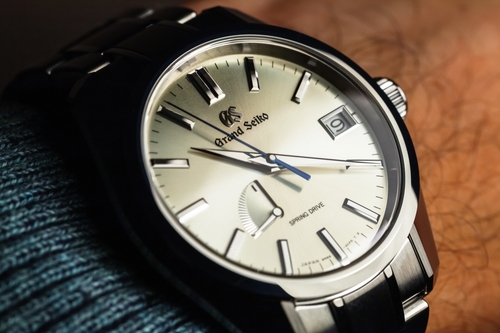
Quartz watches made mechanical ones seem pointless, since they’re less accurate and require maintenance. Over time, accuracy stopped being the main reason people wore watches at all. Mechanical watches returned as miniature machines you can see and feel working. They offer craftsmanship instead of efficiency.
Specific brands and movements became desirable because they represent engineering traditions that survived automation. A mechanical watch doesn’t need software updates, charging cables, or notifications. It simply marks time the same way it did decades ago. In a world of disposable tech, that permanence became the appeal.
4. Cast Iron Skillets

Nonstick pans promised convenience, then quietly disappointed with short lifespans and chemical concerns. Cast iron came back because it lasts generations if you treat it right. Older skillets, especially those made before modern machining changes, are now actively sought after. People realized “heavy and old” can mean “reliable.”
Cast iron also performs in ways newer pans often don’t. It retains heat exceptionally well and moves seamlessly from stovetop to oven. Seasoning creates a naturally nonstick surface without coatings that wear out. What was once seen as primitive is now valued for its durability and versatility.
5. Flip Phones
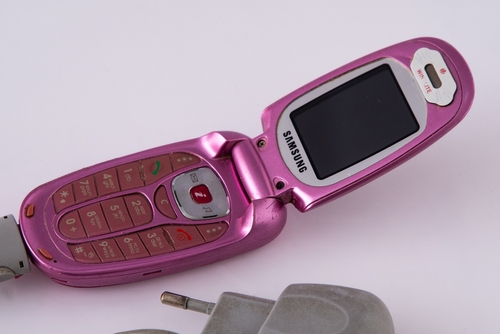
Flip phones were ridiculed as symbols of technological regression. Then smartphones became exhausting, loud, and impossible to escape. Feature phones returned because they do fewer things on purpose. They call, text, and don’t demand constant attention.
This shift isn’t hypothetical, either. Sales of basic phones have risen in specific markets, especially among people trying to reduce screen time. Some users keep them as primary devices, others as intentional backups. The appeal is clarity, not nostalgia, and that distinction matters.
6. Manual Transmission Cars

Automatic transmissions became so good that manuals seemed unnecessary. As cars got more computerized, drivers began missing the feeling of control. Manual transmissions came back as a way to feel connected to the machine. You’re not just steering, you’re participating.
Enthusiast models still offer manuals because there’s sustained demand. Learning to drive stick is now seen as a skill rather than a default. Manuals are also mechanically simpler in some cases, which appeals to long-term ownership. What once felt outdated now feels deliberate and engaging.
7. Fountain Pens
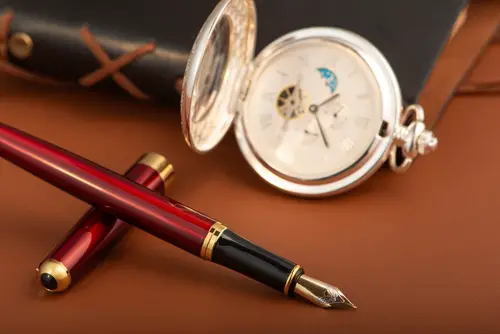
Ballpoint pens were cleaner, cheaper, and easier, so fountain pens nearly vanished. Then writing itself became rare, and the tools started to matter again. Fountain pens returned because they make writing slower and more expressive. Ink flow, nib flexibility, and paper choice all become part of the experience.
They’re also practical in specific, verifiable ways. Fountain pens can be refilled indefinitely, reducing waste compared to disposable pens. Vintage models from the mid-20th century are still in daily use, which proves their durability. What used to seem fussy now feels thoughtful.
8. CRT Televisions
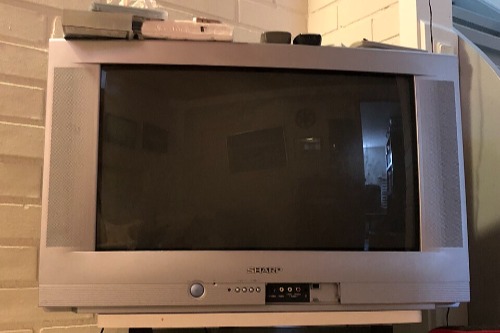
Flat screens replaced CRTs almost overnight, and for good reasons like size and weight. Years later, gamers realized something important had been lost. Older video games were designed specifically for CRT displays. The timing, resolution, and motion clarity behave differently than on modern screens.
As a result, CRTs became desirable again within retro gaming communities. Light gun games and classic consoles often work best or only on CRTs. The technology solves a real compatibility problem, not just an aesthetic one. What was once trash at the curb is now carefully restored.
9. Analog Synthesizers
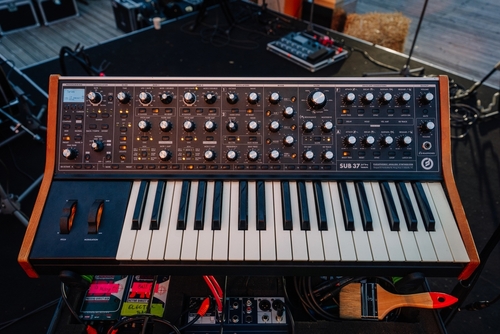
Digital synthesizers promised perfect replication of analog sound. Musicians eventually noticed that “perfect” didn’t always mean inspiring. Analog synthesizers came back because their circuits behave slightly differently every time. That unpredictability adds character you can hear and feel.
Classic models and modern reissues coexist because demand supports both. Turning physical knobs affects sound immediately, without menus or screens. For many artists, that direct interaction leads to better creative flow. What was once replaced for efficiency returned for expressiveness.
10. Paper Planners

Digital calendars are faster and more powerful, but they’re also invisible and easy to ignore. Paper planners came back because writing something down engages memory differently. Crossing off a task physically feels more complete than tapping a screen. That psychological effect is well documented and widely experienced.
Planners also provide a single-purpose space with no notifications. Many professionals use them alongside digital tools, not instead of them. The appeal isn’t rejection of technology, but balance. What once seemed inefficient now feels grounding.
11. Instant Cameras
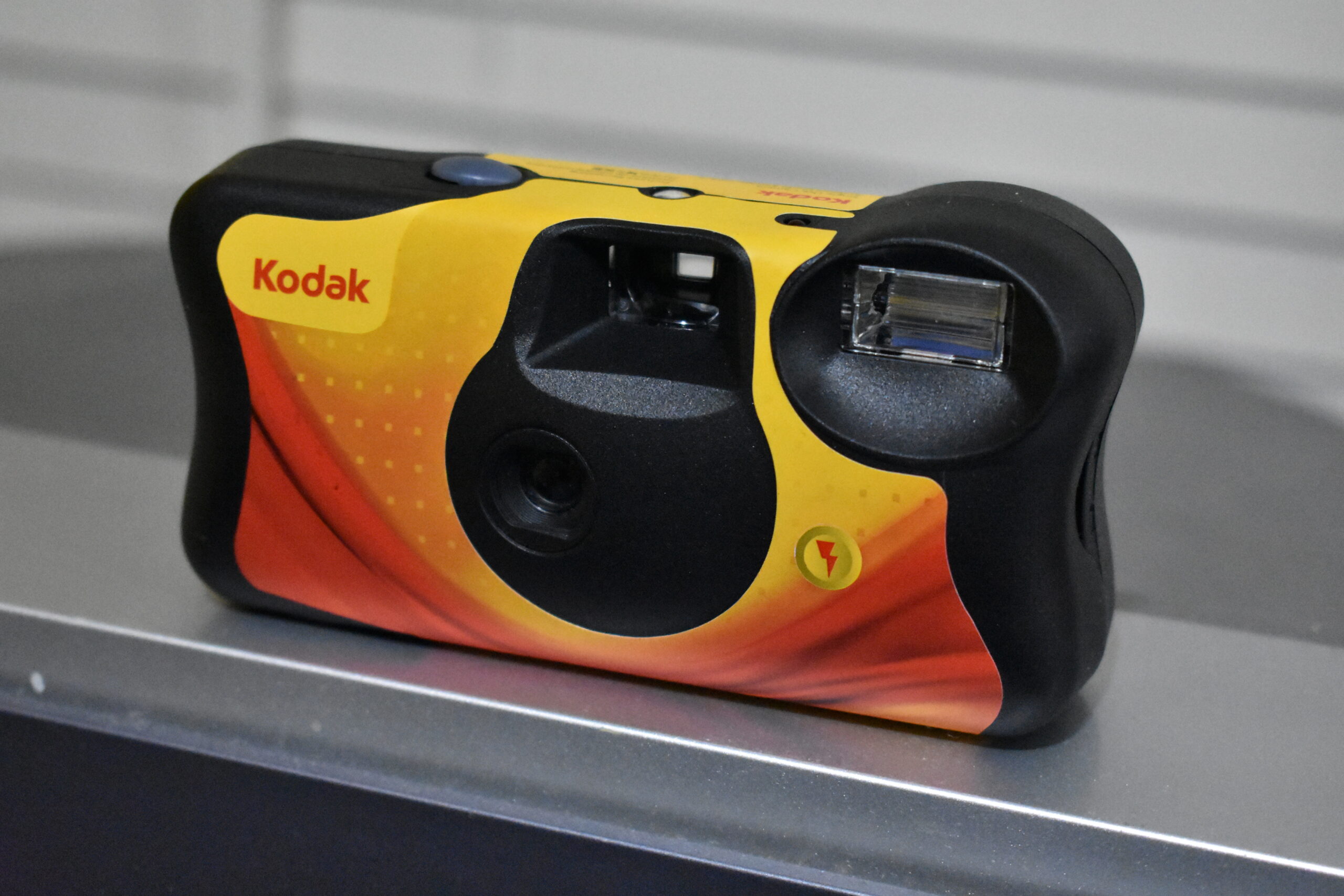
Instant cameras faded when digital photography made previews instant and cheap. They returned because physical photos regained emotional weight. An instant print is unique, imperfect, and immediately shareable in real space. You can’t endlessly retake it, and that matters.
Modern instant cameras use updated film and electronics while keeping the core experience intact. Brands like Polaroid and Fujifilm didn’t survive by accident; demand brought them back. Instant photos often become keepsakes rather than files. What was once dismissed as gimmicky is now meaningful again.
This post When “Outdated” Quietly Becomes Desirable Again was first published on Greenhouse Black.
