
1. Key West
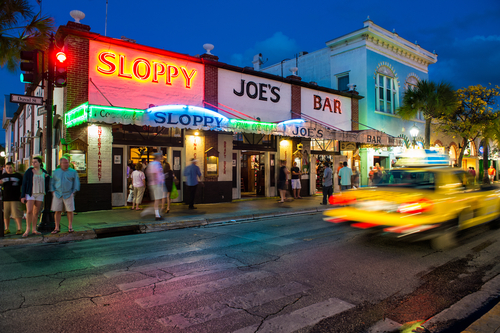
At first, Key West feels like a pastel-colored dream floating at the end of the highway. The sunsets are theatrical, the streets are walkable, and the vibe is permanently on vacation mode. But that same geographic finality can start to feel psychologically real after a while. You’re literally at the end of the road, and spontaneous escapes require planning.
When cruise ships leave and the nightly crowds thin, the island’s small-town rhythms become obvious. Many businesses cater heavily to tourism, which can make everyday life feel repetitive. Locals often describe a social scene where you keep seeing the same faces. Over time, paradise can start to feel more like a beautifully decorated bubble.
2. Aspen
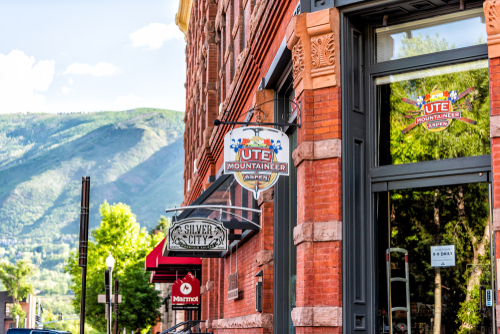
Aspen dazzles with alpine views, powdery slopes, and luxury tucked into a postcard setting. During peak ski season, it feels electric and full of possibility. Yet the town’s small size becomes more noticeable once the seasonal rush fades. The mountains that inspire awe can also create a sense of enclosure.
Off-season, many second homes sit dark, giving parts of town a quiet, hollow feeling. Social life can revolve heavily around ski culture and wealth-driven tourism. If you’re not plugged into that scene, it’s easy to feel peripheral. The beauty remains constant, but the social landscape can feel narrow.
3. Sedona
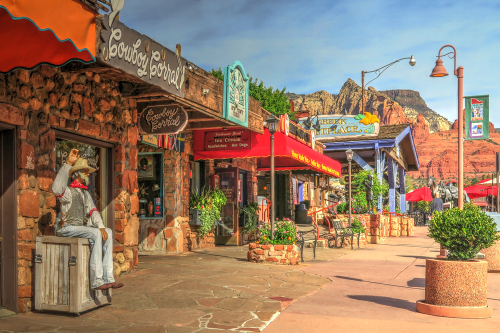
Sedona’s red rock formations feel otherworldly, like you’ve stepped into a painting. The spiritual tourism and wellness culture create an atmosphere of reflection. That serenity is part of the appeal, but it can tilt into solitude. The town encourages inward focus more than bustling social energy.
After sunset, activity drops off quickly outside a handful of spots. Many visitors come for retreats, meaning relationships can be brief and transient. Residents sometimes note how conversations circle the same spiritual themes. The landscape is expansive, but the social circle can feel surprisingly tight.
4. Bar Harbor
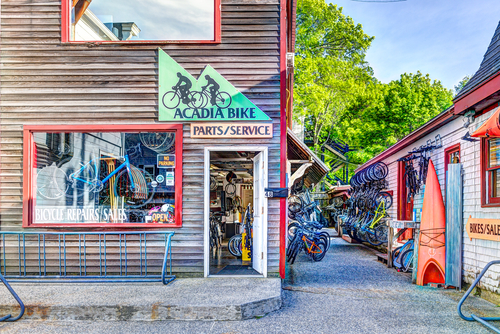
Bar Harbor is a charming coastal gateway with crisp air and classic New England scenery. Summer brings crowds eager to explore nearby natural wonders. When the season ends, the tempo slows dramatically. The contrast between busy and quiet months can feel stark.
Winter in particular transforms the town into a hushed version of itself. Many seasonal businesses close, shrinking daily interaction points. Social options become limited, especially for newcomers. The peacefulness is real, but so is the sense of being tucked away.
5. Jackson
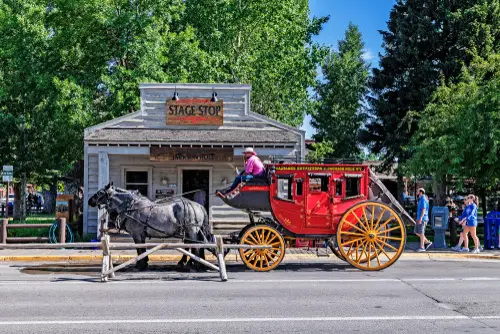
Jackson sits in a valley framed by dramatic peaks that never stop impressing. Outdoor adventure is woven into daily life, from skiing to wildlife watching. That rugged beauty also reinforces how remote the area is. Long drives separate residents from larger cities and services.
The town’s economy leans heavily on tourism and seasonal work cycles. Friend groups can shift as workers come and go. During shoulder seasons, streets grow noticeably quieter. The grandeur remains, but the isolation becomes easier to feel.
6. Napa Valley
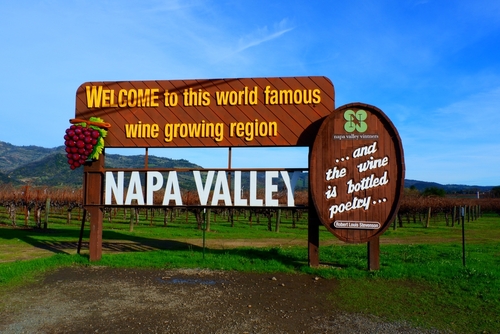
Napa Valley offers rolling vineyards, culinary prestige, and a polished countryside aesthetic. Visiting feels indulgent, like stepping into a lifestyle magazine. Living there reveals how tourism shapes daily rhythms. Much of the social scene revolves around wine and hospitality.
Outside peak tasting hours, many areas are surprisingly calm. Housing costs push workers farther out, stretching commutes and social ties. Community life can feel segmented between visitors and long-timers. The scenery is lush, but everyday connection can take effort.
7. Santa Fe
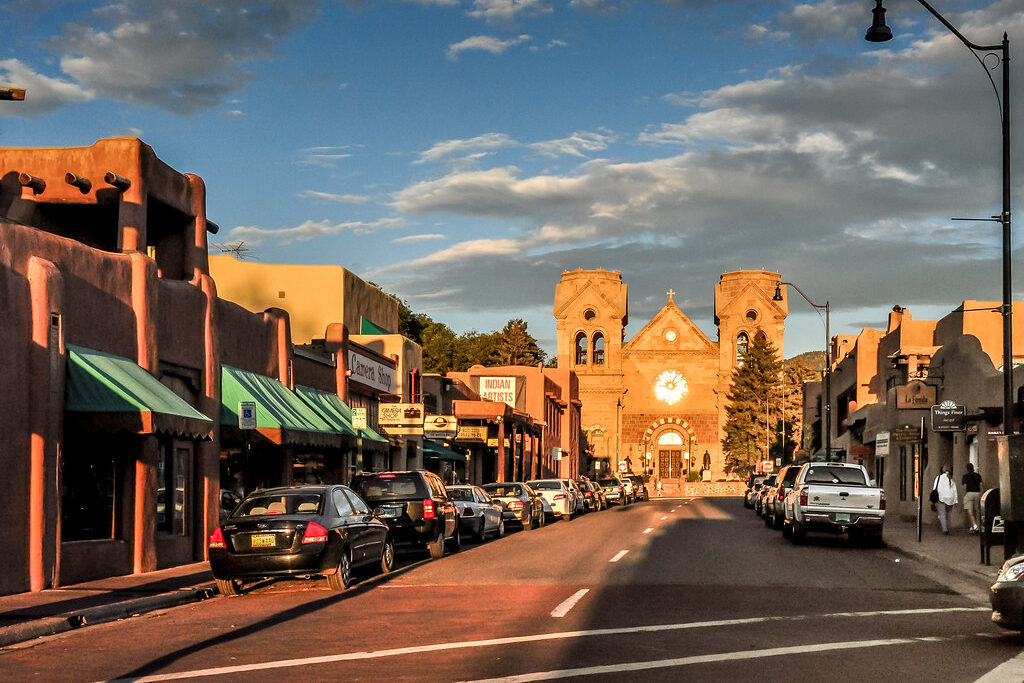
Santa Fe blends adobe architecture, art culture, and high-desert light into a distinct identity. Creative energy is everywhere, from galleries to markets. That uniqueness can also feel insular over time. The social ecosystem is tight-knit and stylistically specific.
New arrivals sometimes find it takes patience to build deeper connections. The city’s pace is intentionally slow, which isn’t always energizing day to day. Nightlife is modest compared to larger metros. The charm is undeniable, but it leans toward quiet introspection.
8. Juneau
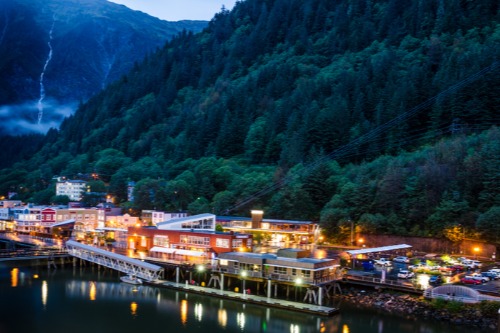
Juneau’s dramatic setting between mountains and sea feels wild and cinematic. Wildlife sightings and glacier views are part of normal conversation. Its inaccessibility — no road connection to the continental highway system — is part of its identity. That same feature defines its isolation.
Travel requires flights or ferries, which adds cost and planning to simple trips. Winter darkness can weigh on mood and routines. Social circles are supportive but naturally small. The environment is breathtaking, yet unmistakably remote.
9. Nantucket
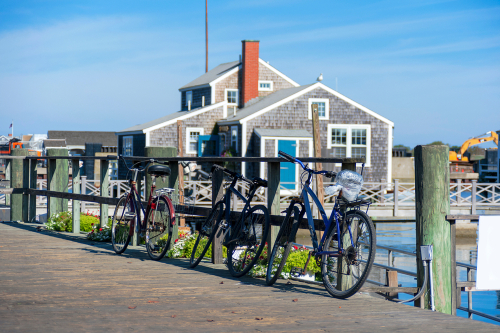
Nantucket embodies coastal elegance with cobblestone streets and historic homes. Summer fills the island with energy and seasonal residents. Once the crowds depart, the population contracts dramatically. The shift changes the town’s social texture overnight.
Fewer open businesses mean limited gathering spaces in colder months. Island logistics add friction to spontaneous travel. Residents often describe a strong sense of community paired with geographic confinement. The beauty is constant, but the scale feels intimate year-round.
10. Moab
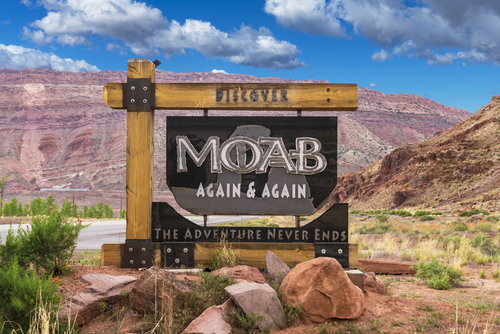
Moab is an adventure hub surrounded by iconic desert landscapes. Days are shaped by hiking, biking, and exploration. The town’s small footprint becomes evident after the thrill settles. Amenities and entertainment options are intentionally limited.
Seasonal tourism creates boom-and-bust rhythms in activity. During quieter stretches, social variety narrows quickly. Long drives are required for major services or city experiences. The red rock playground is vast, but daily life stays compact.
11. Lake Tahoe
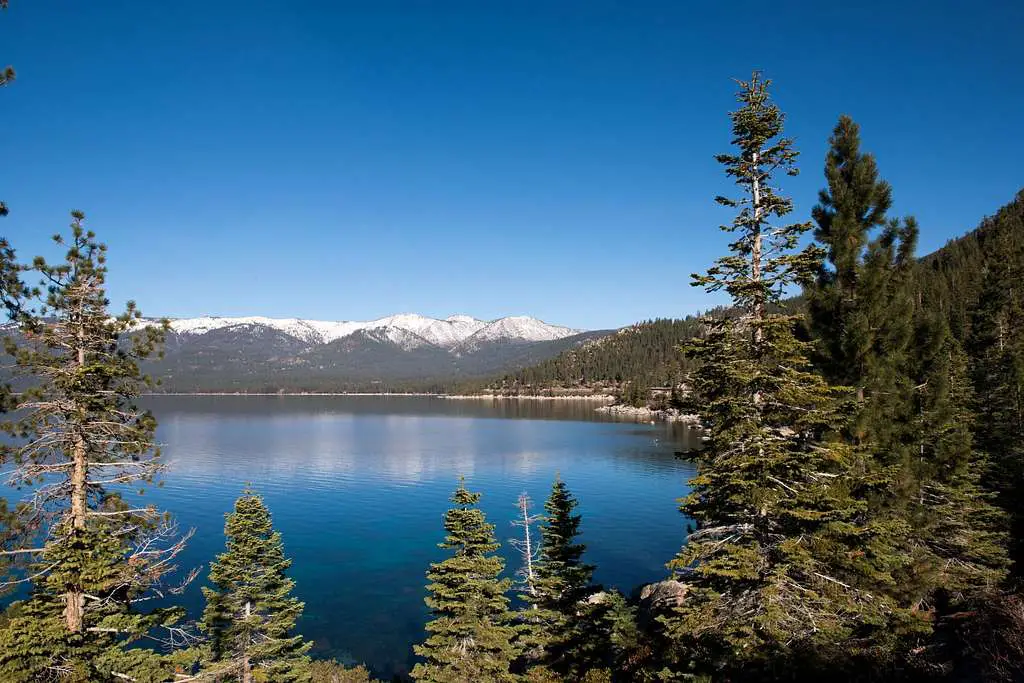
Lake Tahoe offers alpine water views that feel almost unreal. Recreation dominates the culture, from skiing to boating. Communities around the lake are dispersed, creating pockets of separation. Travel between towns can take longer than it looks on a map.
Seasonal traffic swings affect both mood and access. Off-peak periods reveal how small local populations really are. Social scenes tend to orbit outdoor lifestyles. The lake feels expansive, but neighborhoods can feel tucked away.
12. Big Sur
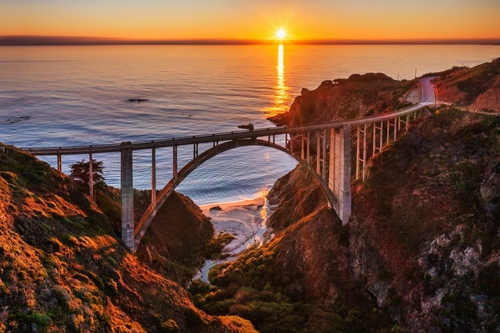
Big Sur’s cliffs and ocean vistas create a sense of edge-of-the-world drama. Living there means daily immersion in raw scenery. Infrastructure is intentionally minimal to preserve that environment. The trade-off is limited services and connectivity.
Road closures or weather can temporarily cut off access. Community is small and scattered along the coastline. Everyday errands require planning and travel. The solitude is part of the appeal, but it’s very real.
13. Telluride
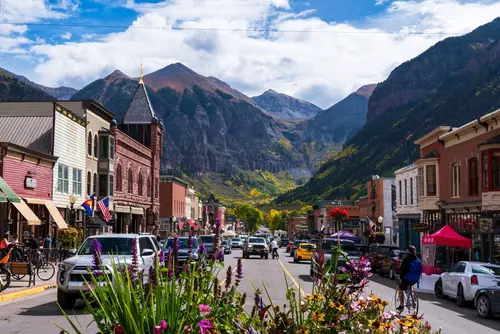
Telluride sits in a box canyon that feels cinematic in every season. Festivals and ski culture bring bursts of excitement. Between events, the town’s scale becomes more apparent. The surrounding peaks form a natural boundary.
Housing pressures push many workers to neighboring communities. Social life often revolves around seasonal cycles. Quiet weeks can feel especially still compared to peak times. The setting is spectacular, yet undeniably enclosed.
This post When These Dream Locations Start Feeling Isolating was first published on Greenhouse Black.
