
1. Park City, Utah
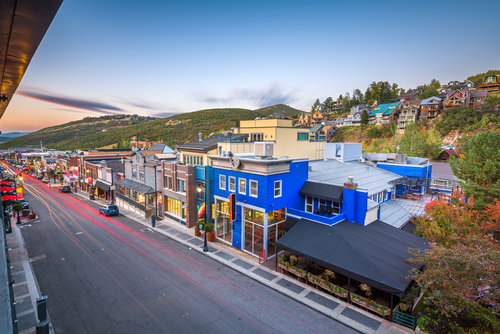
Park City attracts people looking for clean living and easy access to the outdoors. It feels polished, safe, and manageable at first glance. Visitors often think it’s a calmer alternative to bigger ski towns. The cost of staying tells a different story.
Housing prices have risen sharply with resort development and second homes. Many jobs center on tourism, events, and seasonal work. The town’s layout and transit make commuting from cheaper areas difficult. Over time, residents can feel financially cornered.
2. Jackson Hole, Wyoming
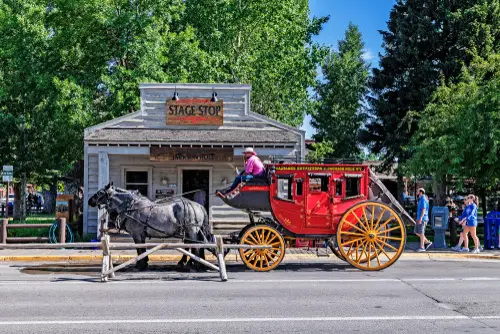
Jackson Hole attracts people who want dramatic mountains and a quieter, outdoorsy lifestyle. It sells itself as a place where you can ski in the morning and breathe easier all day. The scenery convinces many newcomers they’ve found their forever home. Then the realities of the valley set in.
Teton County has some of the highest real estate prices in the country due to limited land and wealthy second-home buyers. Workers often commute long distances because they can’t afford to live nearby. Winters are long and intense, which can isolate people physically and socially. If you don’t break into a high-paying niche, it’s hard to move up or move out.
3. Sedona, Arizona
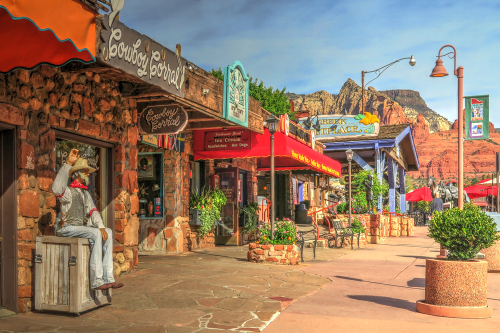
Sedona draws people chasing red rock views and a spiritual reset. It’s marketed as a healing place where stress melts away. Visitors imagine a slower, more meaningful daily life. Many don’t realize how constrained the town actually is.
The geography limits expansion, which keeps housing supply tight and prices high. Jobs are heavily concentrated in tourism, retail, and wellness services. Summers are extremely hot, which can feel oppressive if you stay year-round. Once you’ve relocated, the cost and lack of alternatives nearby can make leaving complicated.
4. Key West, Florida
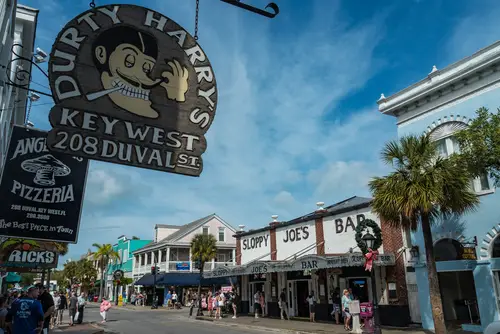
Key West feels like a permanent vacation with palm trees and pastel houses. People go to disconnect from the mainland and live more freely. The island vibe makes it easy to romanticize staying forever. Reality hits after the novelty fades.
Housing is limited and expensive due to strict zoning and geography. Most jobs revolve around tourism, bars, or boating, and pay reflects that. The island is physically far from major cities and services. That isolation can make people feel boxed in once they need something more stable.
5. Aspen, Colorado
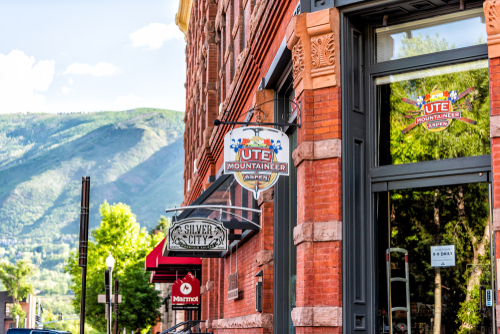
Aspen is a dream destination for skiers and mountain lovers. It promises fresh air, beautiful views, and a cultured small-town feel. Many visitors think they’ve found the perfect balance of nature and sophistication. Living there full-time is another story.
Real estate prices are among the highest in the US, driven by luxury buyers. Service workers often live far away and face brutal commutes in winter. Job options outside hospitality and tourism are limited. Once you build a life there, relocating can feel overwhelming financially.
6. Bozeman, Montana
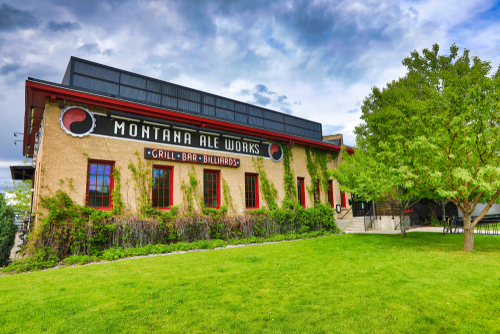
Bozeman has become a magnet for people fleeing crowded cities. It offers access to hiking, skiing, and a friendly college-town energy. Newcomers often expect affordable living with mountain views. That expectation no longer matches reality.
Rapid growth has pushed housing prices far beyond local wages. Infrastructure hasn’t kept up, which strains traffic and services. Jobs outside tech, the university, and tourism are limited. People can feel stuck between rising costs and fewer nearby alternatives.
7. Lake Tahoe, California/Nevada
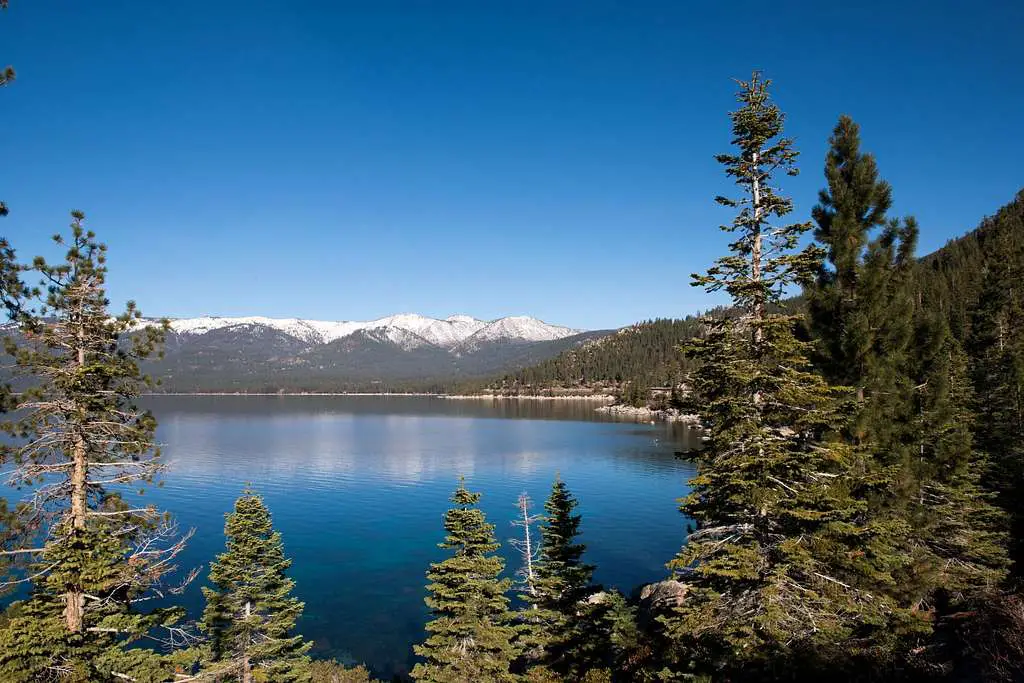
Lake Tahoe sells a vision of year-round outdoor adventure. Many people arrive planning to ski all winter and swim all summer. The natural beauty makes it hard to imagine wanting anything else. Day-to-day life, however, is more complicated.
Housing is scarce due to environmental restrictions and short-term rentals. Seasonal work dominates the job market, which creates income instability. Winters can be harsh, limiting travel and access to services. Leaving often requires moving far, not just to the next town over.
8. Maui, Hawaii
People come to Maui for the beaches, the sunsets, and the fantasy of island life slowing everything down. It feels like the ultimate escape from traffic, stress, and mainland routines. Many visitors decide they want to stay after a week of snorkeling and farmers markets. The trouble starts when vacation math meets real life.
Housing on Maui is extremely limited, and long-term rentals are scarce and expensive. Wages in tourism and service jobs often don’t come close to covering rent. Being on an island also means limited job mobility and very high costs for food and goods. Once you’re there, leaving can feel financially and logistically harder than expected.
9. Nantucket, Massachusetts
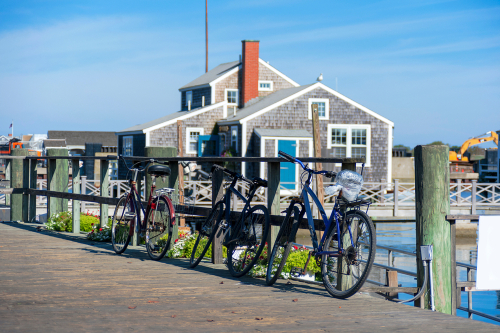
Nantucket offers postcard-perfect charm and coastal calm. People fall in love with the idea of island simplicity and history. It seems like a peaceful place to reset your life. Year-round living is much tougher than summer visiting.
Housing is extremely limited and often reserved for seasonal workers. Prices for basics like groceries and utilities are high due to shipping costs. Job options shrink dramatically outside tourist season. Being dependent on ferries and flights adds to the feeling of being stuck.
10. Juneau, Alaska
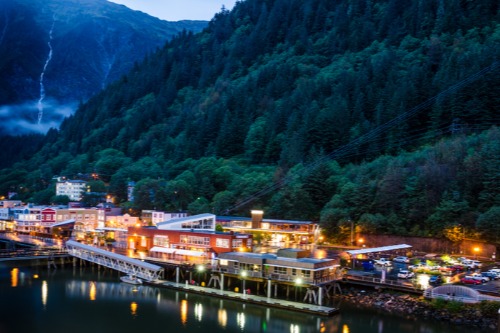
Juneau appeals to those wanting dramatic wilderness and distance from the lower 48. It feels like a true escape from modern chaos. Many people are drawn by government jobs and outdoor access. Few fully grasp how isolated it really is.
Juneau isn’t connected to the road system, so travel requires planes or ferries. Housing can be limited and costly for the size of the city. Winters are dark and wet, which affects mental health. Leaving often requires significant planning and money.
11. Marfa, Texas
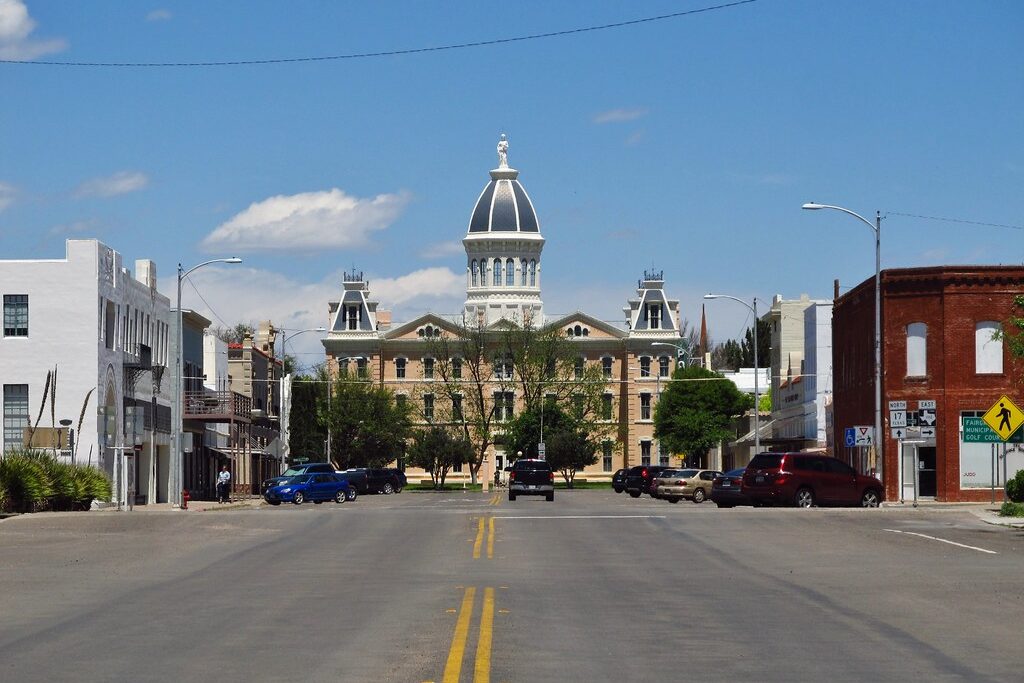
Marfa attracts creatives looking for space, quiet, and artistic community. It feels intentionally remote and refreshingly different. People go there to escape crowds and noise. That remoteness can quickly work against them.
Jobs are limited and often tied to tourism or the arts. Essential services like healthcare and shopping are far away. Housing options are fewer than they appear online. Once settled, the distance from everything else can feel confining.
12. Sun Valley, Idaho
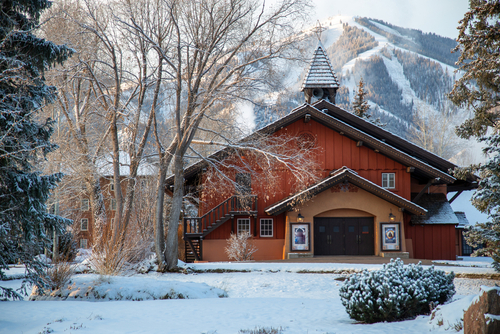
Sun Valley promises alpine beauty without the flash of larger resorts. It appeals to people who want nature and privacy. The town feels manageable and serene at first. Long-term living reveals tight constraints.
Housing prices are high relative to local wages. Employment is centered on the resort and service industries. Winters can isolate residents and complicate travel. Moving away often means leaving the lifestyle entirely, not just the town.
13. Venice Beach, California
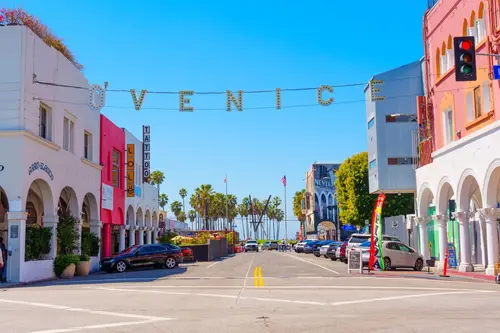
Venice Beach draws people chasing creativity and coastal freedom. It feels like a place where unconventional lives are possible. Many arrive intending a short stay that turns permanent. The environment can slowly narrow options.
Rents are extremely high and rise unpredictably. Competition for jobs and housing is intense. Noise, crowds, and safety concerns wear on residents over time. Once financially stretched, leaving Los Angeles becomes harder than expected.
14. Taos, New Mexico
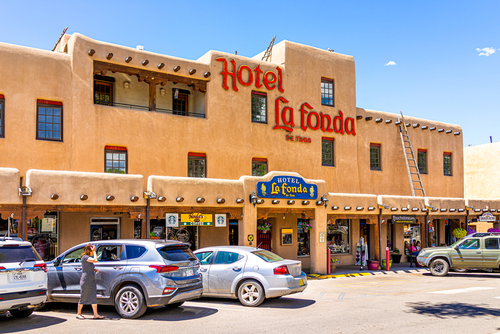
Taos attracts people seeking art, nature, and spiritual distance from mainstream life. It feels authentic, creative, and removed from modern pressures. Many arrive hoping for a cheaper, freer alternative to larger Western towns. The isolation seems charming at first.
Job opportunities are limited and often low-paying outside of tourism and the arts. Healthcare access and basic services can be inconsistent. Housing availability fluctuates and prices rise faster than wages. Once established, the lack of nearby alternatives can make leaving feel daunting.
15. Bend, Oregon
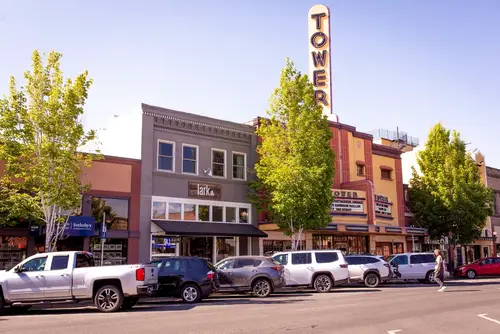
Bend sells itself as an outdoor paradise with breweries, trails, and sunshine. People move there to escape urban congestion and reconnect with nature. It feels energetic without being overwhelming. Growth has changed that balance quickly.
Housing costs have surged well past what many local jobs support. Work is concentrated in tourism, healthcare, and a narrow tech sector. Traffic and infrastructure strain daily routines. Residents can feel squeezed between high costs and limited regional options.
16. Big Sky, Montana
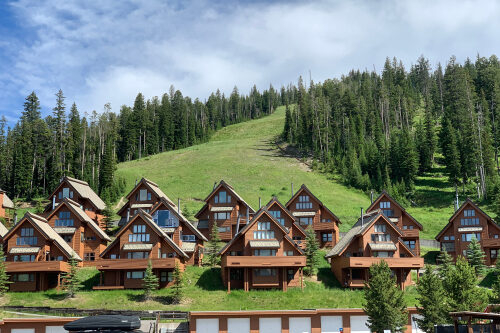
Big Sky promises wide-open spaces and world-class skiing. It appeals to people who want solitude paired with luxury scenery. The town feels like an intentional escape from crowds and noise. That separation comes with consequences.
Housing is dominated by vacation properties and short-term rentals. Workers often live far away and commute long distances. Services and amenities are sparse outside the resort bubble. Once settled, the remoteness can turn restrictive.
17. Telluride, Colorado
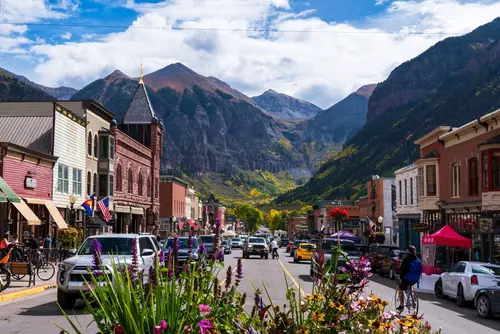
Telluride feels tucked away and protected by towering mountains. It attracts those looking for beauty without the chaos of larger resorts. The town’s scale makes life feel curated and special. That exclusivity has a cost.
Housing prices are extreme for a town its size. Jobs are tightly linked to tourism and seasonal demand. Geographic isolation limits commuting and expansion. Leaving often requires abandoning the lifestyle entirely.
18. Eureka Springs, Arkansas
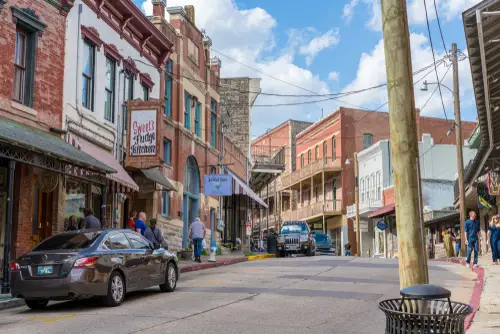
Eureka Springs draws people wanting charm, history, and alternative culture. It feels quirky, welcoming, and refreshingly small. Many arrive expecting affordability and community. The reality can be narrower than expected.
Jobs are limited and centered on tourism and small businesses. Housing options are fewer and older than they appear online. Access to healthcare and higher-paying work requires long drives. Over time, residents may feel cut off from opportunity.
19. Palm Springs, California
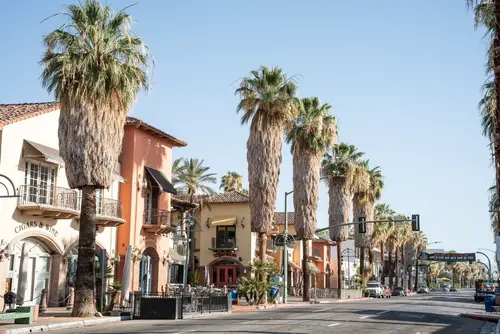
Palm Springs attracts people looking for sun, design, and escape from cold climates. It feels relaxed, stylish, and easygoing. Many envision an affordable desert retreat. The seasonal nature of the city complicates that vision.
Housing prices have risen sharply due to second-home buyers. Jobs fluctuate with tourism and seasonal residents. Extreme summer heat limits daily life for months at a time. Leaving often means a major geographic jump.
20. Provincetown, Massachusetts
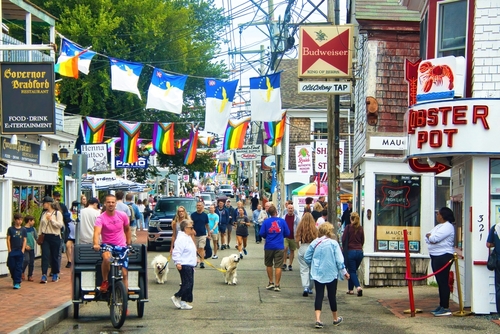
Provincetown feels liberating, creative, and openly expressive. People arrive looking for community and coastal beauty. The town encourages reinvention and escape from convention. That freedom narrows outside peak season.
Housing is scarce and often seasonal. Employment drops sharply in winter months. Isolation increases when ferries reduce schedules. Long-term residents can feel trapped by logistics and cost.
21. Whitefish, Montana
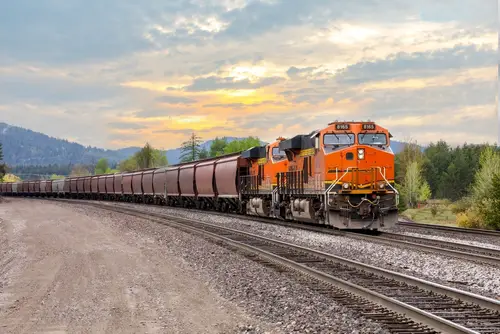
Whitefish offers mountain views, skiing, and small-town friendliness. It appeals to people fleeing crowded metros. The town feels approachable and scenic. Growth has quietly reshaped it.
Housing prices have outpaced local wages. Jobs remain concentrated in tourism and service work. Winters isolate residents and limit mobility. Nearby alternatives offer little relief.
22. Leavenworth, Washington
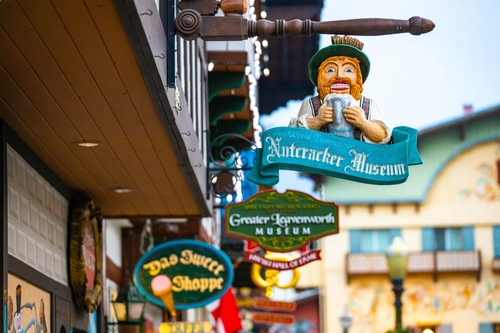
Leavenworth draws visitors with its themed charm and alpine setting. It feels playful and removed from ordinary American towns. People imagine living somewhere unique and peaceful. The novelty masks practical limits.
Tourism dominates the economy year-round. Housing is expensive and limited by geography. Crowds strain infrastructure and daily routines. Residents can feel locked into the town’s single identity.
23. Bisbee, Arizona
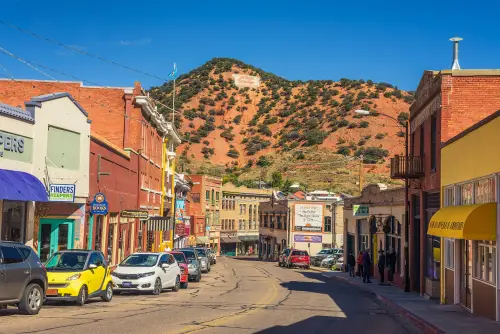
Bisbee attracts people seeking art, history, and desert quiet. It feels intimate and intentionally unconventional. Many arrive hoping for affordability and escape. The town’s scale defines its limits.
Jobs are scarce and often informal. Housing can be older and costly to maintain. Services require travel to larger cities. Once rooted, the distance from opportunity can feel confining.
This post Where Americans Go to Escape—and End Up Trapped was first published on Greenhouse Black.
