
1. Maui, Hawaii
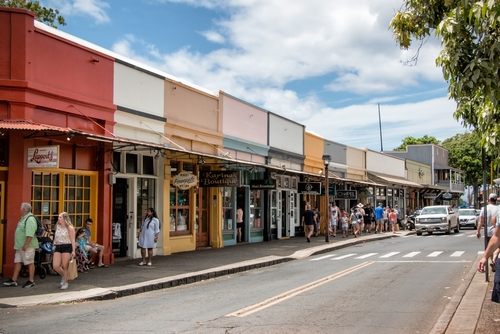
Maui represents the ultimate retirement fantasy for many people. The climate, scenery, and lifestyle feel healing and life-affirming. Daily stress seems to melt away. It’s easy to feel grateful just waking up there.
Healthcare realities are more complex. Specialized medical care often requires travel to Oahu or the mainland. The cost of in-home care is high, and staffing can be inconsistent. When health needs escalate, paradise can feel surprisingly hard to navigate.
2. Naples, Florida
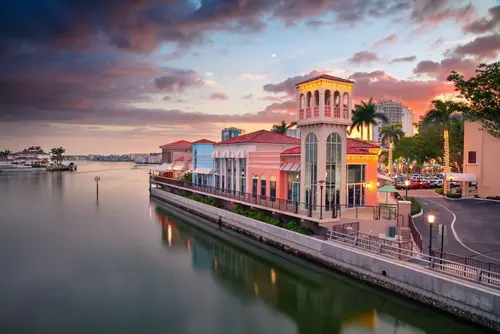
Naples sells a vision of coastal calm, manicured neighborhoods, and sunshine that seems tailor-made for retirement. It’s clean, safe, and full of amenities geared toward older adults with means. For healthy retirees, the lifestyle can feel effortless and luxurious. Everything looks like it’s been optimized for comfort.
But Naples is expensive, and that cost ripples into care. Hiring home health aides, cleaners, or drivers can be difficult and pricey because many workers commute long distances. Specialized medical care is improving but still limited compared to larger metro areas. When needs increase, some retirees find they’re paying a premium for help that’s easier to access elsewhere.
3. Asheville, North Carolina
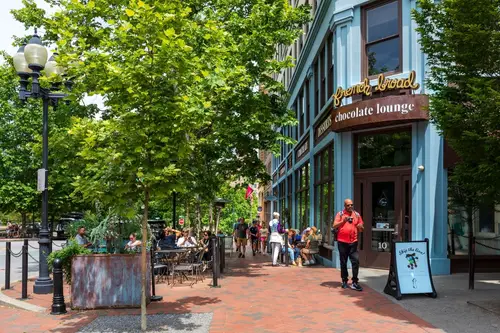
Asheville attracts retirees with its artsy vibe, mountain scenery, and mild four-season climate. It feels vibrant without being overwhelming, and many people love the sense of community. For active adults, hiking trails and cultural events keep life interesting. It’s easy to imagine aging happily here.
Healthcare is where reality can intrude. Asheville has one major hospital system serving a wide rural region, which can strain appointment availability. Certain specialists are in short supply, leading to long wait times. If mobility or complex care becomes an issue, options can feel narrower than expected.
4. Santa Fe, New Mexico
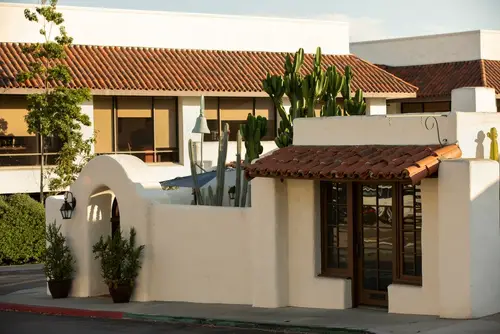
Santa Fe offers beauty, culture, and a slower pace that appeals to many retirees. The historic architecture, art scene, and high desert climate create a distinct sense of place. People often feel grounded and mentally stimulated here. It’s especially appealing if you value character over convenience.
When health needs grow, Santa Fe’s small size becomes more noticeable. Advanced medical care often requires travel to Albuquerque or even out of state. The local workforce for in-home care is limited, making help harder to schedule reliably. What feels charming and manageable at 65 can feel isolating at 80.
5. Sedona, Arizona
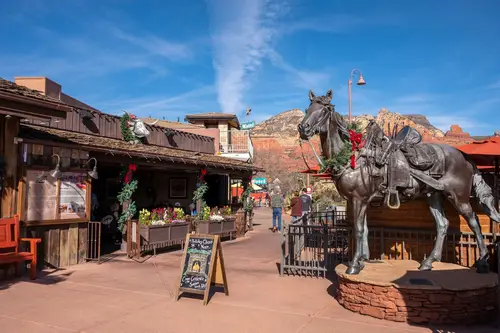
Sedona is famous for its red rocks, wellness culture, and serene atmosphere. Many retirees move here seeking peace, natural beauty, and an outdoorsy lifestyle. The town feels intimate and restorative. For those in good health, it can feel like a permanent retreat.
Medical infrastructure is modest, and that’s the catch. There’s a small hospital, but many specialists are based in Flagstaff or Phoenix. The hilly terrain and limited public transportation can become obstacles as mobility declines. Sedona works best when you don’t need much help, and that can change quickly.
6. Bend, Oregon

Bend draws retirees who want an active lifestyle surrounded by nature. The town feels youthful, energetic, and full of things to do year-round. Many people arrive feeling revitalized and optimistic. It doesn’t feel like a traditional retirement town, which is part of the appeal.
As Bend has grown, healthcare and housing have struggled to keep up. Specialist care can involve long waits or travel to Portland. Finding affordable in-home assistance is increasingly difficult due to housing costs. When independence starts to slip, Bend can feel less accommodating than it once did.
7. Bozeman, Montana
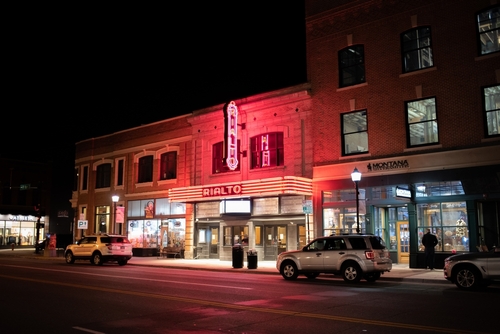
Bozeman offers stunning scenery and a strong sense of community. Retirees are drawn by the clean air, access to nature, and small-town feel. It’s easy to stay active and engaged. Many people feel healthier just living there.
The flip side is limited medical depth. There’s a regional hospital, but complex care often requires travel to larger cities. Winter weather can complicate transportation and access to services. Aging in place here works best with a strong personal support network.
8. Coeur d’Alene, Idaho
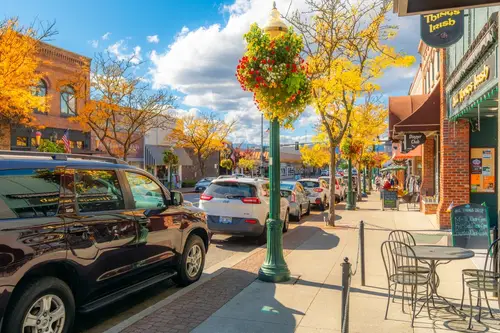
Coeur d’Alene feels peaceful, scenic, and refreshingly low-key. The lake, walkable downtown, and slower pace appeal to retirees seeking simplicity. It’s easy to feel settled and content. For a while, life really does feel easy.
Healthcare options are more limited than in major metro areas. Specialized care may require trips to Spokane, which can be taxing over time. Public transportation is minimal, increasing reliance on driving. When daily independence wanes, logistics become more complicated.
9. Hilton Head Island, South Carolina
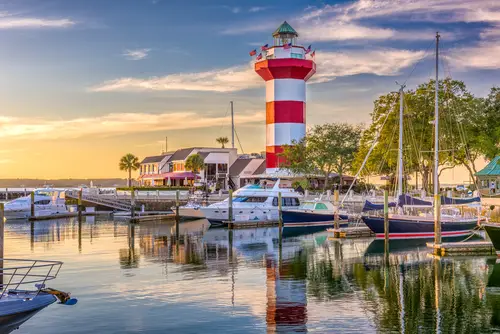
Hilton Head is designed around leisure, with golf courses, bike paths, and a relaxed coastal rhythm. Many retirees love the clean, planned feel of the island. It’s easy to stay active and social. Life there often feels well-organized and calm.
That organization doesn’t extend as neatly to healthcare. The island has limited hospital services, and many specialists are on the mainland in Savannah or Charleston. Traffic off the island can be a real barrier during peak seasons. Needing frequent medical care changes the experience significantly.
10. Cape Cod, Massachusetts
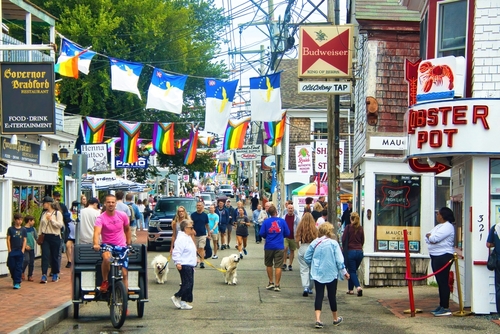
Cape Cod has long been a retirement dream, with beaches, charming towns, and a strong sense of tradition. Summers are lively, and the scenery is undeniably beautiful. Many retirees feel emotionally connected to the place. It’s a setting that feels familiar and comforting.
Healthcare access varies widely by town and season. Summer population surges strain medical services and emergency response times. Specialized care often requires travel over the bridges to Boston-area hospitals. As needs increase, the Cape can feel geographically and logistically limiting.
11. Palm Springs, California
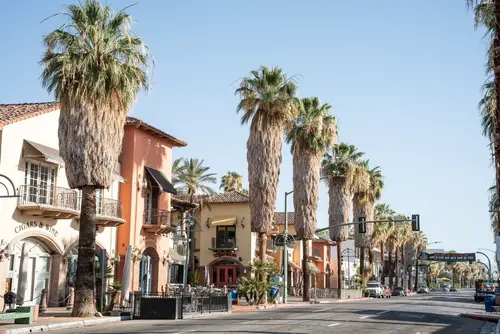
Palm Springs offers sunshine, resort-style living, and a strong retiree community. The desert climate is easy on joints, and amenities are plentiful. For independent adults, daily life can feel effortless. There’s a sense that everything is set up for comfort.
Healthcare is available but uneven, especially for advanced specialties. Extreme heat can become a serious issue as people age and tolerate it less well. Staffing shortages affect in-home care availability. When health declines, some retirees realize the infrastructure doesn’t fully match the marketing.
12. Lake Havasu City, Arizona
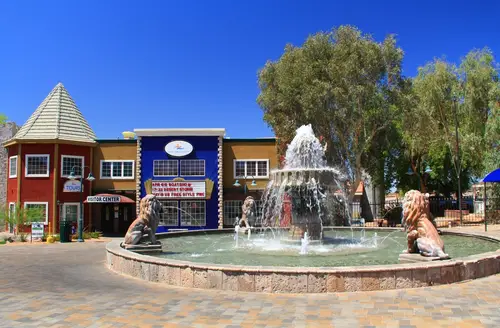
Lake Havasu City appeals to retirees who want warmth, water recreation, and affordability. Life there can feel simple and unhurried. Many people enjoy the casual social scene and manageable size. It often feels like a place where you can relax into retirement.
Medical resources are limited, especially for complex conditions. Residents frequently travel to Las Vegas or Phoenix for specialized care. Summer heat can be dangerous for older adults with health issues. As support needs increase, the town’s isolation becomes more apparent.
13. Traverse City, Michigan
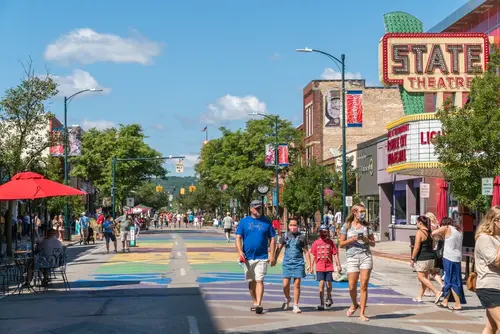
Traverse City charms retirees with its lakes, wineries, and strong seasonal beauty. Summers are idyllic, and the community feels friendly and engaged. Many people appreciate the balance of nature and culture. It’s a place that feels wholesome and livable.
Healthcare access is solid for basic needs but thinner for advanced specialties. Winter weather can complicate travel to appointments and daily errands. Public transportation options are limited. Needing ongoing help makes the seasonal swings more challenging.
14. The Villages, Florida
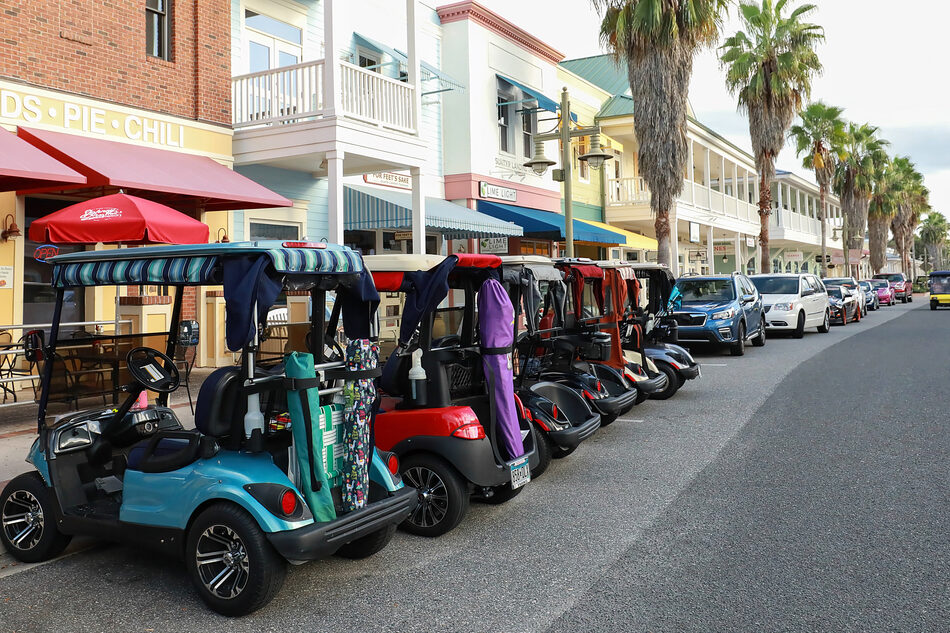
At first glance, The Villages feels like retirement on easy mode, with golf carts, clubs, and neighbors who are also newly free from work. Daily life is designed around active, independent adults, and that part works remarkably well. The weather is predictable, errands are close, and social connection comes built in. It’s a place where you rarely feel old, at least at the beginning.
The challenge shows up when health needs become more complicated than routine checkups. While there are plenty of primary care doctors, access to certain specialists often means long waits or trips to Orlando or Tampa. Public transportation beyond golf carts is limited, which matters if driving becomes difficult. Many residents eventually discover that aging in place here requires more outside support than they expected.
This post Where Retirement Feels Easy — Until You Need Help was first published on Greenhouse Black.
