
1. Napa Valley, California
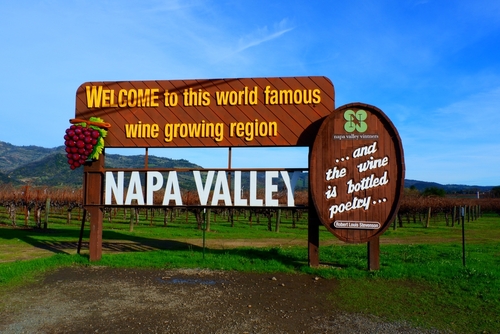
Napa Valley towns have limited RV parking to protect local roads and tourism aesthetics. Many municipalities prohibit overnight parking outside designated campgrounds. Even large retail parking lots often enforce no-overnight policies. These rules are closely monitored during peak wine tourism seasons.
This region is included because it illustrates how destination branding affects RV access. Wine country infrastructure was never designed for large rigs. As visitor numbers grew, tolerance for RVs shrank. RV travelers now have to plan well outside the valley itself.
2. Los Angeles, California

Los Angeles has quietly become one of the toughest big cities for RV parking, especially on neighborhood streets. The city expanded restrictions on oversized vehicles, limiting when and where RVs can park overnight. Many residential areas now enforce timed parking windows that effectively push RVs out after a few hours. Enforcement has increased alongside complaints tied to congestion and sanitation concerns.
The reason this matters is scale, because LA once functioned as a fallback city for long-term urban RV stays. New rules were framed as public safety measures, but they dramatically reduced legal curb space for larger vehicles. RV owners now have to bounce between industrial zones or pay for private lots. That shift has rippled across Southern California travel routes.
3. San Diego, California
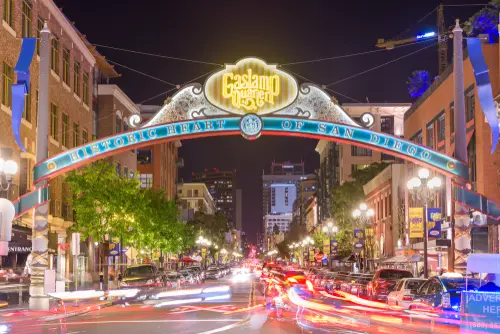
San Diego has steadily restricted overnight RV parking near beaches and coastal neighborhoods. The city enforces overnight bans on many streets between set hours, especially in tourist-heavy zones. Coastal protection policies and resident complaints have driven tighter enforcement. Even legal daytime parking can trigger citations if vehicles are deemed oversized.
This area is included because San Diego used to be a major coastal stopover for RV travelers. The combination of beach access and mild weather made it popular year-round. Now, RVs are pushed inland toward fewer and more crowded legal options. That has changed how travelers plan coastal California trips.
4. San Francisco, California

San Francisco restricts RV parking through oversized vehicle ordinances and permit-only zones. Many streets prohibit vehicles over certain lengths or heights, regardless of stay duration. Enforcement is particularly strict in residential neighborhoods. Parking citations and towing are common outcomes for noncompliance.
The city matters because it once allowed informal RV stays in industrial areas. As housing pressures increased, those spaces were reclaimed or rezoned. The result is a city that is technically drivable but practically inaccessible for RV parking. Travelers often bypass it entirely now.
5. Sedona, Arizona
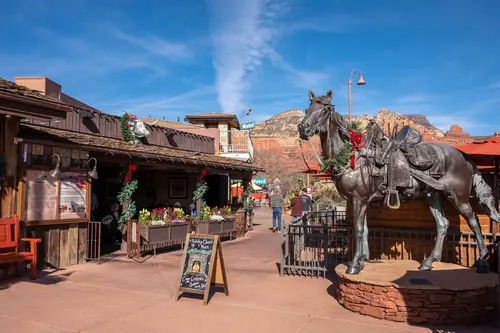
Sedona has tightened RV parking rules due to environmental and traffic concerns. Many streets now have clear signage restricting oversized vehicles. Trailhead and scenic pull-off parking is actively enforced. The city emphasizes preserving viewsheds and minimizing congestion.
Sedona matters because it’s a magnet for road trippers heading through the Southwest. RVs were once a common sight near town and trail access points. Today, legal parking is limited to specific lots or distant campgrounds. That has changed how visitors experience the area.
6. Moab, Utah
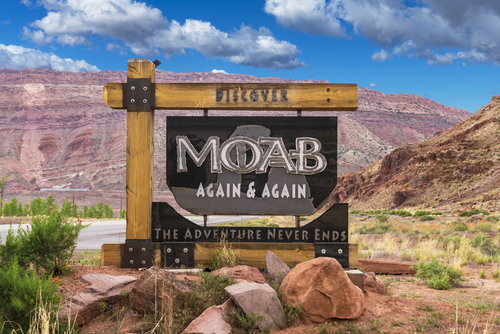
Moab has restricted overnight RV parking as tourism to nearby national parks surged. City ordinances prohibit overnight vehicle camping on most streets. Enforcement has increased during peak seasons tied to Arches and Canyonlands visitation. The town now directs RVs toward campgrounds outside city limits.
This location is key because it shows how gateway towns are adapting to heavy demand. Moab’s infrastructure struggled with rapid tourism growth. Limiting RV parking was part of managing overcrowding. The result is fewer spontaneous overnight options for travelers.
7. Jackson, Wyoming
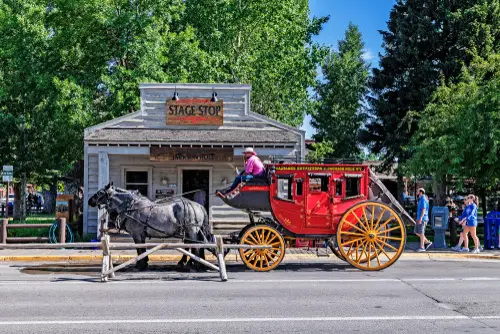
Jackson has limited RV parking through strict zoning and overnight parking bans. Many streets prohibit oversized vehicles entirely. Winter snow management also reduces available curb space for large rigs. These rules are actively enforced year-round.
Jackson is included because it sits at the doorstep of major national parks. RV travelers once relied on the town as a staging point. Rising housing costs and tourism pressure changed local attitudes. Parking access quietly narrowed as a result.
8. Aspen, Colorado
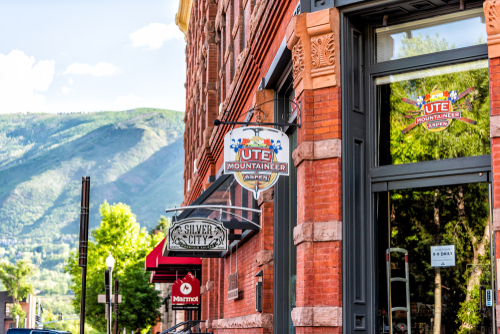
Aspen restricts RV parking to preserve traffic flow and town character. Overnight street parking for oversized vehicles is generally prohibited. Seasonal tourism surges bring heightened enforcement. Private lots often exclude RVs altogether.
This town matters because it reflects a broader trend in mountain resort communities. Roads are narrow and parking is limited by geography. As visitor numbers climbed, RVs became less welcome. Travelers now must plan far outside town centers.
9. Key West, Florida
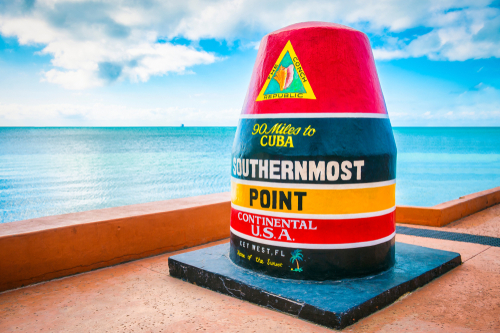
Key West has very limited RV parking due to space constraints. Overnight street parking is tightly regulated and often prohibited. Most legal options are confined to private RV parks. Demand far exceeds available spaces.
This area is included because it’s a classic road-trip destination with shrinking access. The island layout simply cannot accommodate many large vehicles. As tourism increased, informal parking disappeared. RV travelers now face advance booking or rerouting.
10. Cape Cod, Massachusetts
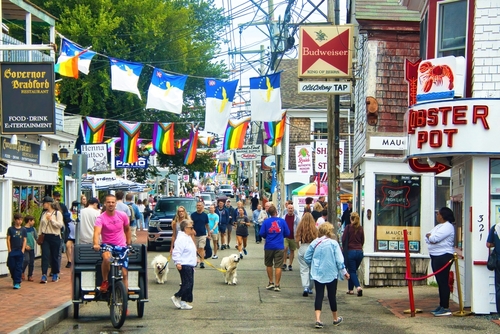
Cape Cod towns restrict RV parking to protect residential streets and beaches. Many municipalities prohibit overnight parking outside campgrounds. Seasonal enforcement increases during summer months. Beach access roads often have vehicle size limits.
Cape Cod is notable because it shows how seasonal tourism shapes RV policy. Summer crowds put pressure on limited roadways. Towns responded by tightening vehicle rules. RV access quietly narrowed without much national attention.
11. Bar Harbor, Maine
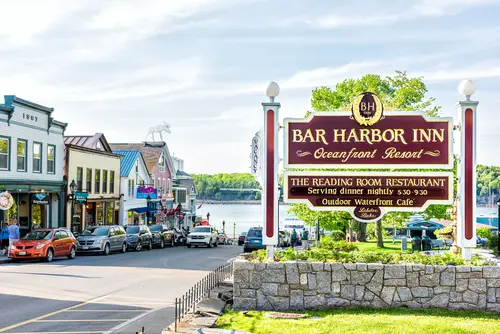
Bar Harbor has limited RV parking as visitation to Acadia National Park has grown. Street parking for oversized vehicles is heavily restricted. Most legal options are outside the town center. Enforcement is especially strict during peak travel months.
This location matters because it highlights pressure on small gateway towns. Infrastructure designed for small communities now serves massive visitor numbers. RV parking became an early casualty of that mismatch. Travelers increasingly have to stay farther out and commute in.
This post Where RV Parking Is Quietly Disappearing Across the U.S. was first published on Greenhouse Black.
