
1. San Diego, California
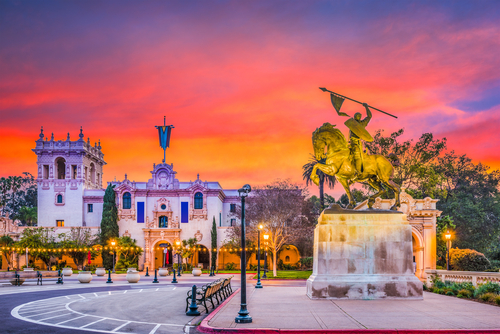
San Diego combines desirable weather, strong job growth, and limited land availability. Those factors create a housing market where demand consistently outpaces supply. Even small houses in older neighborhoods often sell for well above $800,000. That price tag effectively eliminates the idea of a modest starter property.
Zoning and coastal geography also constrain development. Large portions of the region are already built out or environmentally protected. When redevelopment happens, builders usually aim for higher-end homes. The economic incentives rarely favor constructing small entry-level houses.
2. Palo Alto, California
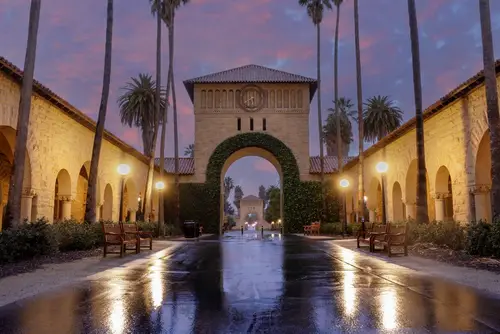
In Palo Alto, the phrase “starter home” has practically lost all meaning. Even small, aging houses regularly sell for well over $2 million, largely because the city sits in the heart of Silicon Valley. Tech wealth and limited land supply have pushed prices far beyond what typical first-time buyers can manage. What used to be a modest entry point now looks more like a luxury purchase.
Another big factor is zoning and the scarcity of buildable land. Palo Alto is already built out, and strict local rules limit how much new housing can be added. When a small postwar house does hit the market, developers often tear it down to build something bigger and more expensive. That cycle steadily wipes out the kinds of homes that once served as entry-level options.
3. Austin, Texas
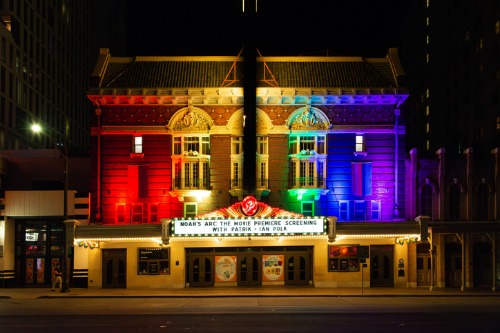
Austin used to be famous for relatively affordable homes, especially compared with coastal tech hubs. But a wave of population growth and tech investment transformed the housing market during the 2010s and early 2020s. Home values surged as companies and workers poured into the area. Prices that once seemed unthinkable for entry-level homes are now the norm.
Developers in Austin also tend to build larger houses now because construction costs have risen so sharply. It’s often more profitable to build one big home than several smaller ones. That means the modest 1,200-square-foot starter houses common in older neighborhoods are rarely replaced when they’re demolished. The result is fewer attainable homes for new buyers.
4. Seattle, Washington
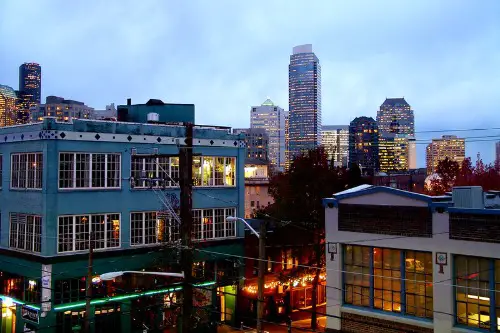
Seattle’s housing market has been reshaped by the rapid rise of its tech sector. High-paying jobs at companies like Amazon and Microsoft have brought a surge of well-paid buyers into the market. Even relatively small homes often attract multiple offers and sell for hundreds of thousands over asking price. That kind of competition pushes starter-home buyers out quickly.
The city also has a large supply of older houses that developers frequently replace with luxury builds. A small bungalow that once served as a starter home may be demolished and replaced with two million-dollar modern homes. Over time, that redevelopment gradually erases the lower end of the market. What remains is a housing ladder missing its first rung.
5. San Jose, California
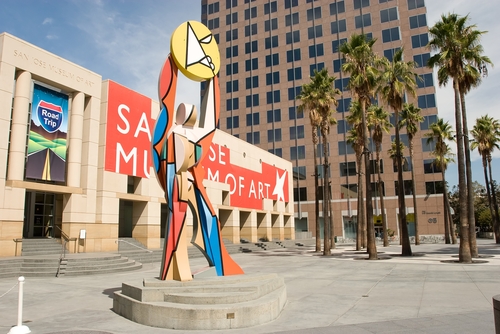
San Jose sits at the center of Silicon Valley’s housing affordability crisis. Even homes in the lowest tier of the market can easily cost well over $1 million. That price level reflects the enormous salaries in the local tech industry combined with an ongoing housing shortage. For first-time buyers without tech-level incomes, the barrier to entry is enormous.
The region also faces a long-running imbalance between job growth and housing construction. For years, far more jobs were added than homes were built. That shortage puts intense pressure on any property that becomes available. The few smaller houses that might qualify as starter homes quickly become bidding-war magnets.
6. Denver, Colorado
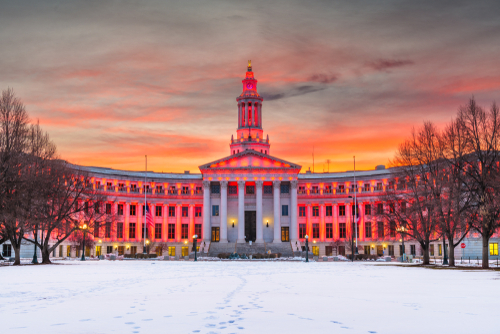
Denver’s popularity exploded over the last decade as people relocated for its outdoor lifestyle and strong job market. The surge in demand pushed home prices far higher than they were in the early 2010s. Neighborhoods that once had affordable bungalows are now filled with expensive renovations and new builds. Entry-level buyers often struggle to compete.
Developers in Denver have also shifted toward larger homes or upscale townhouses. Rising land prices make small single-family houses harder to justify financially. When older starter homes are torn down, they are usually replaced with much more expensive properties. That trend steadily shrinks the pool of homes first-time buyers can afford.
7. Nashville, Tennessee
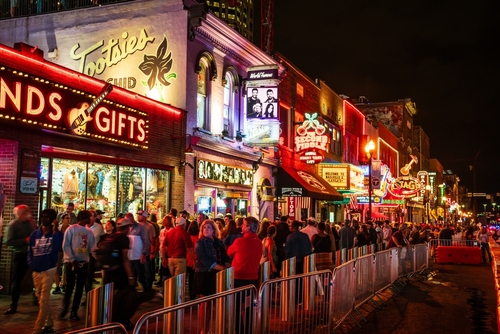
Nashville’s rapid growth has transformed its housing landscape. An influx of new residents, including remote workers and corporate relocations, dramatically increased demand. Prices climbed so quickly that neighborhoods once considered affordable suddenly became hot real estate markets. Many longtime residents now find entry-level homes nearly impossible to buy.
Another shift has come from redevelopment. Older one-story houses are often replaced by larger “tall and skinny” homes that sell for significantly more. These projects make financial sense for builders but remove smaller homes from the market. Over time, the stock of traditional starter homes steadily declines.
8. Boise, Idaho

Boise became one of the fastest-growing housing markets in the country during the pandemic-era migration wave. Buyers from more expensive states arrived with larger budgets, driving prices sharply upward. Homes that once cost under $250,000 began selling for double that or more. The rapid appreciation shocked many local buyers.
Because Boise was previously a relatively affordable city, the housing stock wasn’t designed for such intense demand. New construction struggled to keep up with the influx of people. When homes do hit the market, they often attract multiple offers quickly. That intense competition effectively squeezes out first-time buyers.
9. Miami, Florida
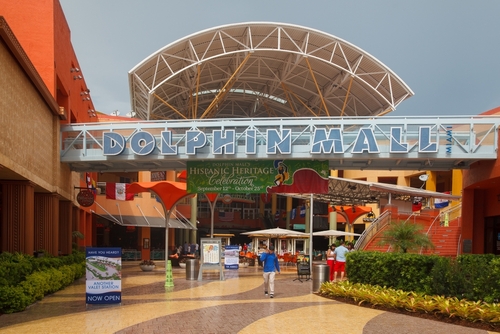
In parts of the Miami area, even the least expensive homes in the market have climbed into the million-dollar range. International buyers, investors, and luxury development have reshaped the local housing market. Demand from wealthier buyers keeps prices elevated even for modest houses. The result is a market where entry-level properties barely exist.
Insurance costs and construction expenses also add to the problem. Building in hurricane-prone areas requires expensive materials and compliance with strict codes. Developers therefore prioritize higher-end homes where those costs can be recovered. That economic reality makes traditional starter homes far less common.
10. Boston, Massachusetts
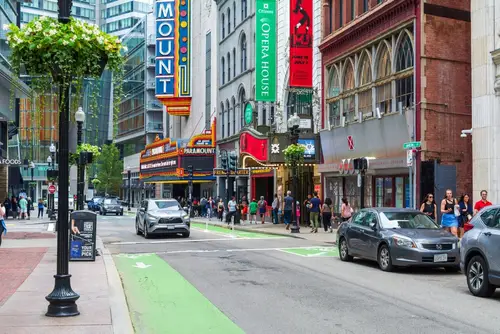
Boston’s housing supply has struggled to keep up with its strong economy and growing population. The city’s historic neighborhoods limit large-scale redevelopment, which keeps inventory tight. As demand rises, prices climb quickly—even for smaller homes. For many first-time buyers, ownership inside the city feels out of reach.
The region also has many aging properties that require expensive renovations. Buyers must often compete for older homes that still cost hundreds of thousands of dollars before repairs. Investors frequently purchase those properties and upgrade them for higher-end resale. That process pushes starter homes further out of reach.
11. Boulder, Colorado
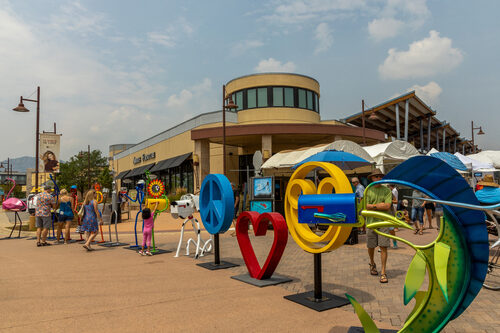
Boulder has long been desirable, but over the past two decades it has become one of the least friendly places in America for first-time buyers. The combination of a booming tech and research economy with strict growth controls keeps supply extremely tight. Median home prices routinely climb above $1 million. That price point effectively eliminates the classic starter-home rung of the ladder.
Geography also plays a role here. Boulder is boxed in by mountains and protected open space, which limits outward expansion. With little land available for new development, builders focus on high-end homes that maximize profit. As a result, the smaller houses that once attracted young families have largely disappeared from the market.
12. Charleston, South Carolina
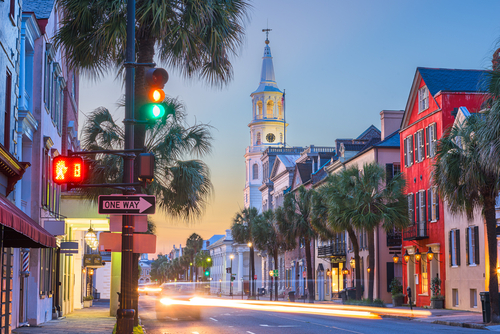
Charleston’s historic charm and coastal setting have made it a magnet for newcomers. Retirees, remote workers, and second-home buyers have poured into the region. This influx has driven up housing prices dramatically in recent years. Homes that once served as starter properties now command premium prices.
The city’s preservation rules also limit how much new housing can be built in historic areas. That keeps supply constrained while demand continues to rise. Developers often build larger homes in newer suburbs instead of smaller houses near the city. As a result, traditional starter homes become increasingly scarce.
13. Salt Lake City, Utah
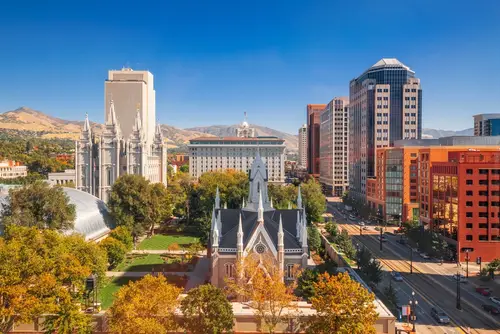
Salt Lake City has experienced strong population growth and a booming tech sector along the Wasatch Front. The influx of workers has created intense competition for housing. Prices climbed rapidly during the early 2020s, making entry-level homes harder to find. Even modest houses often receive multiple offers.
Another challenge is the shrinking supply of smaller homes. Builders increasingly focus on larger suburban houses that deliver higher returns. Construction costs also make small homes less profitable to build. That combination reduces the number of starter homes entering the market.
14. Scottsdale, Arizona
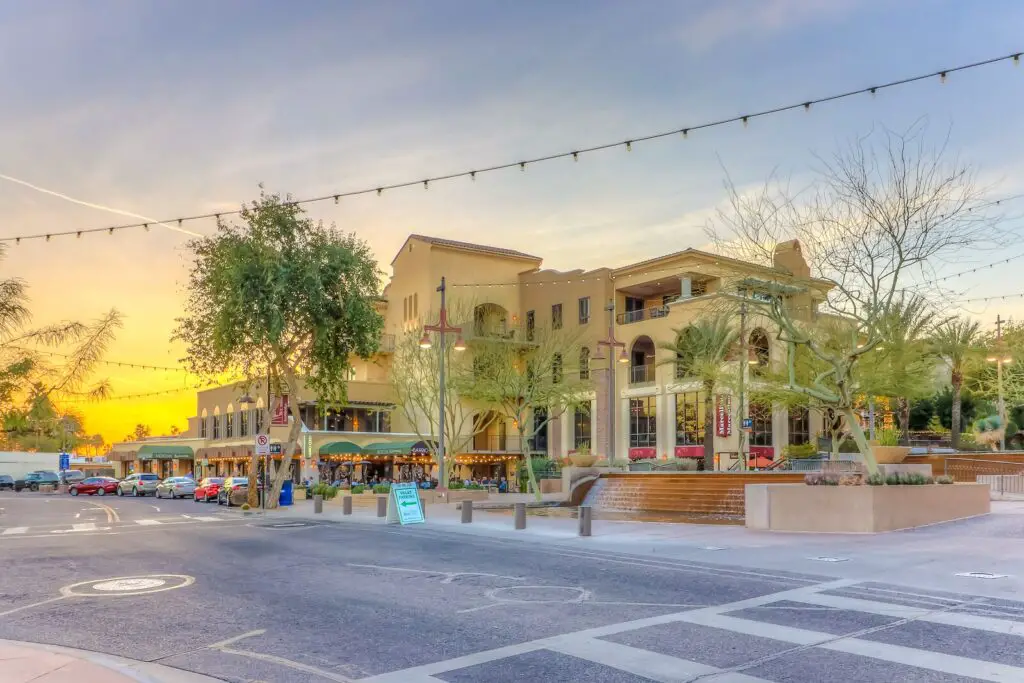
Scottsdale has evolved into a luxury-heavy housing market over the past two decades. The city attracts retirees, second-home buyers, and high-income professionals. As demand for upscale properties grew, developers leaned heavily into higher-end construction. Smaller homes became much less common.
Land values also encourage building bigger homes. When a lot costs a significant amount, builders typically construct large houses to justify the investment. That economic pressure steadily eliminates smaller, entry-level properties. Over time, the housing ladder loses its lowest rung entirely.
This post Where ‘Starter Homes’ Stopped Being a Thing was first published on Greenhouse Black.
