
1. Monetary policy works slowly, not on a stopwatch
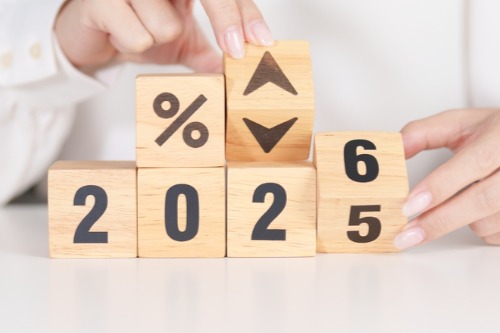
Interest rate changes in the US tend to affect the real economy with long and uneven lags. Businesses don’t cancel or start projects overnight just because the Federal Reserve moves rates. Households also take time to feel the impact through mortgages, car loans, and job conditions. That delay means markets often react before the economy actually does.
By 2026, much of the impact from decisions made in prior years is more likely to be visible in earnings and employment data. Investors who wait for clean confirmation often miss how these effects compound quietly. Patience allows those lags to resolve without overreacting to every headline. That’s a strong reason this period could reward staying invested rather than jumping in and out.
2. Corporate investment cycles tend to show up late
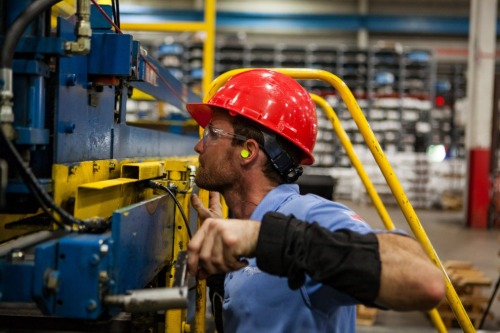
US companies plan capital spending years in advance, especially in manufacturing, energy, and infrastructure. Projects announced earlier in the decade often don’t contribute meaningfully to profits until much later. This can make near-term growth look weaker than the underlying trajectory. Markets don’t always price that gap correctly.
By 2026, many of those long-cycle investments are more likely to be operational. That can support steadier cash flows instead of sudden spikes. Investors who remain patient can benefit as results finally catch up with plans. Trying to time the exact moment those gains appear is far harder than staying the course.
3. Earnings normalization favors endurance over precision
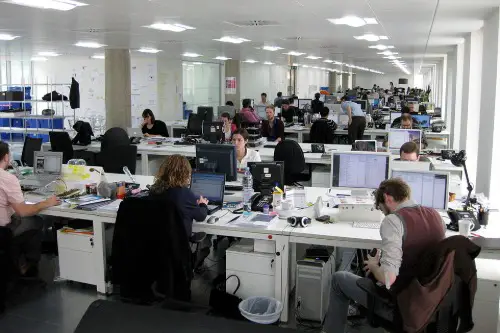
Corporate earnings in the US move in cycles, especially after periods of disruption. Following unusual profit surges or drops, margins often normalize gradually. Analysts frequently revise forecasts multiple times during this process. Short-term disappointments are common even when long-term trends remain intact.
A patient approach allows time for earnings paths to stabilize. By 2026, year-over-year comparisons may look more ordinary and easier to interpret. That tends to reduce extreme market reactions. Investors who avoid constant repositioning may capture more of the recovery.
4. The housing market adjusts in years, not quarters
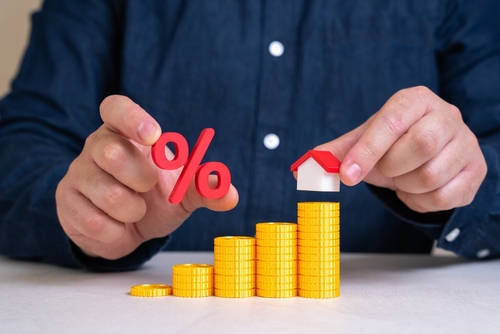
Housing is a major driver of the US economy, but it responds slowly to financial conditions. Construction, inventory, and household formation all take time to adjust. Even when mortgage rates change, buying behavior doesn’t instantly follow. This creates long stretches of uncertainty.
By 2026, supply and demand dynamics may look clearer than they do during transition periods. Builders and buyers will have had time to adapt to new norms. Patience helps investors avoid overreacting to monthly data releases. That makes housing-related exposure easier to hold through volatility.
5. Inflation trends reward those who wait them out
Inflation often cools or heats in waves rather than straight lines. Short-term data can swing due to energy prices, weather, or supply disruptions. These swings frequently drive market anxiety out of proportion to long-term trends. Chasing each data point rarely works well.
Over time, broader inflation forces tend to assert themselves more clearly. By 2026, longer-term pricing trends may be easier to assess than during periods of transition. Patient investors can benefit from letting those trends settle. Timing trades around inflation prints is usually far less reliable.
6. Bonds once again pay investors to be patient

After years of very low yields, US fixed income has offered more meaningful income. That income accumulates over time, not through rapid trading. Price volatility still exists, but coupons provide a cushion. This changes the role bonds can play in a portfolio.
Holding bonds patiently allows income to do more of the work. By 2026, reinvestment and compounding may matter more than short-term price moves. Investors who constantly trade can undermine that benefit. Steady ownership aligns better with how bonds actually generate returns.
7. Diversification shows its value over full cycles
Diversification rarely looks impressive in any single year. Different assets take turns leading and lagging, which can test investor confidence. In the US market, leadership has historically rotated across sectors. Those rotations are hard to predict precisely.
Over multi-year periods, diversification tends to smooth outcomes. By 2026, several asset classes may have had their moment. Patient investors are more likely to experience the full benefit of balance. Market timing often concentrates risk at the wrong moment.
8. Behavioral mistakes are easier to avoid with patience
Many investing errors come from reacting emotionally to short-term noise. Fear and excitement are powerful, especially during volatile periods. Acting on those emotions often leads to buying high and selling low. This pattern is well documented in US investor behavior.
Patience acts as a practical defense against those mistakes. By focusing on longer horizons, investors reduce the urge to constantly act. That restraint can improve outcomes more than clever timing. In that sense, patience itself becomes a strategy.
9. Policy uncertainty tends to fade with time

US fiscal and regulatory debates can create market anxiety. Proposals often sound dramatic before details are settled. Markets frequently price worst-case scenarios that never fully materialize. This can lead to temporary dislocations.
By 2026, many policy questions may be clearer or already absorbed. Investors who wait through uncertainty often find outcomes less extreme than feared. Patience allows time for reality to replace speculation. That reduces the need for constant repositioning.
10. Technology adoption follows long arcs

Technological change in the US economy unfolds over decades, not months. New tools take time to integrate into workflows and business models. Early enthusiasm often overshoots actual near-term results. Disappointment can follow before real gains appear.
Patient investors are better positioned to benefit from eventual productivity improvements. By 2026, some technologies may be delivering more tangible value. That payoff rarely arrives on a precise schedule. Staying invested increases the chance of capturing it.
11. Time in the market compounds small advantages
Compounding doesn’t depend on perfect entry points. It depends on staying invested long enough for gains to build on themselves. Even modest returns can add up meaningfully over several years. Frequent timing attempts interrupt that process.
Looking toward 2026, the accumulation of steady decisions may matter more than any single call. Patience keeps the compounding engine running. Timing, by contrast, introduces friction and regret. Over time, the quieter approach often wins.
This post Why 2026 Could Reward Patience More Than Timing was first published on Greenhouse Black.
