
1. Vintage Smartphones and Early Mobile Phones
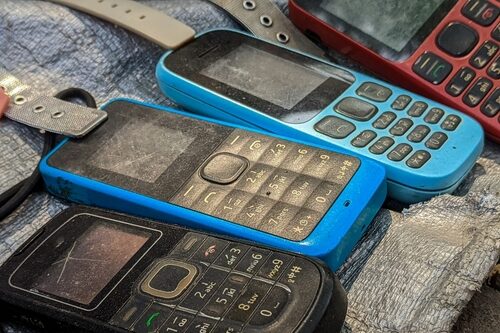
Old phones are being reclaimed quickly because they contain valuable metals like gold, cobalt, and palladium. As mining gets more expensive and environmentally fraught, recycling these materials makes real economic sense. Many early smartphones are also no longer supported, so they end up funneled into formal e-waste programs. That combination of value and obsolescence is driving rapid recovery.
There’s also a cultural angle that’s easy to overlook. Early iPhones, BlackBerrys, and even flip phones have become artifacts of recent history. Museums, collectors, and even tech companies want them back for archives and exhibits. That demand means fewer of them sit forgotten in drawers.
2. CRT Televisions and Monitors

Those bulky old TVs are disappearing fast, and it’s not just because people hate carrying them. CRTs contain leaded glass, which makes them hazardous to landfill and a priority for regulated recycling. Many regions now require proper disposal, accelerating their collection. Recycling programs are actively pulling them out of circulation.
At the same time, some parts are surprisingly desirable. Retro gamers seek CRTs for their low input lag and authentic display quality. That niche demand has made working units scarce almost overnight. As a result, both recyclers and enthusiasts are snapping them up quickly.
3. Antique Wooden Furniture
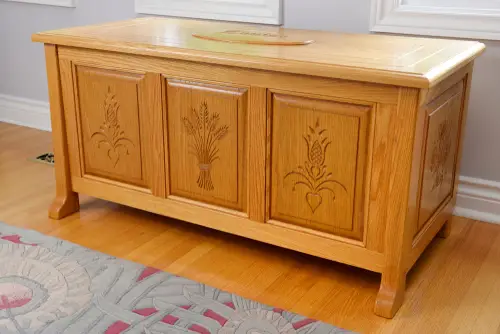
Solid wood furniture from earlier decades is being reclaimed because it’s built from materials that are now rare or expensive. Old-growth hardwoods like oak, walnut, and mahogany aren’t commonly used in mass production anymore. Reclaiming older pieces is often cheaper than sourcing new premium lumber. Craftspeople value the durability and character of aged wood.
There’s also a design shift happening. Many homeowners prefer restoration over buying flat-pack furniture that won’t last. Older furniture can be refinished, resized, or repurposed with relative ease. That adaptability keeps it in high demand.
4. Vinyl Records
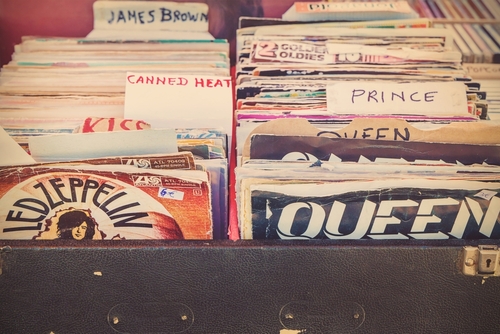
Vinyl’s resurgence is well documented, and it’s driving aggressive reclamation. Records that once sold for pennies at yard sales now have real resale value. Independent shops actively buy used collections to meet demand. Even scratched or warped records can be valuable for rare pressings.
Beyond nostalgia, there’s a practical reason too. Vinyl production is limited by pressing plant capacity, which hasn’t scaled quickly. That bottleneck makes older records an important supply source. As a result, collections don’t linger long before being reclaimed.
5. Typewriters
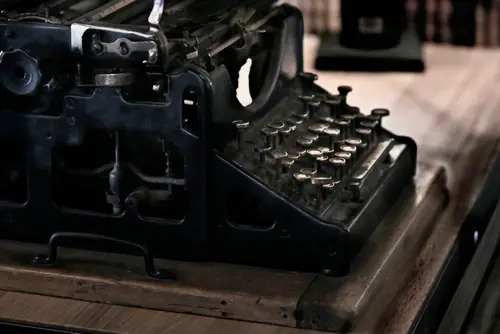
Typewriters are being reclaimed faster than most people expect. Writers, artists, and collectors prize them for their tactile feel and mechanical reliability. Unlike modern electronics, they don’t depend on software updates or batteries. That makes them oddly future-proof.
They’re also being used in unexpected ways. Coffee shops, galleries, and events rent them out for interactive experiences. Replacement parts are finite, so intact machines are especially valuable. This has created a steady pull on remaining stock.
6. Cast Iron Cookware
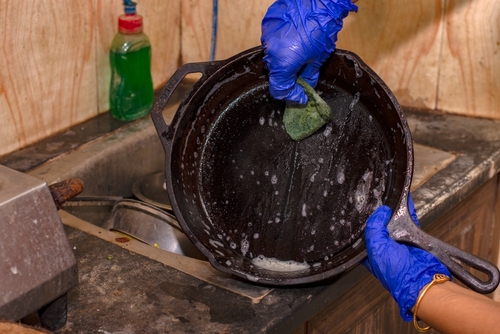
Old cast iron pans are reclaimed quickly because they’re often better than new ones. Many were made before modern casting shortcuts, resulting in smoother cooking surfaces. With proper care, they can last generations. That longevity makes them highly desirable.
There’s also a knowledge shift at play. More people understand how seasoning works and why older pans excel. Online communities have made restoration approachable for beginners. That shared expertise fuels demand and rapid reclamation.
7. Film Cameras

Analog photography has come back in a big way, and film cameras are central to that trend. Many models from the 1970s through 1990s were built to professional standards. Once serviced, they perform as well as they ever did. That reliability makes them worth reclaiming.
Supply, however, is shrinking. Manufacturers no longer produce most film camera parts. Working units are finite, and broken ones are often stripped for repairs. This scarcity pushes people to reclaim them quickly when they surface.
8. Old Coins and Paper Currency
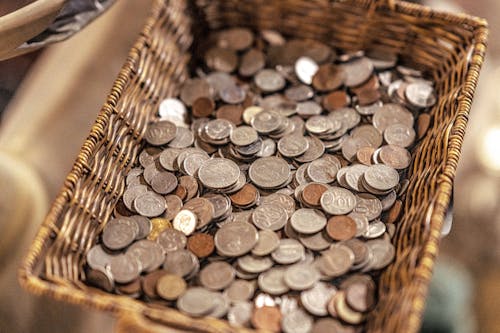
Coins and currency are reclaimed fast because they’re literally money, just in a different form. Precious metal content in older coins can exceed their face value. Even paper bills are collectible based on age, rarity, and condition. That makes them easy targets for reclamation.
There’s also a historical incentive. Governments and institutions recover old currency to preserve monetary history. Collectors actively search estate sales and old safes. Once found, these items rarely re-enter general circulation.
9. Architectural Salvage Materials
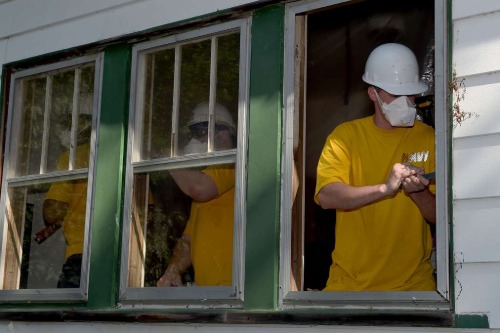
Items like old doors, windows, and hardware are being reclaimed at record speed. Many were made with craftsmanship that’s expensive to replicate today. Salvaged materials offer character that new construction often lacks. Builders and homeowners seek them out for renovations.
There’s an environmental motivation too. Reusing architectural elements reduces waste and lowers the carbon footprint of building projects. Salvage yards have waiting lists for certain items. That demand ensures quick reclamation whenever buildings are demolished.
10. Mechanical Watches
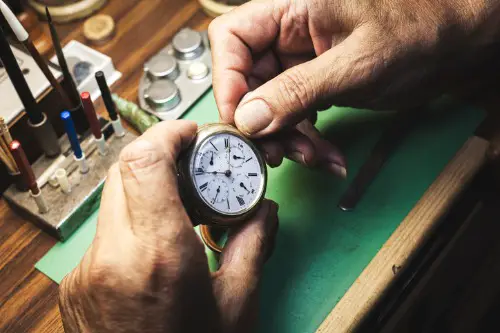
Mechanical watches are being reclaimed because they represent lasting value in a disposable age. Well-made movements can run for decades with proper servicing. Brands and independent watchmakers actively buy back older models. This keeps supply moving quickly.
They also carry emotional and financial weight. Many are inherited, restored, and resold rather than discarded. As smartwatches dominate daily wear, mechanical pieces stand out as craftsmanship objects. That distinction fuels ongoing reclamation.
11. Old Tools and Workshop Equipment
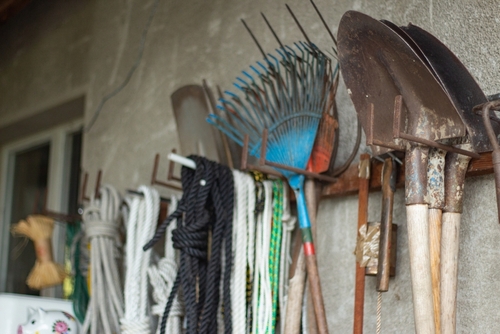
Hand tools from earlier eras are prized for their steel quality and simplicity. Many were forged or machined to standards that are costly today. Woodworkers and metalworkers actively seek them out. This keeps old tools from sitting unused for long.
There’s also a reliability factor. Older tools are easier to repair and maintain. They don’t rely on proprietary electronics or software. That practicality makes reclaiming them a smart choice.
12. Books from Out-of-Print Editions

Out-of-print books are reclaimed quickly because scarcity drives value. Academic texts, special editions, and banned or revised works are especially sought after. Libraries, collectors, and resellers all compete for them. Once identified, they move fast.
Digital availability hasn’t reduced this demand as much as expected. Physical copies often contain original layouts, illustrations, or annotations. Some readers simply prefer print permanence. That preference keeps reclamation brisk.
This post Why Certain Old Items Are Being Reclaimed Fast was first published on Greenhouse Black.
