
1. Vinyl records
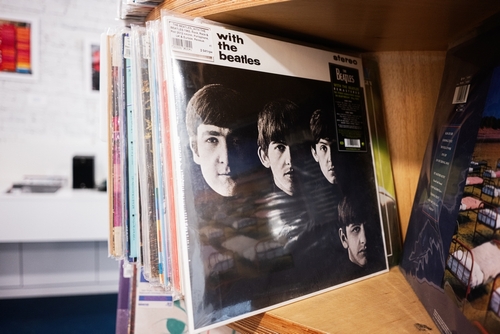
Vinyl records feel important again because people want a physical relationship with music, not just access to it. Records slow listening down, forcing you to choose an album, flip sides, and stay present. Vinyl sales have been growing steadily since the early 2010s, even as streaming dominates daily listening. That growth reflects a desire for intentional, tactile experiences.
There’s also a sound argument that’s easy to check. Vinyl playback preserves a different dynamic range and mastering approach than many compressed digital releases. Record sleeves offer liner notes, artwork, and credits that streaming interfaces often hide. Together, those details make vinyl feel less like content and more like a cultural artifact.
2. Mechanical wristwatches
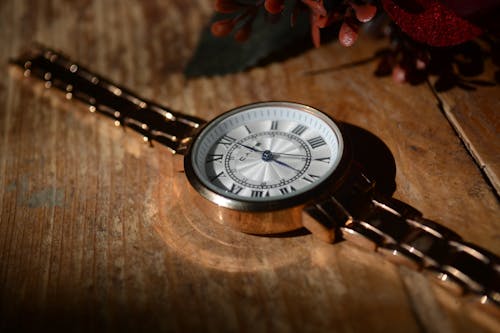
Mechanical wristwatches suddenly matter again because phones made timekeeping invisible. When everyone carries a screen that tells perfect time, a watch becomes about craftsmanship instead. Mechanical movements are powered by springs and gears, not batteries, which makes their longevity measurable and impressive. Many watches from the mid-20th century still function today with routine servicing.
There’s also a reliability angle people are rediscovering. A mechanical watch works without charging, software updates, or connectivity. In an era of planned obsolescence, that permanence feels meaningful. Wearing one is a small daily reminder that not everything needs an app.
3. Paper notebooks
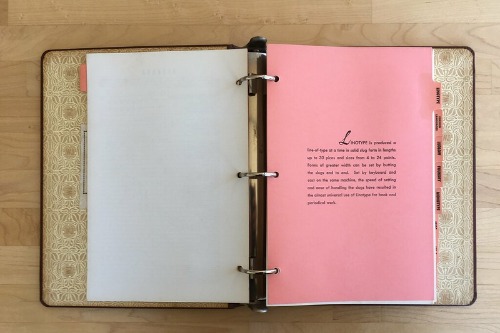
Paper notebooks are resurging because digital life is crowded and distracting. Writing by hand improves memory retention and conceptual understanding, something cognitive research has consistently shown. A notebook can’t buzz, refresh, or pull you into another task. That limitation is exactly the point.
They also provide a durable personal record. Notes written years ago remain readable without needing a login or file format. Margins, crossed-out thoughts, and sketches preserve how ideas actually formed. That authenticity makes notebooks feel quietly important again.
4. Film cameras

Film cameras feel relevant again because they impose consequences. Each roll has a fixed number of exposures, which forces deliberation before pressing the shutter. Film photography has seen renewed interest among younger photographers who grew up shooting unlimited digital images. Labs and film manufacturers have expanded services to meet that demand.
There’s a technical reason this matters. Film responds to light differently than digital sensors, especially in highlights and grain structure. The waiting period between shooting and developing builds anticipation and reflection. That slower process gives images emotional weight that instant previews often lack.
5. Cast iron cookware
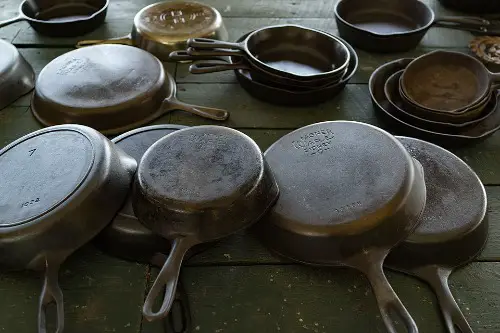
Cast iron pans are important again because people are cooking at home more intentionally. Properly seasoned cast iron creates a naturally nonstick surface without synthetic coatings. These pans can last generations, and many families still use ones made decades ago. That durability contrasts sharply with disposable kitchen gear.
There’s also a health and sustainability angle. Cast iron avoids chemical coatings that can degrade over time. It can be used on stovetops, ovens, grills, and even campfires, making it versatile. The pan’s weight and care requirements encourage respect rather than convenience.
6. Typewriters
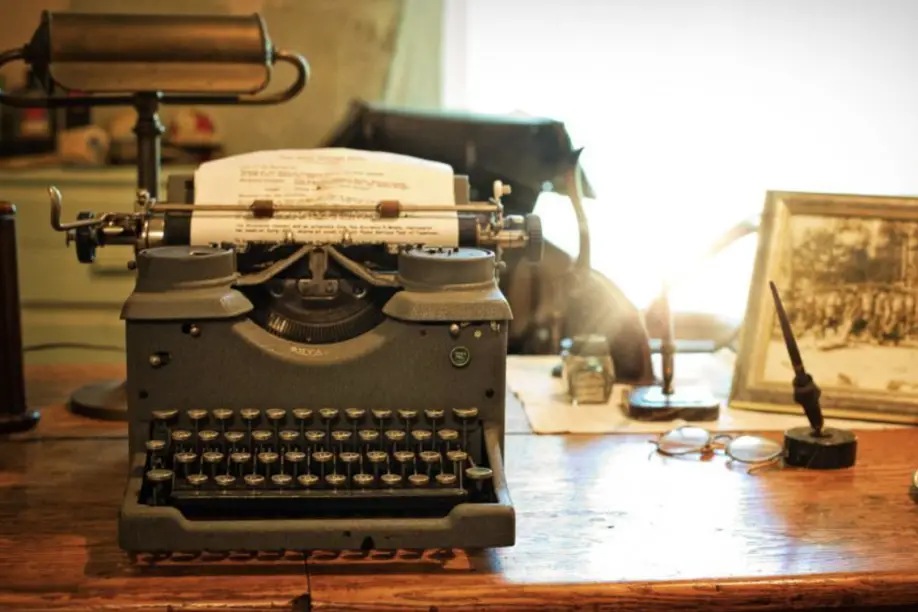
Typewriters are reappearing because they offer focused writing without digital noise. Each keystroke is final, which changes how writers think and revise. Sales of refurbished and newly manufactured typewriters have risen in recent years. That trend is driven by writers, artists, and people seeking distraction-free tools.
There’s also a preservation benefit. Typed pages exist independently of software or cloud storage. A typewriter cannot crash or auto-delete your work. That reliability gives it renewed importance in an unstable digital landscape.
7. Paper maps

Paper maps matter again because GPS has made people passive navigators. Reading a map builds spatial awareness and a sense of scale that turn-by-turn directions erase. Outdoor recreation, especially hiking and road tripping, has surged in recent years. In those contexts, paper maps remain essential backups.
They’re also resilient in ways digital tools are not. Paper maps don’t rely on batteries, signals, or subscriptions. They show entire regions at once, helping users understand relationships between places. That big-picture thinking feels newly valuable.
8. Libraries
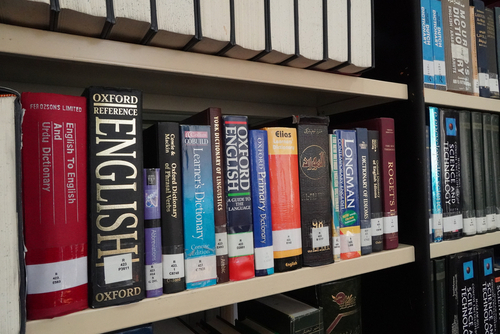
Libraries feel important again as public, non-commercial spaces. They offer books, internet access, archives, and community programs without requiring purchases. Usage has shifted toward digital lending and coworking, but physical buildings remain heavily used. Libraries are one of the few places where presence doesn’t equal spending.
They also preserve knowledge in stable formats. Physical books and archives protect against data loss and platform shutdowns. Librarians provide expertise that algorithms can’t replicate. That human guidance has regained significance.
9. Fountain pens

Fountain pens are back because people miss the physical act of writing. These pens use liquid ink and pressure-sensitive nibs, making handwriting expressive. Many models are refillable and designed to last decades. That longevity contrasts with disposable plastic pens.
There’s also a practical craftsmanship reason. Fountain pens reduce hand fatigue by requiring less pressure. Ink choices allow customization without replacing the pen itself. Writing becomes a ritual rather than a task.
10. Printed photo albums
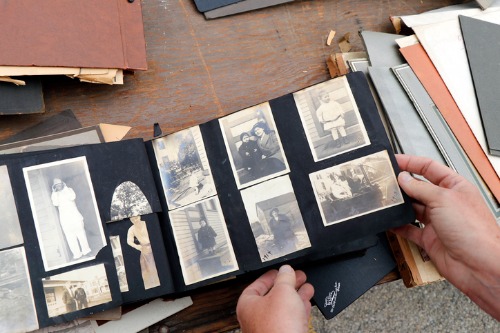
Printed photo albums feel important again as digital photos pile up unseen. People take thousands of images that never leave their phones or cloud accounts. Physical albums curate moments into a narrative. That act of selection gives memories structure.
There’s also a longevity factor. Printed photographs don’t depend on file formats or storage services. Albums can be shared across generations without passwords. They turn personal history into something visible and lasting.
11. Bicycles
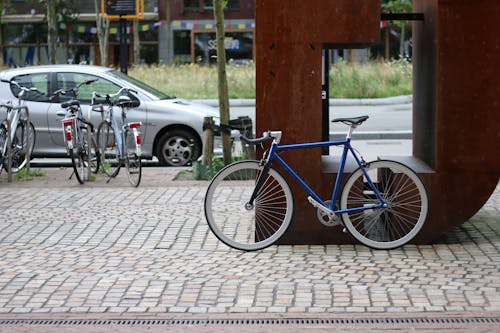
Bicycles matter again as cities rethink transportation. They are efficient, affordable, and produce no emissions during use. Urban bike infrastructure has expanded significantly in many countries. That investment reflects changing priorities around health and climate.
They also represent personal agency. A bicycle doesn’t require fuel, charging, or insurance in many places. Maintenance is understandable and hands-on. Riding one reconnects people to distance and effort.
12. Printed books

Printed books feel newly important because digital reading can feel ephemeral. A physical book marks progress with weight and wear. Print sales have remained resilient despite decades of e-readers. Many readers report better focus with paper pages.
There’s also ownership involved. A printed book can’t be remotely altered or removed. Marginal notes and dog-eared pages record interaction over time. That permanence builds trust in the object.
13. Antique furniture

Antique furniture feels relevant again as people question fast manufacturing. Older pieces were often made from solid wood and designed to be repaired. Many antiques have already outlasted multiple generations. Their survival is measurable proof of quality.
There’s also an environmental reason. Reusing existing furniture reduces demand for new resource extraction. Older designs avoid trend cycles, giving rooms a sense of continuity. That stability feels comforting in uncertain times.
This post Why Certain Old Objects Suddenly Feel Important Again was first published on Greenhouse Black.
