
1. Paging Through Mail-Order Catalogs
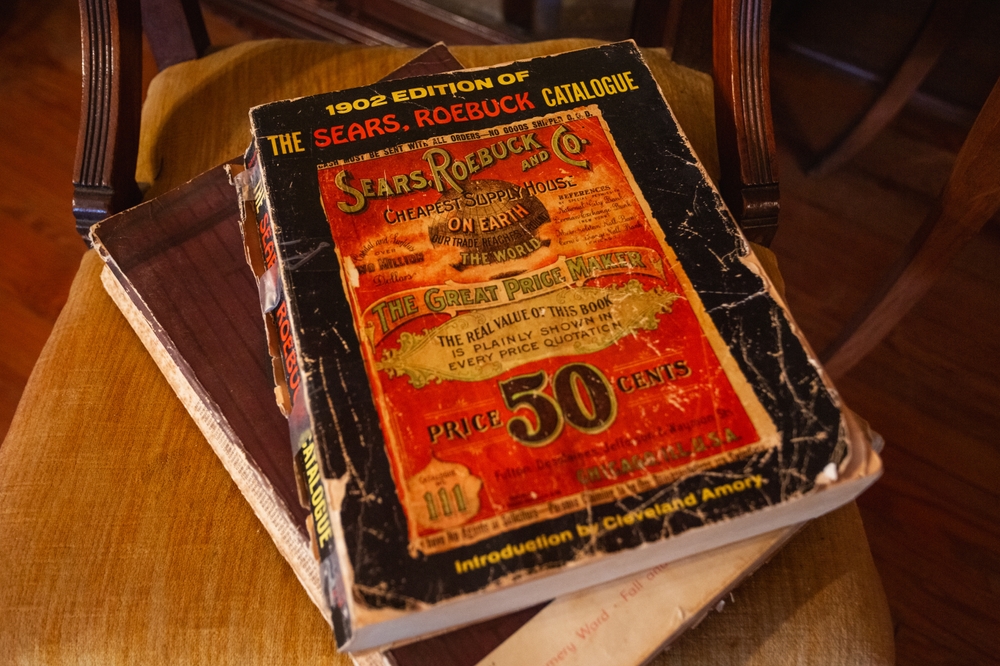
Thick mail-order catalogs once functioned as wish books and practical guides. Families dog-eared pages and debated purchases at the kitchen table. The iconic catalog from Sears reached millions of rural homes. Browsing was an event that blended fantasy with budgeting.
Big-box retail and later e-commerce made instant selection the norm. Waiting weeks for delivery felt increasingly archaic. The shared ritual of catalog browsing faded into solitary scrolling. Its disappearance tracks how patience lost cultural value.
2. Milk Delivery at Dawn

For much of the 20th century, milk arriving on the doorstep was as routine as sunrise. Local dairies built trust by delivering glass bottles before families woke up. Companies like Borden helped standardize branded milk in many regions. The ritual anchored mornings around a predictable, shared schedule.
Refrigeration and supermarkets quietly made daily delivery unnecessary. As cars and weekly shopping trips became normal, convenience shifted inside the home. Families didn’t stage a farewell to the milkman; they just stopped expecting the clink of bottles. The change shows how infrastructure can erase a habit without debate.
3. Sharing a Party-Line Telephone

Early home telephones often shared a single line among multiple households. Neighbors learned each other’s ring patterns and etiquette to avoid eavesdropping. The expanding network run by AT&T made these communal lines technically feasible. Using the phone was a small social performance, not a private act.
As switching technology improved, private lines became affordable and expected. People gradually preferred confidentiality over the novelty of shared access. The social choreography of waiting your turn simply evaporated. Few mourned it, even though it once structured neighborhood interaction.
4. Quiet Sundays Under Blue Laws

Many towns once treated Sundays as near-universal days of commercial quiet. Closed storefronts signaled a collective pause rather than inconvenience. Even services like United States Postal Service historically limited Sunday operations. The rhythm reinforced a shared civic calendar.
Legal changes and consumer demand steadily normalized seven-day commerce. Retail competition reframed Sunday as opportunity instead of exception. Communities adapted without formal ceremonies marking the shift. The ritual dissolved as economic logic overrode tradition.
5. Making a Collect Call

Calling collect let callers shift phone charges to the recipient. It was a lifeline for travelers short on coins. Long-distance carriers like MCI Communications promoted collect calling as a feature. The practice encoded trust into a billing decision.
Mobile phones and unlimited plans erased the need for billing gymnastics. Paying for your own call became invisible and automatic. The verbal ritual of asking “Will you accept the charges?” vanished. Convenience quietly outpaced the social negotiation.
6. Waiting for Film to Be Developed

Taking photos once meant finishing a roll before seeing any results. Families dropped film at local counters and waited days for prints. Brands like Kodak defined the chemistry and expectations of the process. Anticipation was built into every snapshot.
Digital cameras and smartphones collapsed waiting time to seconds. Instant review changed how people judged and shared memories. The suspense of photo pickup disappeared without protest. Speed reshaped emotional pacing around images.
7. Door-to-Door Encyclopedia Sales

Door-to-door encyclopedia pitches once promised intellectual uplift. Sales reps demonstrated volumes like symbols of aspiration. Sets from Encyclopaedia Britannica were marketed as lifelong investments. Buying them felt like joining a knowledge club.
Search engines made information retrieval immediate and cheap. Physical reference shelves lost their practical edge. The in-home sales ritual slipped away as research went online. Education culture pivoted faster than nostalgia could react.
8. Friday Night Video Rentals

Choosing a weekend movie once required a trip to a rental store. Families wandered aisles negotiating taste and availability. Chains like Blockbuster standardized the browsing experience nationwide. The outing itself was part of movie night.
Streaming platforms removed scarcity and late fees from the equation. Selection became infinite but solitary. The communal ritual of in-store decision-making faded quickly. Convenience rewrote expectations around entertainment planning.
9. Stopping to Pay Highway Tolls in Cash

Highway travel once required exact change and brief human exchanges. Drivers kept coin trays specifically for toll plazas. Systems like E-ZPass Group later introduced electronic passes. The booth stop punctuated long drives.
Cashless lanes prioritized flow over interaction. Stopping became a relic associated with traffic jams. The tactile ritual of paying a person disappeared. Efficiency steadily outranked ceremony.
10. Circling Newspaper Classifieds

Job seekers once circled classified ads with a pen each morning. Newspapers organized opportunity into dense columns. Papers like The New York Times were central hubs for listings. The search felt methodical and finite.
Online job boards expanded listings beyond physical pages. Alerts replaced the daily scanning habit. The ritual of paper-based hunting dissolved into constant connectivity. Career searching lost its once-daily boundary.
11. Updating a Bank Passbook

Customers once brought passbooks to banks to record transactions. Tellers stamped balances line by line. Institutions like Bank of America used passbooks to visualize savings. The booklet made finances feel tangible.
ATMs and apps shifted records to screens. Real-time balances reduced the need for physical proof. The stamping ritual faded as banking dematerialized. Trust migrated from paper to pixels.
12. TV Stations Signing Off for the Night

Television stations once signed off with an anthem and test pattern. Viewers treated it as a cue that the day was over. Networks like NBC followed formal sign-off routines. Broadcast limits shaped sleep schedules.
24-hour programming eliminated nightly closure. Screens became perpetual companions. The ceremonial end-of-day broadcast vanished quietly. Continuous media erased a shared bedtime signal.
This post Why Certain Rituals Faded From American Life Without Anyone Noticing was first published on Greenhouse Black.
