
1. Equity is valuable, but it isn’t liquid
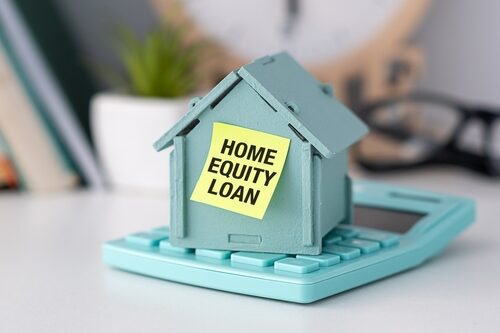
Homeowners often hear that equity equals freedom, but accessing it is complicated. Selling is disruptive, refinancing depends on rates, and home equity loans come with underwriting and fees. You can’t easily tap equity the way you would a savings account. In uncertain markets, that limitation feels sharper.
This illiquidity matters when life throws curveballs like medical expenses or career changes. Owners may be asset-rich on paper but cash-poor in practice. The house can’t quickly respond to new priorities. That makes ownership feel rigid compared to more flexible financial arrangements.
2. Mortgage rates make moving feel like a financial penalty
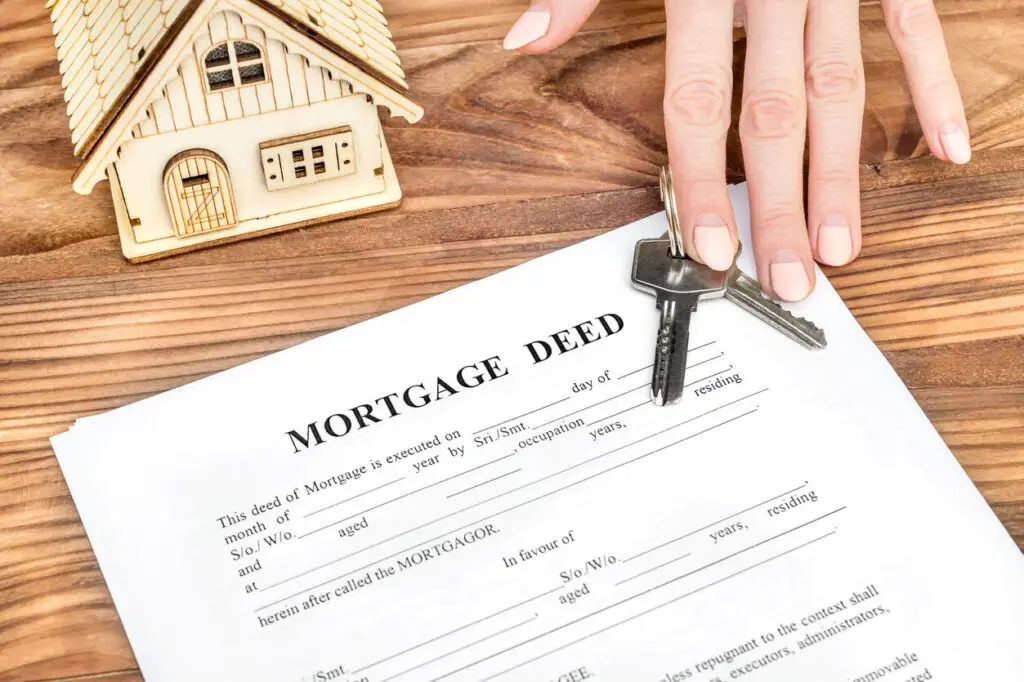
For years, homeowners could trade up or down without dramatically changing their monthly payment. When interest rates rose quickly, that math broke overnight. Many owners now sit on mortgages with rates far below what’s available today. Selling means giving up that rate and locking into a much higher long-term cost.
This creates a “rate lock-in” effect that discourages moves for jobs, family, or lifestyle changes. Even people who want to relocate often feel stuck doing the comparison and closing the spreadsheet. The flexibility to move when life changes has quietly disappeared for many households. Homeownership starts to feel less like an asset and more like a commitment you can’t renegotiate.
3. Transaction costs eat up mobility

Buying and selling a home has always been expensive, but those costs loom larger now. Real estate commissions, transfer taxes, inspections, and closing fees can easily reach five figures. When prices are high, those percentages translate into very real cash losses. That makes short or medium-term ownership feel risky.
Because of this, homeowners feel pressure to “stay long enough” to justify the costs. The home stops being a place you can grow out of and becomes something you must financially amortize. Renting, by comparison, often has a clear and limited exit cost. That contrast makes ownership feel less adaptable to changing circumstances.
4. Property taxes don’t adjust to personal circumstances

Property taxes rise with assessed values, not with income or life stage. A homeowner who bought years ago may see taxes climb even if their earnings don’t. Unlike rent, these increases are not negotiable or optional. They follow the property, not the owner’s situation.
This can make staying put feel financially uncomfortable over time. Downsizing sounds logical, but selling triggers all the other costs and rate issues. The tax burden quietly reduces flexibility year after year. It’s another reminder that owning ties you to systems you can’t easily opt out of.
5. Insurance is getting harder to count on

Home insurance used to be a predictable line item. In many regions, premiums are rising sharply due to climate-related risks and rebuilding costs. Some insurers are pulling out of high-risk areas entirely. Coverage limits and deductibles are also changing.
This uncertainty affects where homeowners can live and how secure they feel staying there. If insurance becomes unaffordable or unavailable, selling may be the only option. That decision is driven by external forces rather than personal choice. Flexibility shrinks when essential protections aren’t stable.
6. HOA rules can limit everyday choices

Many homes today come with homeowners associations. These organizations often regulate rentals, renovations, parking, and even who can live in the home. Rules can change after you buy, sometimes by simple board vote. What felt manageable at purchase can later feel restrictive.
This matters when homeowners want to rent out a room, work on a side project, or adapt the space for new needs. The house may be yours, but the decisions aren’t always. That shared control reduces autonomy. Flexibility fades when permission replaces choice.
7. Zoning and local regulations slow adaptation

Local zoning laws shape what homeowners can do with their property. Adding an accessory dwelling unit, converting space, or running a home-based business may be restricted. Approval processes can take months or years. Not every idea survives that wait.
As housing needs change, these rules limit how quickly owners can respond. A home that could adapt to aging parents or adult children may be legally blocked. The structure stays fixed even as life evolves. That rigidity makes ownership feel less responsive than it once did.
8. Maintenance costs are more unpredictable
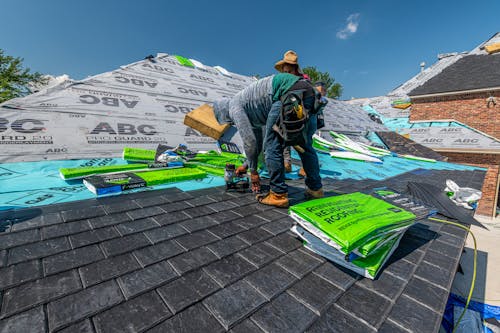
Owning a home means being responsible for everything that breaks. Labor shortages and material costs have made repairs slower and more expensive. Even routine maintenance now comes with sticker shock. Budgeting feels harder than it used to.
When something fails, homeowners can’t simply call a landlord or move on. Repairs demand time, money, and coordination. That obligation ties people more tightly to their property. Flexibility suffers when surprise costs dictate your next move.
9. Job mobility no longer pairs easily with ownership
Work has become more fluid, even with remote options. Some roles still require relocation, travel, or future in-office presence. Owning a home complicates those decisions significantly. Selling or renting out a property isn’t always fast or allowed.
This mismatch affects career growth and risk-taking. Homeowners may pass on opportunities because moving feels too costly or uncertain. The house becomes a factor in professional decisions. That tradeoff makes ownership feel less nimble in a changing job market.
10. Capital gains rules reward staying put

Tax rules provide exclusions for gains on primary residences, but only if timing and use requirements are met. Selling too soon can trigger taxes that reduce proceeds. This encourages longer holding periods by design. The incentive structure favors stability over movement.
While beneficial in some cases, it discourages flexibility. Owners may delay moves to meet thresholds rather than respond to life changes. Financial planning starts driving personal choices. Homeownership becomes something you schedule around, not adapt with.
11. Emotional attachment raises the stakes

Homes aren’t just financial assets; they carry memories and identity. Over time, that emotional weight increases. Selling can feel like losing more than a structure. The decision becomes psychologically harder, not just financially complex.
This emotional friction reduces perceived flexibility. Even when moving makes sense, it feels heavier than it once did. The longer you own, the more intertwined life becomes with the property. That depth of attachment quietly narrows your options.
This post Why Homeownership Is Feeling Less Flexible Than It Used To was first published on Greenhouse Black.
