
1. Repair-First Household Culture
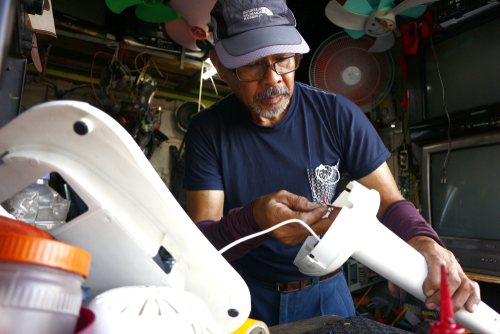
When something broke, the first instinct used to be fixing it, not replacing it. Tools, sewing kits, and basic repair knowledge were common household essentials. Objects were expected to last years, sometimes generations. This mindset encouraged care and maintenance rather than disposal.
Repairing items built practical competence and confidence. It fostered respect for materials and craftsmanship. People formed emotional attachments to possessions that carried history. That relationship with objects reinforced mindfulness about consumption.
2. Shared Family Homes

For most of human history, multiple generations lived under one roof, and that wasn’t just about saving space. Grandparents, parents, and children formed a built-in support system that handled childcare, elder care, and daily chores collectively. This arrangement reduced isolation because someone was almost always around to talk to. It also made knowledge transfer — from cooking to storytelling — a daily occurrence rather than a scheduled event.
Living this way grounded people in a strong sense of continuity. Children saw aging as a natural part of life instead of something distant or hidden. Adults had help during stressful seasons, which eased emotional strain. The home functioned less like a private retreat and more like a shared ecosystem of care.
3. Walking-Centered Daily Life

Before cars reshaped cities, most errands and social visits happened on foot. Markets, schools, and workplaces were often within walking distance by necessity. This routine movement naturally integrated exercise into everyday life without requiring a separate fitness culture. It also meant people experienced their neighborhoods at a human pace.
Walking daily created frequent, casual social interactions that reinforced community bonds. You noticed seasonal changes, familiar faces, and local rhythms more intimately. The slower pace allowed time for reflection between tasks. That constant physical engagement anchored people in their surroundings.
4. Community-Based Food Production
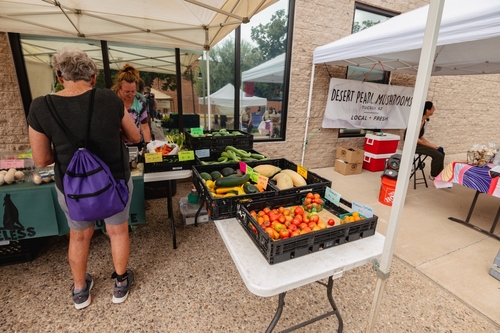
Gardens, small farms, and local food exchanges once provided the majority of meals. Families understood where their food came from because they often planted, harvested, or bartered for it. Seasonal eating wasn’t trendy — it was simply reality. This created a tangible connection between effort and nourishment.
Participating in food production cultivated patience and responsibility. You learned that weather, soil, and time all shaped outcomes. Meals carried a sense of accomplishment because they reflected real labor. That process grounded people in natural cycles rather than instant availability.
5. Regular Communal Meals

Shared meals once functioned as a daily anchor point for families and neighbors. Eating together wasn’t reserved for special occasions — it was routine. Conversation flowed naturally because people gathered without screens competing for attention. These meals structured the day around connection.
Communal dining strengthened emotional bonds through consistent interaction. Conflicts could be addressed in a familiar, supportive setting. Children learned social skills and cultural traditions at the table. That repeated ritual grounded relationships in face-to-face presence.
6. Skill-Based Childhood Participation
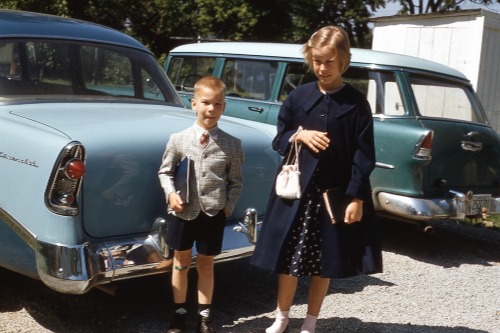
Children historically contributed to household and community work early on. Tasks were scaled to ability, from gathering materials to assisting in cooking. These responsibilities weren’t framed as punishment but as participation. Kids saw themselves as capable contributors.
This involvement built a sense of usefulness and belonging. Skills accumulated gradually through observation and practice. Children developed resilience by navigating real tasks with real stakes. That experience grounded their confidence in tangible competence.
7. Seasonal Work Rhythms
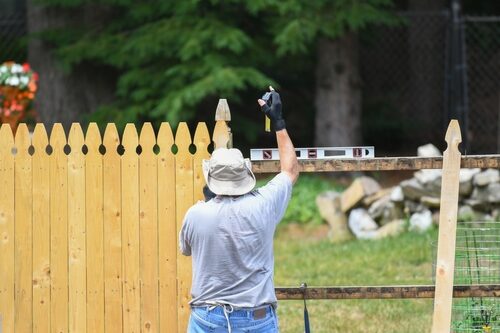
Work patterns once followed daylight and seasonal demands more closely. Agricultural and craft cycles created busy and quiet periods throughout the year. Rest was naturally integrated when conditions limited activity. The rhythm aligned human effort with environmental realities.
These cycles helped people respect limits rather than push constant productivity. Anticipation of slower seasons encouraged planning and reflection. Communities synchronized their energy around shared timelines. That ebb and flow grounded expectations in nature’s pace.
8. Local Craft and Trade Networks

Communities relied heavily on nearby artisans for tools, clothing, and repairs. Blacksmiths, tailors, and carpenters were known personally rather than anonymously. Transactions often involved trust and long-term relationships. Goods reflected individual craftsmanship rather than mass production.
This proximity fostered accountability and pride in workmanship. People understood the labor behind everyday items. Supporting local trade reinforced interdependence within the community. That system grounded economies in human relationships instead of distant supply chains.
9. Evening Social Gatherings

Before electric lighting extended productivity, evenings often centered on social time. Families and neighbors gathered to talk, play music, or share stories. These gatherings marked a clear transition from work to rest. The atmosphere encouraged presence over distraction.
Regular social evenings strengthened communal identity. Oral storytelling preserved history and cultural values. Laughter and shared entertainment reduced stress after demanding days. That nightly ritual grounded emotional well-being in collective relaxation.
10. Nature-Integrated Living Spaces

Homes were historically designed around local climate and materials. Courtyards, porches, and open ventilation connected indoor life with outdoor conditions. People adjusted behavior according to weather instead of sealing themselves away. Nature wasn’t background scenery — it shaped daily routines.
This proximity cultivated environmental awareness. Seasonal changes influenced clothing, chores, and social patterns. Families developed practical knowledge about local ecosystems. That integration grounded daily life in real environmental feedback.
11. Ritualized Weekly Rest
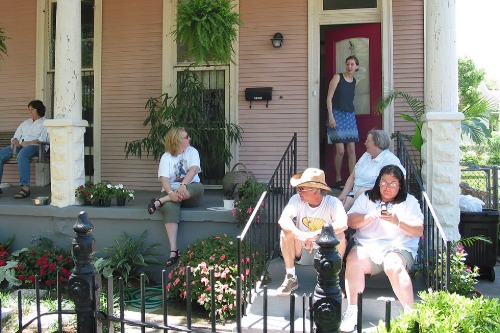
Many cultures observed structured rest days that paused normal labor. These days weren’t optional breaks but socially reinforced rhythms. Activities focused on reflection, worship, or family time. The pause created a predictable reset in the weekly cycle.
Regular rest normalized boundaries around work. Communities synchronized downtime, making it easier to disconnect collectively. Reflection periods encouraged perspective beyond immediate tasks. That intentional pause grounded people in balance rather than constant motion.
This post Why Old Living Patterns Felt More Grounded was first published on Greenhouse Black.
