
1. Fuel Costs Feel Less Predictable
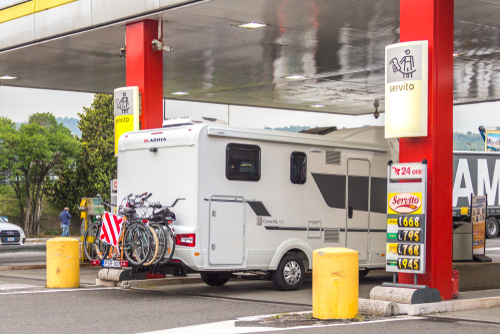
Fuel prices swing more sharply now, and RVs feel every cent because of their size and weight. A long-distance trip that once felt predictable can suddenly cost hundreds more than planned. That unpredictability adds stress before you even turn the key. It makes casual detours feel like financial gambles.
This matters because fuel is one of the few RV expenses you can’t avoid or easily substitute. Even modest increases hit harder when you’re filling a 40- to 100-gallon tank. Travelers now plan routes around fuel stops more carefully than scenery. That shift subtly changes the spirit of RV travel.
2. Campgrounds Book Up Faster and Further Out
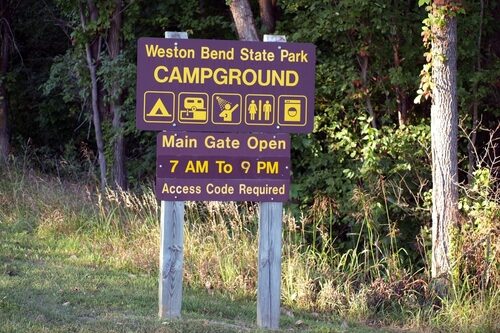
Popular campgrounds now require reservations weeks or even months in advance. The rise of remote work and full-time RV living has increased competition for the same finite spaces. Showing up and hoping for a vacancy is far less reliable than it used to be. That removes some of the spontaneity many people associate with RV travel.
There’s a reason this feels unforgiving: when you miss out, there may be no nearby backup. Large rigs can’t easily squeeze into overflow or improvised spots. Private campgrounds fill the gap, but often at much higher nightly rates. The pressure to plan ahead makes mistakes more costly.
3. RVs Are More Technically Complex

Modern RVs include multiple slide-outs, advanced electrical systems, and integrated digital controls. These features improve comfort but introduce more potential points of failure. A small sensor issue can disable a major system. What once might have been a simple fix can now require specialized knowledge.
This complexity matters because troubleshooting on the road is harder than at home. Many RV owners aren’t equipped to diagnose modern systems themselves. Authorized service centers are fewer and farther between than general mechanics. When something breaks, you feel stuck faster.
4. Repairs Take Longer Than They Used To

RV repair shops are often backed up for weeks, especially during peak travel seasons. Parts shortages and supply chain delays have made waits longer and less predictable. Even minor issues can sideline a trip indefinitely. That uncertainty raises the emotional stakes of every mechanical problem.
The reason this hits harder now is that RVs are both vehicles and homes. Waiting for repairs means losing transportation and shelter at the same time. Hotels and rentals add unplanned costs. The margin for error feels thinner than before.
5. Roads Are Busier and Less Forgiving
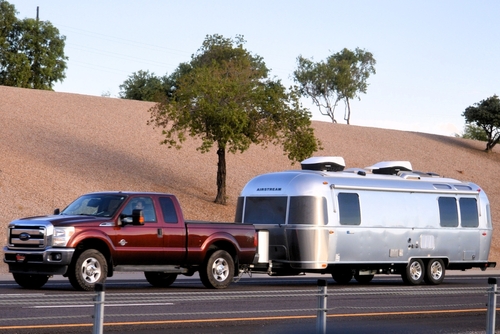
Traffic congestion has increased on many highways and secondary roads. RVs require more space, longer stopping distances, and calmer driving conditions. Busy roads amplify every mistake, yours or someone else’s. A stressful drive can overshadow an otherwise great destination.
This matters because fatigue sets in faster under constant vigilance. What used to be a relaxed cruising day now demands sustained focus. Construction zones and aging infrastructure add to the challenge. The road itself feels less welcoming to big, slow-moving vehicles.
6. Weather Extremes Are Harder to Ignore
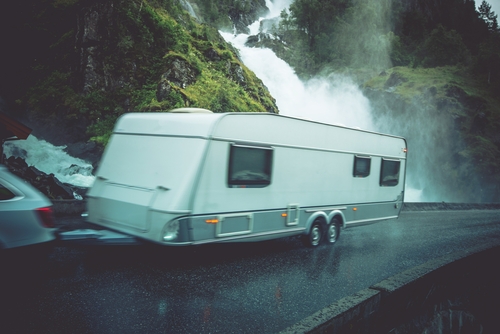
Heat waves, wildfires, heavy rain, and high winds are more common in many regions. RVs are especially vulnerable to extreme temperatures and sudden weather changes. Smoke, flooding, or wind advisories can shut down plans quickly. There’s less room to “ride it out” comfortably.
The unforgiving part is how directly weather affects daily living. Cooling an RV in extreme heat strains electrical systems and budgets. Poor air quality limits outdoor time and ventilation. Weather planning is no longer optional, it’s essential.
7. Connectivity Is Expected, Not Optional

Many travelers now rely on consistent internet for work, navigation, and communication. Dead zones feel more disruptive than they once did. A campground without reliable cell service can derail workdays or travel plans. That dependence adds pressure to choose locations carefully.
This matters because RV travel used to embrace disconnection. Now, being offline can carry real consequences. Signal boosters and data plans add complexity and cost. The freedom of the road comes with new digital strings attached.
8. Rules, Fees, and Restrictions Have Increased
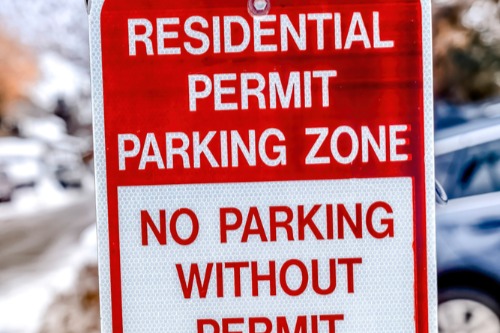
Overnight parking rules are more strictly enforced in many cities and towns. Public lands often require permits or have new use limits. Fees for entry, camping, and dumping have gone up across the board. Ignorance of local rules can lead to fines or forced moves.
These changes matter because flexibility used to be a safety net. When options are restricted, mistakes compound quickly. A missed permit or closed area can leave you scrambling. The system feels less forgiving of learning as you go.
9. Bodies Don’t Bounce Back as Easily

Many long-time RV travelers are simply older than they used to be. Long driving days, tight turns, and constant setup take a physical toll. Minor aches can turn into trip-altering issues. Recovery time matters more now.
This is important because RV travel is physically demanding. Hitching, leveling, dumping tanks, and maintenance all require effort. When energy is limited, mistakes increase. The lifestyle feels less patient with physical limits.
10. Costs Add Up Faster Than Expected

Insurance, registration, storage, and maintenance costs have all trended upward. Even when fuel is stable, other expenses creep in. Budget overruns happen quietly and quickly. That financial pressure reduces tolerance for surprises.
The reason this feels harsher now is cumulative impact. Each individual increase may be manageable, but together they squeeze flexibility. Unexpected costs limit how long or how far you can travel. The buffer that once absorbed mistakes is thinner.
11. Expectations Are Higher Than Reality

Social media showcases RV life as endlessly scenic and stress-free. Real travel includes breakdowns, bad weather, and crowded stops. When reality doesn’t match the image, frustration sets in faster. Small problems feel bigger under that contrast.
This matters because mindset affects resilience. Unrealistic expectations reduce patience for normal challenges. The road hasn’t necessarily become crueler, but tolerance has changed. When joy depends on perfection, the journey feels less forgiving.
This post Why RV Travel Feels Less Forgiving Than It Once Did was first published on Greenhouse Black.
