
1. Everyone Was Within Earshot
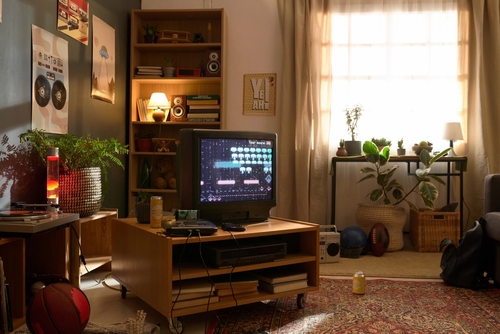
Simpler homes used to have fewer rooms and more shared space, which naturally kept people closer together. That tighter layout meant you always knew who was home and roughly where they were. When everyone shared sightlines and sounds, surprises were rare. Psychologically, predictable proximity reduces anxiety because the environment feels legible.
You could hear doors open, footsteps in the hall, and the kettle boiling without trying. Those constant cues acted like a low-level security system for your brain. Modern sprawling layouts can dilute that awareness, even if they’re beautiful. In simpler homes, that clarity translated into a steady sense of safety.
2. Clutter Didn’t Hide Surprises

Older, simpler interiors often had fewer possessions competing for attention. With less visual clutter, it was easier to notice when something was out of place. That baseline familiarity made changes feel immediately detectable. Human perception is tuned to patterns, and stable patterns signal safety.
If a chair was moved or a window left open, you spotted it instantly. That quick recognition reduces the mental load of constant scanning. Today’s dense decor can hide small anomalies in plain sight. Minimal environments quietly reassure you that nothing unusual is happening.
3. Security Was Visible and Tangible
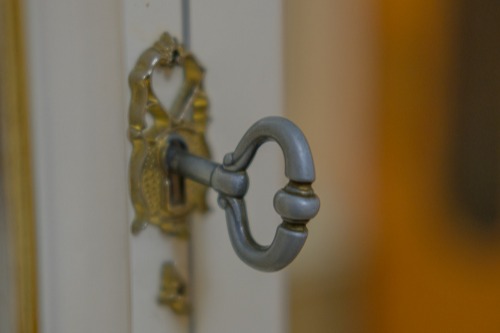
Simpler homes typically relied on straightforward mechanical locks and doors. Because the systems were visible, you understood exactly how they worked. Transparency in function builds trust in the environment. There’s comfort in knowing what protects you without mystery.
You could see the bolt slide and feel it engage with a solid click. That tactile feedback confirmed the barrier was real. Digital systems can be secure, but they’re abstract to the senses. Physical confirmation reinforces a gut-level feeling of protection.
4. Boundaries Were Clearly Defined
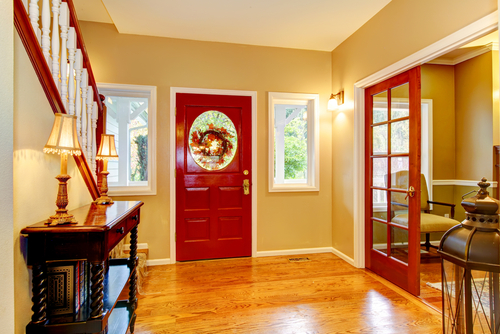
Many simpler homes had clear boundaries between public and private zones. Entryways, doors, and small hallways created intentional transitions. These thresholds signaled when you were entering a protected area. Environmental psychology shows boundaries help people relax.
Closing a door was a meaningful act, not just a design feature. That ritual marked the shift from outside concerns to inside calm. Open-concept living softens those signals. Defined edges made the interior feel like a true refuge.
5. Lighting Made the Space Readable
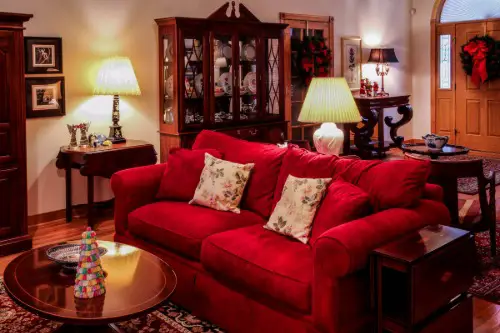
Lighting in simpler homes was often localized and purpose-driven. Pools of warm light created clear zones of activity. Bright, focused illumination reduces uncertainty about what’s around you. Our brains associate well-lit spaces with lower risk.
A lamp by the chair or stove highlighted exactly what mattered. Shadows stayed predictable because the layout was consistent. Overly complex lighting schemes can produce visual ambiguity. Stable lighting patterns subtly reinforced a sense of control.
6. Furniture Supported Natural Awareness
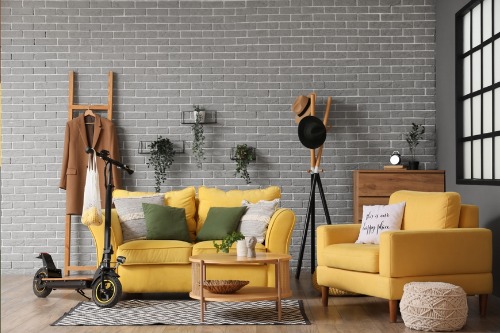
Furniture arrangements in simpler homes prioritized function over novelty. Chairs faced doors, windows, or shared focal points. This positioning supported natural surveillance of the room. Feeling oriented improves perceived safety.
You rarely had your back to the main entrance without realizing it. That awareness mirrors instinctive defensive positioning. Highly stylized layouts sometimes ignore these cues. Functional placement kept occupants mentally anchored.
7. Everything Had a Reliable Place

Simpler storage systems made inventory almost automatic. Everything had a habitual place that rarely changed. Consistency reduces cognitive strain and uncertainty. Predictable organization signals environmental stability.
You didn’t hunt for keys or tools because their spots were fixed. That reliability fostered trust in the space itself. Frequent rearrangement can feel subtly disorienting. Stable storage patterns supported a calm baseline.
8. Materials Felt Solid and Protective
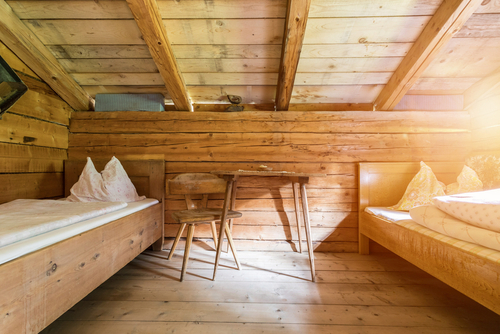
Materials in simpler homes were often durable and tactile. Solid wood, metal, and thick fabrics communicated sturdiness. Perceived structural strength contributes to feelings of shelter. Your senses read weight and texture as protective cues.
A heavy door or dense table feels resistant to disruption. That physical heft reassures you at a primal level. Lightweight materials can be perfectly safe yet feel transient. Substantial textures grounded the experience of home.
9. Sound Stayed Predictable
Acoustic environments were quieter and more contained. Smaller rooms dampened echoes and outside noise. Controlled soundscapes reduce startle responses. Predictable audio input helps regulate stress.
You could distinguish familiar household sounds from anomalies. That clarity made unusual noises stand out immediately. Large, reverberant spaces blur those distinctions. Clear acoustics reinforced situational awareness.
10. Movement Became Second Nature
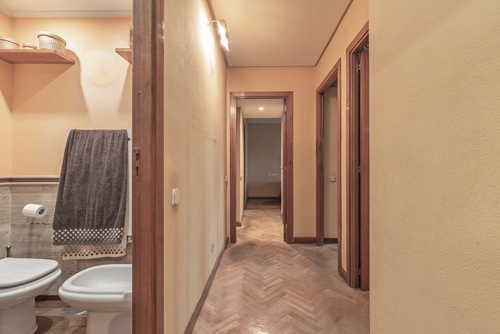
Simpler layouts encouraged routine movement patterns. Daily paths through the home became deeply ingrained. Habitual navigation lowers the risk of accidents. Fluency in movement boosts confidence in a space.
You could walk to the kitchen in low light without hesitation. That embodied familiarity feels like a safety net. Constantly changing layouts interrupt that fluency. Stable pathways supported effortless orientation.
11. Shared Spaces Encouraged Watchfulness
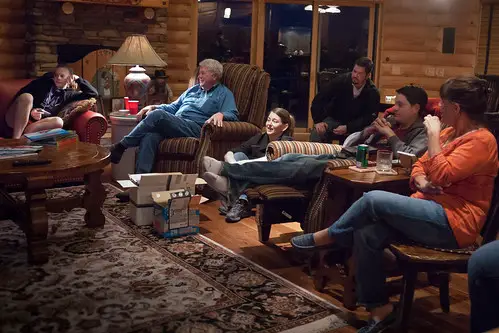
Simpler homes often centered around a single gathering area. Shared spaces increased mutual awareness among occupants. Social visibility is a powerful safety signal. Humans relax when they feel collectively present.
Family members naturally checked in just by being nearby. That passive monitoring reduced feelings of isolation. Highly segmented homes can scatter attention. Centralized living fostered a communal sense of protection.
This post Why Simpler Home Spaces Felt More Secure was first published on Greenhouse Black.
