
1. Milwaukee — Steady industry and manageable change
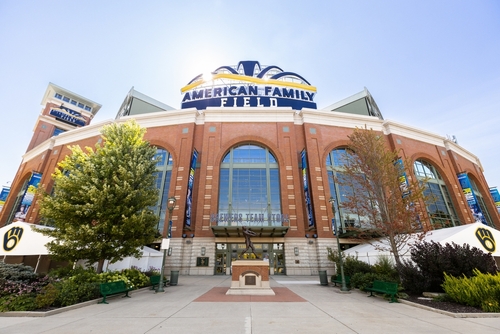
Milwaukee’s economy rests on manufacturing, finance, and higher education. Growth has been steady rather than explosive. Employers tend to expand gradually instead of arriving all at once. That keeps the job market calmer and more predictable.
Neighborhoods evolve slowly enough for residents to adjust. Housing costs have risen, but not at runaway levels. The city can invest in transit and public works without emergency fixes. That sense of control lowers collective anxiety.
2. Pittsburgh — Institutional stability over flash growth
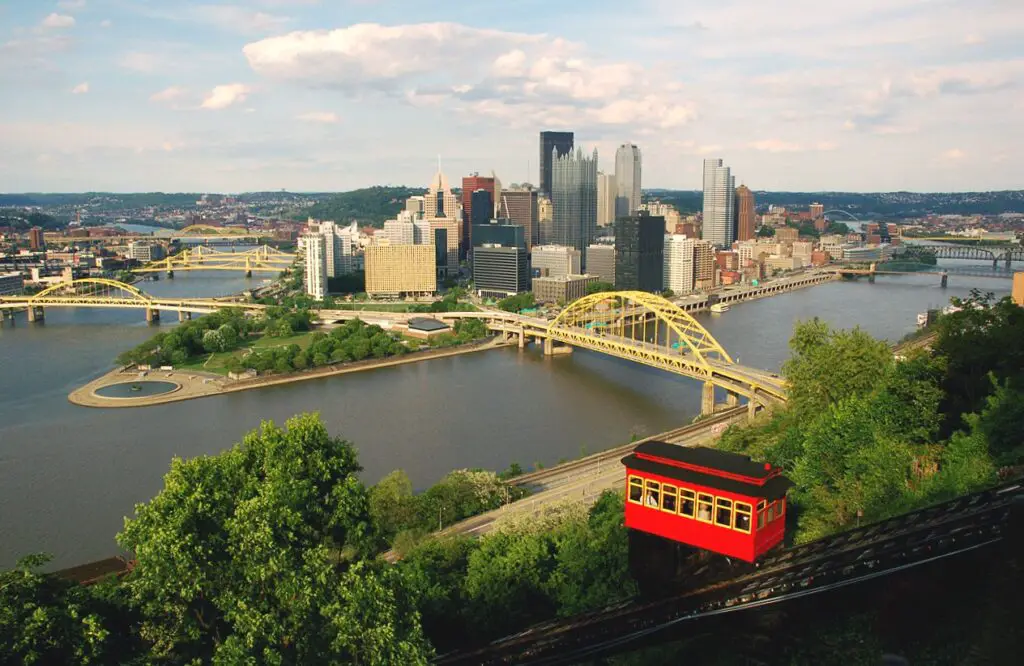
After losing population for decades, Pittsburgh learned how to live within its means. The city rebuilt around healthcare, education, and robotics rather than chasing hype cycles. Large employers like hospitals and universities provide jobs that don’t disappear overnight. That kind of stability makes slower growth feel intentional, not accidental.
Housing prices have increased, but they haven’t exploded at coastal-tech speeds. Longtime residents can still afford to stay in many neighborhoods. Infrastructure upgrades tend to be phased in, not rushed. In uncertain times, that steadiness feels safer than rapid reinvention.
3. Cleveland — Rebuilding without overheating
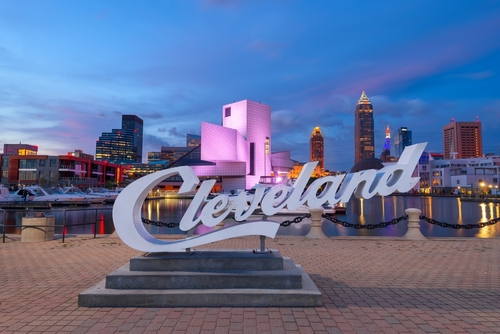
Cleveland has spent years focused on recovery instead of expansion for expansion’s sake. Healthcare, logistics, and manufacturing anchor the local economy. The city hasn’t seen massive population surges that overwhelm housing or transit. That has allowed civic systems to keep pace.
Redevelopment has been targeted toward specific neighborhoods. Home prices remain relatively accessible compared with faster-growing metros. Change is visible but not disorienting. People can plan their lives without fearing sudden displacement.
4. St. Louis — Right-sizing after decline
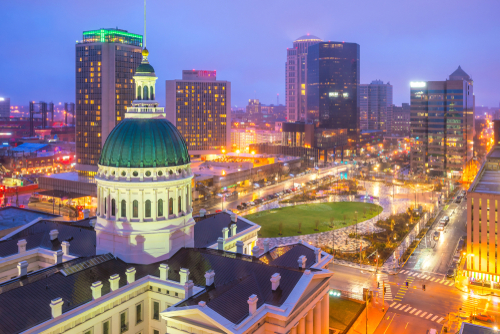
St. Louis has spent years adapting to a smaller population. The city now focuses on strengthening existing neighborhoods. Healthcare, biotech, and logistics offer dependable employment. There’s less pressure to constantly scale up.
Vacancy reduction and infrastructure maintenance happen incrementally. Housing remains affordable by national standards. Slower growth allows community organizations to stay involved. Stability feels more realistic than sudden revival promises.
5. Kansas City — Growth that waits its turn

Kansas City has grown, but at a measured pace. Tech and logistics have added jobs without overwhelming the city. Infrastructure projects like transit expansions are planned years in advance. That prevents constant crisis management.
Housing development has been gradual enough to avoid extreme shortages. Neighborhoods still retain their character. Local government can respond without panic. The pace makes residents feel growth is something they can live with.
6. Minneapolis — Deliberate planning over speed
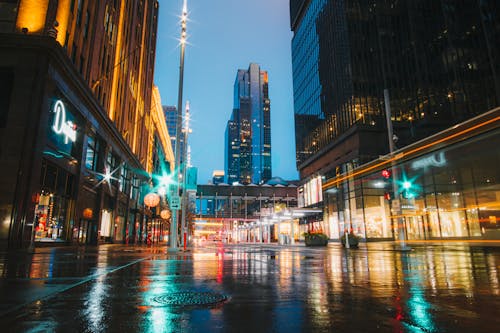
Minneapolis emphasizes long-term planning and zoning reform. Growth happens, but within a framework that prioritizes housing supply. The city avoided the extreme spikes seen in faster tech-driven markets. That has reduced volatility.
Residents see change, but it feels governed rather than chaotic. Infrastructure investments align with population shifts. Employment is diversified across healthcare, retail, and corporate services. The slower rhythm feels safer during economic swings.
7. Cincinnati — Incremental revival that sticks
Cincinnati’s revival has unfolded over decades, not years. Major employers in consumer goods, healthcare, and finance provide steady jobs. The city avoided betting everything on one industry. That diversification reduces risk.
Neighborhood revitalization happens block by block. Housing prices have climbed but remain moderate. Residents can still buy into improving areas. Slow growth gives confidence that progress will last.
8. Detroit — Cautious rebuilding after hard lessons
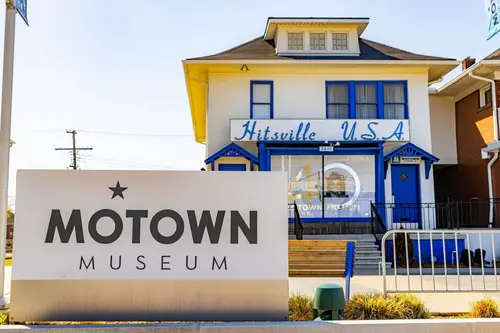
Detroit’s history makes residents wary of sudden booms. The city now prioritizes infrastructure, basic services, and neighborhood stability. Manufacturing, healthcare, and logistics drive employment. Growth is cautious and deliberate.
Vacant land is being reused strategically rather than speculatively. Housing remains affordable in many areas. Public investment focuses on essentials first. That restraint feels protective after decades of upheaval.
9. Buffalo — Small gains with big impact
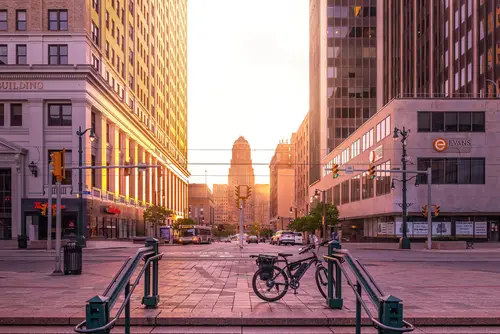
Buffalo’s growth has been modest but meaningful. Healthcare, education, and cross-border trade support the economy. The city hasn’t experienced rapid population surges. That keeps demand manageable.
Redevelopment focuses on waterfronts and core neighborhoods. Housing prices are rising slowly. Residents feel improvement without shock. The pace makes optimism feel grounded.
10. Rochester — Stability through specialization

Rochester transitioned from a single-industry town to a diversified economy. Healthcare, education, and optics manufacturing now lead. Growth has been slow but consistent. That consistency builds trust.
Neighborhoods change gradually, not overnight. Housing remains accessible for middle-income families. Infrastructure investments aren’t rushed. The city feels prepared rather than reactive.
11. Omaha — Quiet confidence over hype
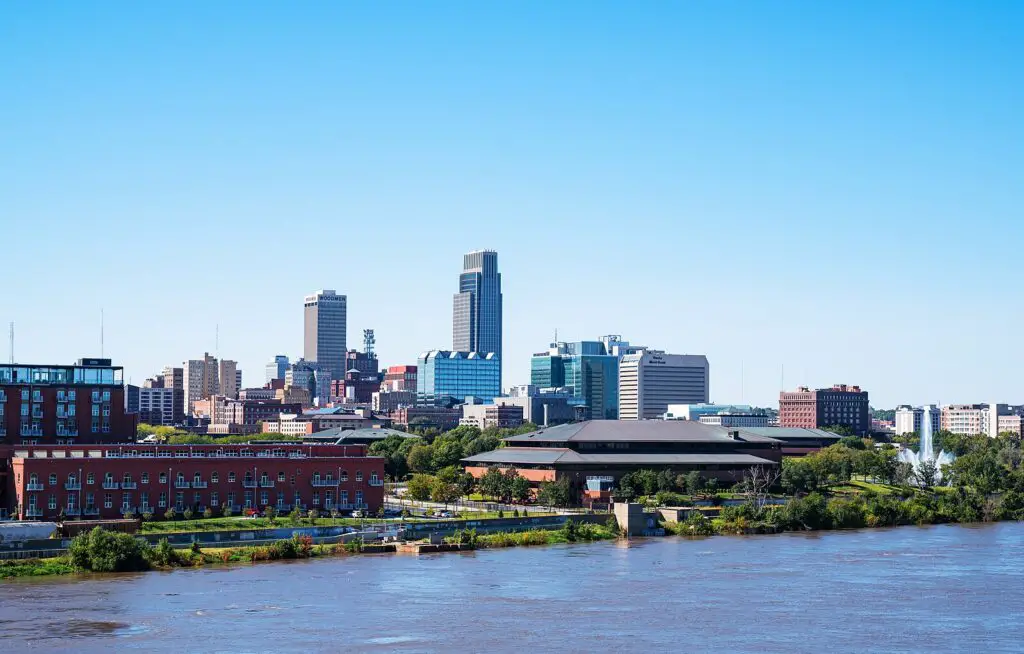
Omaha rarely dominates growth headlines, and that’s part of its appeal. Finance, insurance, and logistics provide steady employment. The city grows without dramatic spikes. That reduces stress on housing and roads.
Costs of living remain reasonable. Neighborhoods expand outward at a controlled pace. Public services adjust without strain. The calm trajectory feels dependable.
12. Des Moines — Manageable scale in a volatile world
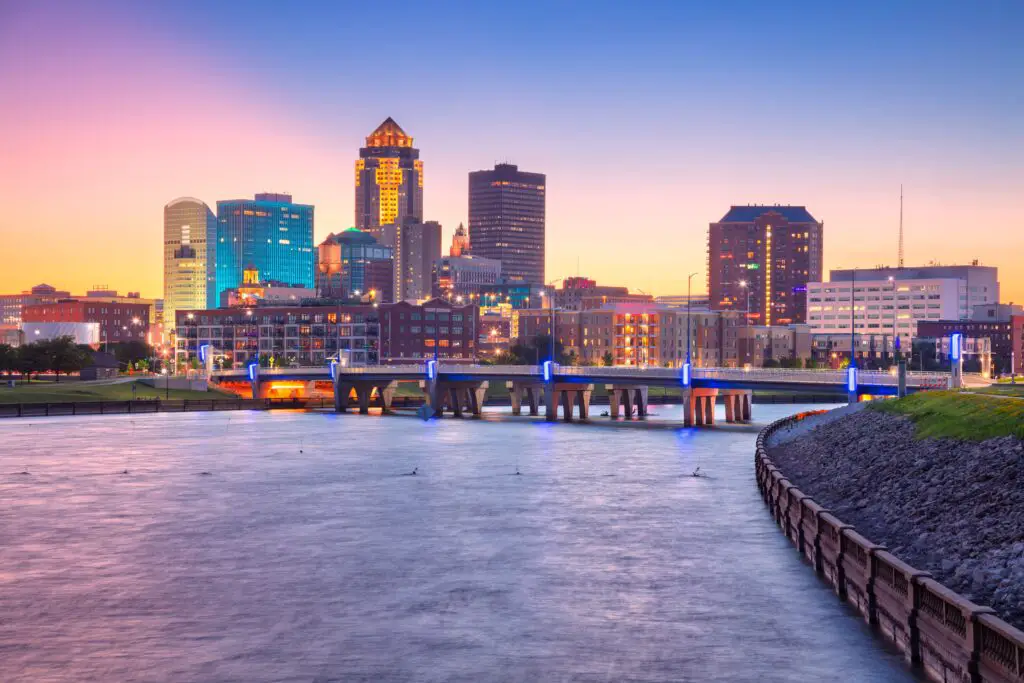
Des Moines benefits from insurance, finance, and agribusiness. Growth has been consistent but restrained. The city avoids sudden influxes that overwhelm systems. Planning stays ahead of demand.
Housing development remains balanced. Commutes stay reasonable. Public budgets are easier to forecast. That predictability feels like a safety net.
13. Albuquerque — Living within environmental limits

Albuquerque grows slowly due to geography and water constraints. That reality forces long-term thinking. Employment centers on government, healthcare, and research. The economy isn’t built on explosive expansion.
Housing growth aligns with infrastructure capacity. Neighborhoods retain a strong sense of place. Residents are accustomed to incremental change. In a warming, uncertain future, that restraint feels wise.
This post Why Slower Growth Is Starting to Feel Safer was first published on Greenhouse Black.
