
1. Nashville, TN
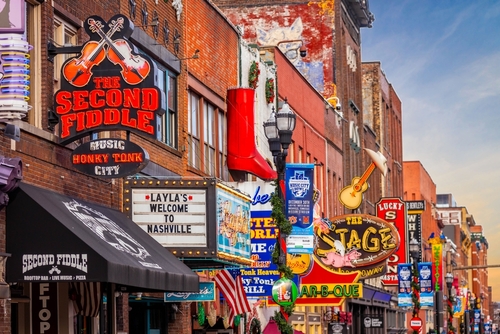
Nashville’s popularity hasn’t vanished, but its housing market is catching its breath. A large pipeline of new homes has increased competition. Buyers are more deliberate and less emotional. That’s a big change from recent years.
Affordability is also a growing concern for locals. Prices climbed faster than wages, and now resistance is showing. Sellers are adjusting to a slower rhythm. The uncertainty comes from figuring out where the new normal is.
2. San Francisco, CA
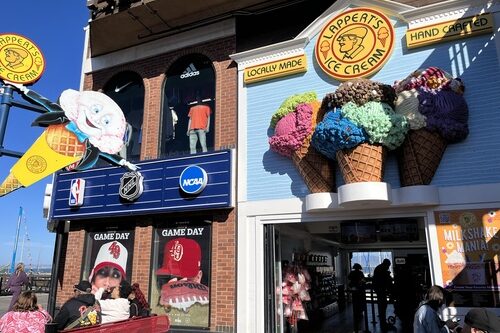
San Francisco’s housing market is once again tied closely to the tech sector’s ups and downs. Layoffs, hiring freezes, and remote-work flexibility have reduced the urgency to live near downtown offices. Condo demand in particular has been softer than many expected. That creates a sense that prices could still drift.
At the same time, the city hasn’t solved its longer-term affordability and quality-of-life concerns. Buyers are cautious about paying a premium without clear signs of a rebound. Sellers, meanwhile, remember higher valuations and are reluctant to adjust quickly. That standoff feeds uncertainty.
3. Phoenix, AZ

Phoenix grew rapidly during the pandemic, and now it’s dealing with the aftereffects of that speed. A lot of new housing came online just as mortgage rates rose. Buyers are more hesitant, and that has cooled momentum. The shift feels sudden after years of nonstop growth.
There’s also growing awareness of long-term issues like water supply and rising insurance costs. Those concerns don’t stop people from moving in, but they do make them think harder. Investors who expected endless appreciation are more cautious. That change in psychology matters.
4. Tampa, FL

Tampa still attracts newcomers, but housing confidence has been rattled by insurance costs. Homeowners have seen premiums spike, sometimes dramatically. That unpredictability makes budgeting harder and ownership feel riskier. Buyers are factoring those costs into what they’re willing to pay.
The condo market has also faced scrutiny after new safety and reserve requirements across Florida. Special assessments have surprised some owners and scared off some buyers. Even strong demand can wobble when costs feel unstable. That’s the source of the unease.
5. Miami, FL
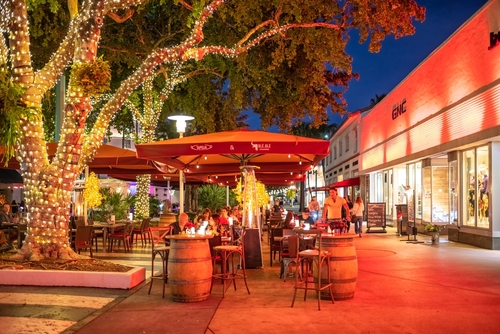
Miami’s luxury and condo markets are navigating a more complicated landscape than before. New building safety rules have led to higher HOA fees and assessments in older buildings. Buyers are much more cautious and ask tougher questions. That slows deals down.
At the same time, the market is highly sensitive to broader economic swings. International buyers and investors tend to pull back quickly when uncertainty rises. The result is a market that can feel hot one month and quiet the next. That volatility stands out.
6. New York City, NY
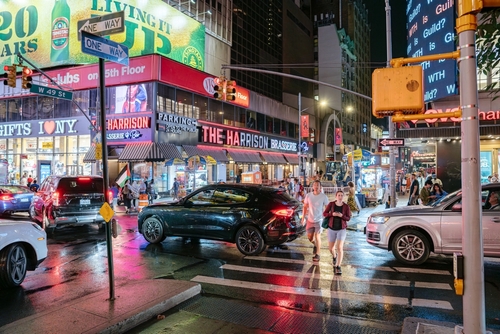
New York City housing always has layers, and right now those layers feel heavier. Higher mortgage rates have cooled sales activity, especially in the outer boroughs. Rent regulation changes and operating costs have also reshaped the investment landscape. Landlords and buyers are both recalibrating.
Co-op and condo boards are more cautious, which adds friction to transactions. Buyers sense they have more leverage, but they’re not always sure how to use it. Sellers, meanwhile, are testing the market rather than charging ahead. That hesitation creates uncertainty.
7. Seattle, WA
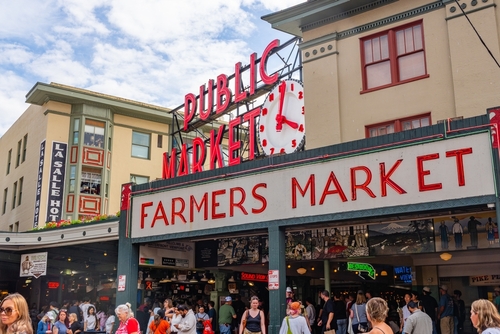
Seattle’s housing market remains deeply tied to tech, and that link has felt shaky. Layoffs and slower growth at major employers have tempered buyer confidence. Homes are still expensive, but buyers are less rushed. The pace has clearly changed.
New construction in and around the city has also added competition. Buyers suddenly have choices, which alters negotiations. Sellers can no longer assume instant interest. That adjustment period makes the market feel unsettled.
8. Denver, CO

Denver has seen a wave of apartment and condo construction over the past few years. That new supply is now colliding with higher borrowing costs. Rent growth has slowed, which affects investor expectations. The result is a more cautious mood.
Single-family homes remain in demand, but price sensitivity is higher. Buyers are taking their time and walking away more often. Sellers are learning that pricing aggressively can backfire. That learning curve brings uncertainty.
9. Boise, ID
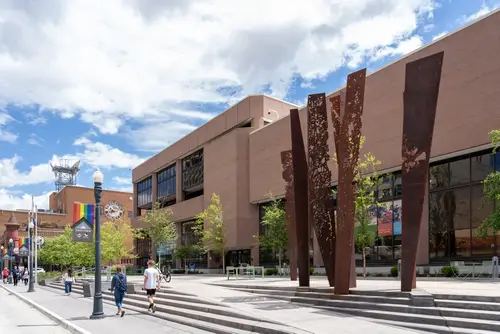
Boise became a symbol of the pandemic housing boom, and now it’s feeling the hangover. Prices rose incredibly fast, and that pace was never sustainable. As migration slowed and rates climbed, demand cooled. The contrast has been jarring.
People still want to live in Boise, but expectations are more grounded. Some recent buyers are watching values closely and feeling nervous. Investors who assumed nonstop growth are rethinking timelines. That shift makes the market feel fragile.
10. Austin, TX
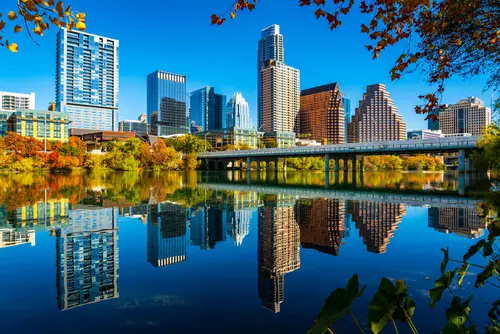
Austin went from white-hot to wait-and-see faster than almost any major market. A surge of new construction has given buyers more options, which is great for them but unsettling for sellers who got used to bidding wars. Tech hiring has cooled compared to the pandemic boom, and that uncertainty shows up quickly in local housing confidence. Prices haven’t collapsed, but the mood has definitely shifted.
People here still believe in Austin’s long-term appeal, but short-term expectations are wobblier. Homes are sitting longer, and price cuts are no longer taboo. Investors who piled in during 2021 and 2022 are recalculating returns. That pause alone is enough to make the market feel uneasy.
11. Dallas, TX
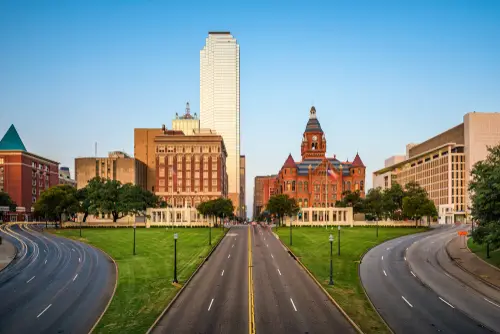
Dallas continues to add jobs and residents, but housing costs are under more scrutiny. Rising property taxes and insurance premiums have surprised some homeowners. Those recurring costs change how people evaluate affordability. Buyers are paying closer attention.
The metro area’s size also means uneven performance. Some suburbs are booming while others are cooling fast. That patchwork makes it harder to read the market. Uncertainty thrives in that kind of environment.
12. Atlanta, GA
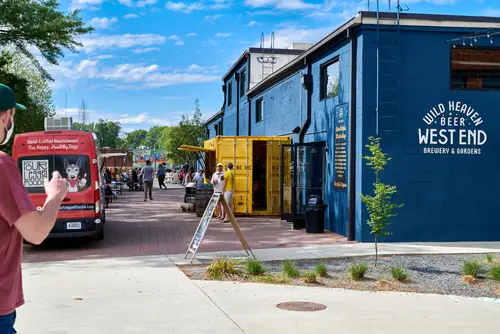
Atlanta has seen a surge in multifamily construction, especially in intown neighborhoods. That influx has softened rents and changed investor math. Buyers are no longer assuming quick appreciation. The tone has cooled.
Single-family demand remains solid, but it’s more price-sensitive. Homes are taking longer to sell in some areas. Sellers are learning patience. That adjustment phase creates a sense of instability.
13. Los Angeles, CA

Los Angeles housing uncertainty is being shaped by insurance and climate risk concerns. In some areas, homeowners are facing non-renewals or higher premiums. That adds a new layer of stress to already expensive ownership. Buyers are paying attention.
At the same time, high rates have limited mobility. Many owners are locked into low mortgages and hesitant to move. That keeps inventory tight but demand cautious. The tension between those forces makes the market feel uneasy again.
This post Why Some Housing Markets Suddenly Feel Uncertain Again was first published on Greenhouse Black.
