
1. Old Hardcover Dictionaries
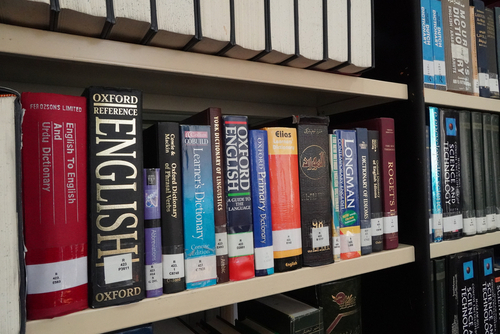
Hardcover dictionaries from the mid-20th century were built to survive decades of daily use. Once digital search replaced them, most were discarded without a second thought. The ones that remain often feature high-quality paper, sewn bindings, and detailed illustrations. Their physical craftsmanship is difficult to replicate today.
They gain value quietly because designers, writers, and decorators still use them. Specific editions can be dated and verified easily. As fewer survive in good condition, demand stays steady. They are practical objects that slowly become scarce.
2. Vintage Denim Jackets
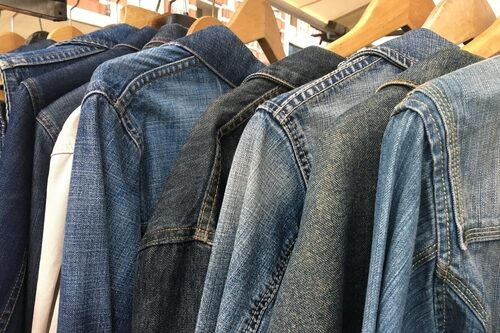
Denim jackets from earlier decades were made with heavier fabric and simpler construction. They were meant to be worn hard and repaired rather than replaced. Many were customized, damaged, or thrown away as styles changed. Clean originals are now relatively uncommon.
Their value rises because modern denim rarely matches the same weight and durability. Collectors can identify production eras by tags and stitching. People buy them to wear, not just collect. That ongoing use keeps prices climbing quietly.
3. Glass Pyrex Mixing Bowls
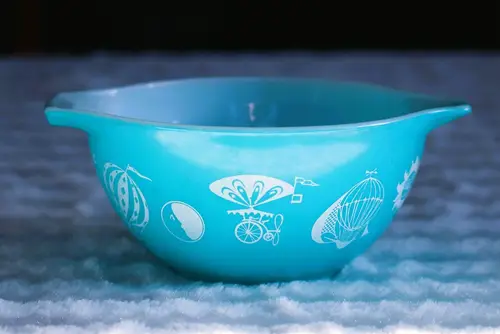
Older Pyrex bowls used stronger glass formulas than many modern versions. They were everyday kitchen items, not collectibles. Over time, sets were broken, mismatched, or lost piece by piece. Complete sets are now harder to find.
They gain value because they are still useful and visually appealing. Pattern styles can be accurately dated by production years. As replacements break, intact examples become more desirable. Their value grows through everyday scarcity, not hype.
4. Wooden Folding Chairs
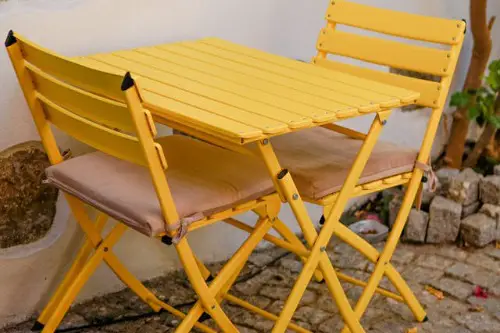
Mid-century wooden folding chairs were designed for long-term use and repair. Many were used in schools, churches, and community halls. When plastic became cheaper, wooden versions were discarded. Surviving chairs often show craftsmanship no longer economical today.
They quietly gain value because they blend function and design. Specific manufacturers and joinery styles can be identified. Interior designers seek them for authenticity. That professional demand supports steady price increases.
5. Mechanical Bathroom Scales

Older mechanical bathroom scales were made with metal components instead of plastic. They required no batteries and could be recalibrated. Many were replaced simply because digital versions looked modern. Functional originals are now less common.
Their value increases because they still work reliably decades later. Some users prefer their simplicity and durability. Brand markings make them easy to date and verify. They rise in value through continued usefulness.
6. Early Paperback Book Editions
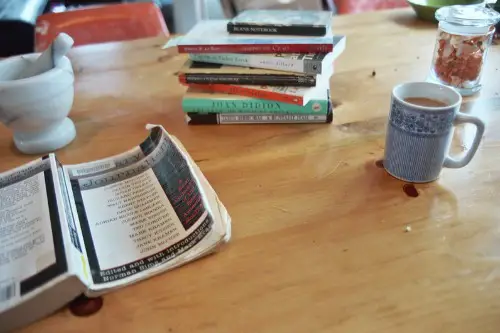
First-run paperback editions were meant to be cheap and disposable. Most were read, shared, and eventually thrown away. Surviving copies often show heavy wear. Clean examples are much rarer than hardcover counterparts.
They gain value because they capture original cover art and design. Collectors can identify printings through publisher details. Cultural interest grows as authors gain recognition. That delayed appreciation quietly raises prices.
7. Simple Brass Door Hardware
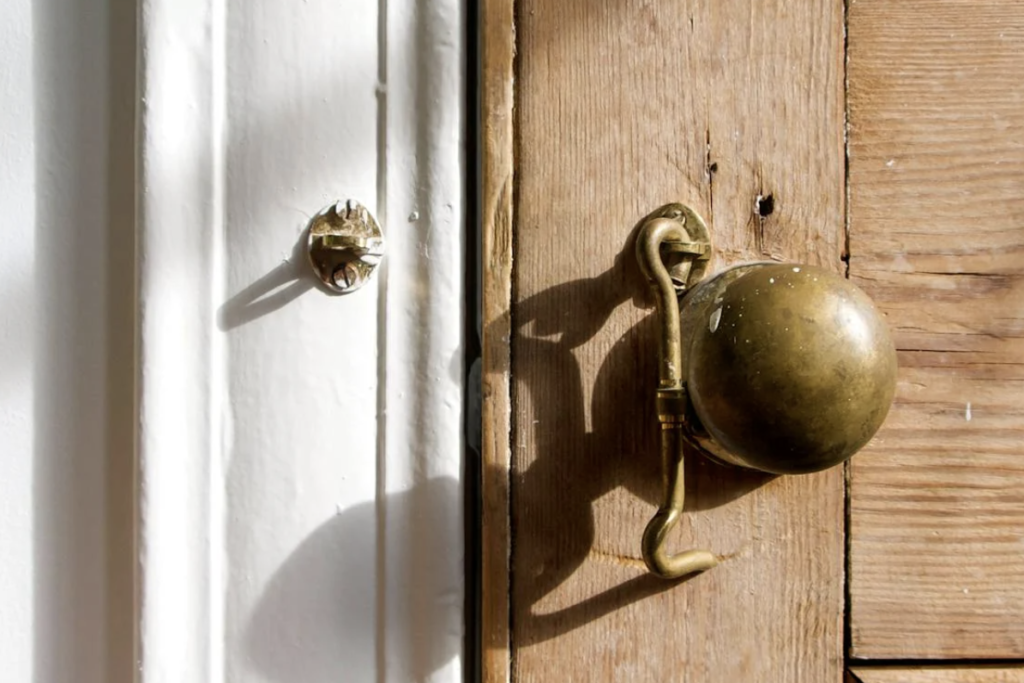
Older brass doorknobs and hinges were often solid metal, not plated alloys. They were removed during renovations and discarded. Many buildings lost their original hardware entirely. Replacements rarely match the same weight or finish.
Their value grows because restorations require authentic materials. Builders and homeowners seek period-correct pieces. Wear patterns actually help confirm age. Scarcity increases as more originals are lost.
8. Wool Blankets
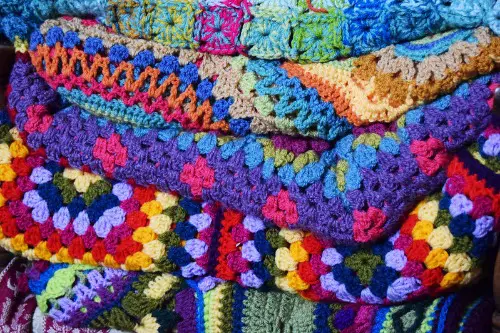
Vintage wool blankets were produced for warmth and longevity. Many were used daily until they wore out. Synthetic alternatives replaced them due to cost and convenience. Intact wool blankets are now less common.
They quietly gain value because they remain functional and repairable. Makers’ labels allow accurate dating. Outdoor and minimalist communities rediscovered their practicality. Demand grows without mainstream attention.
9. Simple Ceramic Dinner Plates
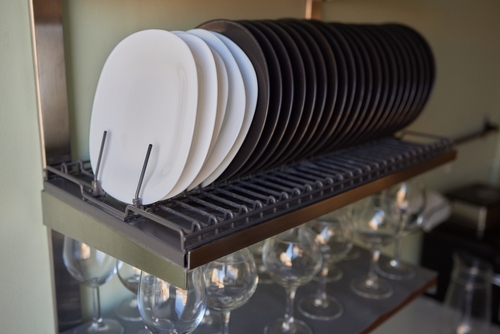
Older ceramic plates were often part of large family sets. Over time, sets were broken or separated. Individual plates survived without their original context. Complete matching sets are now harder to assemble.
Their value increases because replacements are no longer produced. Patterns and stamps make verification straightforward. Restaurants and collectors seek them for consistency. That steady demand raises prices slowly.
10. Manual Hand Tools
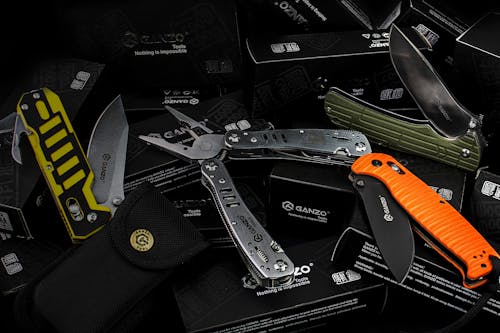
Hand tools like wrenches and screwdrivers were once built for lifelong use. Many were passed down or lost rather than collected. Modern tools often prioritize cost over durability. Older tools remain functional decades later.
They gain value because they still perform their original purpose well. Brand stamps make them easy to authenticate. Tradespeople and hobbyists continue to use them. Their value rises through ongoing relevance.
11. Plain Wooden Picture Frames
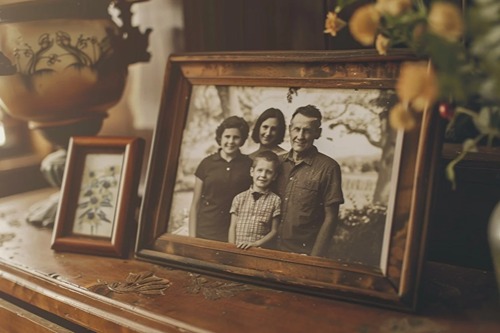
Older wooden frames were cut, joined, and finished by hand or small workshops. They were often discarded when artwork changed. Many were painted over or damaged during reuse. Original finishes are now uncommon.
They quietly gain value because they complement art without distraction. Dimensions and joinery reveal age and origin. Framers and artists seek them for restoration projects. Their worth grows as craftsmanship disappears.
This post Why Some Items Gain Value Without Anyone Talking About Them was first published on Greenhouse Black.
