
1. Lowell, Massachusetts
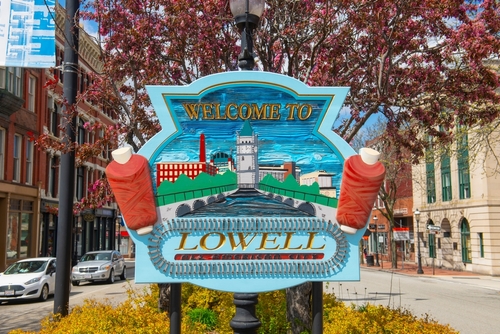
Lowell’s decline and revival as a former mill town once attracted national attention. When that narrative cooled, the city kept refining its approach. Historic preservation blended with affordable housing initiatives. The balance took time to get right.
Without pressure to be a model city, Lowell could be a practical one. Arts, education, and light industry coexisted more sustainably. Local institutions anchored gradual growth. Lowell improved by staying the course after the story stopped being trendy.
2. Times Square, New York City
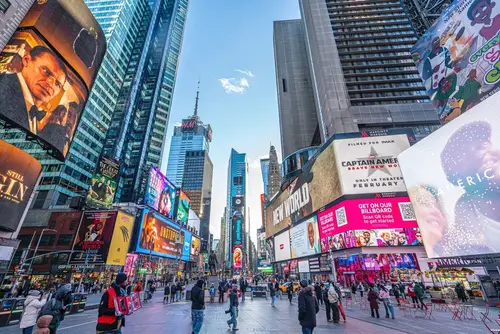
Times Square’s transformation in the 1990s drew enormous attention, but what came after mattered just as much. Once it stopped being a daily news story about crime reduction, the area could focus on maintenance rather than reinvention. Zoning enforcement, pedestrian plazas, and transit coordination became routine instead of political theater. The result was stability rather than spectacle.
When the spotlight moved on, local businesses adapted to a more predictable environment. The city could fine-tune crowd management without every tweak being debated on cable news. Improvements like traffic calming and permanent pedestrianization stuck because they weren’t framed as experiments. Times Square improved by becoming boring in the best possible way.
3. Pittsburgh, Pennsylvania
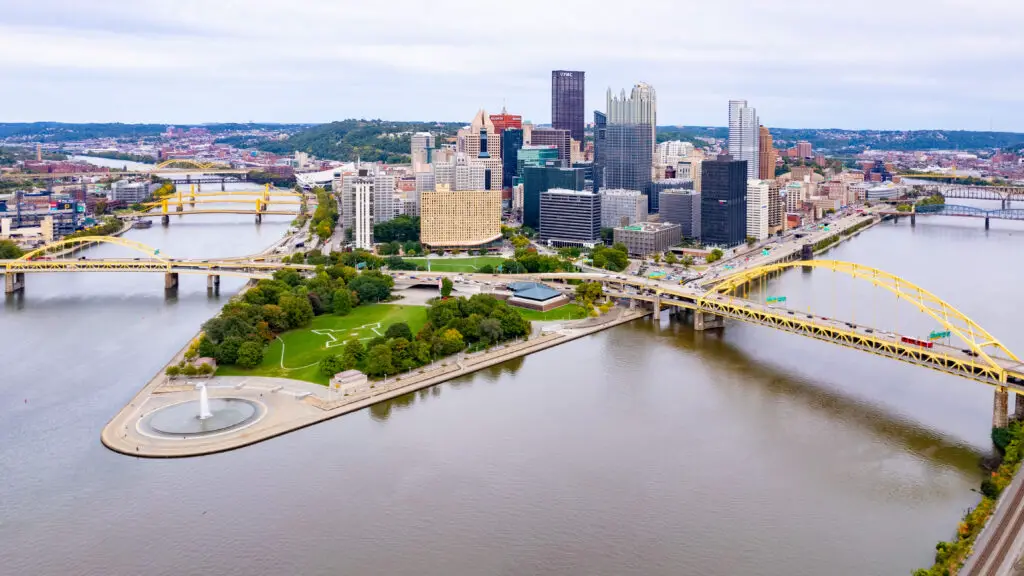
Pittsburgh’s collapse as a steel town was heavily covered in the 1980s, but its recovery got less national attention. Once it was no longer the poster child for deindustrialization, the region quietly diversified its economy. Universities and medical centers expanded steadily rather than explosively. That slow growth proved more durable.
Without constant scrutiny, Pittsburgh could invest in livability instead of image. Riverfront parks, bike infrastructure, and neighborhood redevelopment took years, not headlines. Tech and robotics firms arrived gradually, building on existing research institutions. The city improved because it wasn’t trying to prove anything to outsiders anymore.
4. New Orleans, Louisiana
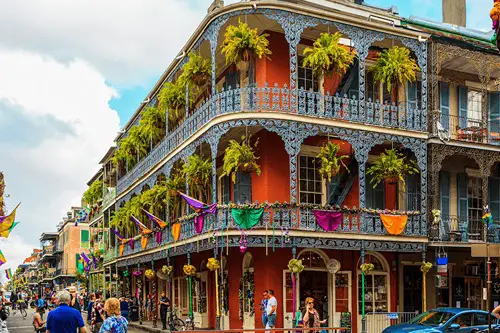
After Hurricane Katrina, New Orleans was under an intense and often overwhelming national microscope. As coverage faded, local organizations gained more control over rebuilding priorities. Housing, schools, and levee systems continued to improve in less visible but meaningful ways. Progress was slower than promised, but also more grounded.
The absence of constant media pressure allowed for course correction. Community-led planning replaced some of the top-down decisions made during peak attention. Cultural institutions stabilized and tourism rebounded in a more sustainable form. New Orleans improved not because problems vanished, but because solutions became less performative.
5. Marfa, Texas

Marfa’s art-world fame peaked when it became a must-write-about destination in the 2000s. Once the novelty wore off nationally, the town regained a sense of balance. Local leaders implemented stricter land-use planning to manage growth. That helped protect both the landscape and the community.
With fewer trend-driven visitors, businesses adjusted to a steadier pace. Cultural institutions like the Chinati Foundation continued their work without hype-driven expectations. Housing pressure eased slightly as speculators looked elsewhere. Marfa improved by settling into a long-term identity rather than chasing viral attention.
6. Atlanta, Georgia
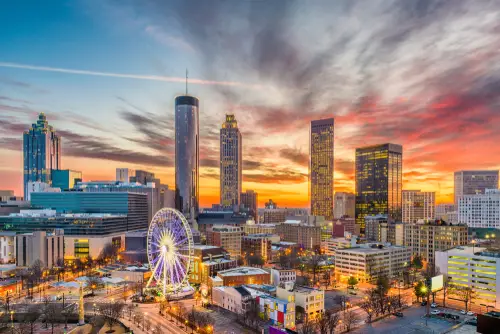
Atlanta’s 1996 Olympics brought massive attention and equally massive disruption. After the global spotlight moved on, the city had to live with what it built. That forced officials to integrate Olympic infrastructure into everyday urban life. Parks, transit, and housing around former venues slowly became more functional.
The post-Olympics period also allowed Atlanta to reassess growth patterns. Neighborhoods near downtown saw incremental redevelopment instead of one-off mega-projects. The city learned from what didn’t work during the rush. Improvement came through adjustment, not applause.
7. Salt Lake City, Utah
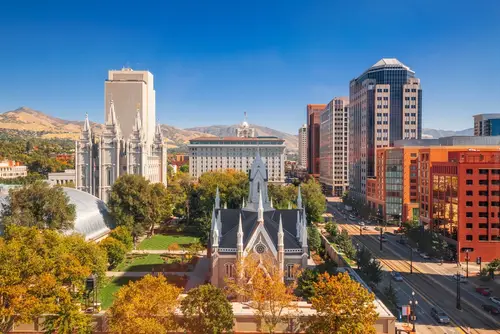
The 2002 Winter Olympics put Salt Lake City on the world stage. When the attention faded, the region focused on using Olympic investments long-term. Transit expansions like TRAX became central to daily commuting. Venues were repurposed instead of abandoned.
Without global scrutiny, Salt Lake City could manage growth on its own terms. Planning emphasized air quality, density, and access to recreation. The city benefited from having built ahead of demand. Improvement followed because infrastructure outlasted the spotlight.
8. San Jose, California
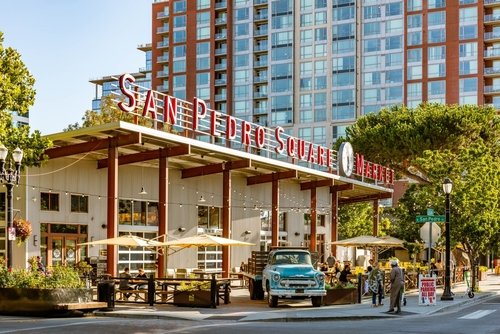
San Jose was heavily scrutinized during the dot-com boom and bust. When tech coverage shifted to newer hubs, the city quietly recalibrated. Downtown redevelopment moved slowly but steadily. Housing and transit planning became more pragmatic.
The lack of constant hype reduced pressure for flashy tech campuses. Instead, mixed-use projects and infill development gained traction. San Jose leaned into being a functional city rather than a symbol of innovation excess. That shift helped improve everyday quality of life.
9. Las Vegas, Nevada
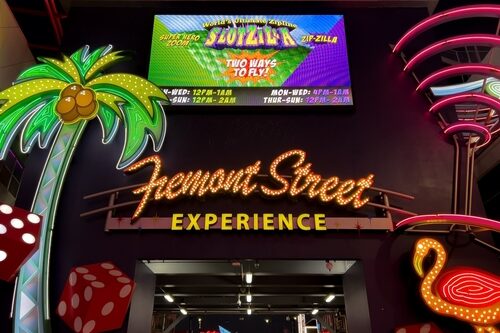
Las Vegas was relentlessly covered during the Great Recession as a cautionary tale. Once the narrative moved on, the city focused on diversification. Downtown revitalization and non-gaming industries gained more serious attention. The local economy became slightly less dependent on tourism alone.
Freed from constant national judgment, planners addressed infrastructure and water use more directly. Investments in sports, conventions, and residential neighborhoods followed. Not every bet paid off, but the strategy broadened. Las Vegas improved by planning for resilience instead of redemption.
10. Camden, New Jersey
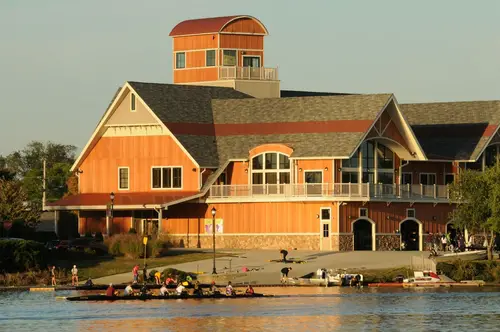
Camden spent decades in the national news for crime and disinvestment. As media attention waned, long-term institutional investments continued. Anchor institutions like universities and hospitals expanded their footprints. That provided stable employment and services.
The city also benefited from sustained state-level support without constant scrutiny. Neighborhood redevelopment happened block by block, not headline by headline. Public safety improvements stuck because they were consistent. Camden improved quietly, which made the gains more durable.
11. Chattanooga, Tennessee
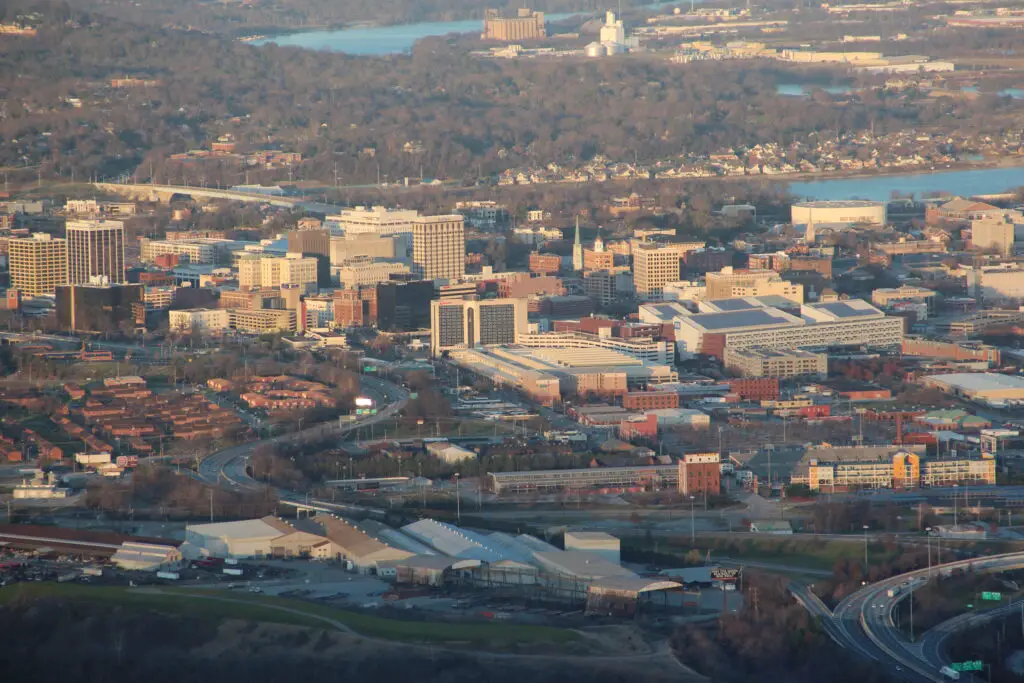
Chattanooga drew attention in the 1990s for environmental cleanup and downtown renewal. After the praise faded, the city kept building on that foundation. Investments in broadband and public spaces continued steadily. The city didn’t need to reintroduce itself every year.
With less hype, Chattanooga focused on affordability and neighborhood connectivity. Tech initiatives like municipal broadband matured beyond novelty. Outdoor tourism grew without overwhelming infrastructure. Improvement followed because the city stayed focused after the applause ended.
12. Oakland, California
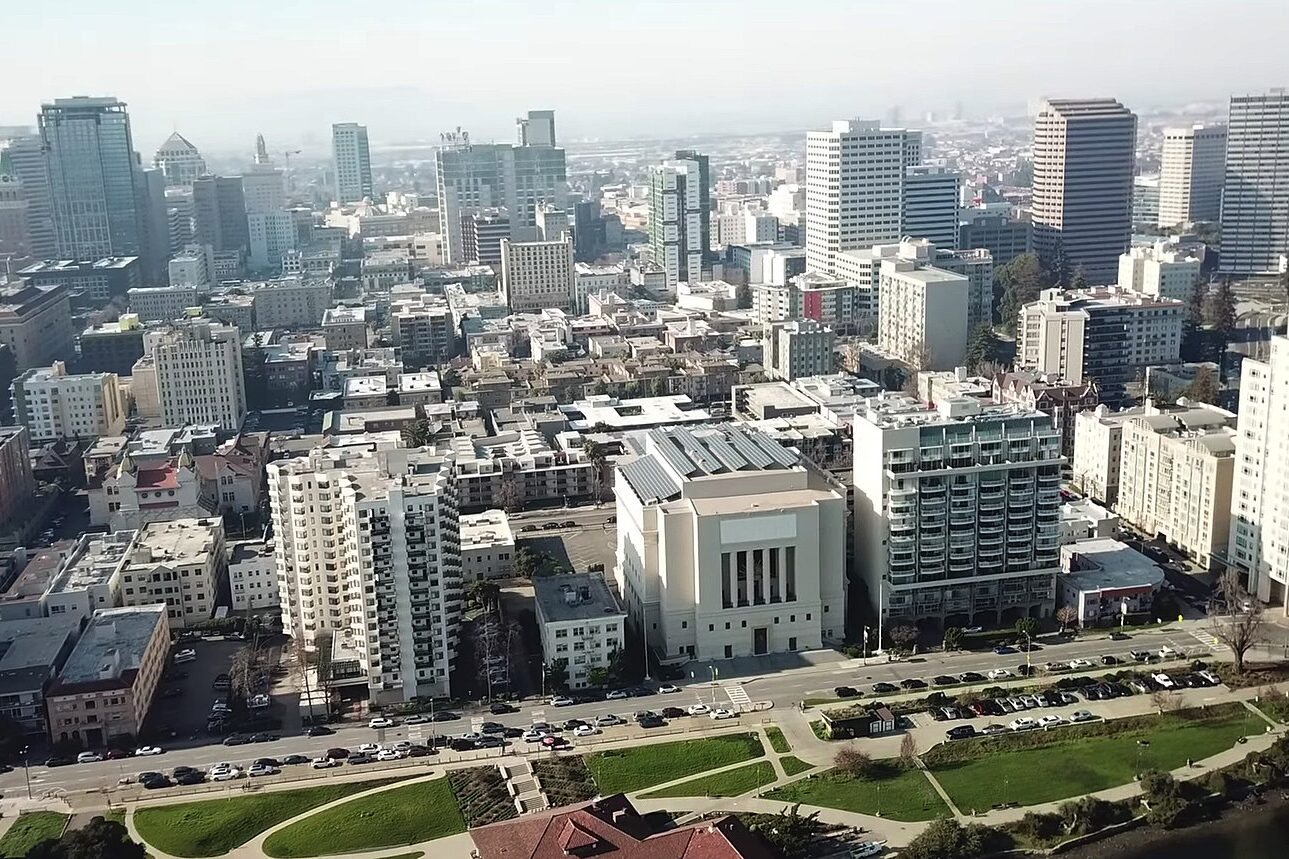
Oakland was often framed nationally as either troubled or rapidly gentrifying. When media focus shifted elsewhere, local conversations became more nuanced. Community land trusts and tenant protections gained traction. These efforts worked best without constant outside framing.
The city also invested in cultural preservation and small business support. Infrastructure upgrades moved forward with less political theater. Oakland’s challenges didn’t disappear, but responses became more tailored. Improvement came from quieter, community-driven work.
13. Detroit, Michigan
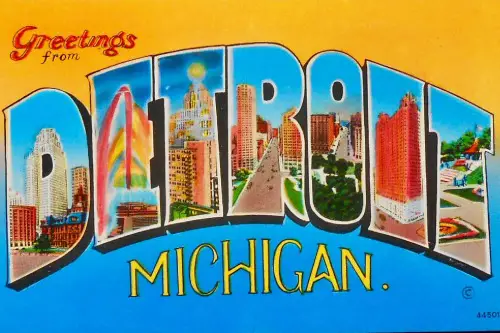
For years, Detroit was the national shorthand for urban decline, especially during and right after its 2013 bankruptcy. When the cameras stopped treating the city as a symbol and started paying attention elsewhere, local leaders had more room to work without spectacle. Neighborhood-led redevelopment, land bank programs, and targeted infrastructure fixes moved forward quietly. The progress has been uneven, but many blocks improved precisely because they were no longer national punchlines.
Another reason Detroit benefited is that long-term investors replaced headline-chasing ones. Companies like Ford relocating major operations to Michigan Central Station happened after the hype cycle cooled, not during it. Community groups were also able to plan without constant crisis framing. That breathing room allowed incremental change instead of flashy but shallow fixes.
This post Why Some Places Improved After the Spotlight Moved On was first published on Greenhouse Black.
