
1. The lighting temperature fights the room
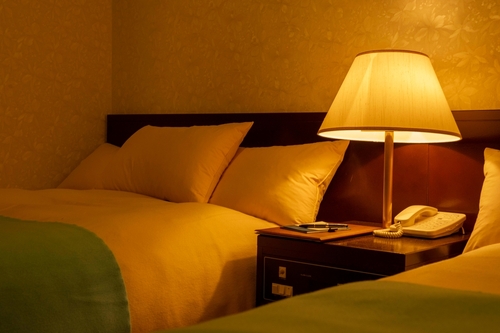
The room can feel wrong when the light color doesn’t match how the space is used. Cool, blue-toned lighting can make living rooms feel sterile and unwelcoming. Warm, yellow light in work-heavy areas like kitchens or offices can make tasks feel harder. Our circadian rhythms respond to light color, so this discomfort is physical, not imagined.
This usually happens because lighting is chosen late in the renovation. Fixtures get attention, but bulb temperature is treated as an afterthought. Contractors often install one lighting type throughout the house for simplicity. The result is a brand-new space that never quite feels relaxing or functional.
2. The renovation ignores the house’s original proportions

A space can feel off when new elements don’t respect the home’s scale. Oversized kitchen islands, massive light fixtures, or extra-tall cabinets can overwhelm smaller homes. These features may look impressive online but feel intrusive in person. Your eye notices when things don’t fit the room’s natural boundaries.
This often happens when renovations borrow ideas from much larger houses. Proportions that work in open-plan luxury homes don’t translate well to compact layouts. Ceiling height, wall length, and walking clearance all matter together. When they’re mismatched, the room feels uncomfortable without an obvious reason.
3. The layout looks modern but works poorly
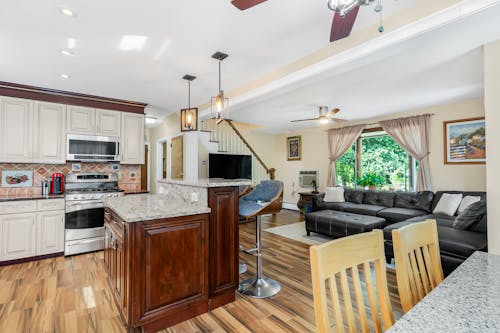
Some renovations prioritize appearance over function. Removing walls can create openness while destroying efficient movement. Kitchens frequently suffer when the sink, stove, and refrigerator are spaced too far apart. This makes daily tasks feel tiring and awkward.
Designers have long documented efficient layout principles for a reason. When those principles are ignored, the space becomes frustrating to use. You may find yourself constantly walking around furniture or backtracking. Over time, the inconvenience creates a sense that the room is wrong.
4. Materials don’t feel as good as they look
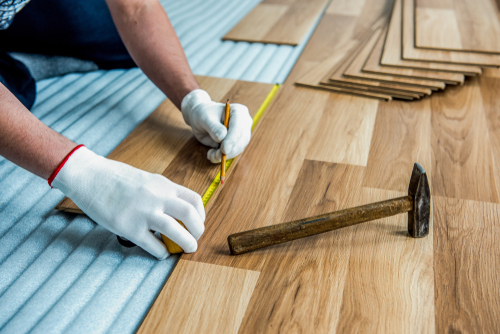
A renovation can look polished while still feeling cheap. Thin flooring, hollow-core doors, and lightweight cabinetry give subtle tactile signals. They sound different when walked on or closed. Your hands and ears notice what your eyes might miss.
This is common in budget-conscious renovations that prioritize surface appearance. Many materials are designed to mimic higher-end options visually. The differences appear through flexing, noise, or early wear. That disconnect creates dissatisfaction even when everything is technically new.
5. Sound behavior wasn’t part of the plan
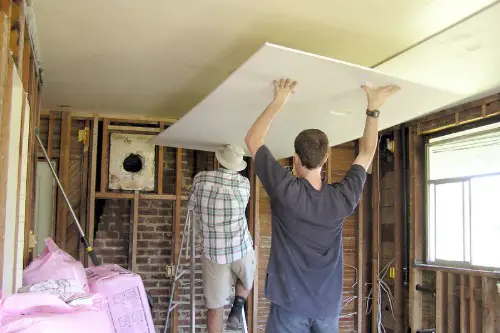
Renovated spaces often feel louder than expected. Hard surfaces like tile, drywall, and stone reflect sound. When combined with open layouts, noise travels easily and echoes. Even normal conversations can feel sharp or overwhelming.
Older homes often had smaller rooms and more sound-absorbing materials. Renovations remove those without adding acoustic solutions. Soft furnishings are left to fix the problem later. Without sound control, the space feels unsettled and stressful.
6. The renovation breaks the home’s internal logic
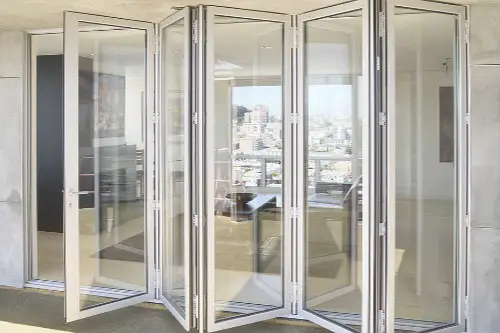
Many houses were designed with specific circulation patterns. When renovations ignore these, movement becomes awkward. For example, relocating doorways can interrupt natural walking paths. The house may feel confusing even if it looks attractive.
This usually happens when changes are made room by room. The bigger picture of how spaces connect gets lost. Original layouts often solved practical problems for daily life. Removing that structure leaves the house feeling disjointed.
7. Finishes don’t match real-life use
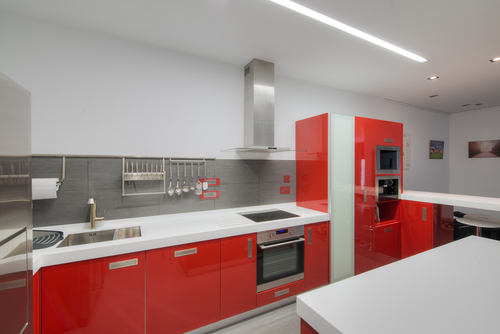
Some materials are chosen for looks rather than lifestyle. High-gloss cabinets show fingerprints constantly. Soft stone countertops stain easily in busy kitchens. These finishes aren’t bad, just mismatched.
When materials fight daily habits, frustration builds quickly. Homeowners feel like they’re maintaining a showroom instead of living normally. The space becomes stressful to use. That tension makes the renovation feel like a mistake.
8. Storage was underestimated
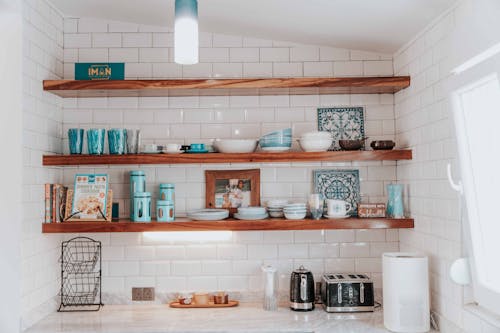
A renovated space can feel wrong when it lacks adequate storage. Open shelving looks clean but fills up fast. Closets are often reduced to make rooms feel larger. Everyday items end up visible and cluttered.
This happens when renovations focus on aesthetics over routines. Homes need places for coats, cleaning supplies, and personal items. Without them, disorder creeps in. The space feels chaotic even when it’s new.
9. The house lost its sense of age
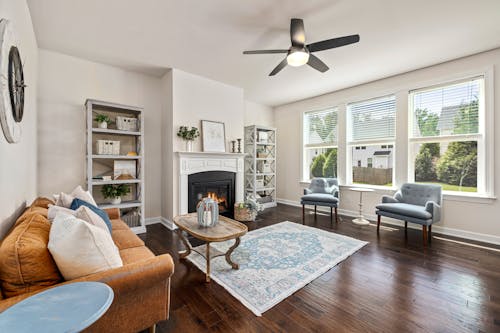
Older homes often feel grounded because of their history. Renovations that strip out all character can erase that. Uniform finishes and modern details may clash with the home’s structure. The result can feel oddly hollow.
This happens when updates aim for trendiness rather than continuity. Original trim, proportions, and materials provided context. Removing them creates a visual mismatch. The house feels disconnected from itself.
10. Mechanical systems weren’t properly updated

New finishes can hide old infrastructure problems. HVAC systems may be undersized for open layouts. Poor ventilation can lead to uneven temperatures or lingering odors. These issues affect comfort every day.
Renovations sometimes focus on visible upgrades only. Mechanical systems are expensive and easy to postpone. When they don’t match the new layout, discomfort follows. The house feels unreliable despite being renovated.
11. The renovation reflects trends, not the people living there
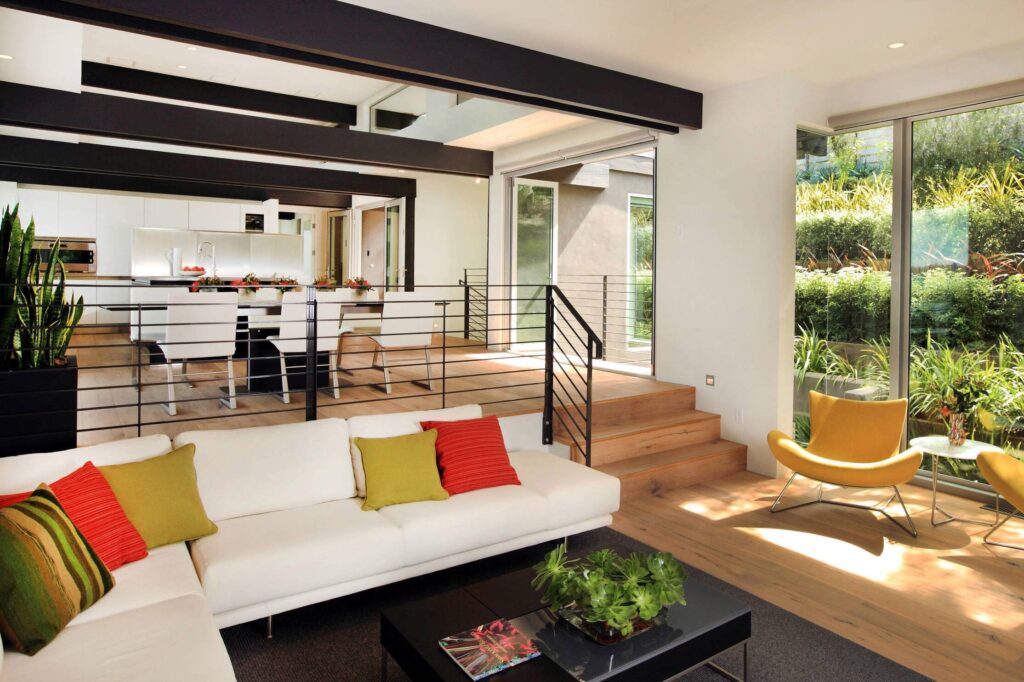
A home can feel wrong when it doesn’t reflect its occupants. Trend-driven designs may look impressive but feel impersonal. Features like minimal seating or ultra-neutral palettes can feel cold. Comfort is personal, not universal.
This happens when decisions are guided by resale value or social media. Personal habits and preferences get sidelined. Over time, the disconnect becomes obvious. The house looks finished but never feels like home.
This post Why Some Renovations Feel Wrong Even When They’re New was first published on Greenhouse Black.
