
1. New Jersey

New Jersey is often chosen for its proximity to family and major cities. Property taxes are among the highest in the nation, which can shock new retirees. Even paid-off homes come with substantial annual tax bills. That ongoing expense is hard to ignore on a fixed income.
Weather is another factor that plays a role. Cold winters bring snow, ice, and higher heating costs. Coastal areas also face increasing flood risks. For some retirees, the combination becomes financially and physically demanding.
2. Phoenix, Arizona

Phoenix attracts retirees with its dry climate and relatively low property taxes. However, extended heat waves have become longer and more severe in recent years. Temperatures staying above 100 degrees for weeks can limit outdoor activity and increase health risks. Many retirees realize they spend more time indoors than they planned.
Water concerns also weigh on some residents over time. Ongoing drought conditions in the Southwest create uncertainty about long-term sustainability. Utility bills can climb quickly due to constant air conditioning use. After a few summers, some retirees decide the desert lifestyle isn’t as manageable as expected.
3. Las Vegas, Nevada

Las Vegas appeals to retirees with no state income tax and abundant entertainment. The reality of daily life can feel very different from the vacation version of the city. Summer heat is extreme, and outdoor recreation is limited for much of the year. The constant tourism can also make everyday errands feel exhausting.
Healthcare access is another commonly cited concern. Nevada has long struggled with physician shortages, particularly for specialists. Retirees with chronic conditions may find wait times frustrating. That combination leads some to move on sooner than planned.
4. Austin, Texas
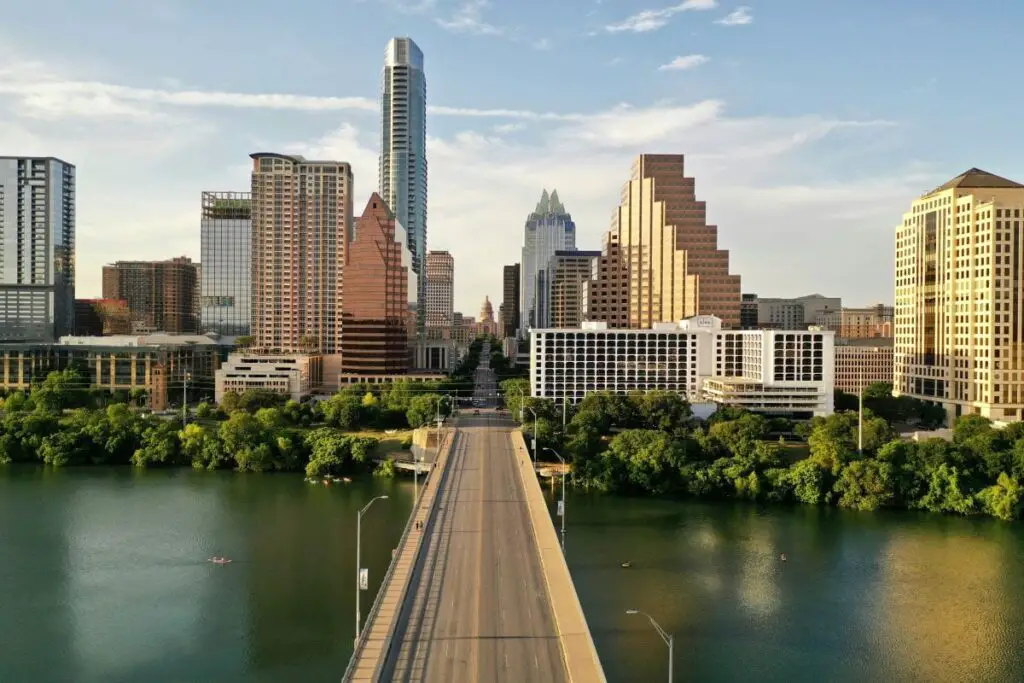
Austin has become popular for its culture, mild winters, and lack of state income tax. What surprises many retirees is how fast property taxes can rise. Even modest homes can see sharp increases in tax bills as values climb. Fixed incomes don’t always keep pace with those costs.
The city’s rapid growth has also affected traffic and infrastructure. Congestion can make getting around stressful, especially for those who value easy mobility. Summers are hotter and longer than many newcomers expect. Over time, Austin can feel less retiree-friendly than it first appeared.
5. Nashville, Tennessee
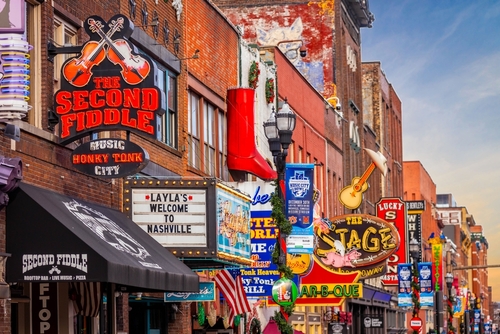
Nashville draws retirees with music, charm, and no state income tax on wages. Housing prices, however, have risen significantly with the city’s popularity. New retirees may find they paid more than planned for homes or rentals. Everyday expenses often follow that upward trend.
Healthcare is generally strong, but access can vary by neighborhood and provider. Traffic congestion has worsened as the metro area grows. Hot, humid summers can limit outdoor enjoyment for months at a time. Some retirees eventually look for a quieter and more affordable setting.
6. Southern California

Southern California offers mild weather and beautiful scenery that appeal to many retirees. The cost of living, however, remains one of the highest in the country. Housing, utilities, and everyday services can quickly strain retirement savings. Even retirees who planned carefully may feel the financial pressure.
Wildfire risk is another factor that becomes more real after a few years. Smoke, evacuations, and insurance challenges can disrupt daily life. Traffic and crowds can also wear on people seeking a slower pace. For some, the dream location becomes impractical long term.
7. New York City

New York City attracts retirees who want culture, walkability, and world-class healthcare. The tradeoff is the high cost of living, especially housing and local taxes. Even downsizing doesn’t always bring the savings retirees expect. Everyday expenses add up quickly.
The fast pace can also become tiring over time. Winters are colder and more demanding than many retirees want to manage. Noise, crowds, and limited green space can feel draining. Eventually, some decide they want more space and less intensity.
8. Florida
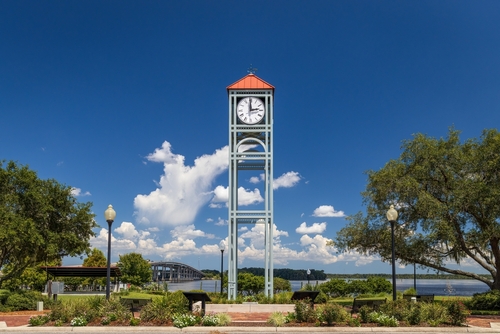
Many retirees arrive in Florida expecting low taxes and endless sunshine, and they do get those things at first. Over time, rising homeowners insurance premiums and hurricane-related repairs can seriously strain fixed incomes. Flood insurance requirements have also expanded in some areas, catching newcomers off guard. What once felt affordable can start to feel financially unpredictable.
Another issue is the summer heat, which can be far more intense than visitors anticipate. Long stretches of extreme humidity make it hard to stay active or even enjoy being outside. Healthcare access can also be uneven, especially in fast-growing or rural communities. For some retirees, the lifestyle ends up feeling more stressful than relaxing.
9. Chicago, Illinois
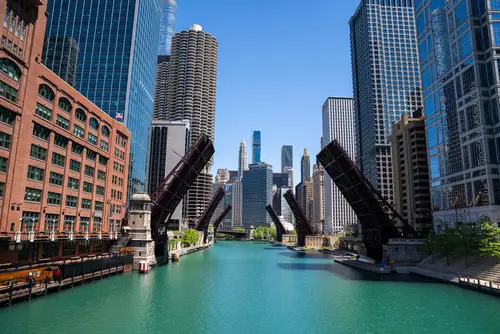
Chicago offers excellent healthcare, culture, and a strong sense of community. Retirees often underestimate how challenging the winters can be. Snow, ice, and bitter cold can limit mobility for months. Heating costs also rise during long cold spells.
Illinois’ tax situation adds another layer of concern. While Social Security is not taxed, other taxes can still feel burdensome. Budget uncertainty at the state level worries some retirees. Over time, many look for a warmer and more predictable environment.
10. Portland, Oregon
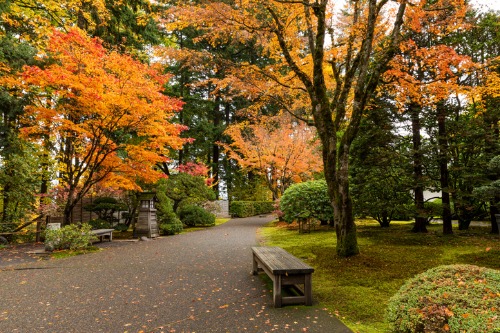
Portland appeals to retirees who value nature, walkability, and a relaxed vibe. The reality of long, gray winters can be emotionally challenging. Months of rain and limited sunlight affect mood and energy levels. Some retirees find it harder to stay active than they expected.
Oregon’s cost of living has also risen significantly. While there’s no sales tax, income taxes can be high. Housing costs have increased in many neighborhoods. These factors combined lead some retirees to reconsider their choice.
11. Seattle, Washington

Seattle attracts retirees with natural beauty and no state income tax. Housing prices, however, remain high and competitive. Even renting can take a large portion of retirement income. Many retirees feel financially stretched sooner than planned.
The climate is another adjustment. Long stretches of overcast weather are common, especially in winter. Some retirees miss consistent sunshine more than they anticipated. Over time, the tradeoffs can outweigh the benefits.
12. Denver, Colorado
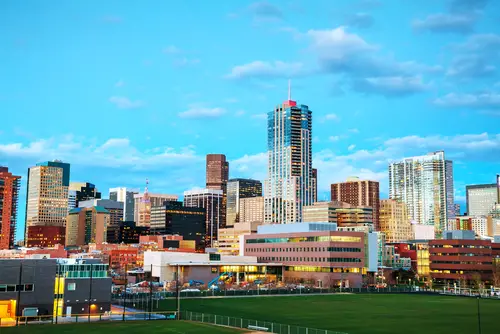
Denver offers outdoor recreation and a vibrant city atmosphere. The altitude can be challenging for retirees with heart or respiratory issues. Adjustment isn’t always easy, and some never fully acclimate. That can limit physical activity and comfort.
Housing costs have risen as Denver’s popularity has grown. Property taxes may be moderate, but home prices are not. Winter weather can also be unpredictable and demanding. Some retirees decide a lower-elevation lifestyle suits them better.
13. Coastal South Carolina
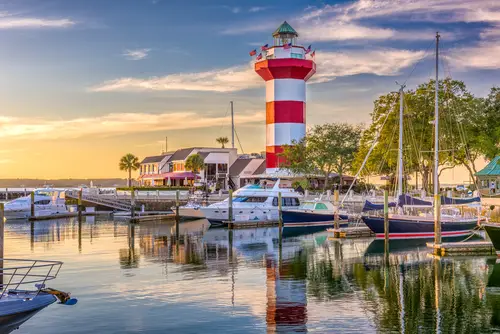
Coastal South Carolina draws retirees with charm, beaches, and mild winters. Hurricane risk becomes more concerning after experiencing a few seasons. Insurance costs and evacuation planning can add stress. Flooding in low-lying areas is also an ongoing issue.
Healthcare access can be limited outside major cities. Specialists and hospitals may require long drives. Summer heat and humidity are intense and persistent. These factors lead some retirees to relocate inland or north.
14. Alaska
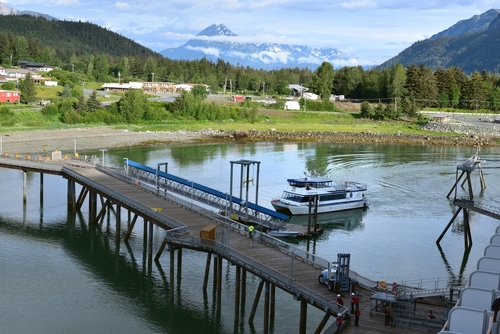
Alaska attracts adventurous retirees seeking natural beauty and solitude. The long, dark winters can be much harder than expected. Limited daylight affects mood and daily routines. Travel during winter months can also be challenging.
Healthcare access is a major concern for many retirees. Specialized care often requires traveling out of state. The cost of goods and utilities is higher due to transportation challenges. Over time, practicality outweighs the appeal for some residents.
This post Why Some Retirees Leave These 14 Places Sooner Than Planned was first published on Greenhouse Black.
