
1. Naples, Florida

Naples often tops “best places to retire” lists, but the day-to-day reality can wear some people down. Housing prices and insurance costs have climbed sharply, especially for homes near the water. Retirees on fixed incomes sometimes find their budgets stretched faster than expected. Add in seasonal crowds, and errands can feel like a chore during peak months.
Weather is another quiet deal-breaker for some. Hurricanes and flooding risks mean higher insurance premiums and frequent storm prep. Even outside storm season, the heat and humidity can feel relentless year after year. For retirees who imagined endless ease, the stress can outweigh the sunshine.
2. Phoenix, Arizona

Phoenix attracts retirees with its dry climate and relatively low taxes, but the heat can be a shock. Summers routinely bring weeks of temperatures well above 110 degrees. Many retirees find themselves staying indoors for long stretches, which isn’t what they envisioned. Over time, that can lead to isolation or health concerns.
Sprawl is another issue that sneaks up on people. Daily life often requires long drives for medical appointments, shopping, or social activities. Public transportation is limited in many neighborhoods. As mobility becomes more important with age, the car-dependent layout can push retirees to look elsewhere.
3. Las Vegas, Nevada

Las Vegas appeals to retirees because there’s no state income tax and plenty of entertainment. However, access to healthcare is a common reason people leave. The area has fewer specialists per capita than many large metro regions. Wait times for appointments can be long, especially for complex care.
The desert climate also takes a toll. Extreme heat, dust, and air quality issues can aggravate respiratory and heart conditions. Some retirees discover they miss greenery and walkable neighborhoods. Over time, the novelty of the Strip fades, and practical concerns take center stage.
4. The Villages, Florida
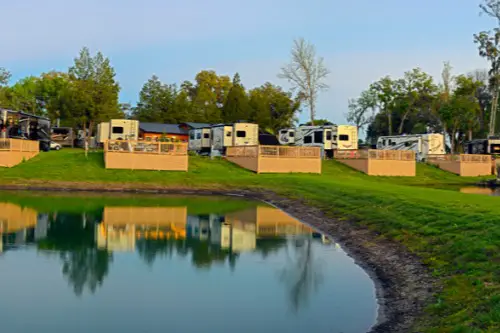
The Villages is designed specifically for retirees, which is exactly why some eventually move on. The sheer size of the community can feel overwhelming rather than comforting. As it has grown, traffic and congestion have increased noticeably. Simple trips can take longer than expected.
Healthcare demand is another challenge. With so many older residents, local medical systems can feel strained. Getting timely appointments with specialists isn’t always easy. For retirees whose health needs increase, relocating closer to family or major medical centers becomes appealing.
5. Palm Springs, California
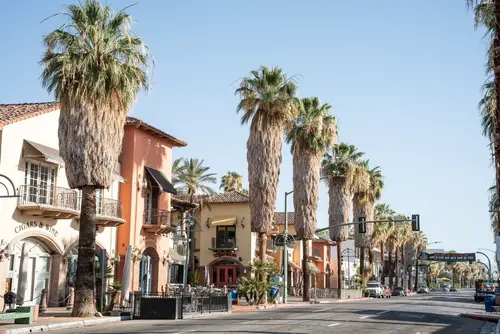
Palm Springs offers sunshine, golf, and a strong retiree culture, but the climate can be intense. Summer temperatures regularly soar above 110 degrees. Many retirees leave town for months at a time to escape the heat. Eventually, some decide to relocate permanently instead of migrating seasonally.
Cost is another factor. California’s overall cost of living, including housing and taxes, surprises newcomers. Utilities can also spike during long cooling seasons. For retirees watching their expenses closely, the math sometimes stops working.
6. Asheville, North Carolina
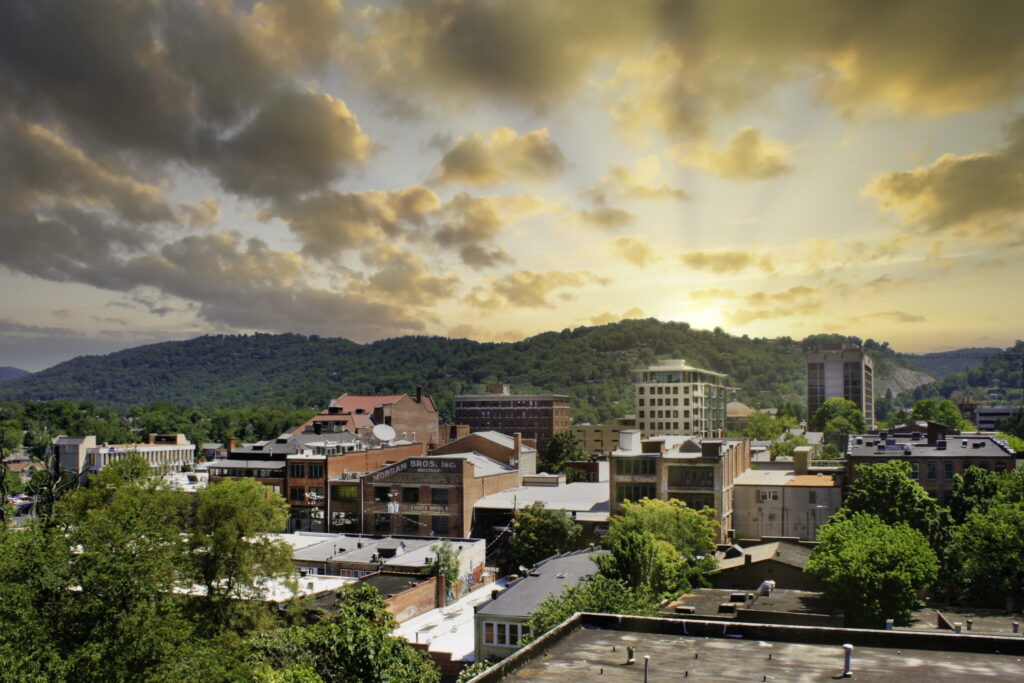
Asheville draws retirees with its arts scene and mountain views. In recent years, housing prices have risen faster than many expected. Retirees who arrive later often pay a premium for smaller homes. That can strain retirement savings more than planned.
Healthcare access is also a concern for some. While the area has hospitals, specialized care may require travel to larger cities. The mountainous terrain can make driving challenging, especially in winter. Over time, convenience starts to matter more than charm.
7. Austin, Texas

Austin’s culture and warm climate make it attractive, but rapid growth has downsides. Property taxes in Texas are high, and rising home values push those bills even higher. Retirees on fixed incomes can feel squeezed year after year. What once felt affordable may no longer be.
The city’s pace can also feel mismatched with retirement life. Traffic congestion has increased significantly. Summers bring long stretches of heat and humidity. Some retirees decide a quieter, cooler place better suits their next chapter.
8. Santa Fe, New Mexico
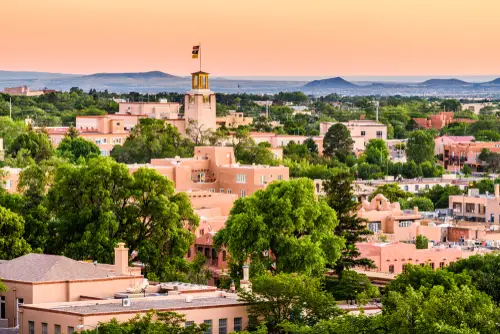
Santa Fe appeals to retirees who love art, history, and scenery. The city sits at over 7,000 feet in elevation, which can affect breathing and energy levels. Some newcomers don’t realize how strongly altitude can impact daily life. Over time, that adjustment becomes harder rather than easier.
Healthcare access is another practical issue. Specialized medical care often requires trips to Albuquerque or beyond. Winters can also be colder and snowier than expected. For retirees seeking simplicity, these challenges can prompt a move.
9. Charleston, South Carolina
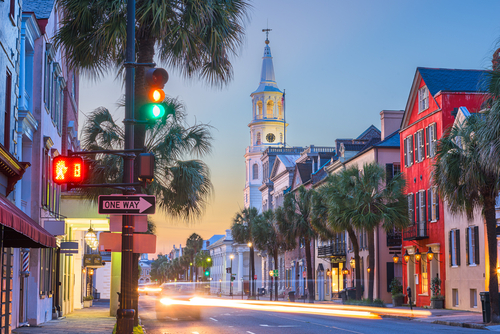
Charleston offers historic charm and coastal beauty, but environmental realities matter. Flooding during heavy rains and high tides is an ongoing concern in many neighborhoods. Insurance costs and home maintenance reflect that risk. Some retirees decide the uncertainty isn’t worth it.
The climate can also surprise people. Hot, humid summers last a long time. Tourism brings crowds that affect traffic and services. After a few years, the city can feel less relaxed than retirees hoped.
10. Boise, Idaho
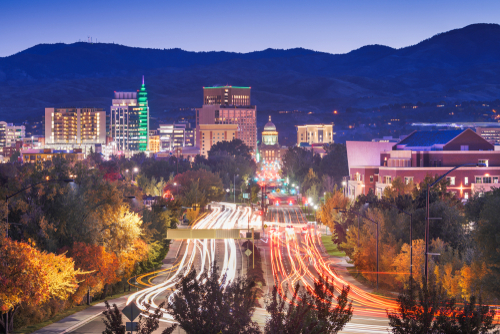
Boise has gained popularity for its livability and scenery. As demand increased, housing prices rose quickly. Retirees who move later may find fewer affordable options. That financial pressure can push them to reconsider.
Winters are another adjustment. Cold temperatures and snow can limit mobility for months. For retirees with joint issues or balance concerns, that matters. Some eventually choose a milder climate with easier year-round movement.
11. Flagstaff, Arizona
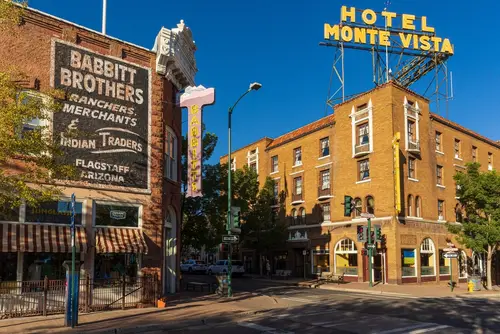
Flagstaff often surprises retirees expecting a typical Arizona climate. At around 7,000 feet, it has cold winters and heavy snowfall. Many people aren’t prepared for shoveling snow in retirement. The reality can clash with expectations.
The cost of living is also relatively high for a smaller city. Housing prices reflect limited supply and strong demand. Healthcare options are more limited than in larger metros. These factors combined lead some retirees to move on.
12. San Diego, California

San Diego’s weather is famously pleasant, but it comes at a price. Housing costs are among the highest in the country. Even retirees who own homes face high taxes and maintenance expenses. Over time, affordability becomes a serious concern.
California’s tax structure also plays a role. State income taxes can significantly affect retirement income. Crowded roads and busy neighborhoods add daily friction. For some retirees, the perfect climate isn’t enough to outweigh the financial and logistical strain.
This post Why Some Retirees Leave These Towns Within Five Years was first published on Greenhouse Black.
