
1. The age and condition of the RV is obvious at a glance
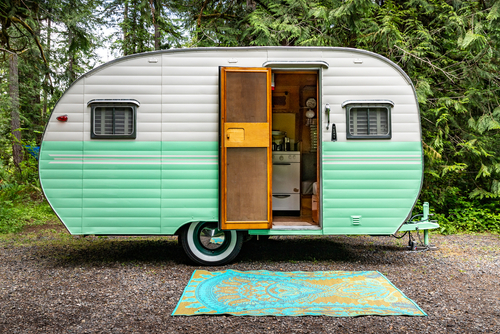
People notice immediately whether an RV looks new, well-maintained, or visibly neglected. A shiny, modern rig often signals reliability, financial stability, and experience, even if that assumption isn’t fair. On the flip side, an older RV with peeling decals or duct-taped parts can trigger stereotypes about rule-breaking or long-term squatting. That snap judgment affects how campground staff, neighbors, and even security interact with you.
There’s a reason this matters: campgrounds deal with real damage, abandoned rigs, and unpaid fees. Staff are trained to spot potential risks quickly, and appearance is the fastest shortcut. Even other RVers may keep their distance if they associate a worn rig with noise, mess, or drama. It’s not personal, but it’s very real.
2. How confidently you pull in and set up

The way someone arrives tells a story before they ever say hello. RVers who back in smoothly, follow hand signals, and set up efficiently look experienced and prepared. That competence often earns quiet respect from staff and neighbors. Hesitation, confusion, or repeated corrections can invite extra scrutiny or unsolicited advice.
This difference exists because mistakes can cause property damage or safety issues. Campground staff are responsible for preventing accidents, especially in tight spaces. A confident setup reassures them that you know what you’re doing. That reassurance often translates into being left alone afterward.
3. The way you interact with staff at check-in
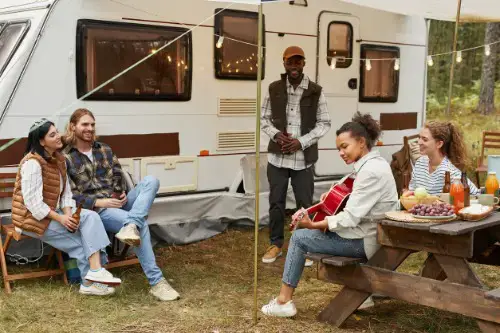
First impressions happen fast at the front desk or gate. Polite, direct communication signals cooperation and respect for rules. Staff often remember RVers who ask clear questions and listen carefully. Those interactions influence how flexible or accommodating staff are later.
This matters because campground employees juggle reservations, complaints, and safety concerns all day. Friendly RVers are easier to work with and less likely to cause issues. If a problem comes up later, staff are more inclined to help someone they trust. That difference can affect everything from site changes to late check-outs.
4. Whether you follow posted rules immediately
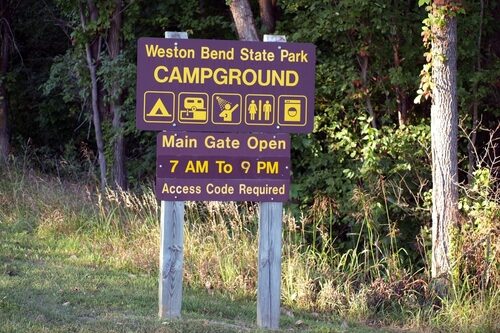
Staff and neighbors notice who reads signs and complies without being reminded. Speed limits, quiet hours, and pet rules are especially visible early on. RVers who follow them from the start blend in quickly. Those who ignore them stand out just as fast.
There’s a reason rules are enforced unevenly. Campgrounds rely on early behavior to predict future problems. If someone ignores one rule, staff assume more issues may follow. That assumption shapes how closely they’re watched.
5. The length of your stay signals different intentions
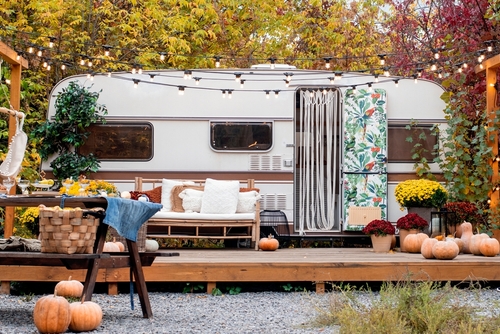
Short-term travelers are often treated differently than long-term or seasonal RVers. Overnight or week-long guests are seen as passing through with minimal impact. Long-term stays raise questions about wear, compliance, and community dynamics. That distinction changes how staff interact with you.
This difference exists because long-term RVers affect campgrounds more deeply. They use utilities consistently, interact more with neighbors, and can influence campground culture. Staff may enforce rules more strictly or communicate more often. It’s about management, not judgment.
6. The type of campground you choose
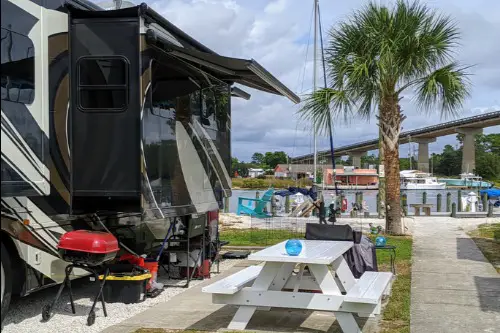
Private RV resorts, state parks, and boondocking areas all come with different expectations. Arriving at a luxury RV resort in a budget setup can create social distance. Likewise, a high-end rig in a rustic campground can feel out of place. People react to mismatches.
These reactions happen because each campground attracts a specific crowd. Amenities, price points, and rules shape behavior and norms. RVers subconsciously compare newcomers to what’s typical there. That comparison influences friendliness and trust.
7. Your vehicle and tow setup add context
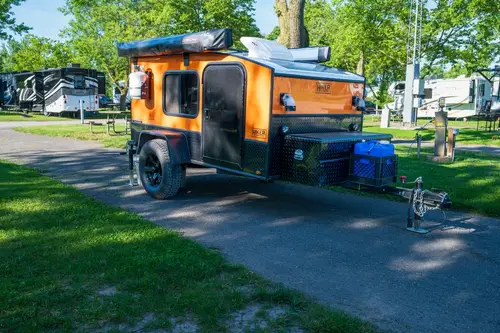
The tow vehicle or motorhome class sends signals instantly. A heavy-duty truck with a fifth wheel suggests long-distance experience. A mismatched or struggling setup can raise concerns about safety or reliability. People notice these details more than RVers realize.
This matters because accidents during towing or leveling are a real risk. Staff and neighbors want to avoid being impacted by someone else’s mistake. A solid setup reassures them you won’t block roads or need rescue. That reassurance affects how relaxed people are around you.
8. Pets change how people respond immediately

Pets, especially dogs, shape first impressions fast. A calm dog on a leash signals responsible ownership. Barking, roaming, or ignored pet rules raise red flags. People adjust their behavior based on those cues.
Campgrounds receive a high number of complaints related to pets. Noise, waste, and aggressive behavior are common issues. Staff often watch pet owners closely at first. Good pet behavior can quickly reverse skepticism.
9. Your appearance influences assumptions

Clothing, hygiene, and general presentation still matter. Clean, practical attire often signals preparedness and respect for shared spaces. Extremely disheveled or inappropriate dress can make people uneasy. These judgments happen even if no one wants to admit it.
This difference exists because campgrounds are shared environments. People want to feel safe and comfortable around their neighbors. Appearance becomes a shortcut for predicting behavior. It’s not fair, but it’s human.
10. Whether you socialize or keep to yourself
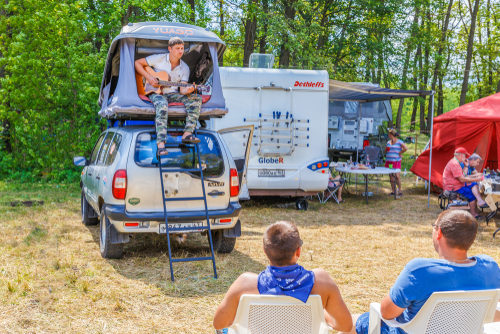
Some RVers wave, introduce themselves, or chat briefly on arrival. Others stay closed off and avoid eye contact. Friendly behavior often leads to warmer treatment from neighbors. Reserved behavior can be misread as standoffish or suspicious.
This matters because campground communities rely on informal cooperation. Neighbors watch out for each other and share information. Someone who engages is seen as part of that system. Someone who doesn’t may be treated cautiously.
11. Past experiences shape how others react to you
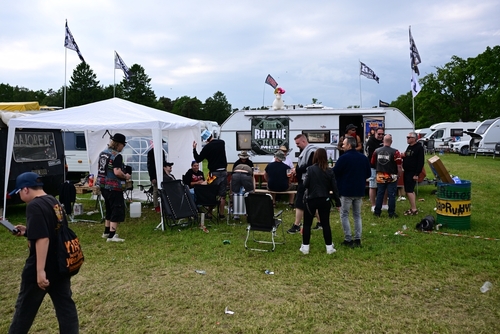
Staff and seasoned RVers carry memories of past problems. If your rig, behavior, or setup resembles a previous bad experience, reactions change. Those associations aren’t always conscious. But they influence tone and attention.
This happens because campgrounds operate on pattern recognition. It’s a survival tool in customer service and safety management. People adjust quickly to minimize risk. Understanding that helps explain why treatment can feel uneven from the moment you arrive.
This post Why Some RVers Are Treated Differently the Second They Arrive was first published on Greenhouse Black.
