
1. They’re Designed Around Real Routines, Not Imaginary Ones

An honest home reflects what actually happens there on a Tuesday night, not what looks good in a listing photo. The entryway has a place for backpacks because someone drops one there every afternoon. The kitchen counter holds a coffee grinder because someone uses it daily. The furniture layout makes sense for how people move, sit, and gather.
Performative spaces, by contrast, are often arranged around a fantasy version of life. The pristine desk no one works at and the formal dining room used twice a year are common examples. Designers often note that highly staged rooms prioritize symmetry and visual impact over function. You can usually tell when a room serves the camera more than the people living in it.
2. There’s Evidence of Use

In an honest space, objects show light wear in ways that make sense. The wooden dining table has faint marks from years of meals. The sofa cushions are slightly softer in the favorite corner. These signs of use are normal outcomes of material aging and everyday friction.
Performative rooms try to erase all evidence of living. Throw pillows are chopped into perfect shapes and never lean. Books are arranged by color but have uncracked spines. When a space feels untouchable, it subtly signals that comfort ranks below presentation.
3. Storage Is Practical, Not Just Hidden

Honest homes solve for clutter in visible, realistic ways. There are hooks by the door because coats need to land somewhere. Baskets hold charging cables because modern households have plenty of them. Open shelving often mixes attractive objects with everyday tools.
Performative spaces tend to rely on the illusion of effortlessness. Everything appears minimal, but only because excess is moved out of frame. Real life generates paper, laundry, and small messes, and good design accounts for that. When storage is usable rather than aspirational, the room feels grounded.
4. Personal History Is Present

An honest home includes things that wouldn’t necessarily be chosen by a stylist. There might be a framed childhood photo next to contemporary art. A handmade mug sits beside a designer vase. These objects tell a timeline of the people who live there.
Performative spaces often follow a single aesthetic too strictly. Every item matches a trend cycle, from boucle chairs to limewashed walls. While cohesive design isn’t inherently inauthentic, erasing personal history can make a home feel interchangeable. Specificity is what gives a space emotional credibility.
5. Comfort Is Prioritized Over Optics
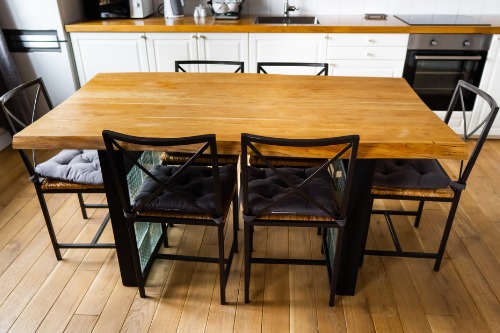
In honest spaces, seating is arranged for conversation and actual support. The couch depth suits the people who nap on it. Lighting includes soft lamps at eye level, which research shows creates a warmer, more relaxing atmosphere than overhead-only lighting. Textiles are chosen as much for feel as for color.
Performative rooms sometimes favor dramatic lighting or sculptural furniture that photographs well. Low-slung sofas and armless chairs can look striking but aren’t always practical. Overly bright, cool-toned lighting can feel more like a showroom than a living room. When comfort loses out to aesthetics, the room feels slightly staged.
6. The Scale Matches the Space
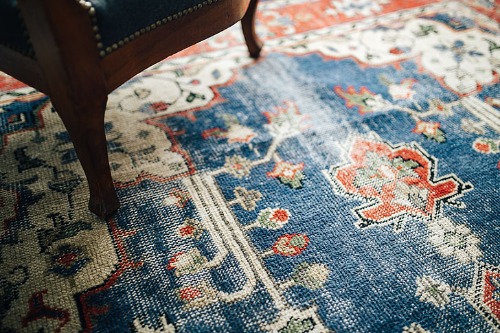
Honest homes respect proportion. The rug is large enough that at least the front legs of the sofa sit on it, which interior design guidelines commonly recommend. The art is scaled to the wall rather than floating awkwardly. Furniture allows for clear walking paths of about 30 to 36 inches, a standard ergonomic recommendation.
Performative rooms sometimes chase dramatic statements without considering fit. An oversized chandelier can overwhelm a low ceiling. Tiny rugs can make a room feel disconnected and unfinished. When scale is ignored, the space feels curated for impact instead of lived experience.
7. Materials Age Gracefully

In honest spaces, materials are chosen with an understanding of how they’ll change. Solid wood develops patina rather than peeling. Natural fibers like wool and linen soften with use. These material behaviors are well-documented and part of why they’ve been used for centuries.
Performative rooms often rely heavily on finishes that look perfect at first but don’t wear well. Ultra-gloss surfaces show fingerprints immediately. Trend-driven laminates can chip or date quickly. When materials can’t tolerate normal life, the room feels fragile rather than welcoming.
8. The Layout Reflects Real Relationships
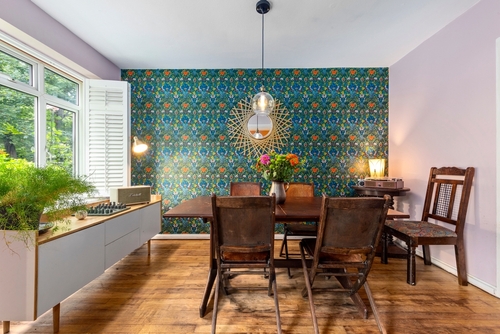
An honest living room makes it easy for people to see and hear each other. Chairs face inward, creating conversational groupings. The television, if present, doesn’t necessarily dominate every angle. Environmental psychology research consistently shows that seating arrangements influence social interaction.
Performative layouts sometimes prioritize a single focal wall for visual drama. Furniture lines the perimeter, leaving a large empty center that looks impressive in photos. But that arrangement can make conversation feel formal or distant. When a room supports connection, it feels sincere.
9. Trends Are Filtered, Not Followed Blindly

Honest homes may include trends, but they’re adapted to personal taste. A popular paint color might appear in a small hallway rather than across the entire house. A viral decor item shows up because it genuinely suits the space. The overall result feels selective rather than reactive.
Performative spaces often read like a catalog of the current year. When multiple fast-moving trends stack together, the room can feel timestamped. Trend cycles in home decor typically shift every few years, driven by retail and social media. A home that filters rather than copies tends to age better.
10. There’s Room for Imperfection
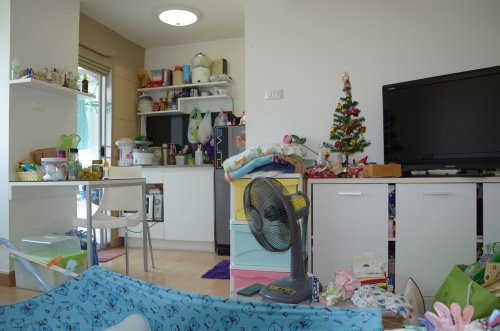
In an honest home, not every corner is optimized. A stack of mail sits on the console because life is busy. A plant leans slightly toward the window. These small irregularities are normal signs of occupancy.
Performative spaces aim for constant readiness. Surfaces are cleared to a near-blank state. Every object feels intentionally placed and permanently fixed. While tidy can be lovely, hyper-control can also feel like a performance.
11. The Space Supports Well-Being
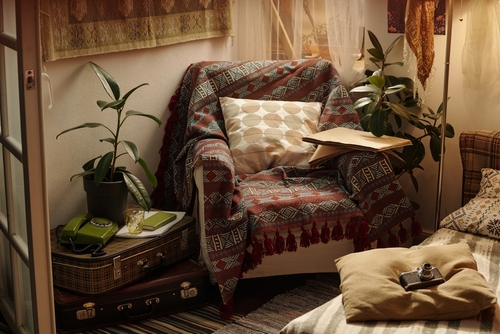
Ultimately, honest spaces feel calm because they align with human needs. Access to natural light, which research links to improved mood and sleep regulation, is prioritized. Windows are uncovered where privacy allows. The air flows, and pathways are clear.
Performative spaces can unintentionally undermine comfort. Heavy drapery might block daylight for the sake of drama. Furniture can crowd circulation to create a fuller look. When a room supports how bodies and minds actually function, the honesty is almost tangible.
This post Why Some Spaces Feel Honest — and Others Performative was first published on Greenhouse Black.
