
1. Miami
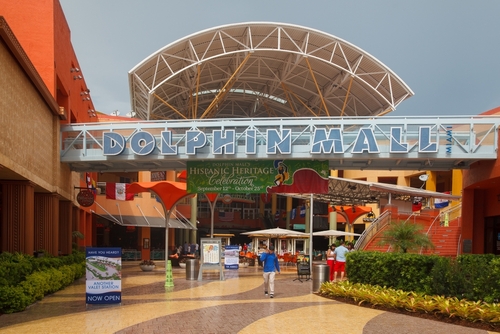
Miami often feels wrong at first because of how seasonal the city is. Depending on when you arrive, the heat and humidity can feel overwhelming. Summer storms are intense and frequent, which surprises many newcomers. Everyday tasks feel harder in the heat.
Socially, Miami can feel transient and image-driven. Many people are new, visiting, or between phases of life. That makes forming deeper connections harder at first. The city opens up over time, but the initial surface-level vibe can feel hollow.
2. San Francisco

San Francisco’s first-month discomfort often starts with sticker shock. Rent, groceries, and even casual takeout can cost more than newcomers anticipated, especially compared to salaries elsewhere. The city’s compact size also surprises people who expect a bigger, busier downtown feel. It can feel oddly quiet in certain neighborhoods after dark.
The weather adds to the confusion. Despite California’s reputation, San Francisco is frequently cool, foggy, and windy, especially in summer. New arrivals often realize they underpacked warm layers and overpacked beachwear. That mismatch between expectation and reality can make the city feel less welcoming at first.
3. Los Angeles
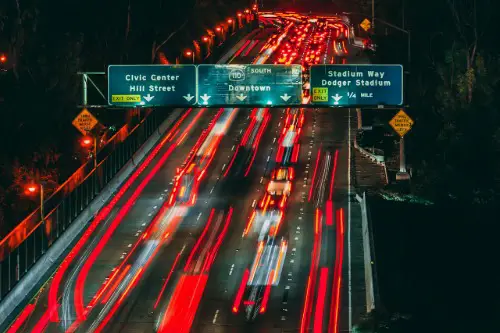
Los Angeles feels wrong initially because distances are deceptive. A place that looks close on a map can take 45 minutes to reach, depending on traffic. This makes spontaneous plans harder and daily routines more exhausting than expected. The city doesn’t feel cohesive until you understand its neighborhood-based layout.
Social adjustment can also be tricky. Many newcomers feel pressure to be productive, connected, or “on the grind,” especially in creative or entertainment circles. Relationships can feel transactional at first, even if that’s not always the case long-term. It takes time to find people who aren’t just networking.
4. Seattle
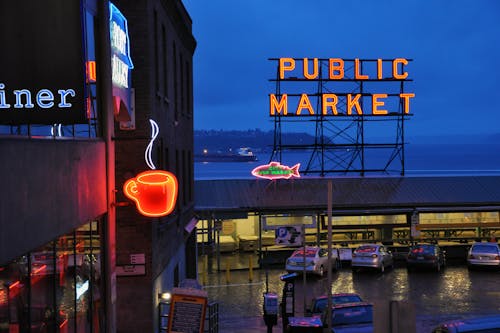
Seattle’s first month often feels emotionally heavier than anticipated. The gray skies and frequent drizzle can be a shock, especially for people arriving in fall or winter. Shorter daylight hours affect mood more quickly than many expect. Even people who love cozy weather can feel off-balance.
Socially, newcomers often notice the so-called “Seattle Freeze.” People are polite but reserved, and friendships take longer to form. Invitations don’t always come naturally, even after friendly conversations. This can make the city feel distant before it starts to feel like home.
5. Austin

Austin can feel wrong at first because the growth is impossible to ignore. Traffic is worse than many expect, and infrastructure hasn’t fully caught up to the population boom. New residents often feel surprised by how long errands or commutes take. That friction can clash with the city’s laid-back reputation.
There’s also an identity adjustment. Austin markets itself as quirky and alternative, but parts of the city feel increasingly polished and expensive. Newcomers expecting a smaller, artsy town can feel disoriented. It takes time to find the pockets that still match the city’s old reputation.
6. Denver
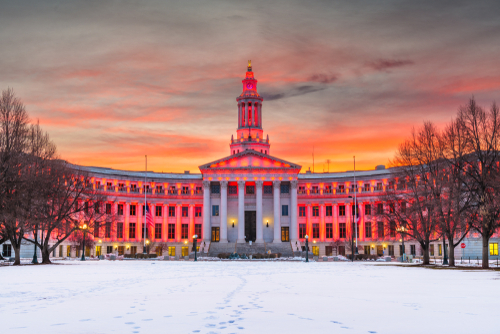
Denver’s first month can feel physically uncomfortable. The altitude affects sleep, hydration, and energy levels, even for healthy people. Many newcomers experience headaches or fatigue without realizing altitude is the cause. That discomfort can color early impressions of the city.
Culturally, Denver can feel quieter than expected. The downtown core empties out earlier than in larger coastal cities. Social life often revolves around outdoor activities, which can feel exclusionary if you’re not immediately plugged in. Once adjusted, it makes sense, but the first month can feel isolating.
7. New York City
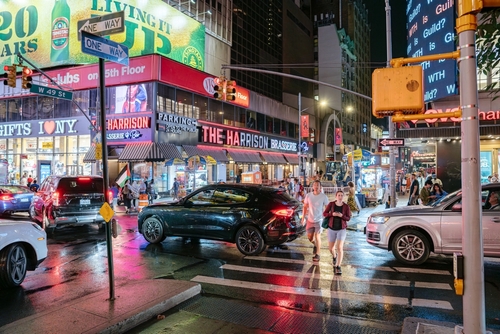
The first month in New York City often feels wrong because the pace is faster than most people expect, even if they thought they were prepared. Everyday tasks like grocery shopping, laundry, or commuting can feel oddly stressful because space is tight and everyone seems in a hurry. Apartments are smaller than listings suggest, and the noise rarely stops, even late at night. It can make you wonder why you paid so much to feel constantly overstimulated.
Socially, New York can feel surprisingly lonely at first. People aren’t rude, but they’re focused, and small talk with strangers is not guaranteed. Making friends usually requires scheduled plans rather than spontaneous hangouts. That disconnect fades over time, but the first month can feel emotionally colder than expected.
8. Chicago
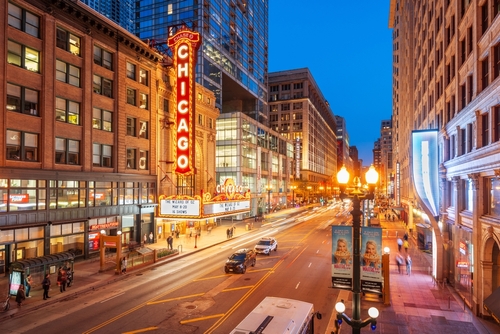
Chicago’s first month feels off largely because of the scale. Neighborhoods are distinct and spread out, and it takes time to understand how they connect. Newcomers often underestimate travel time across the city. That learning curve can make the city feel inconvenient early on.
Weather anxiety also sets in quickly. Even before winter arrives, people talk about it constantly. New residents start questioning their decision as soon as temperatures drop. The city’s warmth is social, not climatic, and that contrast can be confusing at first.
9. Boston
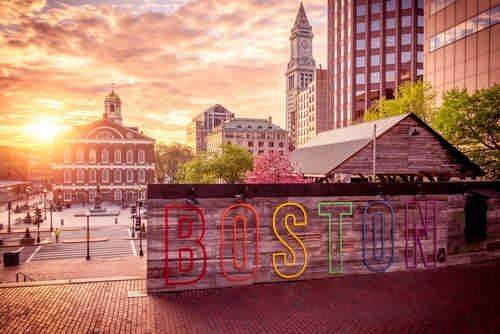
Boston can feel frustrating during the first month because it’s unintuitive. Streets don’t follow a grid, public transit takes getting used to, and local customs are blunt. Newcomers often feel lost longer than expected. That confusion can feel like rejection.
Social dynamics also take adjustment. Bostonians are friendly but not always outwardly warm. Relationships build slowly and are often rooted in long histories. Until you break in, the city can feel closed-off.
10. Washington, D.C.
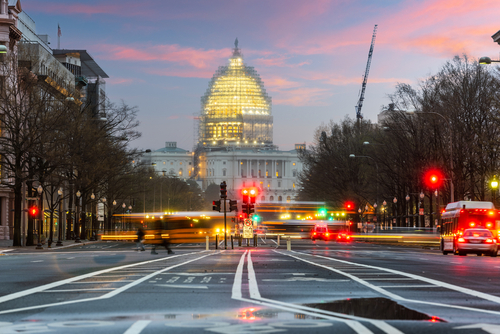
Washington, D.C. feels wrong at first because work dominates conversation. Many social interactions quickly turn to jobs, policy, or credentials. This can feel transactional or impersonal to newcomers. It takes time to find spaces where that pressure fades.
The city’s rhythm is also unusual. It empties out on weekends and holidays more than expected. New residents are often surprised by how quiet it gets. That contrast can make the city feel less alive at first.
11. Phoenix
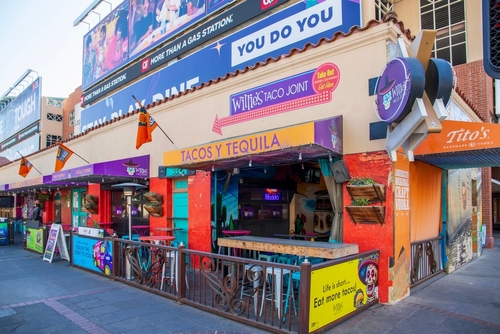
Phoenix’s first month discomfort is almost always climate-related. Even people who expect heat underestimate its persistence and intensity. Summer temperatures limit outdoor activity more than newcomers expect. That can feel claustrophobic.
The city’s layout also surprises people. Phoenix is extremely spread out, and driving is unavoidable. Neighborhoods can feel disconnected without a strong central core. It takes time to learn how people actually live there.
12. Nashville
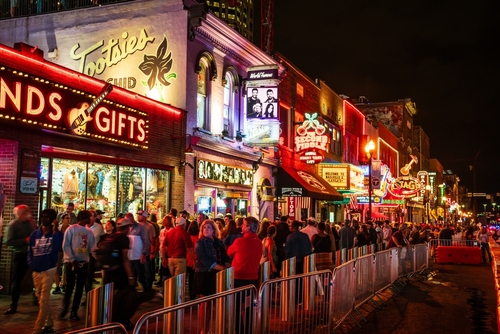
Nashville can feel wrong initially because expectations are shaped by tourism. Broadway’s party scene is not representative of daily life, but it’s often the first thing newcomers see. That disconnect can make the city feel shallow or chaotic. Locals live very differently than visitors.
There’s also rapid change happening. Longtime residents talk openly about growth, rising costs, and lost character. Newcomers can feel caught in that tension. It takes time to find your place without feeling like part of the problem.
This post Why the “Perfect Move” Feels Wrong the First Month was first published on Greenhouse Black.
