
1. Cassette Tapes
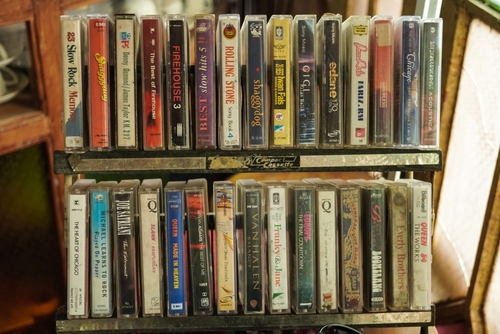
Cassette tapes are worth money again thanks to renewed interest in analog music formats. Indie musicians and small labels now release limited-run cassettes. Original releases from punk, hip-hop, and metal scenes are especially sought after. Many were produced cheaply and discarded, making survivors rarer than vinyl equivalents.
Working tape decks are harder to find, which adds to the format’s mystique. Collectors value original artwork and intact cases. Unlike streaming, tapes represent a physical moment in music history. That tangible connection supports rising resale prices.
2. VHS Tapes

VHS tapes are being repriced because collectors are chasing sealed and rare releases. Certain Disney “Black Diamond” titles and cult horror films have sold for thousands when unopened. Nostalgia plays a role, but scarcity is the real driver. Most tapes were thrown away or degraded, leaving fewer high-quality copies behind.
Grading services have also legitimized VHS as a collectible. Once items can be slabbed and scored, prices stabilize and climb. That formal market structure attracts speculators as well as fans. What used to be clutter now functions like vintage trading cards.
3. Vintage Pyrex
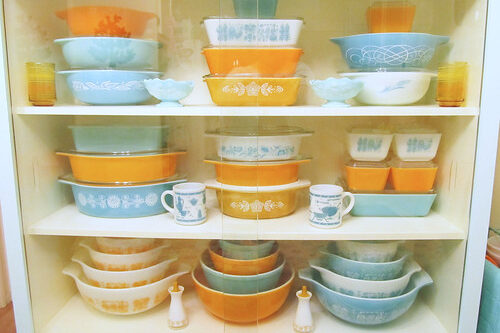
Vintage Pyrex is being repriced because specific patterns were produced in limited runs. Designs like Gooseberry, Butterprint, and Pink Daisy are no longer manufactured. Many pieces were damaged through everyday use, shrinking the supply of intact sets. Collectors now compete for bowls that once lived in thrift stores.
Social media accelerated the trend by turning cookware into decor. Once people recognized patterns by name, values became trackable. Color, condition, and completeness now matter a lot. What was once a kitchen staple is now a display collectible.
4. Old Video Games
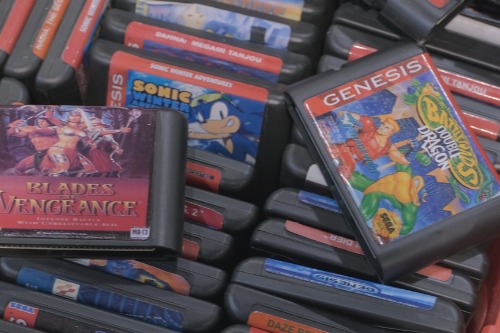
Retro video games are suddenly valuable because of grading and preservation culture. Sealed copies of early Nintendo, Sega, and PlayStation games are extremely scarce. Cardboard boxes and instruction manuals were usually discarded. Complete copies now command significant premiums.
Emulation didn’t kill demand because collectors want original hardware and packaging. Nostalgia plays a role, but condition drives price. High-profile auction sales pushed the category into mainstream awareness. That visibility reset expectations across the market.
5. Vintage Levi’s Jeans
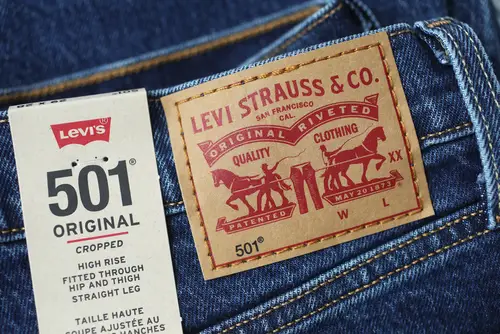
Old Levi’s jeans are worth money due to changes in manufacturing and materials. Earlier pairs used heavier denim and distinctive stitching no longer produced. Details like redline selvedge and single-stitch hems date jeans precisely. Collectors value authenticity and wear patterns.
Many vintage pairs were destroyed through hard use. Surviving examples tell a story through fading and repairs. Fashion cycles brought loose, durable denim back into demand. That convergence drove resale prices sharply upward.
6. Mid-Century Furniture
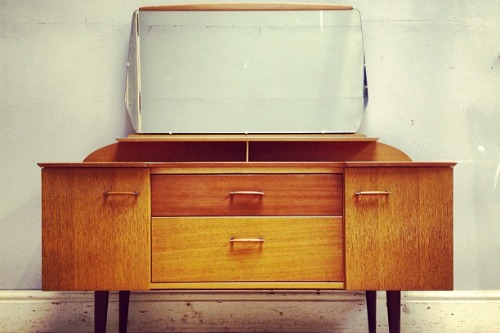
Mid-century furniture is being repriced because original pieces outperform modern reproductions. Designers like Eames and Wegner used construction techniques that are costly today. Many originals were discarded before they were considered valuable. What remains is limited and increasingly desirable.
Younger buyers favor durability and timeless design. Social media and design blogs helped educate consumers. Once people learned to identify authentic pieces, prices rose. Furniture became an investment rather than just a functional item.
7. Old Concert T-Shirts
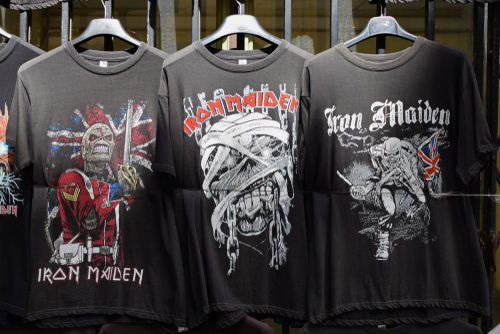
Vintage concert T-shirts are valuable because they were meant to be worn, not saved. Shirts from 1970s–1990s tours were often washed to death. Original prints, tags, and single-stitch seams are now key indicators of age. Scarcity increases with every lost shirt.
Band culture also fuels demand. Certain artists have cross-generational appeal that keeps prices high. Fashion brands helped legitimize band tees as style pieces. That crossover pushed them into the collectibles market.
8. Comic Books
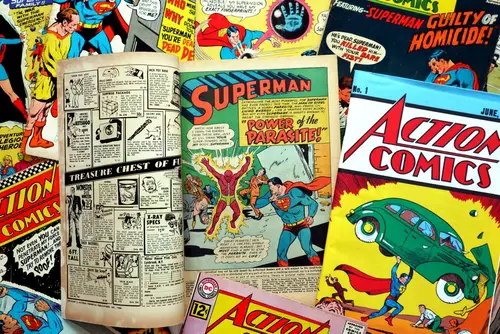
Comic books are being repriced due to film and television adaptations. First appearances of characters become valuable when franchises expand. Many early issues were printed on cheap paper and poorly preserved. High-grade copies are exceptionally rare.
Professional grading standardized the market. Condition now translates directly into value. Even lesser-known titles benefit from renewed interest. Comics are no longer just reading material but historical artifacts.
9. Antique Cameras
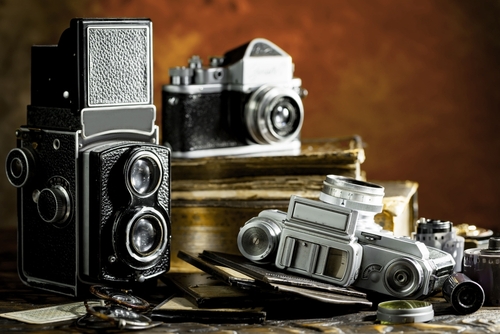
Old cameras are valuable again because they were built to last. Brands like Leica and Rolleiflex used mechanical designs still usable today. Digital photography increased appreciation for analog processes. Working cameras from the early 20th century are finite.
Collectors value both functionality and aesthetics. Certain lenses are still prized for their optical qualities. Repairability adds long-term value. These cameras sit at the intersection of art and engineering.
10. Vinyl Records
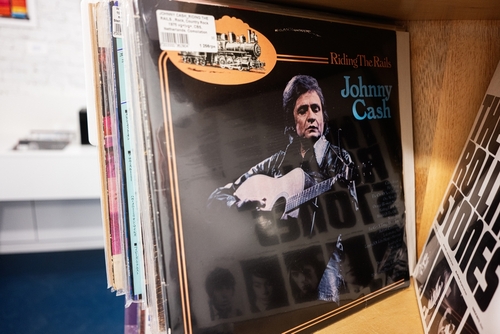
Vinyl records gained value as listeners sought physical ownership. Early pressings often sound different due to mastering techniques. Some albums had limited initial runs or regional releases. Condition-sensitive formats reward careful storage.
Record Store Day and reissues renewed interest without oversaturating originals. Collectors distinguish between pressings, not just titles. That nuance supports higher prices. Vinyl now occupies both nostalgia and audiophile spaces.
11. Old Board Games

Vintage board games are worth money because complete sets are rare. Small pieces were easily lost over time. Box art and original instructions matter to collectors. Games tied to discontinued franchises are especially valuable.
Manufacturing quality has changed since mid-century. Older games often used sturdier materials. Nostalgia-driven collecting revived demand. Once overlooked titles now sell for hundreds when complete.
12. Typewriters
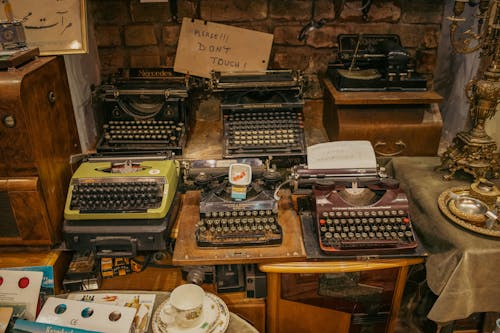
Typewriters are valuable again due to renewed interest in distraction-free writing. Mechanical models from brands like Smith-Corona and Olympia are repairable. Many were scrapped when computers became dominant. That reduced the pool dramatically.
Writers and artists prize the tactile experience. Typewriters also function as decor. Fully working machines command premiums. What was once obsolete now feels intentional.
13. Old Tools
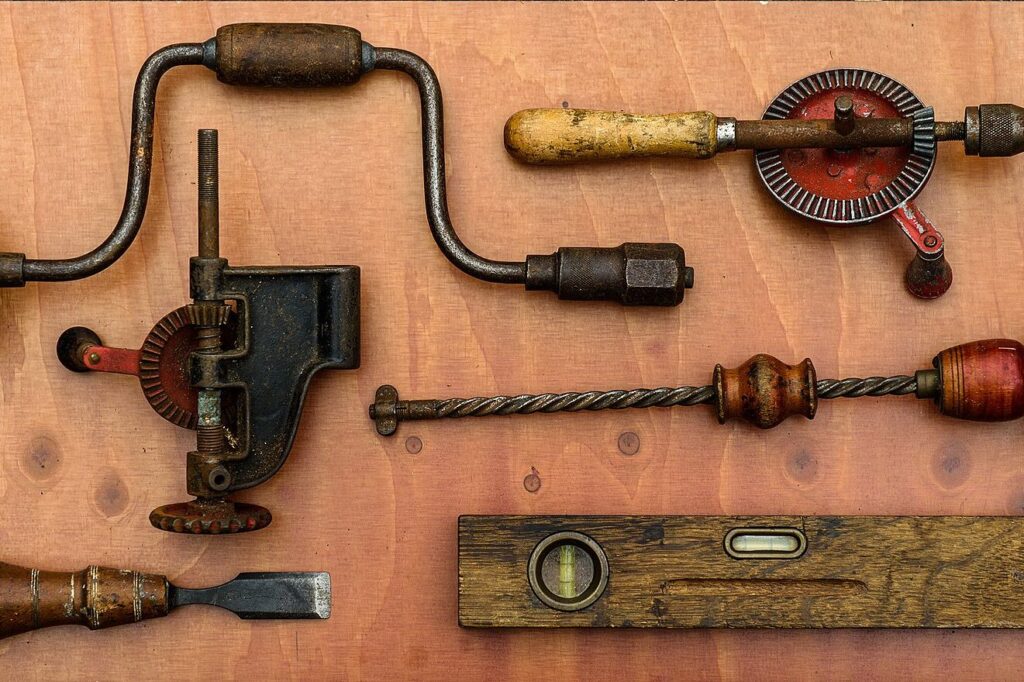
Vintage hand tools are being repriced because of build quality. Older tools often used higher-grade steel and solid wood handles. Many modern equivalents are mass-produced with cheaper materials. Craftspeople notice the difference.
Certain brands have cult followings. Tools passed down through generations carry credibility. Restoration videos and forums boosted interest. Functionality and nostalgia combine to drive value.
14. China Sets and Silverware
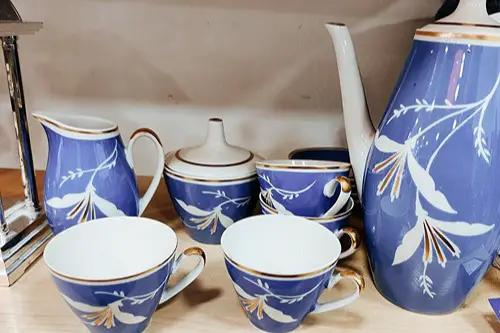
Fine china and silverware are regaining value in niche markets. Certain makers and patterns are no longer produced. Complete sets are harder to find than individual pieces. Estate sales created supply, but demand is becoming more selective.
Younger buyers repurpose these items for everyday use. Sustainability trends favor reuse over new purchases. High-quality materials stand out against modern alternatives. That renewed appreciation is quietly lifting prices.
This post Why These 14 Familiar Old Items Are Suddenly Being Repriced was first published on Greenhouse Black.
