
1. Overly Ornate Fountains
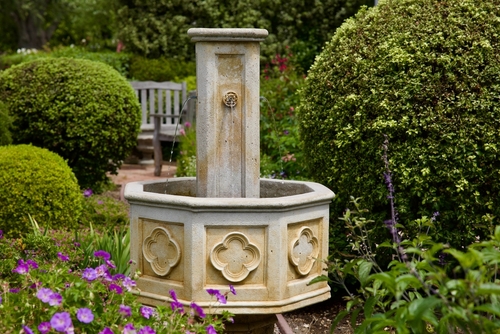
A big, ornate fountain might seem like a statement piece, but it can make your yard feel cluttered and dated. Many buyers see them as high-maintenance features that require constant cleaning and repair. The sound of water can be relaxing, but when it’s too loud, it overwhelms the space instead of enhancing it. Plus, fountains can quickly turn into algae traps if the water system isn’t perfectly balanced.
Instead of a large, multi-tiered model, a small modern water feature or a simple birdbath can create the same sense of serenity. These are easier to maintain and fit seamlessly into a variety of landscape styles. They also help preserve open space, which most homeowners and buyers value more than decorative excess. In short, subtle water accents feel thoughtful—while oversized fountains can feel pretentious.
2. Artificial Turf Lawns
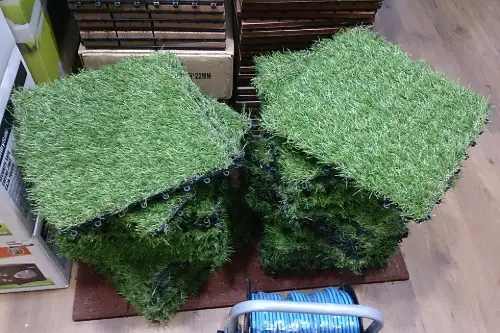
Synthetic grass can look perfectly green, but it often signals “high heat” and “plastic smell” more than “luxury.” Many homeowners don’t realize that artificial turf can get hot enough to burn bare feet during summer. It also doesn’t absorb rainwater, which can lead to runoff and drainage problems over time. Environmental-minded neighbors might see it as wasteful since it’s made from non-biodegradable materials.
While it seems like a low-maintenance option, artificial turf still needs regular brushing, disinfecting, and replacement every few years. Natural grass, even when imperfect, cools the air and supports soil health. If maintenance is your concern, consider drought-tolerant ground covers instead. They look organic, stay cooler, and often boost curb appeal rather than harm it.
3. Excessive Outdoor Lighting
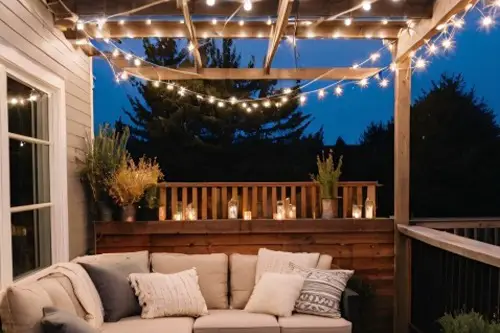
A yard bathed in bright lights can look glamorous at first, but it often feels more like a parking lot than a home. Over-lighting washes out natural textures and creates harsh glare instead of ambiance. It also increases energy bills and contributes to light pollution, which many communities are trying to reduce. Neighbors may even find it intrusive if your lights spill beyond your property line.
The key to good outdoor lighting is subtlety. Soft path lights, gentle uplighting on trees, and a few warm accent spots are all you really need. This creates dimension without overpowering the yard’s natural beauty. When lighting is used thoughtfully, it invites relaxation instead of overstimulation.
4. Massive Deck Extensions
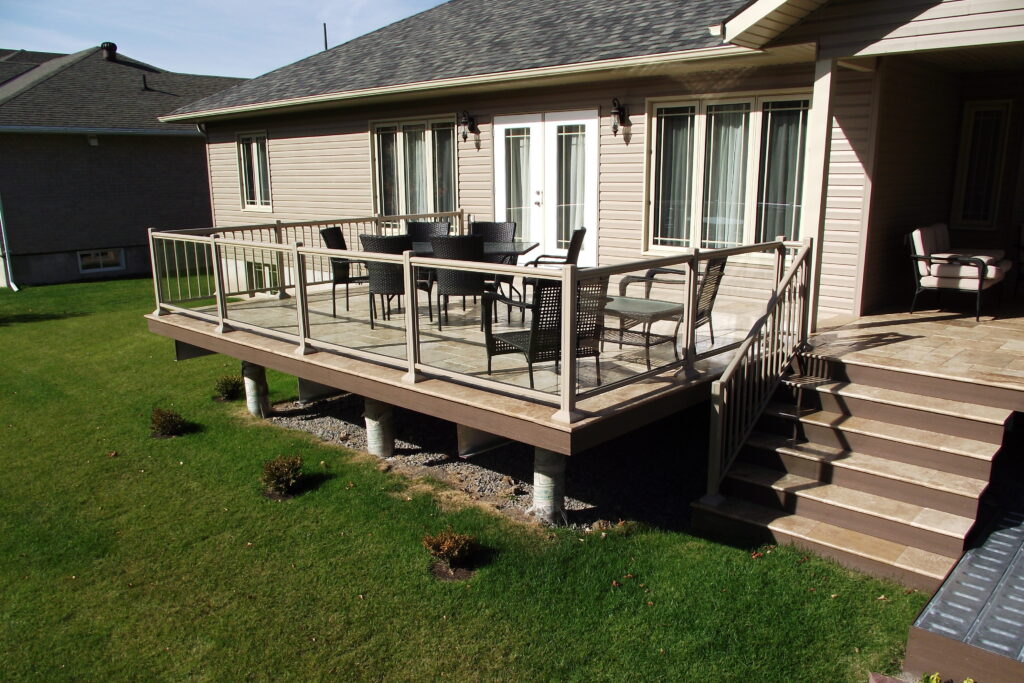
Extending your deck sounds like a great idea, but bigger isn’t always better. Oversized decks can dominate a yard, leaving little room for plants, grass, or natural gathering areas. They also fade, crack, and require regular staining to maintain that “new” look. Potential buyers often see them as extra upkeep rather than added value.
Instead, aim for a deck that balances function and flow. A cozy, well-designed patio or smaller deck surrounded by greenery often feels more inviting. These spaces encourage conversation and blend seamlessly into the landscape. A deck should frame your yard, not replace it.
5. Overdone Hardscaping
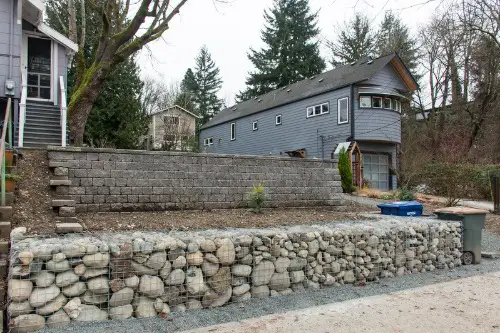
Endless pavers, retaining walls, and stonework might scream “investment,” but they can easily make a yard feel cold and unwelcoming. Without soft landscaping to balance the space, hard surfaces dominate visually and can even increase heat retention. It’s also expensive to repair cracked or uneven stones over time. Overdesigning the yard this way often leaves no room for plants or flexibility.
A more natural mix of grass, shrubs, and limited stonework adds character and life. Even a simple gravel path paired with soft lighting looks more intentional. Hardscaping should frame nature, not replace it. When the balance tips too far toward concrete, you lose the sense of outdoor tranquility entirely.
6. Giant Pergolas or Gazebos
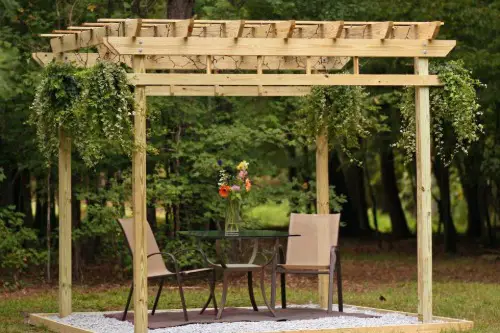
Large wooden structures can be beautiful, but they often eat up valuable yard space. They also require regular sealing and can quickly weather or rot without constant care. If not properly sized for the yard, a gazebo or pergola can look awkward and make the space feel smaller. Too much shade in one area can also kill grass or flowers beneath it.
Smaller pergolas or open trellises feel lighter and more inviting. They define space without overwhelming it. You can add climbing plants or fabric drapes to soften the structure naturally. The result is a feature that feels intentional rather than imposing.
7. Expensive but Invasive Plants
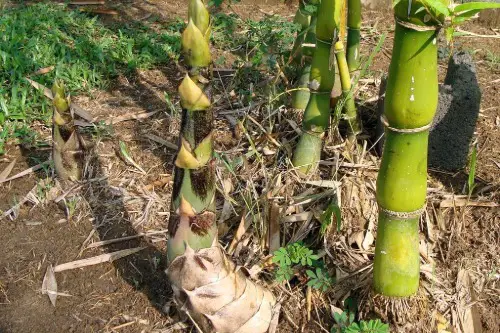
High-end landscaping sometimes includes fast-growing exotic plants that look lush at first. The problem is, many of these species—like bamboo or English ivy—spread aggressively and damage nearby soil and structures. They’re difficult to control and can quickly overrun native plants. What looks elegant one year can become an ongoing battle the next.
Choosing native or well-behaved species gives you a more sustainable, low-maintenance yard. They’re adapted to your climate, meaning less watering and fertilizing. Plus, they support local pollinators and wildlife. A garden that thrives naturally is far more appealing than one that constantly needs taming.
8. Stone Fire Pits Built Too Close to the House
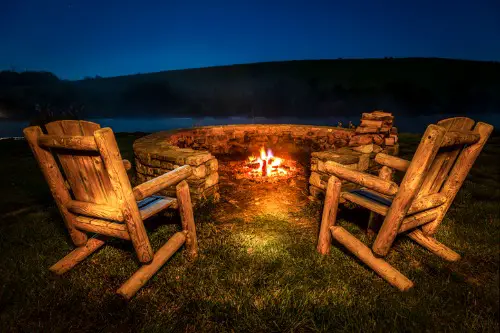
A fire pit feels like the ultimate outdoor luxury until it becomes a safety issue. When placed too close to your home, deck, or fencing, it can pose a real fire hazard. The smoke can also drift inside, staining walls or triggering alarms. Even when it’s safe, oversized stone fire pits can dominate small yards and feel excessive.
Opt for a portable fire bowl or a properly distanced gas fire table. They provide the same warmth and social draw without the bulk or risk. Fire features should feel cozy, not like permanent installations. Keeping them simple makes them easier to use—and to live with.
9. Brightly Colored Mulch
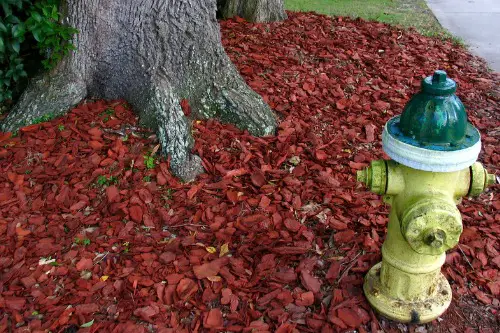
Red or black mulch might look eye-catching, but it often clashes with natural surroundings. These dyed mulches can fade unevenly, leaving streaky, artificial-looking patches. Some are even made from recycled wood that may contain contaminants. Instead of enhancing plant color, they can distract from it.
Natural brown mulch or compost-based options enrich the soil as they decompose. They help retain moisture while blending seamlessly into your yard’s palette. You’ll get the same weed suppression benefits without the synthetic look. Sometimes subtlety really does look richer.
10. Oversized Sculptures

Large sculptures can make a statement—but not always a flattering one. They draw attention away from the natural beauty of your plants and hardscape. When the piece doesn’t fit the scale of your yard, it feels more like a museum installation than a welcoming home. They can also polarize opinions if your taste doesn’t align with future buyers’.
Smaller garden art or understated features like stone benches feel more personal. These add charm without dominating the space. The goal is to create visual interest that complements, not competes. The best outdoor art enhances the scene, not overshadows it.
11. Fake Rock Features
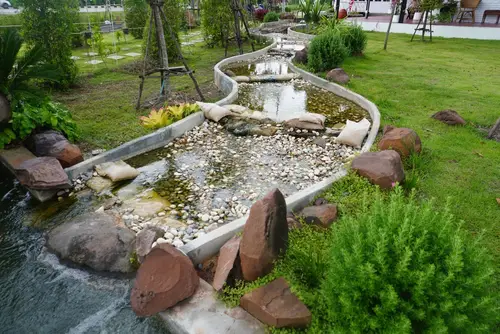
Artificial boulders or rock waterfalls might look dramatic, but they rarely pass for the real thing up close. Over time, weathering and sun exposure make the plastic or fiberglass obvious. They’re also bulky, expensive, and offer little function beyond aesthetics. Once the novelty fades, they tend to feel kitschy rather than classy.
If you want that natural rock look, use authentic stones sparingly. Even a small rock border or genuine stone fountain adds more authenticity. It’s better to highlight natural materials than to imitate them. Real always outlasts fake in outdoor design.
12. High Fences for Privacy
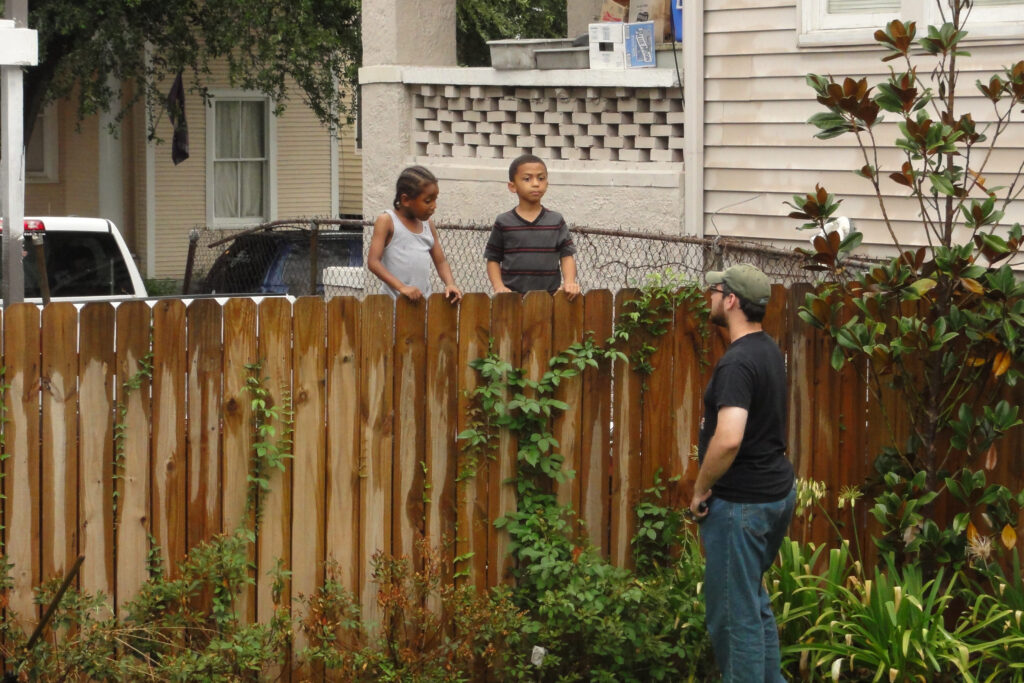
Tall fences can make your yard feel exclusive—but they often do the opposite. They block views, cut off breezes, and make outdoor spaces feel boxed in. Some neighborhoods even restrict fence height because it changes the open character of the area. Plus, tall fences can shade gardens and make lawns patchy.
Instead, combine shorter fencing with shrubs or lattice panels for privacy. These options still provide separation without feeling claustrophobic. Natural barriers like hedges also soften hard lines and attract wildlife. A yard that feels open always seems more inviting.
13. Too Many Potted Plants
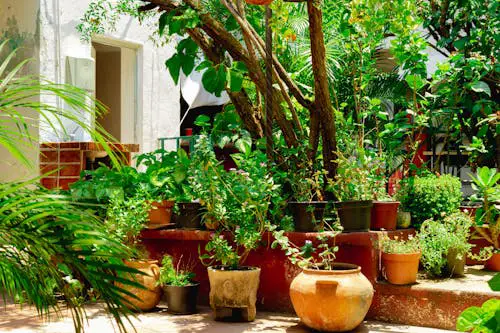
Containers are great accents, but too many can create a cluttered, high-maintenance look. Each pot requires individual watering, fertilizing, and repotting. When they’re scattered randomly, they break the yard’s visual flow. Instead of luxury, it starts to read as “garden chaos.”
Limit yourself to a few statement containers in cohesive colors or materials. Place them strategically at entrances or patio corners to frame the space. You’ll get all the decorative impact without the mess. The key is curation, not accumulation.
14. Overly Manicured Lawns
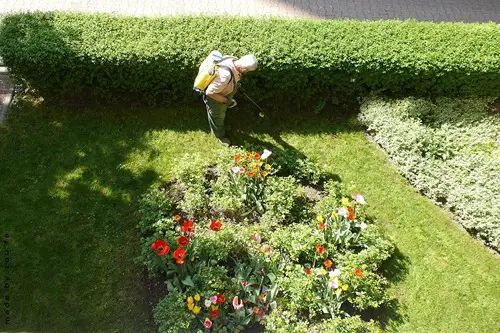
A perfectly striped, emerald-green lawn might seem ideal, but it often signals heavy chemical use and constant upkeep. Many buyers now prefer more natural, eco-friendly landscapes. Over-fertilized lawns can even damage nearby soil and waterways. What once symbolized status now reads as wasteful and outdated.
Letting your lawn breathe a bit adds character and sustainability. Mix in clover or native grasses for texture and resilience. They require less water and fewer chemicals, saving both money and the environment. A relaxed lawn feels modern—and genuinely alive.
This post 14 Yard Additions That Look Expensive but Actually Lower Appeal was first published on Greenhouse Black.
