
1. Reusable Beeswax Wraps with Plastic Packaging
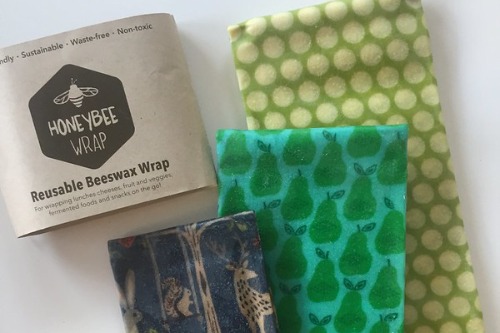
You might be surprised that some reusable beeswax wraps—designed to ditch single-use plastic cling film—arrive sealed in plastic trays or sleeves for hygiene reasons. The wrap itself is compostable and sustainable, but the plastic packaging feels ironic early in the eco journey. It’s included to illustrate how even greener alternatives sometimes default to plastic for protection or presentation. Knowing this helps readers stay alert and opt for bulk bins or refill stations when possible.
The second paragraph points out that if you buy from a local zero-waste shop, you might bypass plastic entirely by bringing your own bag or container. That’s an important nuance: the product’s environmental credentials often depend on how it’s packaged, not just what it’s made of. Calling this out gives your audience a more nuanced stance than just “yay for zero-waste.” It encourages readers to think about the full lifecycle—including the operation of packaging chains.
2. Bamboo Toothbrushes in Plastic Clamshells

Bamboo toothbrushes are a great plastic-free swap for daily oral care, but many come in those clear plastic clamshell blister packs. The toothbrush handles are biodegradable, yet the clamshell undermines that effort at the start. Including this product helps illustrate a common frustration: even conscious consumers often encounter plastic in packaging. Highlighting it arms readers with knowledge to ask brands for compostable or paper-based packaging alternatives.
You can show readers they aren’t alone in noticing this odd contradiction—people love bamboo brushes yet grumble about the plastic. This entry subtly nudges them toward supporting brands that offer cardboard sleeves or paper wraps instead. It’s about empowering choice, not just pointing out faults. And it reminds them that the battle for plastic-free living includes packaging, not just the product material.
3. Bar Shampoo Bars in Plastic Sleeves
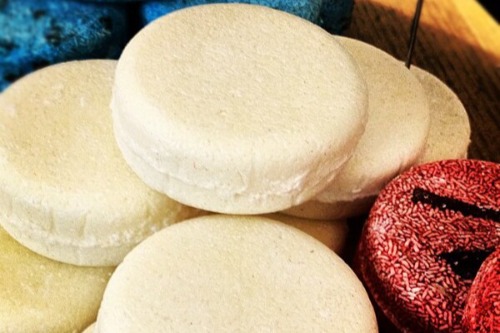
Shampoo bars are a classic zero-waste savior, offering suds without plastic bottles—but often end up individually wrapped in thin plastic films. It seems unnecessary since they’re solid and usually sold in multiples or open displays. The reason I mention it is to help savvy shoppers look beyond claims and question whether wrapping is truly minimal. It’s a small detail with a real impact—especially when dozens of bars end up in landfill plastic even before you use them.
In the second paragraph, you can emphasize that some brands are shifting to cardboard boxes or compostable wraps, so it’s worth checking the material or emailing customer service. Encouraging readers to vote with their wallets by opting for truly minimal packaging is always good. It reframes zero-waste not just as a label but as an ethos that includes packaging. And it reassures them that change is happening—if only we ask.
4. Compostable Plant-Based Utensils in Plastic Bags

Eco-friendly, compostable utensils made from cornstarch or sugarcane seem like a better choice than plastic forks—but they often arrive bundled in small plastic bags. Including them draws attention to how even green products slip into conventional packaging channels. It’s another example where the product is part of the solution but the packaging sticks us back in the problem zone. Noting that can spark a valuable “more to do” mindset in readers.
Adding that many companies allow you to buy in bulk or bring your own cloth wrappers can inspire a practical shift. Readers can see how a small tweak—like declining the plastic bag—makes the product truly zero-waste. It underscores how packaging chains haven’t fully caught up with product innovation. And it reinforces that the zero-waste movement is about aligning supply and delivery, too.
5. Deodorant Bars in Plastic Resealable Pouches
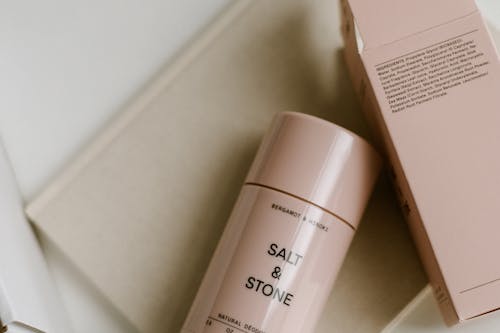
Naturally formulated deodorant bars are a sleek swap for aerosol cans or plastic-stuck sticks—but increasingly, many come inside plastic resealable pouches to preserve freshness. The content is eco-friendly and plastic-free, but the pouch echoes the old habits of single-use plastic. That mixed messaging is why it makes the list—it’s a surprising disconnect that readers might not realize. Pointing it out nudges people to peek at packaging details before committing.
The next paragraph can remind your audience that some artisanal makers wrap bars in paper or use compostable film, so shopping local or small-batch can reduce plastic. You’re showing them that the zero-waste movement is nuanced, not black-and-white. And you’re empowering them to demand better packaging from the brands they love. It’s a tiny ask with a big ripple effect.
6. Silicone Food Storage Bags in Plastic Bags
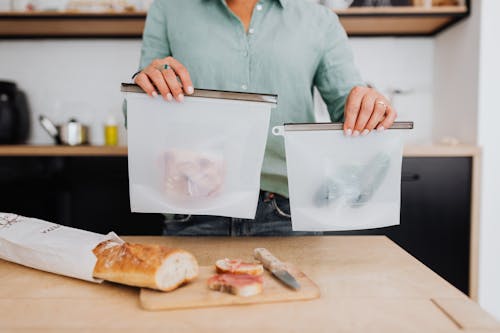
Silicone storage bags are fantastic—durable, reusable, and an excellent plastic-alternative in the kitchen. Yet often they arrive inside a single-use plastic bag for shipment safety. That’s why this product enters the list—it’s a transparent reminder that even long-term plastic-free replacements can be packaged in plastic. Calling this out helps readers stay vigilant and consider ways to reduce additive waste.
You can suggest eco-minded buyers ask sellers to offer shipping without that overwrap or to return or reuse it. It shows how small conversations can shift norms. It affirms that buyers’ habits shape how products reach us—not just what’s inside. And it reinforces the message that zero-waste is an active, ongoing practice.
7. Shampoo/Soap Bulk-Refill Bags in Plastic Packaging
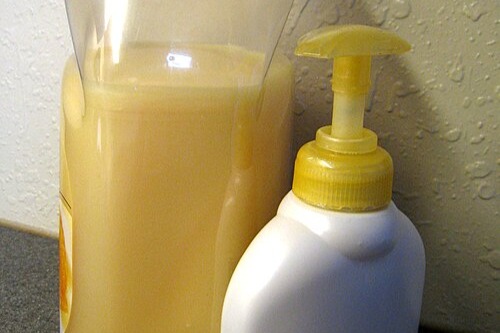
Bulk-refill bags—whether for liquid soap or cleaning product concentrates—seem like a smart plastic-saving tactic until they’re delivered in plastic mailers or sealed foil-lined pouches. I included this because even systems designed to minimize single-use bottles can come wrapped in non-recyclable material. It’s helpful to underscore that zero-waste isn’t just about refills—it’s about the packaging lifecycle. It educates readers to ask if their bulk refills leave a secondary footprint.
In the second paragraph, mention that some shops allow you to refill in store or bring your own containers—much better if you can. That drives home the importance of place-based solutions over convenience e-commerce. You’re encouraging readers to seek the most eco-aligned option for each product. It’s about making the better choice available—and visible.
8. Metal Safety Razors in Plastic-Lined Boxes

Swap out disposable plastic razors for reusable metal safety alternatives—but too often they arrive nestled in plastic-lined cardboard boxes for protection during shipping. The razors are a solid step toward plastic waste reduction, yet the packaging misaligns with sustainability goals. That’s why they’re part of this list—it’s an everyday object hidden behind unnecessary plastic. Highlighting this encourages readers to ask for plastic-free shipping methods or choose minimalist packaging.
You can also note that some brands now offer cardboard-only packaging or protective paper wraps—so it’s worth hunting around. That sparks discovery and consumer activism: you vote for better packaging by choosing it. It also reassures people that the zero-waste movement advances with such demand. And it lets readers feel like they’re part of that push—one purchase at a time.
9. Wooden Hairbrushes with Plastic Film Covers

Wood or bamboo hairbrushes feel artisanal and natural, but many come with plastic film over the bristles to protect during transit or display. While the handle and bristles may be sustainably sourced, that plastic film is a stray element that adds waste. Including this shows readers that even products that look entirely green may harbor hidden plastic flaws. It prompts them to peel back the layers—literally—before celebrating.
In the second paragraph, suggest that customers politely remove the film at the store or ask for spray-on coatings instead, or avoid display models entirely. It reinforces proactive behavior: being zero-waste means saying no to plastic extras. That injects a sense of agency into readers—they can influence how products land on shelves. And it makes zero-waste feel doable and personal.
10. Natural Sponges in Plastic Netting

Natural cellulose or loofah sponges are biodegradable kitchen or cleaning aids, but they often come wrapped in little plastic netting bags. It’s ironic: something compostable encased in something that isn’t. I’ve included this to show how packaging can negate the benefits of otherwise sustainable products. It teaches readers to look beyond ‘natural’ labels and check what’s physically enclosing the good-for-planet item.
You can remind shoppers they can often buy these sponges loose—particularly at zero-waste refilling shops—or cut away the netting and reuse it for scrubbing. It shows readers that sometimes a minimal extra step can turn a good product into a great one. It also normalizes creative reuse of packaging waste. And it reinforces that zero-waste is about smart habits, not perfection.
11. Cloth Face Masks with Plastic Zip Bags
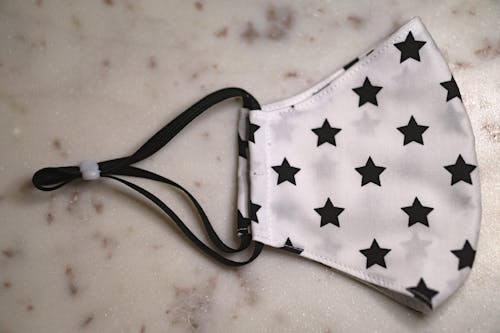
Reusable cloth face masks are a sustainable alternative to disposable ones, yet they’re often sold inside single-use plastic zip bags for hygiene and presentation. The masks themselves cut down on landfill waste, but the plastic pouch contradicts that win. This entry highlights how even protective healthcare items slip into plastic for extra security. It helps readers consider asking for paper envelopes or bringing their own wrap.
Then you can note that many local makers will use paper wraps, fabric envelopes, or recycled mailers if asked. That illustrates how simple consumer preferences can sway packaging choices. It encourages a conversational, not adversarial, approach with sellers. And it reassures readers that zero-waste friendliness often blossoms from a request.
12. Solid Lotion Bars in Shrink-Wrap
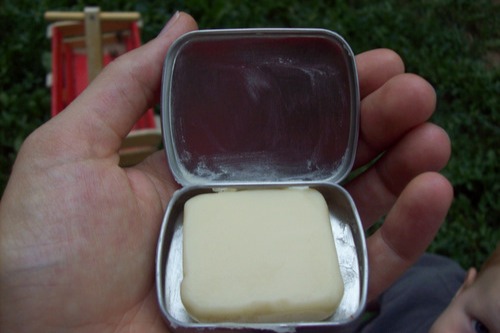
Lotion bars—those lovely little moisturizers that melt on contact—often feel like zero-waste gold, but some arrive coated in shrink-wrap plastic. The product inside is plastic-free and long-lasting, but the cling-film outer layer is a weak link. That contradiction is why lotion bars earn a place on the list: it’s a subtle but fixable problem that undercuts sustainability. Noticing it sharpens reader awareness of the full zero-waste trail, not just the item.
In your second paragraph, you can empower readers to support brands that use paper bands, compostable films, or none at all. That way, their purchase aligns fully with ecological intent. It highlights that small tweaks in packaging can have notable environmental impact. And it reminds them zero-waste is as much about packaging as it is about content.
13. Eco-Friendly Feminine Products in Individual Plastic Wrappers
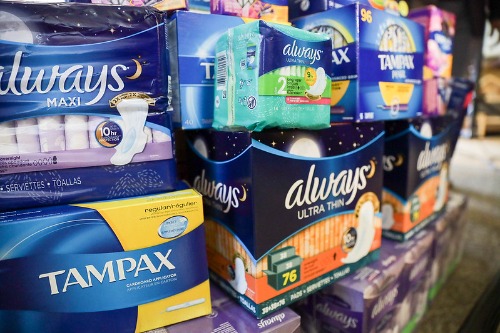
Cloth pads or menstrual cups often champion zero-waste living, but disposable organic pads sometimes come wrapped individually in thin plastic films. Even eco varieties use plastic wrappers for hygiene and branding. That’s why I included them—it’s a jarring reminder that even eco-conscious menstrual care may rely on single-use plastic. Recognizing that can empower readers to try fully reusable options or advocate for compostable wrappers.
Then you can share that some brands are switching to biodegradable wrappers or bulk strip packaging, and urge readers to check or request those. It reinforces that progress is incremental and consumer awareness matters. It offers reassurance that better packaging is possible—and improving. And it creates an inclusive, informed conversation around a necessary but often private product.
This post 13 “Zero Waste” Products That Come Wrapped in Plastic was first published on Greenhouse Black.
