
1. The Quality of Light

Lighting isn’t just about fixtures—it’s about how natural light fills a space. Buyers walking through a property in San Diego or Miami, for example, expect bright, airy rooms. If heavy curtains block sunlight or rooms feel dim, it can make the entire house seem smaller and less inviting. Sellers may overlook this because they’re used to how the home looks at different times of day.
Strategic lighting can highlight a home’s best features, while poor lighting hides them. Buyers often notice shadows or odd glares that sellers ignore, especially in kitchens and living rooms. Homes in places like Seattle need extra attention here, since cloudy days can make rooms appear darker. Adjusting blinds, swapping bulbs, and timing showings for the best daylight can make a huge difference.
2. The Smell of the Place

Buyers often notice the scent of a home before they’ve even looked around. Lingering odors from pets, cooking, or dampness can be a deal-breaker, even if the house is spotless. Sellers tend to go nose-blind to their own space, so they underestimate how noticeable these scents can be to someone new. A faint musty smell, for example, can instantly make buyers wonder about leaks or mold.
Fresh, neutral scents tend to put buyers at ease, which is why real estate agents sometimes recommend baking cookies or brewing coffee before showings. However, overpowering air fresheners can be just as suspicious, hinting that something is being masked. Even famous real estate hotspots like New York City brownstones aren’t immune to this—old building smells are notorious. A home’s first impression is as much about the nose as it is about the eyes.
3. Closet and Storage Space

It doesn’t matter if it’s a luxury apartment in Manhattan or a cottage in the countryside—storage is always on a buyer’s checklist. Sellers sometimes forget to declutter closets, leaving them stuffed to the brim. This can give the impression there’s not enough storage, even if there is. Buyers open every door, and messy closets send the wrong message.
A well-organized closet can make the space feel bigger and more functional. Real estate agents area often advise clients to store off-season clothes elsewhere before showings. This not only makes closets look more spacious but also gives buyers room to imagine their own belongings inside. It’s a small detail that has an outsized impact on perceived value.
4. The View from the Windows

Sellers get used to whatever is outside their window, but buyers notice instantly. In cities like New York or San Francisco, a beautiful view can add significant value, while an eyesore—like a busy alley or neighboring wall—can detract from it. Even in suburban areas, buyers care about whether they’re looking out at a garden or the neighbor’s trash bins. Sellers often forget to emphasize (or remedy) this aspect.
A quick fix might be as simple as cleaning windows or trimming shrubs to open up sightlines. In waterfront markets especially, a glimpse of water can be the deciding factor in a sale. Conversely, if the view is less than ideal, sellers can use curtains or plants to soften it. Buyers imagine their future mornings and evenings framed by those windows, so what they see matters.
5. Noise Levels

A home might feel peaceful to the current owner because they’ve tuned out the background noise over time. Buyers, however, notice every passing truck, barking dog, or creaky floorboard. In busy areas like central Los Angeles or Chicago’s Loop, noise is a constant factor that can influence buying decisions. Sellers often don’t think about it until a showing makes it obvious.
Good sound insulation or even strategic scheduling of showings during quieter times can help. In quieter towns like Aspen or Carmel-by-the-Sea, unexpected noise—like construction—can be jarring. Buyers often linger to see how the home feels over time, so the soundscape is part of the experience. A calm, quiet environment helps them imagine relaxing in the space.
6. The State of the Front Door
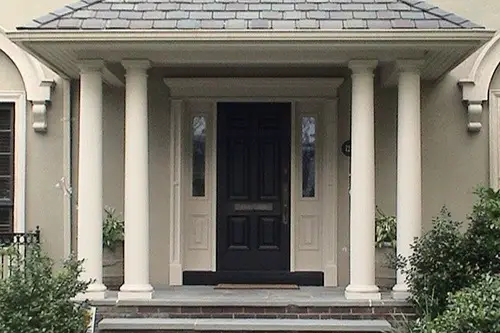
The front door sets the tone before buyers even step inside. In well-known neighborhoods like Beacon Hill in Boston, a charming, well-kept door adds character and curb appeal. A chipped or faded door, on the other hand, signals neglect, even if the interior is immaculate. Sellers often underestimate how much this first detail matters.
A fresh coat of paint, polished hardware, and a clean welcome mat can make a world of difference. Buyers in historical districts are especially sensitive to authentic, well-maintained entrances. The front door is also one of the most photographed parts of a home listing, meaning it has a lasting digital impression. Investing in this one spot can set a positive tone for the entire viewing.
7. Kitchen Cabinet Condition
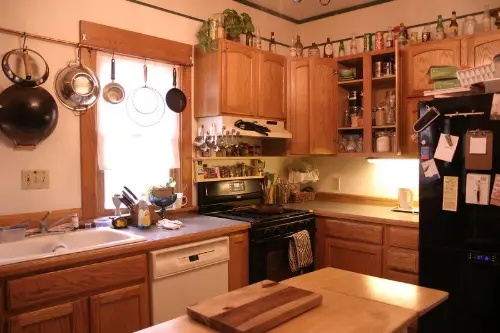
Buyers spend a lot of time in the kitchen during viewings, and cabinet condition is a silent deal-maker or breaker. Even in million-dollar homes in places like Malibu, dated or worn cabinets can make the entire kitchen feel old. Sellers get used to their quirks—sticky drawers, chipped paint—and stop noticing them. Buyers, however, see these as signs of more costly issues.
Updating cabinet hardware or giving them a fresh finish can modernize the whole space without a full renovation. Real estate agents competitive markets often recommend minor cosmetic updates here before listing. Buyers remember kitchens vividly, and fresh-looking cabinets suggest the home has been well cared for. Neglecting them can make buyers think the rest of the house has similar hidden flaws.
8. Bathroom Grout and Caulk
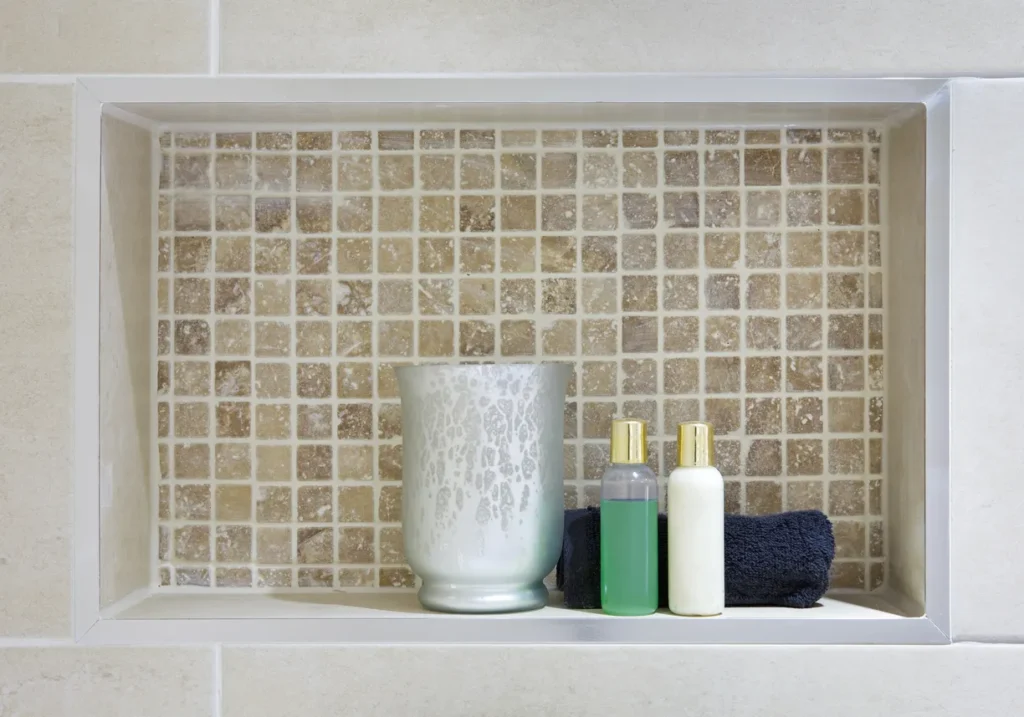
Bathrooms get close inspection because buyers know they’re expensive to renovate. Dirty grout or peeling caulk in homes signals water damage or poor upkeep. Sellers may not notice the gradual discoloration or mildew smell because they see it every day. Buyers, however, immediately wonder about leaks and mold.
A quick deep clean or re-caulking can refresh the entire bathroom. In luxury markets like Dubai, even a slightly dingy bathroom can sour an otherwise gorgeous property. It’s a small, inexpensive fix with a big psychological payoff. Clean grout tells buyers the home has been cared for down to the smallest detail.
9. Floor Condition

Floors take a beating, but sellers rarely notice gradual wear and tear. Buyers touring properties immediately notice scratches, stains, or sagging spots. Even beautiful old hardwood can feel like a liability if it looks too worn. Sellers tend to think of it as “character,” but buyers may see “repair bill.”
A quick polish or professional cleaning can revive the floor’s appeal. Real estate pros in Austin often recommend refinishing floors before listing, especially if the market is competitive. Flooring is one of the largest surfaces in a home, so its condition subtly affects the entire atmosphere. Fresh, well-kept floors make the home feel newer and better maintained.
10. Ceiling Condition
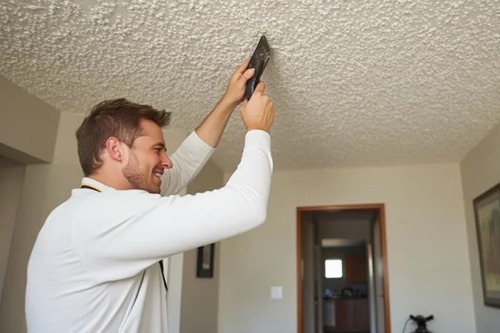
Most sellers don’t think to look up, but buyers do. Stains, cracks, or outdated popcorn textures stand out during a showing in homes. Even small imperfections can lead buyers to imagine structural problems or past water damage. Sellers often assume “no one will notice,” but ceilings are part of the overall impression.
Fresh paint or fixing small cracks can restore confidence quickly. In high-ceilinged homes like New Orleans shotguns, even a tiny flaw can be visible from afar. Buyers often associate clean ceilings with good maintenance elsewhere in the home. Neglecting them is like wearing a nice outfit with a coffee stain—people spot it instantly.
11. Backyard Usability

A yard can be a huge selling point, but only if buyers can imagine using it. In suburban San Francisco or Los Angeles’ Sherman Oaks, a well-kept garden or patio adds lifestyle value. Sellers sometimes overlook cluttered sheds, patchy grass, or overgrown plants. Buyers see these as chores they’ll inherit.
Simple touches like mowing, planting seasonal flowers, or setting up a seating area make the yard feel inviting. In cities where outdoor space is rare—like Hong Kong—a usable balcony or terrace can be just as appealing. Buyers want to picture hosting friends or relaxing outside. An unkempt yard, no matter the size, is a missed opportunity.
12. The Age of Appliances
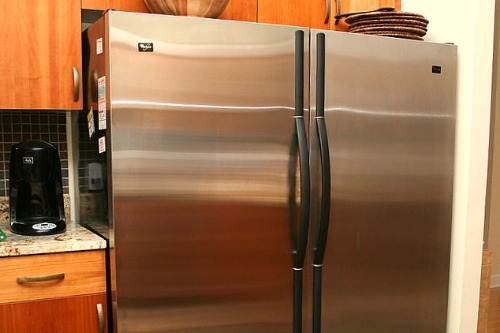
Buyers often check the age and condition of appliances, especially in the kitchen. In upscale areas like Beverly Hills or Knightsbridge, they expect modern, functional equipment. Sellers may overlook this if everything still “works fine” for them. But buyers calculate replacement costs into their offers.
Upgrading a few key appliances can help a home feel up-to-date. Stainless steel or energy-efficient models are particularly appealing in competitive markets. Real estate agents in San Francisco often highlight new appliances in listings because they add perceived value. Ignoring outdated ones can make the entire home feel behind the times.
13. Electrical Outlets and Switches
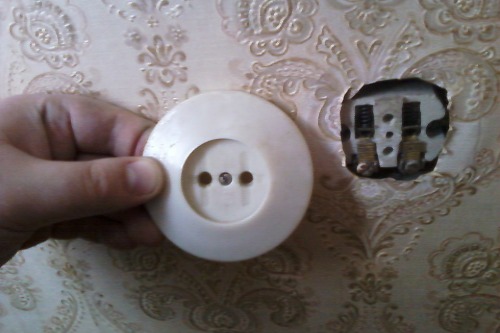
These little details can reveal a lot about a home’s upkeep. In historic areas like Georgetown in Washington, D.C., outdated or mismatched outlets can signal that electrical systems need upgrading. Sellers tend to ignore yellowed covers or loose sockets, but buyers spot them quickly. It’s a small thing that can raise bigger questions about maintenance.
Swapping out old covers for clean, modern ones is inexpensive and quick. Adding outlets with USB ports or updated wiring can be a subtle selling point. In tech-heavy cities like Tokyo, buyers even notice how many outlets each room has. Neglecting these details can make a home feel older than it is.
14. Paint Wear and Color Choices

Walls are some of the largest visual surfaces in a home, so buyers notice them immediately. Faded paint, scuff marks, or outdated colors can make rooms feel tired. Sellers may have sentimental attachment to their deep red dining room or pastel nursery, but buyers see them as repainting projects. Even minor imperfections, like nail holes or uneven touch-ups, can be distracting.
A fresh coat of neutral paint can completely transform a space and help buyers picture their own style in it. In competitive markets like Sydney or Vancouver, agents often recommend repainting before listing to maximize appeal. Light, warm tones can make spaces feel larger and brighter, while very bold colors can feel polarizing. Sellers often underestimate how much fresh, clean walls can sway first impressions.
15. Window and Door Hardware

Buyers tend to test handles, knobs, and locks without even thinking about it. Loose, squeaky, or mismatched hardware can make a home feel worn down, even if the rest of it is pristine. Sellers get used to jiggling a certain lock or nudging a stubborn latch, so they forget it’s a flaw. To a buyer, though, it signals deferred maintenance.
Replacing or tightening hardware is inexpensive and gives an instant quality boost. In high-end neighborhoods like Chelsea in London, well-finished hardware is part of the expected luxury. Even subtle upgrades—like brushed nickel handles—can elevate a room’s appearance. Ignoring them means missing an easy way to convey care and upkeep.
16. Temperature Consistency

During a showing, buyers notice if some rooms feel hotter or colder than others. Sellers may not pick up on this because they’ve adjusted over the years or avoid certain rooms at certain times. Uneven heating or cooling can make buyers think the HVAC system is faulty or poorly installed. In climates like Phoenix or Minneapolis, this can be a serious concern.
Checking vents, insulation, and thermostats before showings can prevent these red flags. Some sellers even run the HVAC system in advance to ensure comfort throughout the tour. Smart thermostats can also be a selling point, showing efficiency and modern updates. Comfortable, consistent temperatures make the home feel more livable from the first walkthrough.
17. Driveway and Walkway Condition
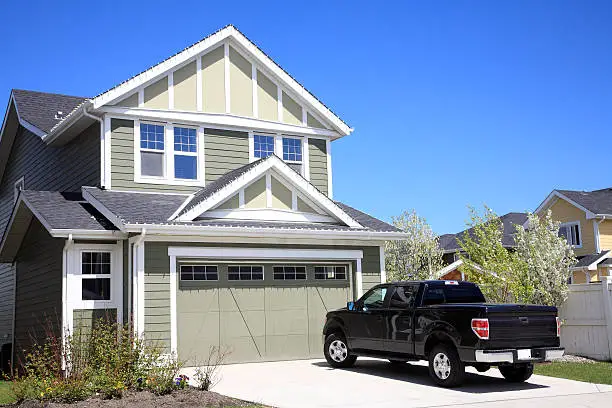
The approach to the home shapes a buyer’s mood before they even reach the door. Cracks, weeds, or uneven paving can create a sense of neglect. Sellers often overlook this because they park in the same spot every day and don’t think about it. Buyers, however, walk the path with fresh eyes and take mental notes.
Simple fixes like pressure washing, pulling weeds, or resealing asphalt can improve curb appeal instantly. In snowy climates like Toronto, a well-cleared, level walkway is not just aesthetic but practical. A smooth, clean entry sets the tone for the rest of the visit. Neglect here can overshadow even the nicest interior.
18. Garage Organization and Cleanliness

Buyers often peek into garages expecting functionality and space. Sellers sometimes treat the garage as a storage overflow zone, forgetting that buyers will judge its condition. A cluttered, dim garage can make the home feel short on usable space. Buyers imagine parking and storage here, not sifting through boxes.
Organizing tools, adding better lighting, and sweeping floors can make a big difference. In car-centric places like Los Angeles, garage presentation can be a major selling point. Even adding wall-mounted shelves can signal thoughtful use of space. A clean, well-lit garage feels like an asset instead of an afterthought.
19. Landscaping Maintenance

Buyers look at the yard as part of the home’s total value, not just a bonus. Overgrown shrubs, bare patches, or messy flower beds suggest more work ahead. Sellers might be used to the seasonal changes or think “it’s just cosmetic,” but buyers see dollar signs and weekends spent fixing it. Landscaping frames the home in every photo and in person.
Basic maintenance—mowing, trimming, mulching—can make the property feel polished. In upscale communities like The Hamptons, pristine landscaping is practically an expectation. Even adding a few potted plants near the entrance can brighten the look. A tidy yard signals overall care for the property.
20. Water Pressure and Plumbing Fixtures

Buyers almost always test faucets and showers during tours. Weak water pressure, slow drains, or dripping taps can instantly raise red flags. Sellers may tolerate a finicky tap for years without realizing how noticeable it is to a first-time visitor. Plumbing issues suggest hidden costs, which can lower offers.
Fixing leaks, unclogging drains, and replacing worn fixtures are small investments with big payoffs. Modern faucets and showerheads can make bathrooms and kitchens feel upgraded. In competitive condo markets like Singapore, gleaming fixtures can set a unit apart. Buyers want a home that feels ready to use from day one.
21. Stair Safety and Appearance
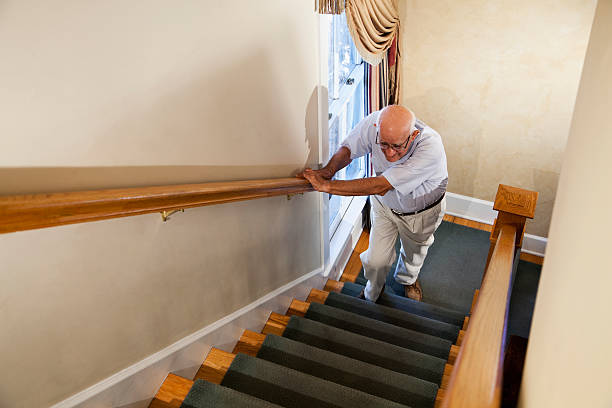
Stairs are something buyers literally put their trust in during a showing. Loose handrails, squeaky steps, or worn treads can be unsettling. Sellers get used to avoiding a particular creaky board, but buyers notice immediately. In multi-level homes, this can become a safety concern.
Refinishing treads, tightening rails, and adding nonslip strips can improve both safety and aesthetics. In historic homes like those in Charleston, restored staircases are often a selling feature. Even a small update like polished banisters can create a sense of quality craftsmanship. Overlooking stairs means missing a detail that buyers quite literally can’t avoid.
This post 21 Things Buyers Notice in House That Sellers Always Overlook was first published on Greenhouse Black.
