
1. Buying only organic produce
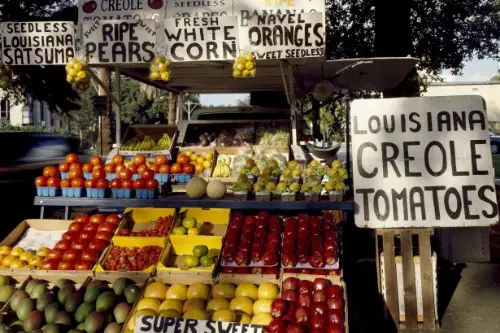
Organic fruits and vegetables can make you feel like you’re making a healthier, more sustainable choice, but they usually cost more than conventional options. Many people choose them to avoid pesticides, yet some studies show the nutrient content isn’t significantly different. The environmental benefits can also be complicated, depending on the crop and farming methods. That premium price tag often adds up much faster than people expect.
Shoppers sometimes overlook that local, non-organic produce can have a smaller carbon footprint because it travels less. Plus, certain conventional produce items are already low in pesticide residues, according to annual testing. Choosing organic across the board can quickly become a pricey habit without delivering proportional benefits. Still, it remains a feel-good purchase for many households.
2. Installing high-end home composting systems
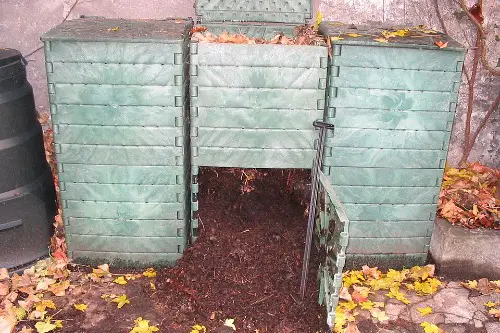
Home composting feels like an eco-warrior move, and it can be, but top-tier compost bins and in-kitchen systems aren’t cheap. Some people splurge on electric composters that promise odor-free, fast processing. These gadgets often run hundreds of dollars, not including maintenance or electricity use. For many, the same results could be achieved with a much cheaper outdoor bin.
Composting itself is a great way to reduce landfill waste, but spending a lot on the latest tech version can be overkill. A simple pile or affordable bin can work just as well if managed properly. In urban areas, local collection programs might even handle food scraps for free. The pricey option often ends up being more about convenience than environmental necessity.
3. Switching to only plant-based meat substitutes
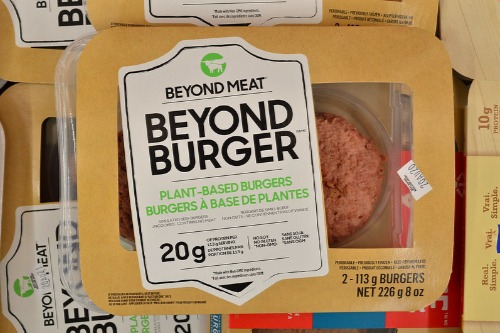
Plant-based meats have a strong ethical appeal, especially for reducing animal agriculture’s environmental impact. But many of these products are significantly more expensive than whole plant foods like beans, lentils, and tofu. The processing and branding that make them taste like meat also drive up the cost. For some households, it’s a luxury rather than a budget-friendly ethical choice.
While swapping meat for these substitutes can lower your personal carbon footprint, eating more whole plant proteins could be even cheaper and just as impactful. The high price often reflects the novelty and demand for meat-like taste and texture. Plus, many contain additives and sodium levels similar to processed meats. People sometimes forget the original goal was simply to eat fewer animal products.
4. Using only premium eco-friendly cleaning products

Many people feel better avoiding conventional cleaning chemicals, opting for brands that promise biodegradable ingredients and recycled packaging. These products often come with price tags two to three times higher than mainstream versions. The marketing emphasizes ethics and safety, but in many cases, common household items like vinegar and baking soda work just as well. That premium price is more about branding than performance.
Choosing gentler cleaners can still be worthwhile for those sensitive to chemicals or with small children. However, not all “green” products are significantly less harmful than their conventional counterparts. Certifications can be useful, but they also cost companies money, which is passed on to you. Sometimes the cheapest, simplest solutions are also the most ethical.
5. Always buying “carbon-neutral” bottled water
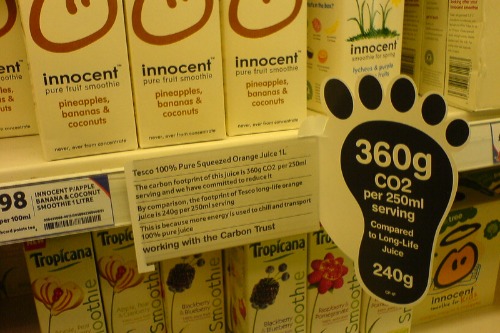
Carbon-neutral labeling has started popping up even on single-use bottled water. The idea is that the company offsets its carbon emissions through projects like tree planting. While that can have benefits, the environmental cost of producing and transporting bottled water remains high. And the price per bottle is often much higher than standard brands.
If you already have safe tap water, filtering and refilling a reusable bottle is far more sustainable. Many people overlook the fact that carbon offsets don’t erase the actual resource use or plastic waste. Paying more for “carbon-neutral” branding often just shifts guilt rather than solving the problem. It’s an easy purchase to feel ethical about but not the most impactful.
6. Replacing functioning appliances with “energy-efficient” ones
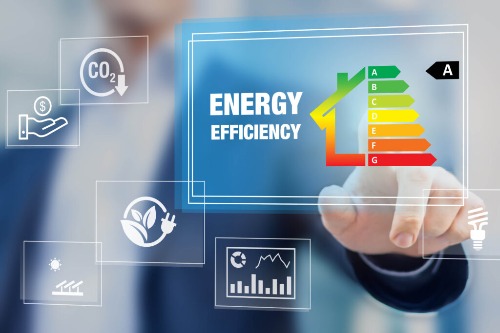
Upgrading to an Energy Star-certified fridge or washing machine can feel like a responsible move. But if your old appliance is still working efficiently enough, replacing it prematurely creates new manufacturing demand and disposal waste. The cost of a new machine can take years to offset in energy savings. In some cases, it’s simply an expensive way to feel greener.
Keeping older appliances until they fail often has a lower environmental impact than upgrading early. The energy used in manufacturing and shipping a new unit can outweigh short-term efficiency gains. Repairing an existing appliance is also usually cheaper. Many people don’t realize that “buying efficient” isn’t always the most efficient choice for the planet.
7. Installing a home water filtration system for already-safe tap water
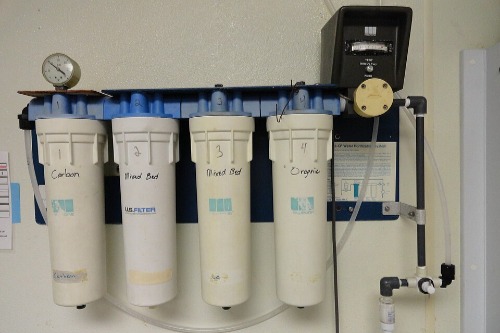
A whole-house filtration system can cost thousands of dollars, plus ongoing maintenance. For households with safe municipal water, this can be more about peace of mind than necessity. The ethical angle is often tied to reducing bottled water use, but simpler, cheaper filters can do the job. The luxury setup just makes it feel more official.
In areas with actual water quality concerns, these systems can be life-changing. But for most people in developed countries, the tap water already meets strict safety standards. The cost becomes hard to justify when a $30 countertop filter could have a similar impact. It’s an expensive way to buy reassurance.
8. Using only fair-trade coffee from specialty roasters
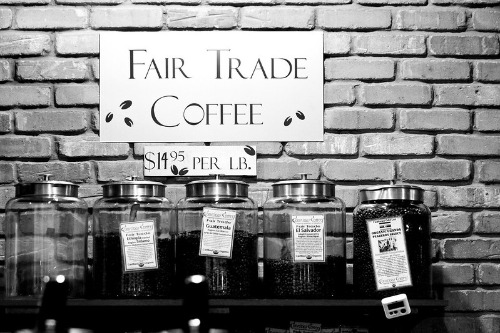
Fair-trade coffee ensures better wages and working conditions for farmers, which is an important ethical consideration. But buying exclusively from small-batch, specialty roasters often costs far more than mass-market options. The quality may be higher, but the markup can be steep. For some, it becomes as much about lifestyle identity as ethics.
There are more affordable ways to support ethical sourcing, such as buying fair-trade certified beans from larger retailers. Sometimes, the premium price at boutique cafes reflects overhead costs rather than just farmer compensation. It’s easy to assume “more expensive” means “more ethical,” but that’s not always the case. Still, coffee lovers are often willing to pay extra for the feel-good factor.
9. Heating with only “sustainably sourced” firewood

Burning sustainably sourced or kiln-dried firewood can feel eco-responsible, but it’s often sold at a steep premium. The certification and processing add costs that aren’t strictly necessary for casual home use. In many cases, locally sourced wood from tree trimmers or storm clean-up crews can be just as sustainable. Yet the branded, bagged wood often wins out for convenience.
Firewood, even when sustainably sourced, still releases carbon when burned. The environmental benefit comes mostly from avoiding deforestation and reducing transport emissions. Paying more for the label might not make a huge difference if you’re using a small amount. The bigger impact comes from how often and how efficiently you burn it.
10. Only buying clothing labeled as sustainable fashion

Ethically made clothing often involves fair wages, eco-friendly fabrics, and small production runs. Those are good things—but they can also drive prices far above fast fashion. Some shoppers replace their wardrobes entirely with high-priced “green” brands. This can create just as much consumption, only with more expensive items.
A more effective approach might be buying fewer pieces overall or shopping secondhand. That way, you reduce demand for new manufacturing entirely. The sustainability label doesn’t erase the environmental cost of producing new clothes. High price tags can make the practice feel virtuous but don’t guarantee better outcomes.
11. Switching to luxury zero-waste toiletries
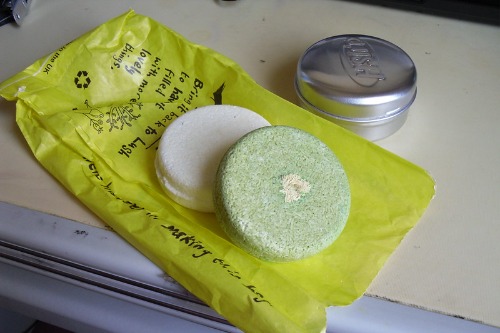
Solid shampoo bars, refillable deodorants, and toothpaste tablets are becoming more common in upscale packaging. While they reduce plastic waste, the luxury versions can cost several times more than traditional options. Many people pay the premium because they feel they’re making a statement about sustainability. But affordable zero-waste alternatives exist without the boutique branding.
Refills and bulk purchases can achieve similar waste reductions at a fraction of the cost. Sometimes, even reusing conventional packaging can be just as effective. The expensive versions often add artisanal scents and design touches that don’t affect the core environmental benefit. It’s more about the aesthetic of sustainability than the function.
12. Always choosing free-range eggs from small farms

Eggs from pasture-raised or free-range chickens often cost two to three times more than conventional eggs. Many buyers justify the cost with concerns for animal welfare and farm ethics. While conditions are often better, labels aren’t always tightly regulated, and some farms use marketing more than meaningful improvements. The higher price can add up quickly in a household budget.
It’s worth noting that supporting truly local, transparent farms can have real ethical impact. But it’s also possible to find mid-range options with similar standards for less money. The premium pricing often reflects scale and distribution challenges rather than drastically different conditions. Without careful sourcing, it’s easy to overpay for the feeling of doing the right thing.
13. Installing rooftop solar before it makes financial sense
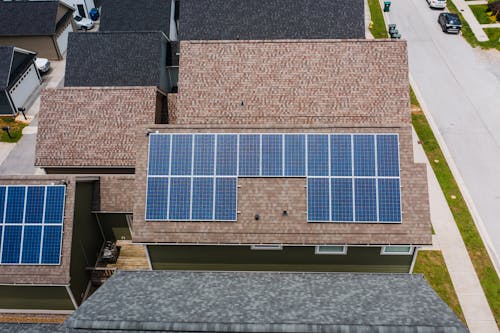
Solar panels can be a great long-term environmental investment, but they’re not always cost-effective right away. In areas with low electricity rates or limited sunlight, the payback period can be decades. Some homeowners install them mainly for the image of being eco-conscious. That initial cost can be tens of thousands of dollars.
If you wait for incentives or falling equipment prices, the math can work out much better. Community solar programs can also offer renewable energy benefits without the high upfront cost. Jumping in too early can mean paying more than necessary for the same impact. Sometimes, patience is the most ethical choice financially and environmentally.
14. Using premium biodegradable trash bags
Biodegradable or compostable trash bags promise to break down faster in landfills, but they’re often two to three times more expensive than regular bags. The catch is that most landfills don’t have the oxygen needed for these bags to decompose as intended. That means the environmental benefit is smaller than people think. The higher price mainly buys peace of mind.
If you already compost food waste, most of what’s in your trash isn’t biodegradable anyway. Reusing bags from grocery stores or other sources can be a cheaper, lower-impact option. The marketing for premium bags often glosses over the realities of landfill conditions. In many cases, reducing waste in the first place is far more effective than buying pricier bags.
This post 14 Things People Do at Home to Feel Ethical — But Are Just Expensive was first published on Greenhouse Black.
