
1. Tiny Homes with Smart Home Hubs
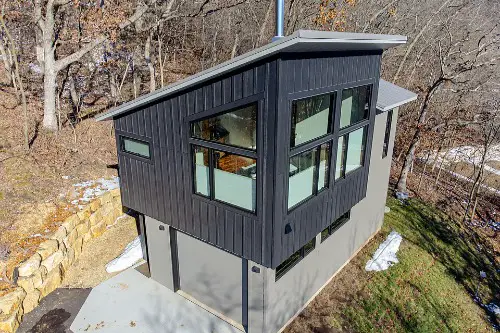
Many people imagine tiny homes as the epitome of independence, but plenty of them come with smart hubs like Alexa or Google Nest. These devices rely on the internet to pull updates, sync preferences, and store recordings in the cloud. That means your “off-grid” cabin is quietly sending data to distant servers. Without internet, those voice commands and automations often just stop working.
The appeal of these setups is obvious—they let you control lights, temperature, and security without lifting more than a finger. But it’s easy to forget that all that convenience is routed through data centers you’ll never see. If the cloud service goes down, your lights and locks may stop responding. Off-grid or not, you’re tethered to someone else’s infrastructure.
2. Solar-Powered Security Cameras
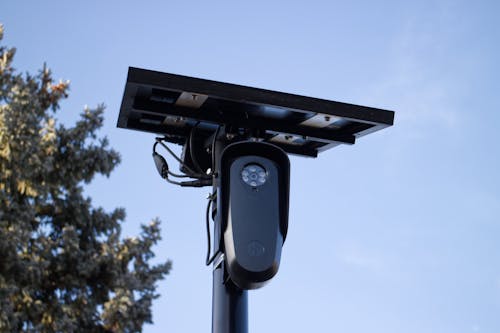
Off-grid cabins and vans often sport solar-charged security cameras for peace of mind. While the power is self-sufficient, the footage is often stored online by brands like Arlo or Ring. If the camera can’t upload to the cloud, you might lose access to past recordings entirely. This creates a quiet dependency on the very networks people are trying to escape.
The reason is simple: cloud storage ensures you can access video from anywhere, even if your property is remote. That’s a lifesaver in case of theft or wildlife encounters. But it also means your “self-reliant” security is as strong as your internet signal. If the network’s down, your security may be more symbolic than functional.
3. Starlink-Connected Off-Grid Cabins
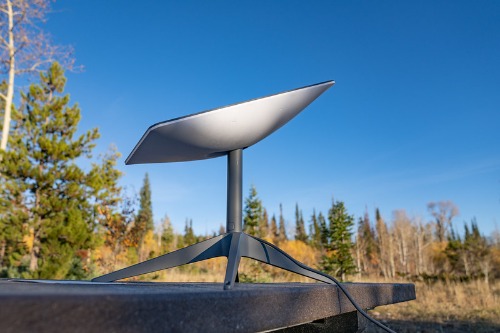
Satellite internet, like Starlink, has made it possible to stream Netflix from the middle of nowhere. But once you have a fast connection, many off-grid dwellers lean heavily on cloud tools for work and entertainment. From Dropbox for documents to Google Photos for memories, the cloud becomes the invisible backbone. The irony is that it’s the opposite of technological isolation.
Starlink users often justify it as a work necessity or social lifeline. But the second your internet drops in a storm, those “accessible from anywhere” files vanish from reach. In practice, you’re not just connected—you’re committed. Without that satellite link, your setup is suddenly more “offline” than planned.
4. Drone Surveillance for Land Management
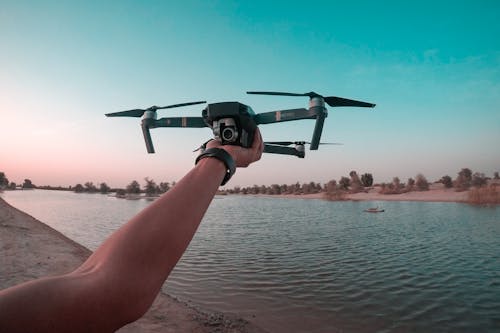
Homesteaders sometimes use drones to check fence lines, water sources, or wildlife activity. These drones often save high-resolution videos directly to a cloud account by default. If your connection is weak, uploads stall, and you may never see some footage. What’s billed as independence turns into a waiting game with your upload bar.
The benefit of cloud storage is obvious: you can review footage later, even if your drone’s memory card gets damaged. But it’s still an ongoing reliance on external servers to store your property’s “eyes in the sky.” Many drone models even require an account to operate fully. That’s a tether you can’t just snip without losing key features.
5. Off-Grid RVs with Cloud-Based GPS Maps
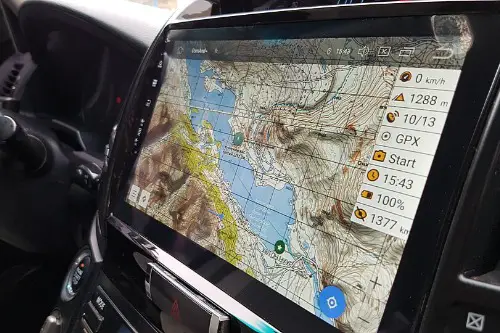
Many RV adventurers go “off-grid” in the sense that they power everything from solar panels. But their navigation often depends on apps like Google Maps or cloud-synced Garmin services. These tools store routes, trip histories, and traffic data in the cloud. If you lose the connection, you lose the map history and real-time updates.
The convenience is undeniable—up-to-date maps save you from dead ends or unsafe roads. Yet the system’s accuracy depends on constant data refreshes from faraway servers. Without that feed, your “self-reliant” road trip can quickly turn into guesswork. It’s a subtle but serious form of dependence.
6. Cloud-Backed Weather Stations
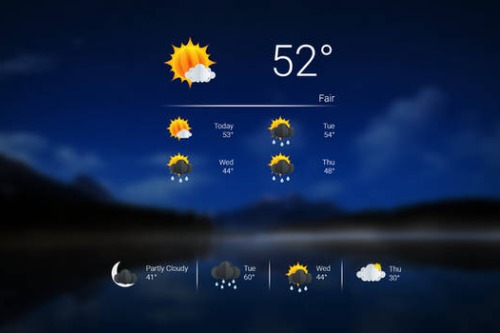
Many remote properties have their own weather stations, powered by solar or small wind turbines. While the sensors run locally, the data often syncs to a manufacturer’s cloud for storage and analysis. Without internet, you might only get basic readings and lose historical tracking. That means your farm’s microclimate data is only as resilient as your Wi-Fi.
The draw of cloud-linked weather stations is access—you can check your farm’s rainfall or wind conditions from anywhere. But in practice, you’re feeding data to a corporate database in exchange for convenience. If the service shuts down or changes terms, you may lose years of weather history. That’s a high price for being “off-grid.”
7. E-Readers for Off-Grid Living
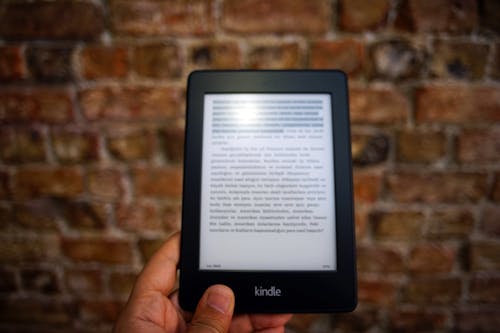
E-readers like Kindle are popular among van lifers and cabin dwellers because they store thousands of books without the bulk. But many of those books live in the cloud until you download them. If your connection drops, you can’t access new titles or sync reading progress across devices. The supposed “library in your pocket” is sometimes just an empty shelf.
Cloud integration allows for instant downloads, backups, and even shared notes. Yet it quietly makes your reading habit dependent on corporate servers. A Kindle with no Wi-Fi is just a device stuck in time. Without the cloud, your off-grid reading list may be frozen indefinitely.
8. Solar-Powered Off-Grid Offices

Some remote workers set up solar-powered sheds or cabins to get away from the grid. But their daily workflow still leans on tools like Google Drive, Microsoft OneDrive, or iCloud. These platforms store work documents and sync them in real time. Without an internet connection, edits stall and access becomes patchy.
It’s not just about file syncing—many software licenses also need periodic online verification. That’s a hidden tie to the cloud most people overlook. You can generate all the power you want locally, but without the data pipeline, your work grinds to a halt. The setup is off-grid in power only.
9. Wildlife Monitoring Sensors

Scientists and hobbyists often deploy motion-triggered sensors in remote habitats. While they can run for months on batteries or solar, they often upload photos and readings to cloud servers. This keeps data safe even if the device is damaged or stolen. But it also turns “remote monitoring” into “remote dependence.”
The cloud advantage is clear—you can get alerts about rare species in real time. Yet without connectivity, those same alerts and photos pile up unseen. The tech works best with the very networks many off-grid setups aim to avoid. It’s another reminder that autonomy often has a digital fine print.
10. Cloud-Based Medical Monitoring Devices

Some people living off-grid use health trackers for heart rate, glucose monitoring, or sleep patterns. Many of these devices store detailed logs in the cloud. If you can’t sync, your long-term data and trends may be incomplete. For something as important as health, that’s a risky gap.
The upside is undeniable—you can share data with doctors instantly, no matter where you are. But you’re also trusting a third party to hold and protect your health history. If the servers go down, your off-grid lifestyle could leave you in the dark about your own body. Independence doesn’t mean immunity from outages.
11. Solar-Powered Streaming Setups
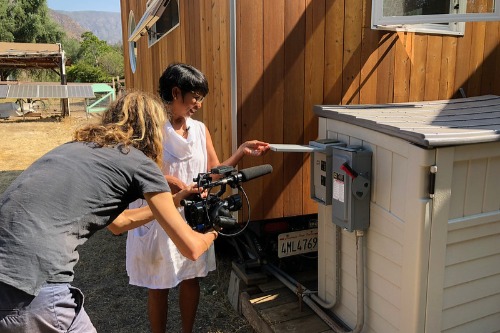
Some off-grid dwellers run surprisingly elaborate entertainment systems. They power everything with solar, but rely on Netflix, Spotify, or cloud-synced media libraries. If the internet cuts out, those endless playlists and shows vanish instantly. It’s a luxury completely tethered to the cloud.
The appeal is obvious: all the content you could want, beamed into your cabin in the woods. But that also means your entertainment depends on the same infrastructure as a city apartment. Your power may be self-made, but your shows aren’t. True solitude doesn’t come with a buffering wheel.
12. Off-Grid Backups That Aren’t Really Local
Some people think they’ve “covered their bases” by running backups in an off-grid home office. But if they’re using Dropbox, Google Drive, or iCloud as their backup location, it’s still cloud storage. Without internet, the backup halts entirely. Your safety net is suspended in the air, not anchored in your shed.
The benefit is remote redundancy—your files are safe from local disasters. But it’s also a single point of failure if your internet connection is unreliable. For true independence, you’d need a local hard drive in addition to the cloud. Otherwise, “off-grid” just means “off-grid until the Wi-Fi dies.”
This post 12 “Off-Grid” Setups That Still Rely on Cloud Storage was first published on Greenhouse Black.
