
1. How Often You’re Outside
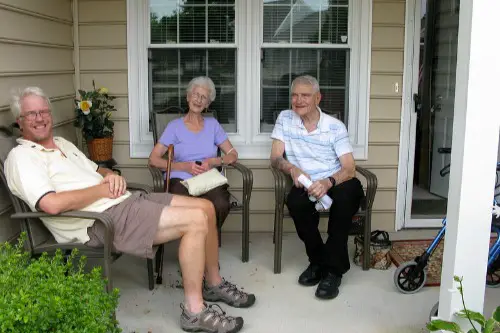
Neighbors are far more likely to talk to you if they actually see you. People who spend time gardening, walking their dog, or even just sitting on the porch tend to get noticed. Visibility naturally increases chances for casual interactions like a wave or a quick “hi.” Without those repeated little encounters, conversations rarely develop.
This doesn’t mean you need to linger outside for hours. Even consistent, short appearances make a difference because they signal openness and familiarity. If you’re never outside, neighbors may not even recognize you, let alone feel comfortable approaching. Simply being around plants seeds of connection.
2. Whether You Smile or Make Eye Contact

Body language sends strong signals about approachability. A smile or nod makes you seem friendly and safe to talk to. Avoiding eye contact or looking rushed can give the impression that you’d rather be left alone. Neighbors often take their cue from these subtle cues.
Even brief acknowledgment lowers social barriers. People often don’t want to intrude, so a little gesture tells them it’s fine to say hello. Over time, those small moments build trust and rapport. It’s an easy but powerful way to open the door to conversation.
3. How You Handle Noise

Noise is one of the top reasons neighbors clash. If you consistently play loud music or let your dog bark, people may avoid chatting because they don’t want conflict. On the flip side, neighbors often warm up to those who are considerate about volume. Respect for peace and quiet goes a long way.
When noise does happen—like during a party—giving a heads-up can actually strengthen ties. It shows awareness and consideration, which makes neighbors more likely to forgive the inconvenience. A quick note or invitation can turn potential annoyance into goodwill. That goodwill often leads to easier conversation later.
4. If You Keep Your Yard or Space Tidy
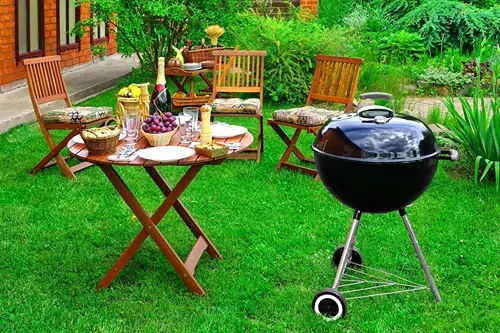
First impressions often come from how your home looks on the outside. A well-kept lawn or balcony signals that you care about the neighborhood. While most people don’t expect perfection, consistently messy or neglected spaces can discourage interaction. It may make neighbors assume you’re detached or not invested in the community.
On the other hand, neatness creates comfort. It makes it easier for others to stop by or strike up a chat without awkwardness. If you add something inviting like flowers or seating, it practically invites conversation. The effort you put in shows respect, which makes people more likely to reciprocate.
5. Whether You Share Small Favors

Simple acts like lending a tool, holding a package, or sharing extra cookies build bridges. These gestures show trust and generosity, which neighbors often appreciate deeply. When you offer help without strings attached, people feel more comfortable engaging with you. It sets a positive, reciprocal tone.
Even small interactions like these can create stories neighbors remember. They may share how you helped out, which naturally sparks more conversation. It’s not about big favors but about building micro-connections. Each little act creates an opening for future chats.
6. How You Handle Conflict
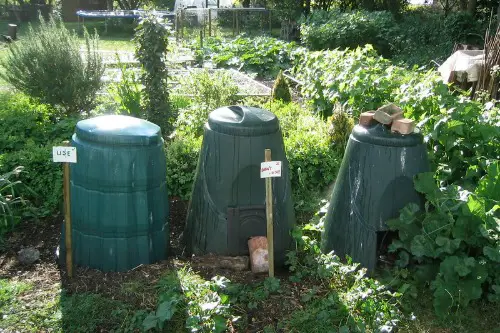
Every neighborhood eventually has little disagreements. Whether it’s about trash bins or parking spots, the way you respond matters. Calm, respectful handling of issues makes neighbors more likely to talk with you in the future. Aggressive or passive-aggressive responses do the opposite.
Even if you don’t resolve everything perfectly, showing willingness to listen earns respect. Neighbors remember when someone takes their concerns seriously. That makes them more likely to initiate conversations about lighter topics later. Conflict handled well can actually strengthen community bonds.
7. If You Participate in Neighborhood Events

Block parties, yard sales, or community clean-ups are prime opportunities to connect. People who join these activities tend to be seen as approachable and engaged. Just showing up helps put a face to a name. It signals that you care about more than your own property.
Participation also gives neighbors natural conversation starters. Instead of awkward small talk, you’re already sharing an experience. That shared context lowers barriers and makes interactions smoother. Over time, this involvement often turns into regular friendly exchanges.
8. Whether You Have Pets or Kids

Dogs, in particular, are conversation magnets. Walking a dog or letting them play outside often sparks spontaneous chats with neighbors. Kids playing together can create similar openings for parents to connect. These built-in icebreakers make interactions feel less forced.
Of course, the reverse can be true if pets or kids are disruptive. An aggressive dog or unsupervised children may cause neighbors to avoid you. But in most cases, they serve as natural bridges for conversation. Shared interests in pets or parenting make talking feel easy.
9. Your Reputation in the Neighborhood

Word of mouth spreads quickly in residential areas. If neighbors hear you’re reliable, friendly, or helpful, they’ll be more open to talking. Negative impressions, whether fair or not, can make people hesitant. Sometimes reputation precedes the first real conversation.
That’s why consistency matters. Positive behavior adds up to a reputation that invites conversation. People are more likely to trust someone they’ve heard good things about. In small communities, this often sets the tone before you even say hello.
10. Whether You Respect Boundaries

Being friendly doesn’t mean being overbearing. Dropping by unannounced or oversharing can make neighbors uncomfortable. People are more willing to talk if they feel their space and privacy are respected. Good boundaries actually make interactions smoother.
It’s about striking a balance—showing interest without intruding. For example, a quick chat at the mailbox is welcome, but lingering too long might feel pushy. When neighbors see that you know when to pull back, they’re more likely to re-engage. Respect builds trust, which encourages conversation.
11. How Long You’ve Lived There

Longevity in a neighborhood naturally increases the chances of interaction. Familiar faces become more approachable simply through repeated exposure. Over time, neighbors build a sense of trust just from seeing you around. That sense of stability encourages conversation.
Newcomers can still break through, but it may take effort. Without history, neighbors don’t have as much context for who you are. That’s why introductions and small gestures matter more in the early months. Eventually, familiarity works in your favor.
12. Whether You’re Willing to Make the First Move

Sometimes, neighbors are waiting for a sign before they talk. A quick “hi, I’m your neighbor from across the street” can break months of silence. People often hesitate out of shyness, not dislike. Taking initiative shows confidence and openness.
Once that first step is taken, conversations become much easier. Even a simple greeting creates a foundation for more interaction later. It shows you’re approachable and removes the fear of awkwardness. More often than not, neighbors are relieved when someone makes the effort.
13. How You React to Everyday Encounters

Sometimes the smallest moments determine whether neighbors want to chat with you. A friendly wave when passing by in the driveway can feel welcoming. On the other hand, ignoring those micro-encounters can send the message that you’d rather not be bothered. Over time, these little reactions add up to an overall impression.
Even if you’re busy, acknowledging someone creates a sense of friendliness. People often remember how they felt after a quick interaction more than the words exchanged. A simple nod or smile leaves the door open for longer conversations later. Being approachable in these tiny ways makes neighbors more likely to engage with you.
14. The Vibe of Your Front Porch or Entryway

Your entry space often speaks before you do. A warm, inviting area with a plant, a chair, or a welcome mat can make neighbors feel like you’re approachable. A cluttered or unlit space, in contrast, may discourage casual conversation. The look of your entry signals whether you’re open to interaction.
This doesn’t require elaborate decorating—just small touches that show care and personality. When neighbors feel comfortable approaching your door, they’re more likely to strike up a chat. A welcoming vibe can soften barriers and spark friendliness. It becomes a silent invitation to connect.
15. If You Acknowledge Shared Spaces

In neighborhoods with shared areas like hallways, laundry rooms, or driveways, behavior there matters. Greeting people instead of avoiding eye contact sets a friendly tone. Even picking up stray trash in a communal spot shows consideration. These small gestures communicate respect for everyone’s environment.
Neighbors notice when you treat shared spaces thoughtfully. That impression often carries over into willingness to chat. It makes others feel like you’re part of the same team rather than just a bystander. Shared environments can be powerful bridges for connection if handled well.
16. Whether You Show Interest in Local Happenings

Asking about nearby events or news shows you’re invested in more than just your own household. A quick “Did you see the new café down the street?” can spark natural conversation. People often bond over shared experiences or local updates. Ignoring community life, on the other hand, can make you seem distant.
Neighbors appreciate when you care about what’s happening around you. It makes small talk easier because there’s a ready-made topic at hand. Showing interest gives others the chance to share their own knowledge or experiences. That back-and-forth builds rapport over time.
17. How You Treat Deliveries and Packages
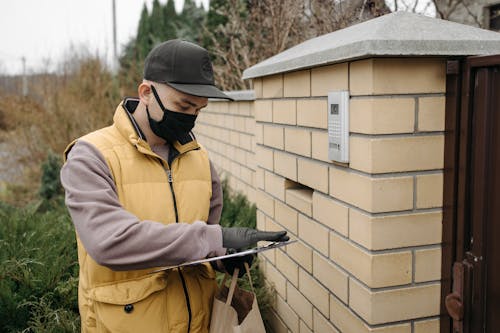
Something as simple as handling packages thoughtfully can affect how neighbors view you. Offering to grab a package for someone when it’s left in the rain is a small but meaningful gesture. Likewise, respecting boundaries by never touching their deliveries builds trust. How you handle these situations reflects your reliability.
Neighbors often remember small acts of responsibility. When they see you as dependable, they feel more at ease starting conversations. It reassures them that you’re considerate of their property. That sense of reliability makes future chats flow more naturally.
18. Your Willingness to Exchange Contact Information

Sharing your phone number or email, even casually, creates an open channel for communication. It signals trust and makes people feel like you’re approachable. Some neighbors use it only for practical reasons, but it still lowers barriers. Knowing they can reach out if needed makes casual chatting easier.
This doesn’t mean over-sharing or forcing closeness. Just offering a simple way to stay in touch can create comfort. It makes neighbors more willing to talk when they see you outside because the ice is already broken. That little exchange can lay the groundwork for friendly interaction.
19. If You Express Gratitude

Thanking neighbors for even small things creates a positive cycle. A quick “thanks for grabbing my trash bin” or “I appreciate you holding the door” makes people feel valued. Gratitude builds warmth without requiring long conversations. It reassures others that their efforts are noticed.
When people feel appreciated, they’re more likely to engage again. That sense of positivity sticks in their memory. Gratitude lowers tension and replaces it with goodwill. Over time, it fosters an environment where conversations feel natural.
20. Whether You’re Consistent in Your Behavior
Neighbors notice patterns more than one-time actions. Being consistently friendly, respectful, and approachable creates trust. If your mood or behavior changes drastically, people may hesitate to start conversations. Consistency helps neighbors know what to expect from you.
Even small steady habits—like always greeting with a smile—make a big difference. People are more comfortable talking when they feel interactions will be reliable. It builds a sense of stability in the relationship. Consistent behavior becomes the foundation for long-term neighborly connection.
This post 20 Things That Determine Whether Neighbors Will Actually Speak to You was first published on Greenhouse Black.
