
1. Living Walls
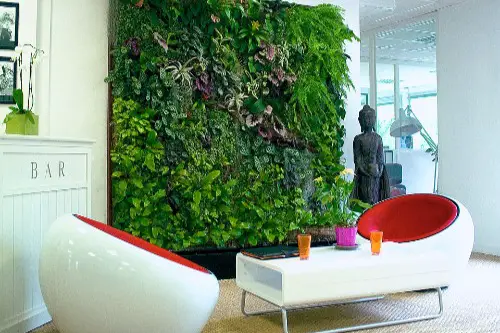
Green walls look stunning in marketing brochures, but they come with big maintenance costs. The irrigation systems, fertilizers, and pest control they require can rack up serious expenses over time. In fact, studies show they often consume more energy and water than they save. For most buildings, they’re more about aesthetics than sustainability.
On top of that, living walls rarely improve air quality the way they’re advertised to. Indoor air circulation systems do far more to remove pollutants than a vertical garden. If the plants die, which happens often in commercial spaces, replacements add even more cost. At best, they’re a design feature—not an environmental solution.
2. Green Roofs
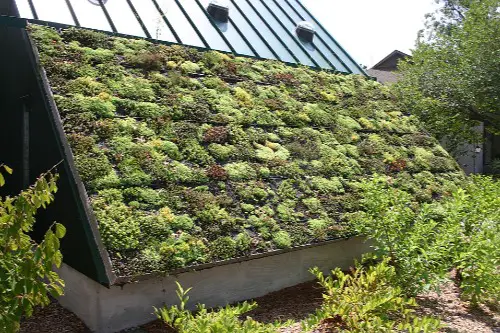
Green roofs are often promoted as a way to reduce heating and cooling costs, but the numbers don’t usually add up. The extra structural support they require can be expensive to install. On top of that, leaks are a common issue, which means costly repairs. When you factor in the maintenance, they often end up being more trouble than they’re worth.
While they can reduce stormwater runoff, the environmental impact is smaller than advertised. Cities would benefit more from permeable pavement and better drainage systems. In practice, green roofs are mostly a marketing tool for developers to look eco-conscious. They rarely deliver the energy savings touted in glossy brochures.
3. Bamboo Flooring
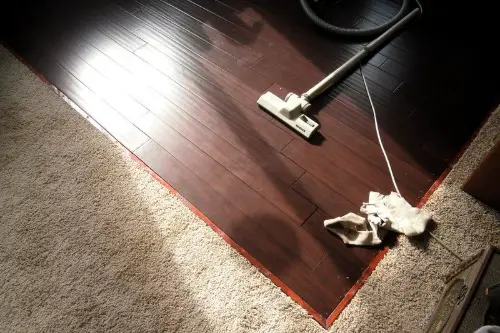
Bamboo gets marketed as a green alternative to hardwood because it grows quickly, but the reality is messier. Much of the bamboo used in construction is shipped long distances from Asia, driving up its carbon footprint. On top of that, bamboo flooring often contains adhesives with toxic formaldehyde. It’s hardly the eco-friendly miracle material people think it is.
Durability is another big issue. Unlike hardwood, bamboo dents and scratches easily, which means it has to be replaced more often. That short lifespan makes it less sustainable in the long run. For most projects, locally sourced wood is a better choice both economically and environmentally.
4. Smart Glass Windows
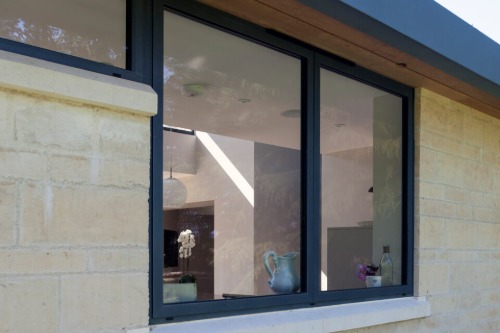
Smart glass sounds futuristic, automatically tinting to reduce glare and heat gain. But the upfront costs are huge, and the payback period can be decades. Maintenance is also tricky since the technology is still relatively new. For many buildings, it’s simply not a cost-effective energy-saving measure.
In reality, old-fashioned exterior shading devices like awnings and louvers do a better job at a fraction of the cost. Window films can also achieve similar results with less complexity. The “wow” factor sells smart glass to developers, but tenants rarely see the benefits. It’s an expensive tech fix for a problem with simpler solutions.
5. Solar Water Features

Water fountains powered by solar panels sound like the perfect green amenity. But the pumps need frequent maintenance, and the water often has to be chemically treated. That offsets any sustainability benefit the solar panels provide. In many cases, they’re more about “green” branding than real impact.
The irony is that they use up water, which is a scarce resource in many regions. A fountain with or without solar power still wastes gallons that could be conserved. For buildings aiming for LEED points, they may check a box—but they don’t solve environmental challenges. In fact, they can make them worse.
6. Motion-Sensor Faucets

Automatic faucets are often marketed as water-saving devices, but the reality is complicated. They’re prone to malfunctions, which can actually lead to leaks or wasted water. Repairs and replacements drive up costs for building owners. Plus, they often use more energy than simple, durable low-flow faucets.
When tested, many motion-sensor faucets didn’t reduce water use at all compared to traditional ones. People tend to run them longer, or sensors don’t shut off quickly enough. The “touchless” convenience is nice, but it’s more about hygiene than sustainability. If the goal is to save water, they’re not the answer.
7. Cork Flooring
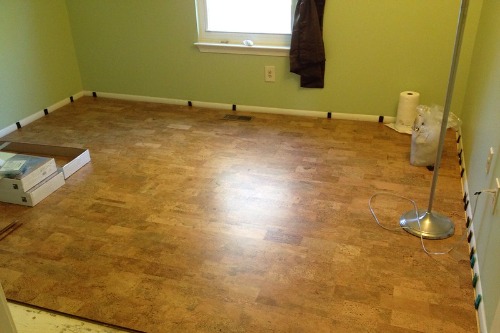
Cork is another trendy “green” material that doesn’t live up to the hype. While it’s renewable, most cork flooring is heavily processed with adhesives and finishes. Those treatments undercut the natural benefits of cork. Shipping cork from the Mediterranean also comes with a big carbon footprint.
The other problem is durability. Cork dents easily and degrades when exposed to sunlight and moisture. That means it has to be replaced more often, which isn’t sustainable. Like bamboo, it’s a case where the green label oversells the reality.
8. Greywater Systems in Small Buildings
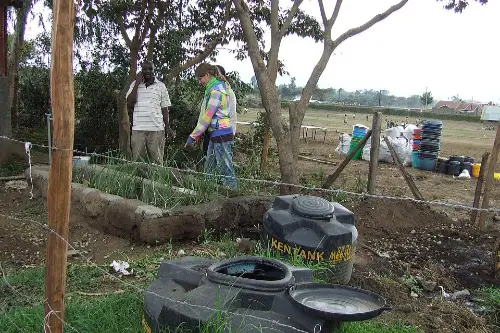
Recycling water sounds like a win, but small-scale greywater systems often don’t make sense. They’re expensive to install and need ongoing maintenance to prevent bacteria buildup. For single buildings, the cost per gallon of reused water is sky-high. The energy required to treat and pump the water often cancels out the benefits.
These systems work better at a citywide level, where treatment plants can process large volumes efficiently. At the scale of an office or apartment building, they’re rarely practical. Developers may tout them as innovative, but tenants usually don’t see savings. They’re a feel-good feature with little impact.
9. Energy-Intensive Recycling Centers in Buildings

Some new developments include elaborate recycling rooms with specialized bins and compactors. The idea is to encourage tenants to recycle more. But running these systems requires electricity, cleaning, and staff oversight. The energy and costs often outweigh the environmental benefit.
What actually drives recycling rates is public policy and city infrastructure—not flashy in-building setups. If the local waste management system isn’t robust, those fancy recycling centers don’t help. They end up as a costly amenity that looks good in sustainability reports. The money would be better spent on tenant education.
10. Solar Panels in Shady or Cloudy Locations
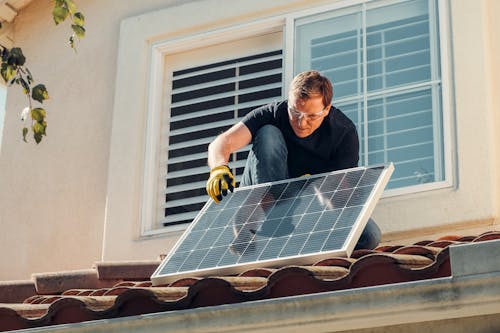
Solar panels are great in sunny areas, but they’re often slapped onto buildings where they don’t make sense. In regions with frequent cloud cover, the output is minimal. Worse, panels installed in shaded spots on rooftops generate even less energy. The payback period in these cases can stretch to decades.
Building owners sometimes install them anyway to earn green certifications. But they’re mostly symbolic if they don’t meaningfully offset energy use. In practice, that money would go further improving insulation or HVAC efficiency. Solar works—but only in the right conditions.
11. Composting Systems in High-Rises
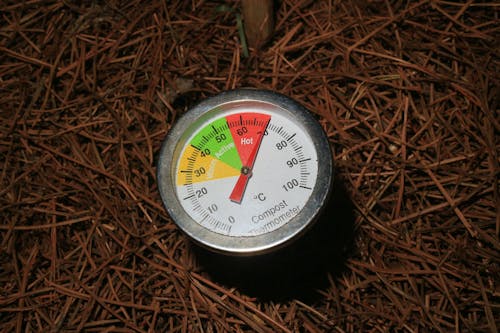
Composting is great in theory, but high-rise buildings make it complicated. Collecting food scraps from dozens of floors requires a lot of labor. On top of that, the odor and pest control issues are hard to manage. Many buildings quietly abandon these programs after a year or two.
Municipal composting programs are far more effective, since they can handle large volumes properly. In-house systems in tall buildings rarely achieve the environmental goals they promise. Instead, they create logistical headaches and extra costs. For most tenants, separating waste only works if the city supports it.
12. Over-Engineered HVAC Systems
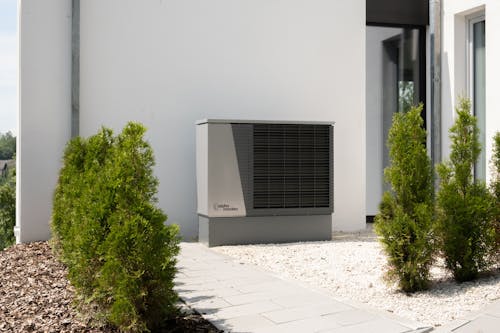
New “green” HVAC systems often come with high-tech sensors, AI controls, and complex zoning. But they’re extremely costly to install and maintain. Building managers frequently don’t know how to use them properly, so the systems underperform. That means the projected energy savings never materialize.
Older, simpler systems with regular maintenance often perform just as well. Over-engineered HVAC setups look impressive in design specs but fall short in reality. The learning curve and repair costs wipe out the benefits. Sometimes, less technology really is greener.
13. Rainwater Harvesting in Low-Rain Areas
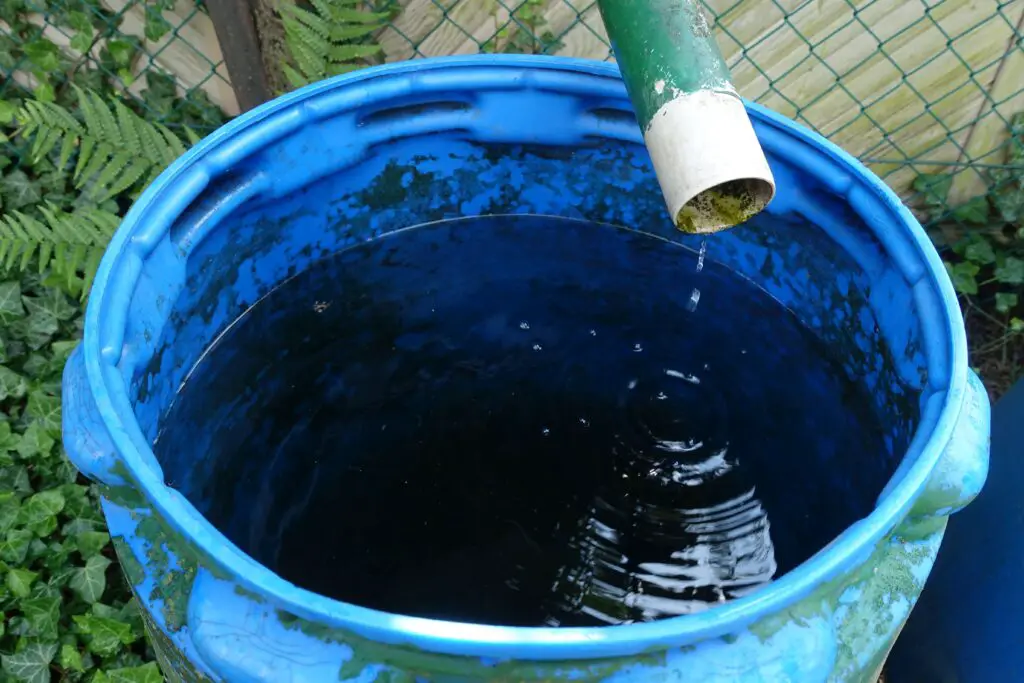
Rainwater harvesting works beautifully in regions with steady rainfall. But in dry climates, the systems barely collect enough water to matter. Installation costs are high, and tanks require cleaning and upkeep. For many buildings, the water savings never offset the investment.
Ironically, the areas where water is most scarce are often the least suitable for rainwater harvesting. Developers install these systems to check a sustainability box, not because they’re effective. In practice, low-flow fixtures and drought-tolerant landscaping have a bigger impact. Harvesting systems in deserts are mostly a mirage.
This post 13 “Green” Building Trends That Don’t Save Money—or the Planet was first published on Greenhouse Black.
