
1. Elaborate Charcuterie Boards
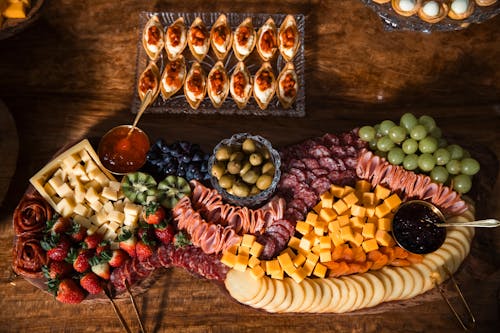
They look beautiful on Instagram, but actually putting them together is surprisingly stressful. You need multiple kinds of cheese, cured meats, crackers, fruits, and often some trendy extras like honeycomb or edible flowers. Guests might appreciate the aesthetics, but they rarely finish everything, leaving you with food waste and cleanup. The trend creates pressure to perform rather than simply feed people.
For the host, this means more shopping trips, higher grocery bills, and lots of prep time. It also sets an expectation that every gathering needs to look like a magazine spread. Instead of being fun, it often feels like another task that overshadows enjoying the company. What was once a simple snack plate now feels like a competitive sport.
2. Signature Cocktail Stations
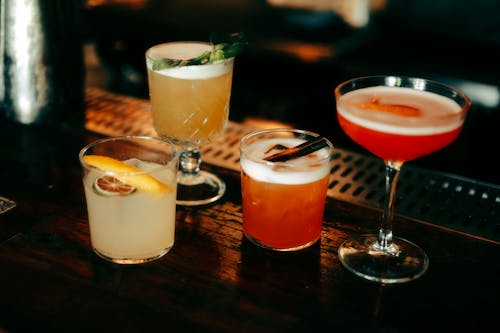
A custom drink bar sounds impressive, but it demands constant attention from the host. Guests need guidance on mixing ratios, or they wait around awkwardly for someone else to start. The array of mixers, garnishes, and glassware can turn your kitchen counter into chaos in minutes. Meanwhile, people who don’t drink alcohol may feel left out entirely.
Maintaining such a station requires stocking multiple types of liquor and fresh add-ons like citrus or herbs. It often leaves behind sticky messes and half-used bottles you’ll struggle to use later. What was meant to add flair usually ends up adding stress. Sometimes a chilled bottle of wine or a cooler of beers really is enough.
3. Coordinated Outfit Themes
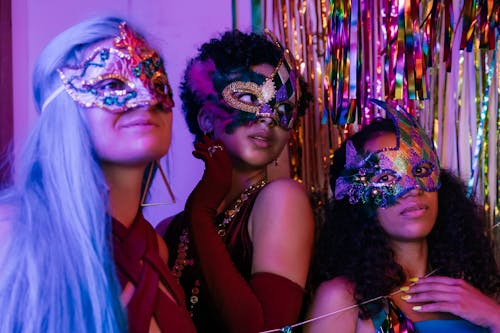
Themed attire can be playful, but not everyone enjoys the extra prep. Some guests stress over not having the right clothes and feel awkward if they can’t fully commit. Others may end up spending money on an outfit they’ll never wear again. It’s a small ask that can create disproportionate anxiety.
Hosts also run into trouble when themes aren’t universally appealing. What feels fun to one group may feel embarrassing to another. Enforcing a dress code can unintentionally exclude or pressure guests who just wanted a low-key evening. Instead of bonding, it sometimes sets people apart.
4. Endless Photo Ops
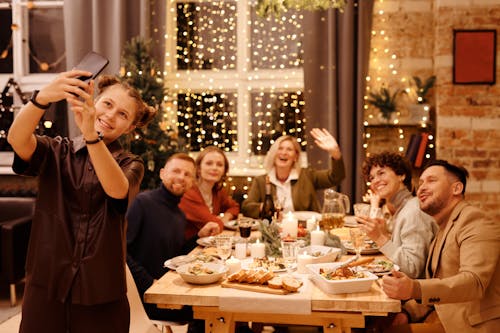
Social media has made photo moments a centerpiece of gatherings. Balloon arches, neon signs, or flower walls are now common backdrops. While they look festive online, they demand money, setup time, and usually a last-minute scramble. Guests can end up feeling like unpaid models instead of relaxed participants.
The constant posing also breaks up natural conversation. Instead of mingling, people queue for the perfect shot. This can make shy or camera-weary guests uncomfortable. In the end, everyone remembers taking pictures more than the actual time spent together.
5. Overly Curated Playlists
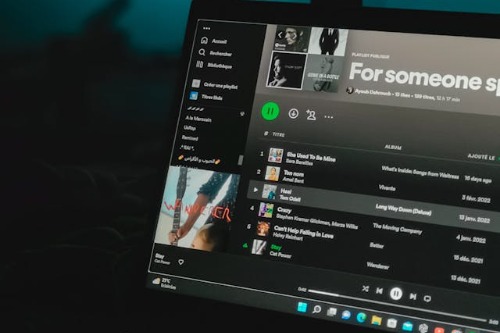
Music sets the vibe, but hyper-specific playlists can backfire. A host might spend hours tailoring a mood—think “sunset indie acoustic” or “tropical house brunch”—only for guests to want something different. Requests inevitably roll in, making the curated effort feel wasted. It becomes a tug-of-war between the host’s vision and guests’ actual enjoyment.
On top of that, managing Bluetooth connections or streaming services mid-party is disruptive. Someone always forgets the password, or a random ad pops up if you’re not using premium accounts. The stress of keeping everyone happy musically can overshadow the event itself. Sometimes background radio does the job just fine.
6. Fancy DIY Food Bars
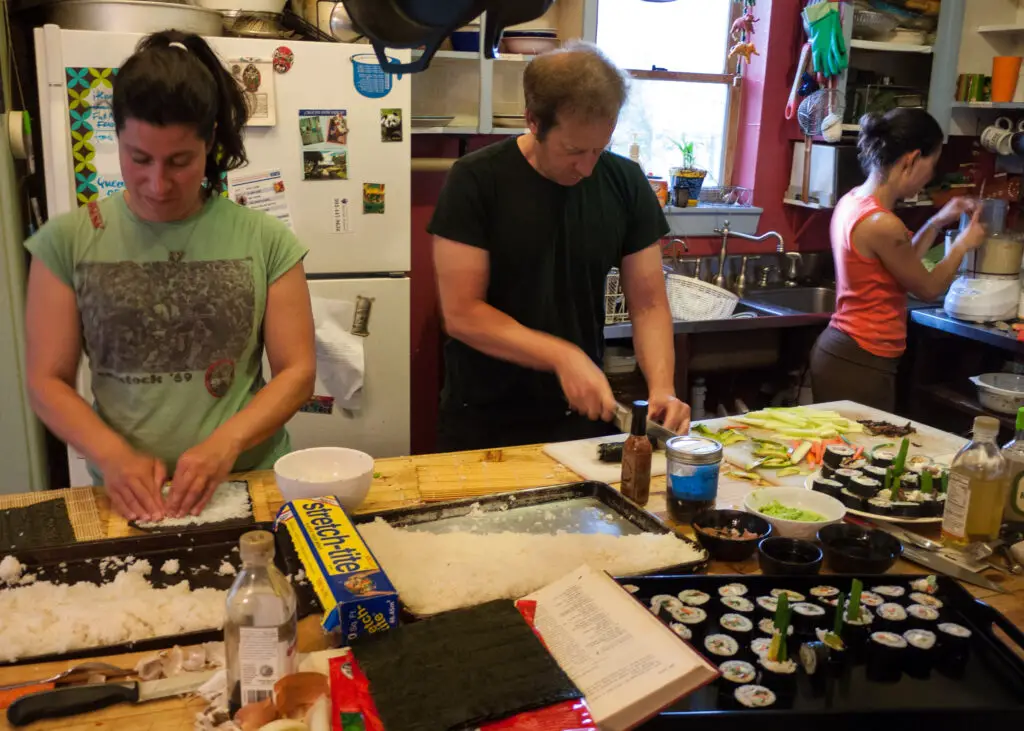
From taco spreads to build-your-own sushi rolls, these stations seem interactive. But they demand dozens of ingredients, multiple containers, and careful planning for dietary needs. Guests often hover in line, balancing plates awkwardly, while the host fields endless “where’s the salsa?” questions. The charm wears off quickly when logistics take over.
Cleanup is another hidden headache. Dozens of small bowls and serving spoons pile up in the sink. Leftovers don’t always store well, meaning lots of waste. While it photographs nicely, it’s rarely as effortless as it appears.
7. Party Favors for Adults
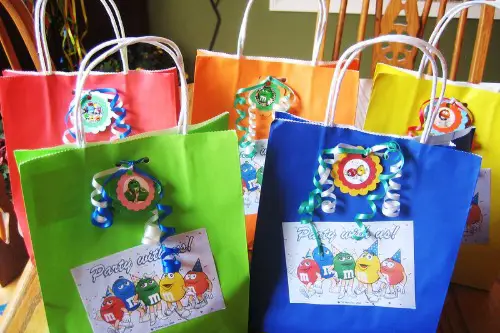
Handing out little gift bags at children’s parties makes sense, but the adult version is creeping into dinner parties and get-togethers. Hosts feel pressure to provide candles, soaps, or tiny bottles of wine as if entertaining isn’t enough. This expectation transforms hospitality into a mini retail experience. Guests may even feel guilty for leaving without one.
The cost adds up quickly, especially when multiplied by a dozen attendees. Many favors end up forgotten in cars or tossed later, making the effort feel wasted. Instead of gratitude, it can generate awkwardness around value and reciprocity. At its worst, it shifts focus from connection to consumerism.
8. Hyper-Specific Dietary Catering
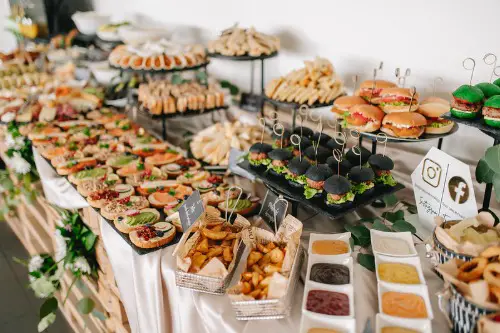
Being considerate of allergies and restrictions is important, but accommodating every preference can be exhausting. Gluten-free, dairy-free, vegan, keto, and nut-free options quickly turn into five different menus. Hosts spend hours triple-checking labels and worrying about cross-contamination. By the end, cooking feels like a math problem instead of a joy.
Guests may appreciate the thought, but it also raises expectations for future gatherings. Instead of relaxing, the host often feels like they’re running a small restaurant. The stress can overshadow the meal itself. A gracious approach is offering a variety but not bending into culinary contortions.
9. Interactive Games and Icebreakers
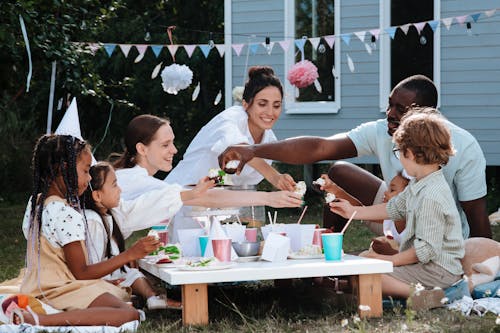
Games can be fun, but when forced, they turn awkward fast. Not everyone enjoys trivia, charades, or storytelling prompts. Guests may feel put on the spot, and the pressure to perform can kill natural conversation. What was meant to “liven things up” often has the opposite effect.
For the host, organizing games requires extra supplies, explanations, and herding people into participation. If the group isn’t into it, all that preparation goes to waste. Many adults prefer organic conversations over structured activities. Fun should feel optional, not mandatory.
10. Candle Overload
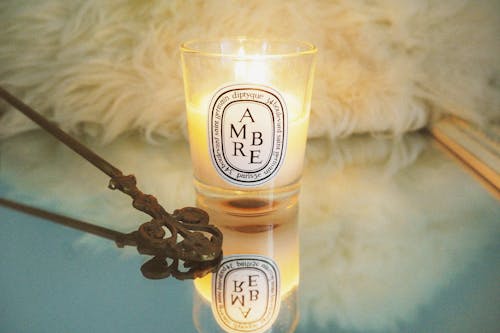
Ambiance matters, but lining every surface with candles is both costly and risky. Wax drips, uneven burning, and the potential for fire accidents all add to the stress. The constant need to monitor flames takes attention away from guests. Not to mention, heavy scents can overwhelm or trigger allergies.
Replacing candles after every event adds hidden expense. Plus, melted wax often ruins holders, requiring replacements. While cozy lighting is lovely, moderation is key. A few lamps or string lights often do the same job more safely.
11. Personalized Place Settings
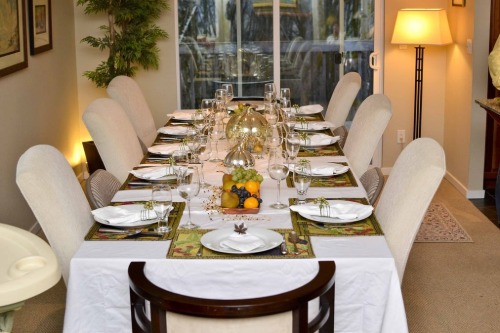
Custom name cards or themed tableware look elegant, but they require hours of prep. Guests rarely notice the details beyond a polite comment. Worse, assigned seating can limit organic mingling and make the dinner feel stiff. The effort outweighs the actual impact.
For the host, this trend often means late nights crafting or printing. Misplaced names or misspellings can even spark awkwardness. While visually pleasing, it adds another unnecessary layer of stress. Most guests just want a comfortable chair and a good plate of food.
12. Overbooked Agendas

Packing an evening with multiple courses, games, speeches, and toasts sounds engaging. In practice, it leaves little breathing room for casual connection. Guests often feel rushed from one activity to the next. Instead of flowing naturally, the night feels scripted.
Hosts end up juggling a schedule instead of being present. Small delays—like dinner running late—can derail the entire plan. This creates pressure and drains spontaneity. Sometimes the best gatherings are the simplest ones, with no agenda at all.
This post 12 Entertaining Trends That Quietly Exhaust Everyone You Invite was first published on Greenhouse Black.
