
1. Indoor Slides Instead of Stairs
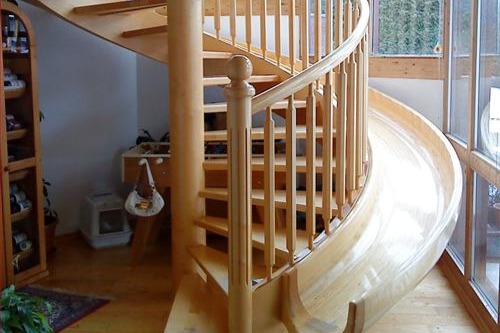
Slides are fun if you’re designing your home with kids—or your own inner child—in mind. They make for a quirky conversation starter and a playful alternative to standard stairs. But when it comes time to sell, most buyers see them as impractical and potentially unsafe. Retrofitting them back into usable staircases can also be expensive.
Even if the idea appeals to some, most people prefer function over novelty. Safety concerns for small children, older adults, or even pets become a deal-breaker. A feature like this often narrows your buyer pool to nearly zero. It’s a perfect example of a “dream” idea that doesn’t translate into resale value.
2. Elaborate Themed Rooms
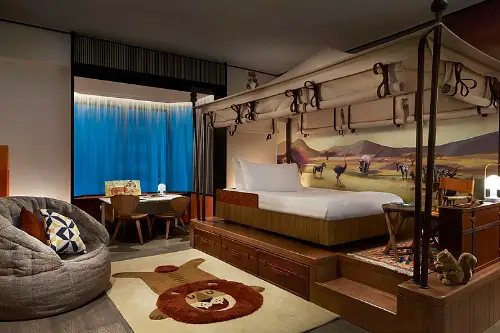
A pirate ship bedroom or a Harry Potter-inspired library might feel magical when you first move in. These spaces can be works of art, showcasing creativity and personality. The problem is that they’re so specific that they alienate most potential buyers. Very few people want to inherit someone else’s fantasy world.
To sell, homeowners often have to strip away the theme, which can cost thousands of dollars. Paint, flooring, and custom built-ins may all need to be redone. Buyers are typically more drawn to neutral, flexible spaces they can make their own. The more extreme the theme, the harder the resale.
3. Oversized Aquariums

Large, built-in aquariums bring a piece of the ocean indoors. They’re mesmerizing, calming, and add a sense of luxury. But they’re also a maintenance nightmare, requiring specialized equipment and constant upkeep. Many buyers see them as an expensive liability rather than a feature.
The sheer size of some tanks means they’re nearly impossible to remove without damage. That adds another layer of cost and hassle for buyers who don’t want them. On top of that, leaks or malfunctions can cause major water damage. What feels like a dream for some is a red flag for many others.
4. Home Movie Theaters
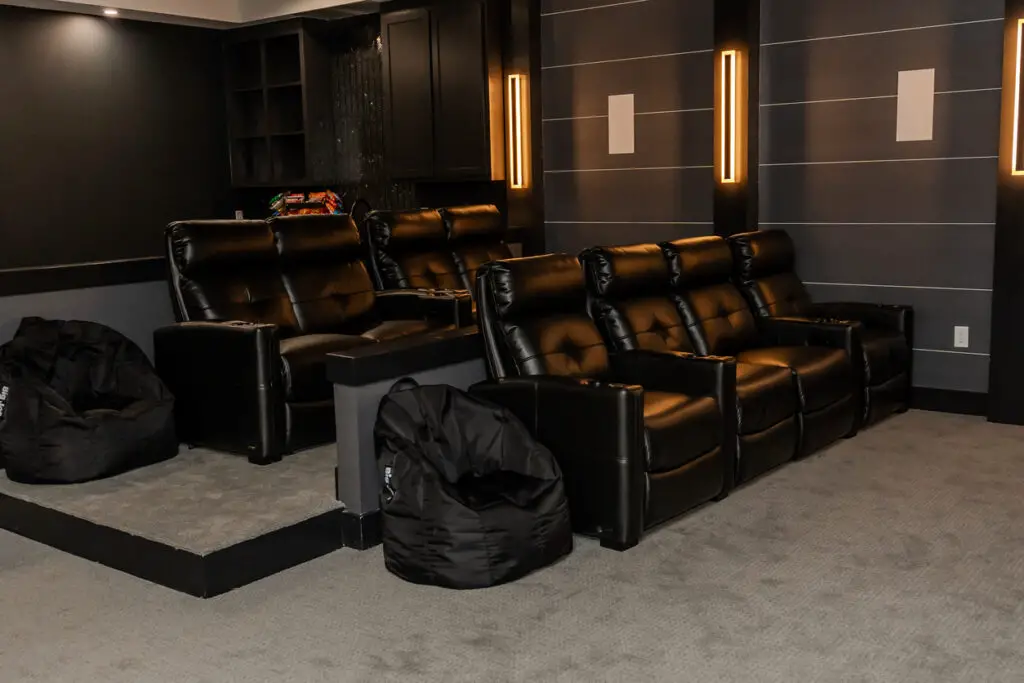
Private theaters sound like the ultimate entertainment perk. Reclining seats, a big screen, and surround sound create an experience most people would envy. But the reality is that not everyone has the time or desire to dedicate a whole room to movies. For many, it’s wasted space.
Technology also changes quickly, meaning equipment becomes outdated in just a few years. Buyers may see it as an expensive renovation project rather than a benefit. They often prefer multipurpose spaces that can be turned into bedrooms, gyms, or offices. A movie theater narrows flexibility and makes resale tougher.
5. Massive Built-In Fish Ponds or Waterfalls
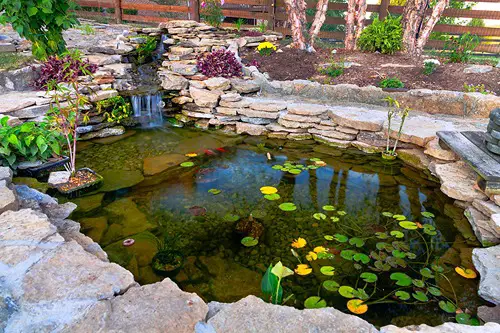
Indoor ponds and waterfalls create a spa-like atmosphere. They can be tranquil, beautiful, and make a home feel truly unique. But they also introduce constant moisture into the environment. Over time, that can mean mold, humidity damage, and costly repairs.
On top of upkeep, safety is another concern. Families with children or pets are unlikely to embrace the idea of open water indoors. Buyers usually see it as more of a headache than a perk. In most cases, the charm wears off quickly when practicality kicks in.
6. Gated Driveways in Suburban Neighborhoods
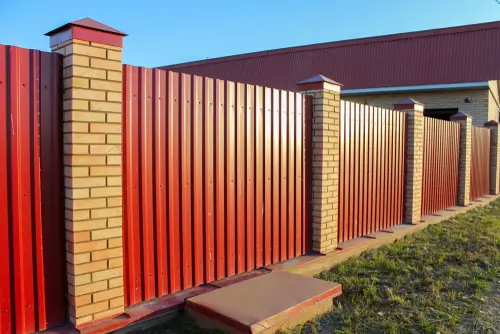
Grand gates at the end of a driveway look elegant and exclusive. They give the illusion of privacy and security. But in a suburban neighborhood, they can come off as unnecessary or even pretentious. They also make everyday life less convenient.
Delivery drivers, visitors, and even residents themselves may find them frustrating. Repairing or maintaining motorized gates can also be expensive. Many buyers won’t see the value if the neighborhood itself isn’t particularly high-security. Instead of an upgrade, it feels like overkill.
7. Indoor Pools
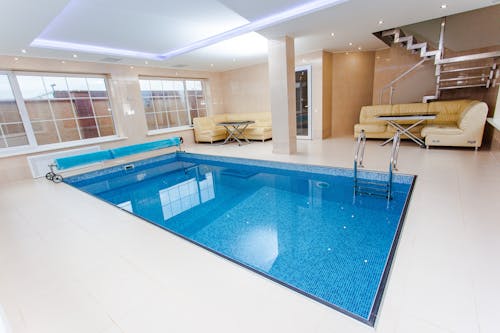
Swimming year-round in your own home sounds amazing in theory. An indoor pool makes your house feel like a private resort. But in reality, the upkeep is incredibly demanding. The constant moisture can wreak havoc on walls, ceilings, and ventilation systems.
Buyers also worry about safety, especially families with kids. Insurance costs for a home with an indoor pool are usually higher, too. Plus, the pool takes up square footage that could otherwise be used for living space. Unless someone’s actively looking for one, most see it as a burden.
8. Wine Cellars Bigger Than the Kitchen

For wine enthusiasts, a sprawling cellar is the ultimate dream feature. It shows sophistication and provides perfect conditions for collections. But for the average buyer, it’s wasted space that could be repurposed into something more practical. Most people don’t own hundreds of bottles of wine.
Even smaller-scale buyers may hesitate at the idea of maintaining temperature and humidity systems. These specialized rooms often require expensive climate control to function properly. Without it, the cellar loses its appeal and turns into just another basement. It’s simply too niche for most resale markets.
9. Hidden Rooms and Secret Passages

There’s something undeniably cool about hidden doors and secret passageways. They add a sense of mystery and exclusivity to a home. But as fun as they are, most buyers see them as a gimmick. Safety codes and accessibility standards can also complicate things.
Buyers want straightforward layouts, not ones that feel like puzzles. Removing or modifying hidden features can be expensive. What’s whimsical to the seller is often just inconvenient to the buyer. In resale terms, secrecy rarely sells.
10. Bowling Alleys

Having a private bowling alley feels like owning a slice of pure Americana. It’s flashy, unique, and undeniably entertaining. But the novelty wears off fast, and the space it takes up is enormous. Most buyers would rather use that square footage differently.
The upkeep costs are also sky-high. Specialized equipment requires regular maintenance, and replacing it can cost thousands. Very few buyers are willing to take that on. While it makes for a fun story, it rarely makes for a sale.
11. Extravagant Outdoor Kitchens
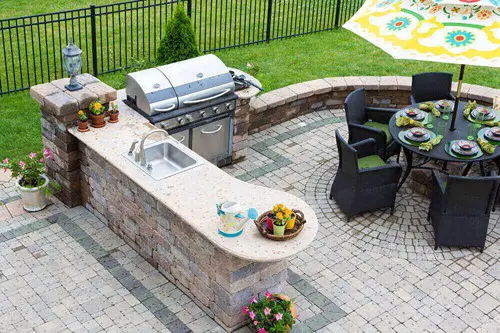
An outdoor kitchen with a pizza oven, grill, and bar feels like a backyard paradise. It’s perfect for hosting parties and enjoying warm weather. But not all buyers are entertainers, and not all climates are suitable year-round. In many areas, these kitchens end up gathering dust.
They also require extra maintenance, especially in places with harsh winters. Appliances may need winterizing, and countertops can weather over time. What’s sold as a luxury becomes a long-term commitment. Many buyers would rather stick with a simple patio and a grill.
12. Overly Customized Bathrooms
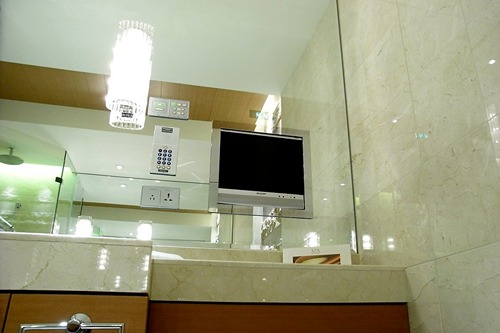
Bathrooms with floor-to-ceiling marble, gold fixtures, or built-in TVs might feel like a five-star hotel. They create a sense of extravagance and indulgence. But when it comes time to sell, many buyers see them as gaudy or overpriced. Not everyone wants to bathe under a crystal chandelier.
Highly personalized finishes are expensive to undo. Buyers may feel they’re paying for features they’ll never use. Simple, modern bathrooms tend to appeal to wider audiences. Going over the top here almost guarantees resale trouble.
13. Ultra-Specialized Hobby Rooms

A room dedicated entirely to model trains, pottery wheels, or indoor gardening can feel like a dream setup for the right person. These spaces often require custom cabinetry, built-in equipment, or unique ventilation systems. While they showcase passion, they often overwhelm buyers who don’t share the same interests. The more tailored the room is, the fewer buyers can see a practical use for it.
Potential buyers may mentally calculate the cost of removing or repurposing everything the moment they walk in. Specialized wiring or plumbing only adds to that concern. Even if the space is beautifully finished, its function can feel too narrow for everyday living. What seems like a dream workspace for one person becomes a renovation project for the next.
14. Massive Indoor Greenhouses
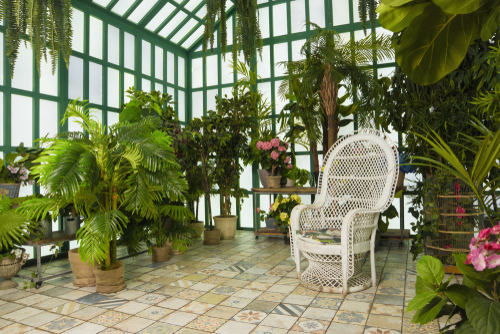
An indoor greenhouse lets you grow fresh herbs, flowers, and even vegetables right at home. It looks impressive and appeals to anyone who loves sustainability and gardening. But the humidity required for plants can damage floors, walls, and nearby rooms over time. Buyers often see it as a moisture trap waiting to cause repair bills.
Beyond maintenance fears, not everyone has the time or interest to care for dozens of plants. The space it occupies could be used for a family room, office, or bedroom instead. Climate-control systems also add long-term utility costs. What feels like a lush oasis to the seller usually feels like a burden to most buyers.
15. Hyper-Modern, Built-In Smart Systems

Fully integrated smart homes with custom wiring, wall panels, and proprietary software feel futuristic and luxurious. These setups can automate everything from lighting to blinds to climate control. But technology evolves quickly, leaving these expensive systems outdated within a few years. Buyers may worry they’re inheriting something that’s already obsolete.
Replacing or repairing these systems often requires hiring specialized technicians. Some buyers would rather stick to off-the-shelf smart devices that they can update on their own. When a home relies too heavily on hardwired tech, it loses flexibility. What was once cutting-edge can become a resale roadblock.
16. High-Maintenance Landscaping Mazes

Elaborate gardens with winding paths, sculpted hedges, and ornate landscaping look breathtaking at first glance. They make a home feel grand and showcase the owner’s meticulous taste. But the upkeep is extremely demanding, often requiring professional gardeners to maintain regularly. Buyers see not beauty but responsibility.
Even those who enjoy gardening may feel overwhelmed by the complexity of such landscapes. A single neglected season can make the entire yard look unruly. Families and busy professionals simply don’t want the pressure of maintaining a botanical masterpiece. A stunning yard quickly becomes a stress-inducing expense for most buyers.
17. Oversized Garage Workshops
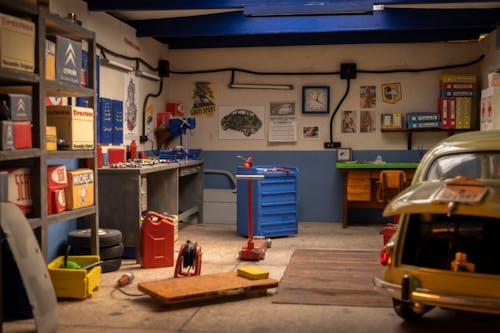
A huge garage filled with built-in workbenches, specialized storage, and industrial tools is paradise for hobbyists. Car enthusiasts, woodworkers, or craft lovers may see it as the perfect setup. However, most buyers don’t need or want that level of workshop space. They may prefer a standard garage they can use for parking or simple storage.
Removing or adjusting built-in units can be costly and time-consuming. The space can feel cluttered or intimidating to those unfamiliar with the tools or layout. Buyers often picture how much work it will take to reclaim it for everyday use. What one seller sees as a dream workspace becomes another person’s renovation checklist.
18. Ultra-Luxury Master Suites That Dominate the Floor Plan
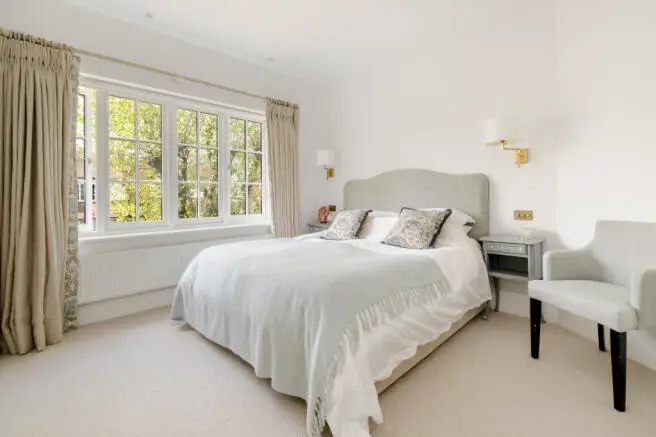
Master suites with spa rooms, lounge areas, and extra-large closets feel hotel-like and indulgent. They create a personal sanctuary that makes staying home feel luxurious. But when the suite consumes a huge portion of the home’s square footage, it throws off the balance of the layout. Buyers may see wasted space where additional bedrooms or functional areas should be.
Families especially find these oversized suites impractical. The cost of heating, cooling, and maintaining such a large private area feels unnecessary to many. Converting the space back into more traditional rooms can be expensive and disruptive. A mega-suite may impress at first, but it rarely converts into selling power.
19. Personal Sports Courts Indoors

An indoor basketball, tennis, or pickleball court creates a standout wow factor. It caters to active homeowners who love practicing their sport without leaving the house. But these courts take up massive amounts of space and offer zero use to most people. Buyers often see them as an impractical waste of square footage.
The flooring, lighting, and equipment are also costly to maintain or remove. Converting the court into functional rooms requires extensive construction. Most buyers prefer flexible living areas rather than a single-purpose athletic space. What’s a dream for a sports enthusiast becomes a resale headache for nearly everyone else.
20. Ultra-Deep Basement Bunkers
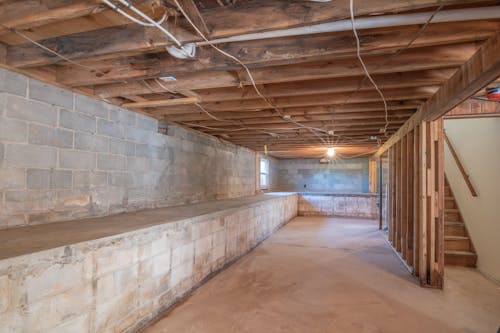
A fully equipped survival bunker might feel like the ultimate preparedness upgrade. Owners often invest in reinforced walls, air filtration systems, and long-term food storage. But most buyers see these features as excessive, unnecessary, or even unsettling. Instead of viewing it as security, they feel it signals fear or paranoia.
These bunkers also take up valuable square footage that could be used for recreation or living space. Converting them is difficult due to specialized construction and limited natural light. Many buyers simply don’t want a space they’ll never realistically use. What feels like peace of mind to one homeowner becomes an awkward selling point to the next.
21. Rooftop Hot Tubs and Lounges

Rooftop hot tubs offer stunning views and a sense of resort-like luxury. They make for great parties, quiet nights, and Instagram-worthy sunsets. But they also raise major concerns about structural load, leaks, and long-term weather exposure. Buyers often see future repair bills instead of relaxation.
Maintenance and insurance costs tend to be significantly higher for rooftop installations. Many buyers also worry about privacy, noise, or the safety of guests and children. Removing or relocating these features can be challenging due to plumbing and reinforcement needs. What seems glamorous at first glance often feels like an unnecessary liability during resale.
22. Built-In Gaming or VR Arenas
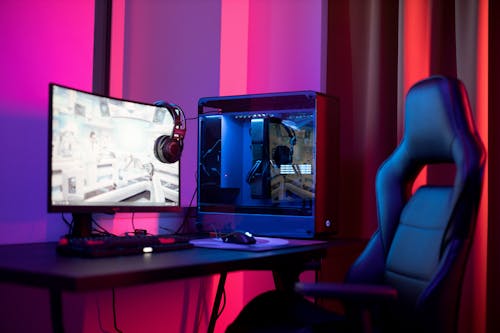
Custom VR rooms with padded walls, integrated sensors, and specialized lighting can create an immersive gaming experience. They highlight a homeowner’s passion for tech and entertainment. But most buyers don’t have the same hobbies or equipment to make use of the space. A room that’s optimized for one activity becomes impractical for anything else.
Even tech-forward buyers may prefer adaptable layouts that evolve with changing trends. A VR arena looks dated the moment new devices enter the market. Renovating it back into a normal room can require electrical work and drywall repair. What feels cutting-edge today quickly becomes a resale obstacle tomorrow.
23. Multi-Level Loft Beds in Primary Rooms
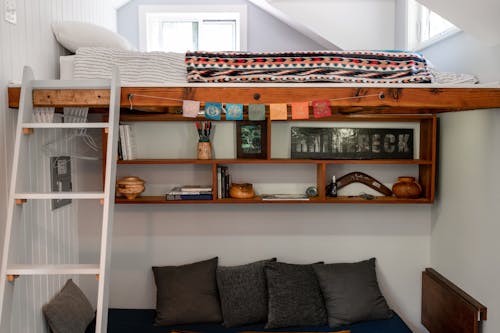
Loft beds built into primary bedrooms can feel playful and maximize vertical space. They create a unique, whimsical design that appeals to someone looking for a quirky home layout. However, most buyers expect ease of movement and accessibility in their main sleeping spaces. Climbing up and down daily becomes a hard sell for many people.
These structures often require custom carpentry that’s difficult to repurpose. Even if removed, they can leave behind patched flooring, mismatched paint, or unusual wall anchors. Buyers want bedrooms to feel restful, not like obstacle courses. A loft bedroom may charm the seller but confuses nearly everyone else.
24. Overly Dramatic Lighting Installations
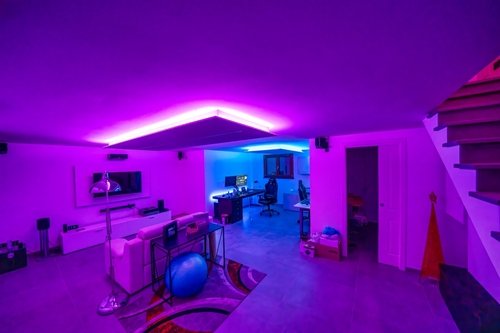
Homes fitted with elaborate LED light shows, color-changing walls, or nightclub-style fixtures grab attention instantly. They add personality and create unforgettable atmospheres. But most buyers prefer neutral, predictable lighting that matches everyday living. Constant color shifts or programmed sequences can feel overwhelming instead of stylish.
Removing or replacing these systems can get expensive, especially if they use proprietary wiring. Buyers may also worry about how long the electronics will last or whether they’re compatible with standard bulbs. A flashy lighting setup locks the home into a particular vibe that not everyone shares. For resale, simplicity almost always wins.
This post 24 “Dream Home” Features That Make Resale Almost Impossible was first published on Greenhouse Black.
