
1. Potato Ricers
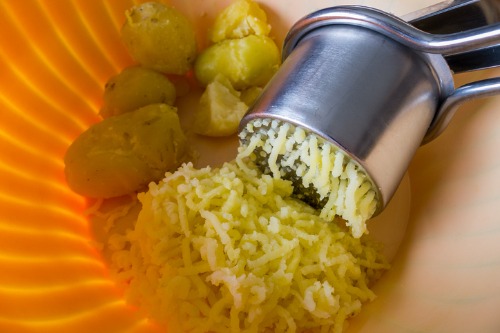
A potato ricer might look like a giant garlic press, but it creates the fluffiest mashed potatoes imaginable. Unlike modern electric mashers, it doesn’t overwork the starch, which can make potatoes gluey. The ricer pushes potatoes through small holes, breaking them into uniform bits that absorb butter and cream beautifully. Chefs still use them for gnocchi because of the perfect texture they produce.
Vintage ricers are usually made of heavy-duty aluminum or stainless steel. They’re straightforward, durable, and easy to clean. Modern plastic versions can crack under pressure, but the older ones are nearly indestructible. If you’ve only ever used a hand masher, trying a potato ricer is a game-changer.
2. Manual Coffee Grinders
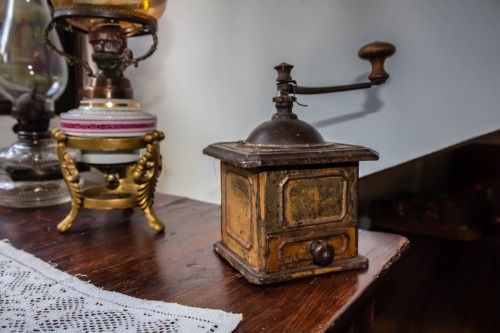
Hand-crank coffee grinders from decades past might look like quaint collectibles, but they still outperform many electric models. Grinding beans by hand produces a more consistent grind because you can control the speed and pressure. Electric grinders often generate heat that can alter the flavor of the coffee. With a manual grinder, you preserve the full aroma and richness of the beans.
Another benefit is their durability. Vintage grinders are usually made of solid wood and metal, which means they don’t wear out as quickly as plastic-bodied modern ones. They also don’t rely on electricity, which makes them handy during power outages or while camping. Plus, there’s something incredibly satisfying about starting your morning with that slow, deliberate ritual.
3. Butter Churns
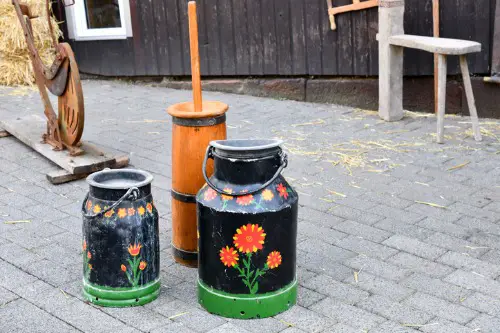
At first glance, a butter churn might seem like a museum piece, but it has a lot going for it. Churning your own butter from cream gives you control over texture and flavor in a way store-bought butter never can. The process also leaves you with fresh buttermilk, which is perfect for pancakes or biscuits. Modern stand mixers can whip cream into butter, but the churn’s design makes it easier to separate and collect.
Butter churns are also a more sustainable option. Unlike many modern kitchen gadgets with motors and breakable parts, a churn is simple, sturdy, and requires no electricity. They’re often made of glass or wood, which holds up well if cared for properly. And let’s be honest—there’s something special about tasting butter you’ve actually made by hand.
4. Mortar and Pestle
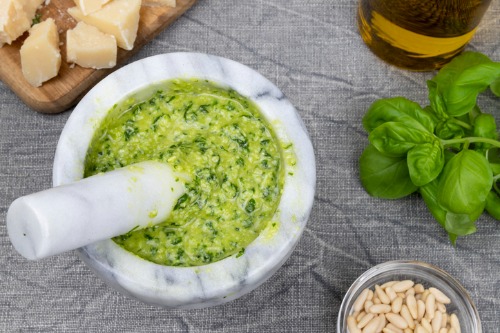
The mortar and pestle is as old as cooking itself, and for good reason. While food processors are fast, they can over-puree herbs and spices, stripping them of texture and essential oils. Crushing garlic, peppercorns, or basil by hand releases more flavor because it ruptures cell walls slowly and evenly. Chefs still swear by this method for authentic pesto or curry pastes.
A vintage mortar and pestle is usually made of stone, ceramic, or heavy wood, making it nearly indestructible. Unlike an electric grinder, it doesn’t have blades that dull or motors that burn out. You can use it for everything from guacamole to spice blends, and it doubles as a beautiful kitchen display. Sometimes the simplest tools really are the best.
5. Hand-Crank Egg Beaters
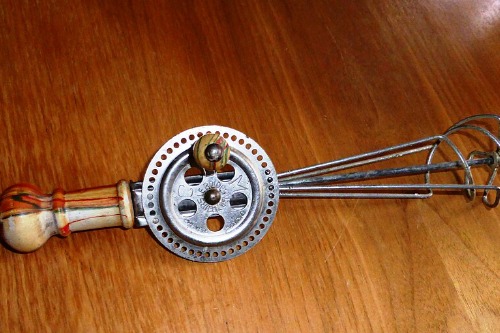
Before electric mixers took over, hand-crank egg beaters were the go-to tool for whipping eggs, cream, and batter. Their dual-beater design makes them surprisingly efficient, often whipping faster than you’d expect. They also give you more control, so you can stop before over-whipping. Unlike electric mixers, there’s no risk of splattering half the kitchen if you start on the wrong speed.
Durability is another big advantage. Older models were made of sturdy metals and gears rather than flimsy plastic. They don’t take up counter space, don’t need an outlet, and they’re quick to clean. For small jobs like beating eggs for an omelet, a hand-crank beater is often faster than dragging out a stand mixer.
6. Meat Grinders
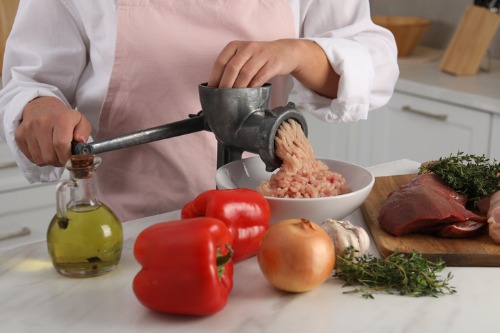
Vintage meat grinders are built to last, with solid cast iron or steel construction. They let you grind meat at home without additives or preservatives, something store-bought ground meat can’t guarantee. Because you control the speed, you also control the texture—chunky for chili, fine for sausages. Modern electric grinders are bulkier, noisier, and more prone to overheating.
Another perk is versatility. A hand-crank grinder can also process nuts, vegetables, or even make breadcrumbs. Cleaning is simpler too—just disassemble and wash. Many people inherit grinders from grandparents, and they’re still perfectly functional decades later.
7. Pastry Blenders
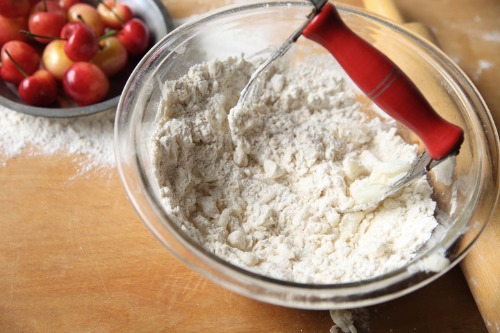
Pastry blenders are deceptively simple, but they do something modern tools can’t quite replicate. When you cut butter into flour for biscuits or pie crust, a pastry blender keeps the butter cold and intact. Food processors often overmix, leading to tough, dense dough instead of light and flaky layers. With a blender, you get control over the size of butter pieces, which directly affects the texture.
The vintage versions are especially durable, with thick metal blades and wooden handles. They don’t bend or rust the way cheaper modern ones sometimes do. Plus, they’re easy to clean and store, unlike bulky electric gadgets. For anyone serious about baking, a good old-fashioned pastry blender is still unbeatable.
8. Cast Iron Skillets
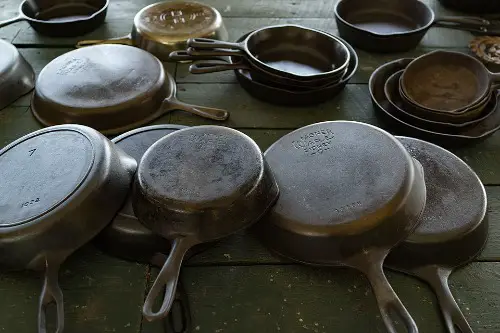
Cast iron skillets have been around for centuries, and there’s a reason they’re still beloved. Unlike modern nonstick pans that lose their coating over time, cast iron actually gets better with use, developing a natural nonstick surface called seasoning. They also retain heat better than aluminum or stainless steel, which makes them ideal for searing meat. A well-cared-for skillet can literally last generations, something you can’t say for most modern cookware.
Many modern pans claim to be “all-purpose,” but cast iron truly delivers on that promise. You can fry, bake, roast, or even use it over an open flame. It’s not unusual to find a cast iron pan at an antique store that still works just as well as the day it was made. That kind of longevity makes it not just practical, but also a meaningful heirloom.
9. Jelly Molds
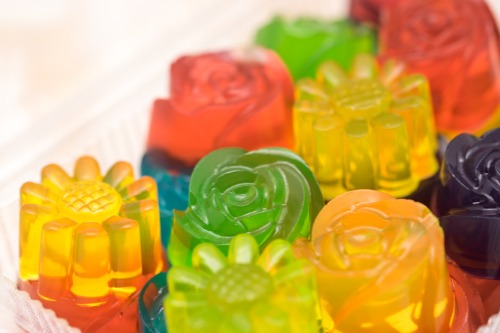
Jelly molds were a kitchen staple in the early 20th century, and they’re making a quiet comeback. Unlike modern silicone molds, vintage versions are made of metal, which helps gelatin set more evenly. The designs are often intricate, turning a simple dessert into a centerpiece. Silicone can sometimes sag or warp, but metal molds hold their shape perfectly.
They’re also multipurpose. You can use them for ice rings in punch bowls, molded salads, or even as decorative wall hangings when not in use. The craftsmanship of older molds gives them an artistic edge modern versions lack. Bringing one to a party guarantees a nostalgic conversation starter.
10. Apple Peelers and Corers
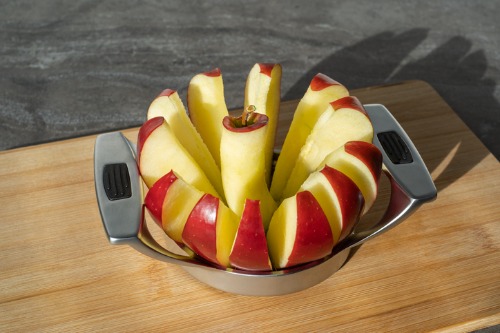
These crank-operated contraptions might look intimidating, but they’re brilliant at what they do. In seconds, they peel, core, and slice apples into perfect spirals. Modern electric peelers often jam or waste fruit, but the mechanical precision of vintage models is hard to beat. They’re especially handy for pies, cider-making, or dehydrating apples for snacks.
Built mostly of cast iron and steel, they’re far sturdier than plastic gadgets sold today. Many can clamp right onto a countertop, staying put during use. They also don’t need electricity, which makes them more versatile. If you process apples in bulk, nothing comes close.
11. Hand Sifters
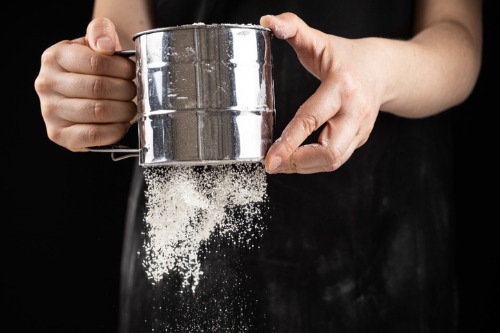
Old-fashioned hand-crank flour sifters are a baker’s secret weapon. They aerate flour better than simply whisking, which helps cakes and pastries rise evenly. Unlike electric gadgets that can be overkill, a manual sifter gives you just the right amount of control. You also avoid lumps in your batter, something modern shortcuts can’t always guarantee.
Vintage sifters are usually tin or stainless steel with sturdy mesh. The crank handle is simple and unlikely to break, unlike modern versions with plastic parts. They’re compact and easy to store, too. For light, fluffy baked goods, a classic sifter still earns its place.
12. Rolling Pins
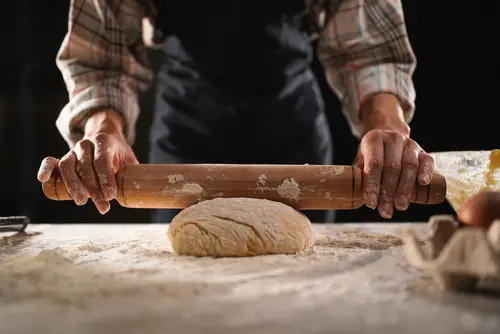
Wooden rolling pins have been around forever, and they’re not going anywhere. Unlike modern silicone or plastic versions, wood grips flour better, which means dough sticks less. The weight of a solid wood pin helps roll dough evenly without as much effort. Bakers often say that a well-seasoned rolling pin actually gets better over time.
Vintage pins are particularly appealing because of their craftsmanship. Some are made of maple or cherry wood, making them both functional and beautiful. They also don’t warp or crack as easily as cheap modern versions. If you bake often, you’ll quickly notice the difference.
13. Nutcrackers
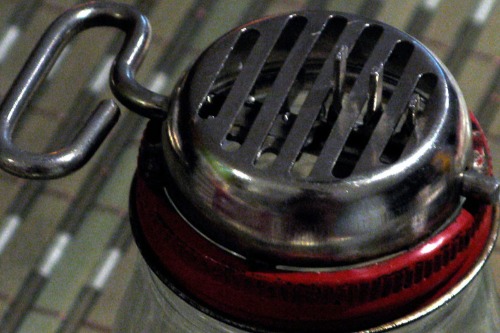
Before decorative nutcrackers became Christmas ornaments, heavy-duty versions were kitchen workhorses. Vintage nutcrackers, often made of cast iron or steel, can crack even the toughest shells without much effort. Modern ones tend to be flimsy or made for display, not function. A well-designed old nutcracker saves you from the frustration of half-broken nuts and sore fingers.
Many vintage models are also multipurpose, capable of opening shellfish or even bottle caps. Their durability means you can still find fully functional ones at thrift shops. Unlike gimmicky gadgets, they do one thing and do it well. Sometimes, simplicity really does win.
14. Mandoline Slicers
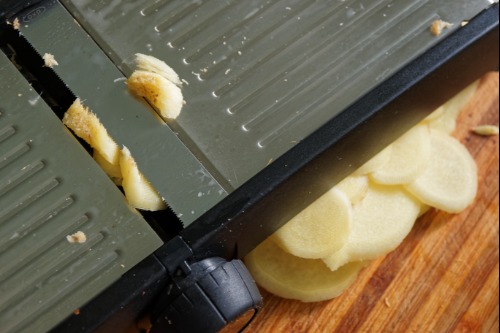
Mandolines from decades ago might look intimidating, but their sharp, simple design still works wonders. They slice vegetables with precision, something modern food processors often can’t match without mangling. A sharp mandoline can give you uniform cucumber slices, perfect gratins, or paper-thin potatoes. The control you get is hard to beat.
Vintage versions are built from heavy-duty steel or wood, not flimsy plastic. They don’t require electricity, and their blades are easy to sharpen. With care, they can last a lifetime, unlike modern versions that dull or crack. If you’re careful, they’re a chef’s dream tool.
15. Dough Bowls
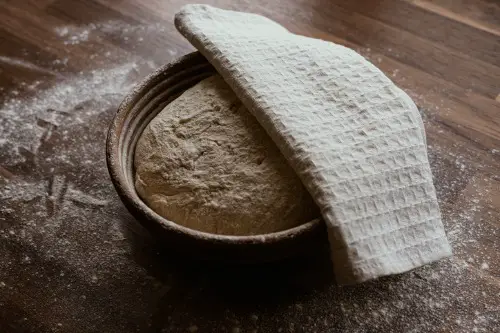
Large wooden dough bowls were once a household staple, and for good reason. Their wide, curved shape makes kneading easier than on a flat countertop. The wood also retains warmth, helping dough rise consistently. Plastic and metal bowls just don’t create the same environment.
These bowls are often hand-carved, making each one unique. Many families passed them down through generations, and they’re still perfectly usable. Beyond their function, they double as beautiful serving or decorative pieces. Owning one connects you to a long tradition of home baking.
This post 15 Vintage Kitchen Tools That Work Better Than Modern Versions was first published on Greenhouse Black.
