
1. Cluttered Surfaces
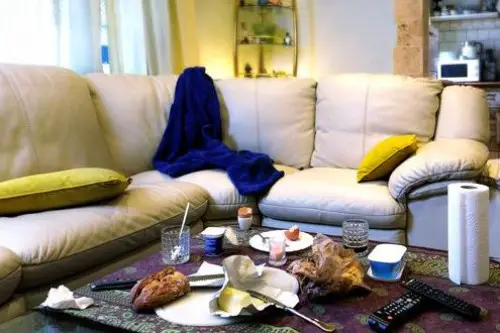
An open house is supposed to showcase space, not stuff. When countertops, tables, and shelves are crammed with personal items or knick-knacks, buyers feel like they’re intruding. They can’t visualize their own belongings fitting into the space when it’s already so crowded. Clutter shrinks a home instantly in the minds of potential buyers.
For serious buyers, space is one of the top priorities they evaluate. A cluttered home signals a lack of storage or poor maintenance. Neither impression is appealing, especially when buyers are comparing multiple homes. Clean, clear surfaces let them imagine their own lifestyle unfolding there.
2. Overpowering Scents

Walking into an open house that smells like a perfume counter or a bakery gone wrong can be jarring. Many sellers think masking odors with strong air fresheners, candles, or sprays will make the space more inviting. Instead, it often makes buyers suspicious that there’s something worse being hidden, like mildew or pet odors. Subtle cleanliness is far more effective than a heavy cloud of “linen breeze.”
Serious buyers want to get a true sense of how the home actually lives day-to-day. If the air is overwhelming, they can’t tell whether the home’s ventilation is good or if there’s a persistent smell underneath. That uncertainty alone can be enough to drive them out the door. A fresh, neutral atmosphere feels more honest and trustworthy.
3. Poor Lighting

Dimly lit rooms make a home feel smaller, older, and sometimes even a little depressing. Natural light is one of the most requested features among homebuyers, so when blinds are closed or bulbs are too weak, the space feels uninviting. Buyers don’t want to guess how bright a room could be. They want to see it in its best light—literally.
Bad lighting also raises practical concerns. If buyers have to squint during a showing, they may assume the electrical system isn’t up to date or that the house has been neglected. Even if that’s not true, the impression sticks. Bright, welcoming spaces encourage buyers to linger and explore longer.
4. Lingering Sellers

When homeowners hover during an open house, buyers instantly feel awkward. Instead of picturing themselves living there, they feel like guests intruding on someone else’s space. It’s hard to comment, ask questions, or even open a closet door with the seller watching. That discomfort often shortens the visit dramatically.
Serious buyers want freedom to imagine themselves in the home. Having the seller present can stifle that process and even make buyers nervous about voicing concerns. It may come across as defensive or desperate, which isn’t the right vibe for selling. A hands-off approach with a professional agent present is much more effective.
5. Pets Roaming Around

Even the friendliest dog or cat can derail an open house. Some buyers have allergies, others are afraid of animals, and many just don’t want to be distracted by a furry presence. Pet hair, smells, or litter boxes add to the problem, reminding buyers of extra cleaning tasks. It makes the home feel less move-in ready.
For buyers who want a clean slate, pets represent additional wear and tear. They may wonder about scratched floors, lingering odors, or even pest issues. Those questions push their focus away from the home’s strengths. A pet-free showing lets buyers concentrate fully on the property.
6. Overly Personal Décor
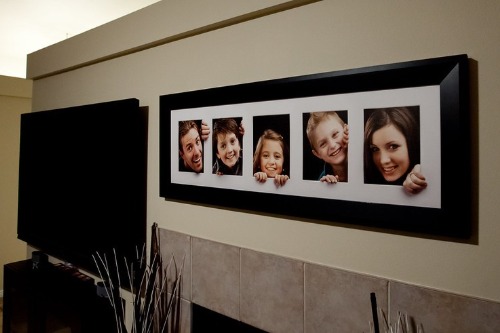
Walls full of family portraits or sports team memorabilia make a strong statement—but not necessarily the right one. Buyers want to envision themselves in the space, not be reminded of someone else’s life. When the décor is too personal, it’s harder to mentally “move in.” They may walk away simply because they can’t connect with the house emotionally.
Neutral, pared-back staging works much better for serious buyers. It highlights the bones of the home rather than the personality of the seller. Without personal distractions, buyers focus on things like layout, light, and flow. That shift helps them see the property’s true potential.
7. Dirty Bathrooms
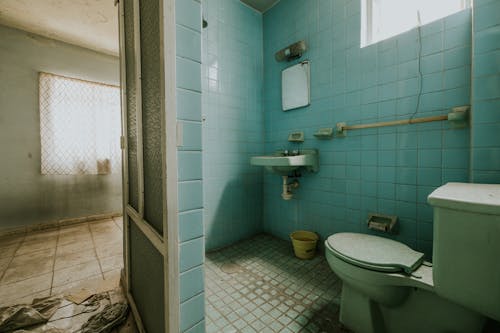
Few things turn buyers off faster than a grimy bathroom. Soap dirt on the shower door, a dirty toilet, or mildew in the grout instantly signals neglect. Cleanliness here isn’t just about looks—it’s about hygiene, which buyers care about deeply. A dirty bathroom makes people want to leave quickly, not linger.
Bathrooms are also high-value spaces in a home, and buyers scrutinize them closely. A sparkling bathroom reassures buyers that the home is well cared for. A dirty one, on the other hand, raises questions about what other maintenance has been overlooked. This is one area where spotless presentation pays off.
8. Outdated or Broken Fixtures
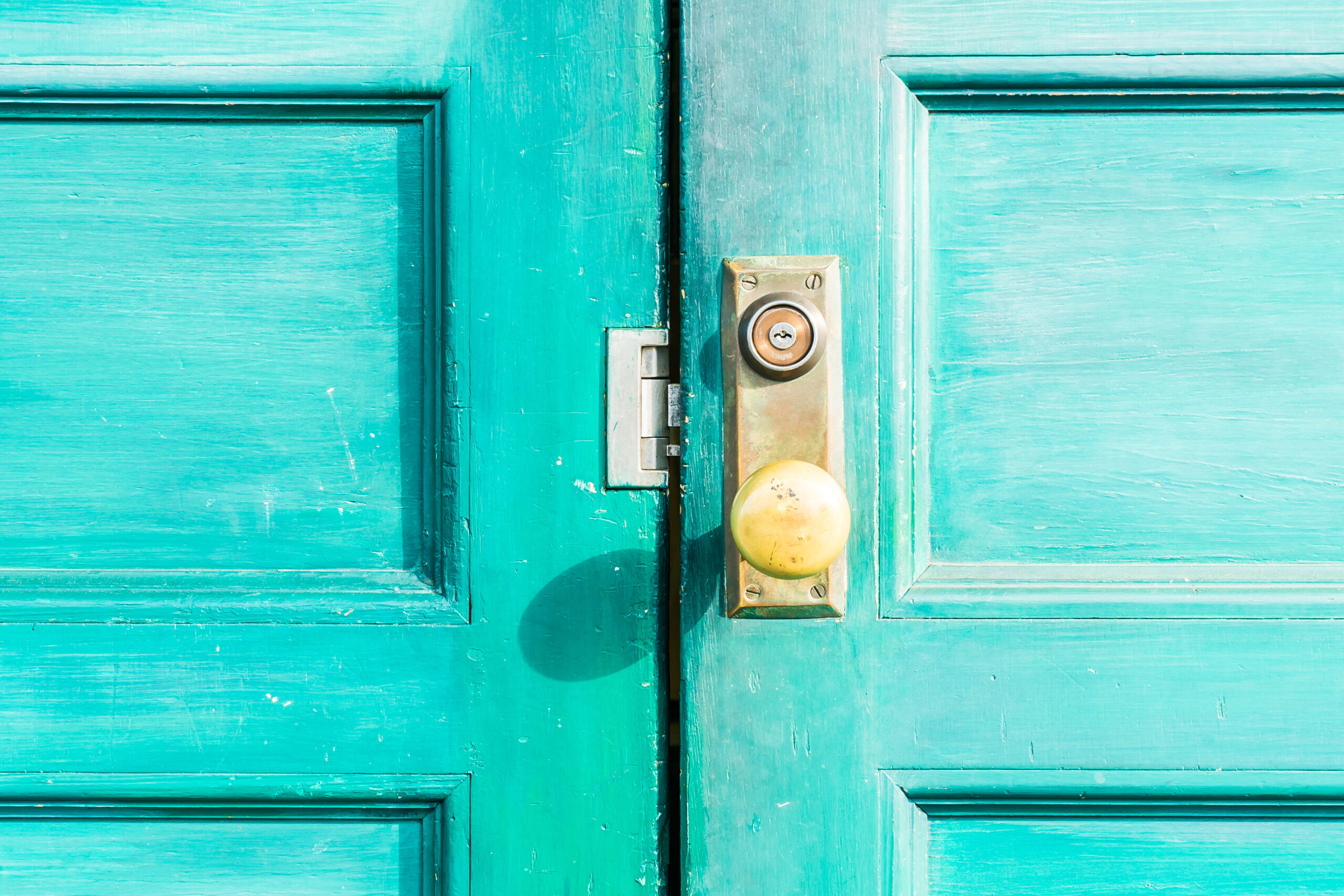
Loose doorknobs, squeaky hinges, and burnt-out bulbs may seem minor, but buyers notice. These little flaws add up to an impression of a home that hasn’t been maintained. For a serious buyer, it can feel like a warning sign of bigger hidden issues. They may start mentally adding up repair costs before they even leave the open house.
Even cosmetic updates matter here. Old faucets or dated light fixtures can make a home feel stuck in another era. Buyers who are looking for move-in ready homes don’t want a long list of projects. Small updates show pride of ownership and make buyers more comfortable.
9. Overcrowded Open House
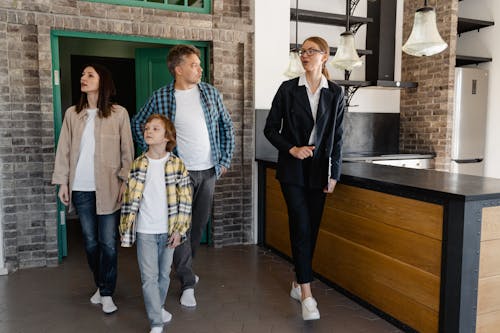
A packed open house can be overwhelming. Buyers feel rushed when they can’t move freely or pause to examine details. They may leave early simply because they’re tired of jostling through rooms. It also makes it harder for them to have private conversations with their agent.
Crowded spaces can give off the wrong impression too. Some buyers interpret it as artificial “hype” rather than genuine interest. Others simply don’t like competition. Serious buyers want the breathing room to take their time and make careful observations.
10. Neglected Exterior
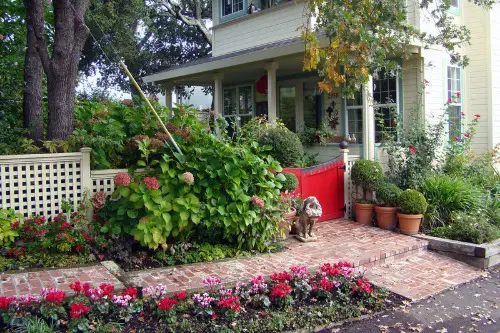
Curb appeal matters because it sets the tone before buyers even walk in. Overgrown lawns, peeling paint, or cluttered porches make buyers question what the inside will look like. If the outside feels unkempt, buyers assume the rest of the property might be neglected too. Some don’t even bother to step inside when the first impression is that poor.
For buyers ready to invest, the exterior signals overall maintenance habits. A tidy, inviting front yard suggests care and pride in ownership. A neglected one suggests added costs and extra effort down the line. The open house experience starts at the curb, not the living room.
11. Distracting Background Noise

Blasting music or a loud TV doesn’t set the mood—it just irritates buyers. Noise makes it hard to focus on the home itself, from room sizes to layout flow. Instead of having a calm walkthrough, buyers feel rushed or unsettled. That sense of distraction can push them out faster than you’d expect.
Sound also matters for practical reasons. Buyers want to evaluate the home’s natural acoustics and noise insulation. Artificial noise can make them wonder what’s being covered up—street traffic, barking dogs, or thin walls. Silence, or very soft ambient music, lets the property speak for itself.
12. Temperature Problems
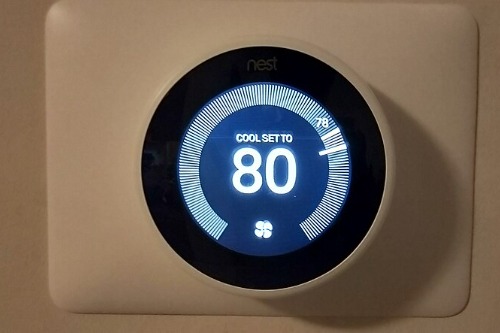
Walking into a home that’s too hot, too cold, or stuffy is uncomfortable. Buyers won’t stick around if they’re sweating or shivering. Temperature issues make them wonder whether the heating or cooling systems are working properly. Even if it’s just a thermostat oversight, the impression can be costly.
Comfort matters when buyers are evaluating a property. If they can’t imagine relaxing there during a simple walkthrough, they won’t picture living there long-term. A balanced, comfortable indoor climate helps buyers focus on the home itself. It’s a small detail that makes a huge difference.
13. Strong Sales Pressure
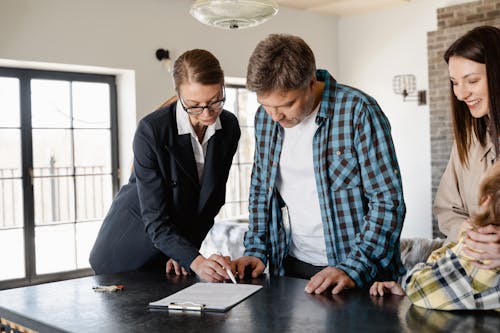
When buyers walk into an open house, they expect space to browse and think freely. If they’re met with a pushy agent rattling off scripted lines or hovering too closely, it kills the mood. Instead of focusing on the home, they’re thinking about how to escape the pitch. Serious buyers often associate high-pressure tactics with desperation, not confidence in the property.
Open houses should feel inviting, not like a sales floor. Buyers want honest answers to their questions, not rehearsed pressure to “act fast.” A calm, informative approach helps them picture the home as a good fit. Heavy-handed persuasion makes them distrustful and ready to leave.
14. Messy Closets
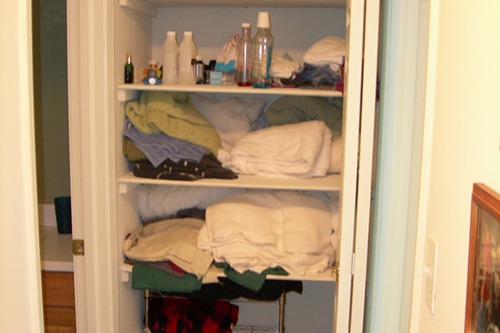
Storage space is a top priority for nearly every buyer. When closets are stuffed with overflowing clothes, boxes, or random clutter, it signals there’s not enough room. Buyers open those doors expecting to gauge functionality, but instead they’re greeted with chaos. That mess can overshadow the home’s true storage potential.
A neat, organized closet tells a completely different story. It shows buyers that the home has space to spare and has been thoughtfully maintained. Small touches like matching hangers or labeled bins can impress. A messy closet, on the other hand, makes them shut the door—both literally and figuratively.
15. Unfinished Repairs
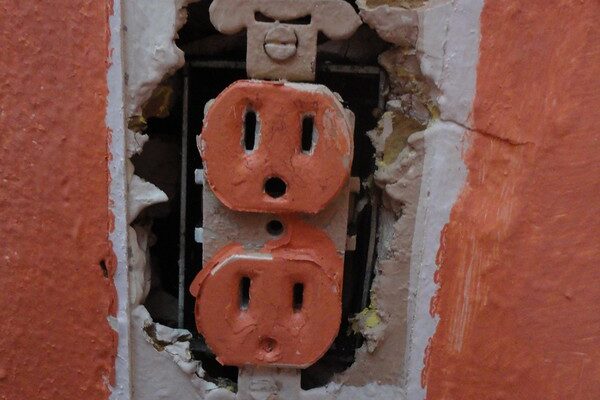
Seeing half-painted walls, patched drywall, or projects in mid-completion is unsettling. Buyers immediately think about the time, money, and energy required to finish the job. Even small unfinished repairs suggest the homeowner lost motivation or neglected upkeep. That impression lingers long after the showing ends.
Serious buyers are often looking for move-in ready homes, not DIY projects. They want to imagine unpacking, not sanding, painting, or fixing leaks. When open houses reveal a “work in progress,” buyers walk out faster. Completed repairs show pride and readiness; incomplete ones show excuses.
16. Overly Dark Paint Colors
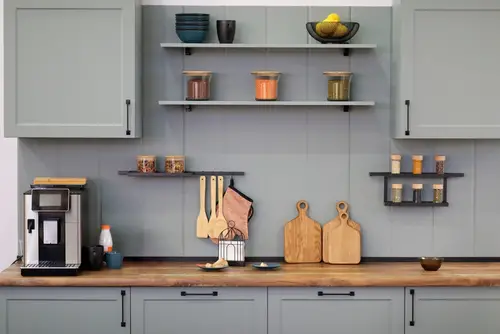
Dark paint may be trendy for some, but it doesn’t always translate well in an open house. Deep hues can make rooms feel smaller, colder, or even claustrophobic. Buyers often prefer a blank canvas, and heavy paint colors feel more like a statement than a backdrop. That intensity can cause them to move on quickly.
Light, neutral tones give homes a more spacious and welcoming vibe. They also let buyers mentally layer their own style onto the walls. When every room feels like a cave, buyers struggle to see beyond it. A bright, fresh palette keeps them engaged and imagining possibilities.
17. Poor Flow Between Rooms
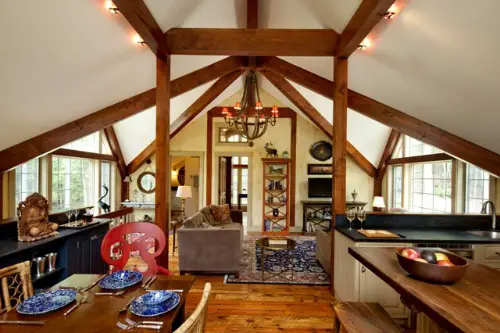
A home may have plenty of space, but if the layout feels awkward, buyers notice. Narrow hallways, blocked walkways, or oddly arranged furniture interrupt the flow. At an open house, buyers want to move smoothly from one room to the next. If they constantly bump into obstacles, frustration builds.
Flow matters because it influences daily living. Buyers picture family gatherings, hosting guests, and day-to-day movement. When the home feels like a maze, they can’t see it functioning for real life. Poor flow makes them cut their tour short.
18. Distracting Staging Props

Over-the-top staging can be just as bad as no staging at all. Fake fruit, exaggerated theme décor, or awkwardly placed furniture pulls attention away from the home itself. Buyers should notice the house, not a bowl of plastic lemons. When props feel unnatural, the experience feels staged rather than genuine.
The best staging is subtle, neutral, and functional. It guides the eye to a home’s strengths without stealing the spotlight. Too many gimmicks make buyers suspicious or amused instead of impressed. If they’re laughing at the décor, they’re not considering an offer.
19. Visible Maintenance Issues
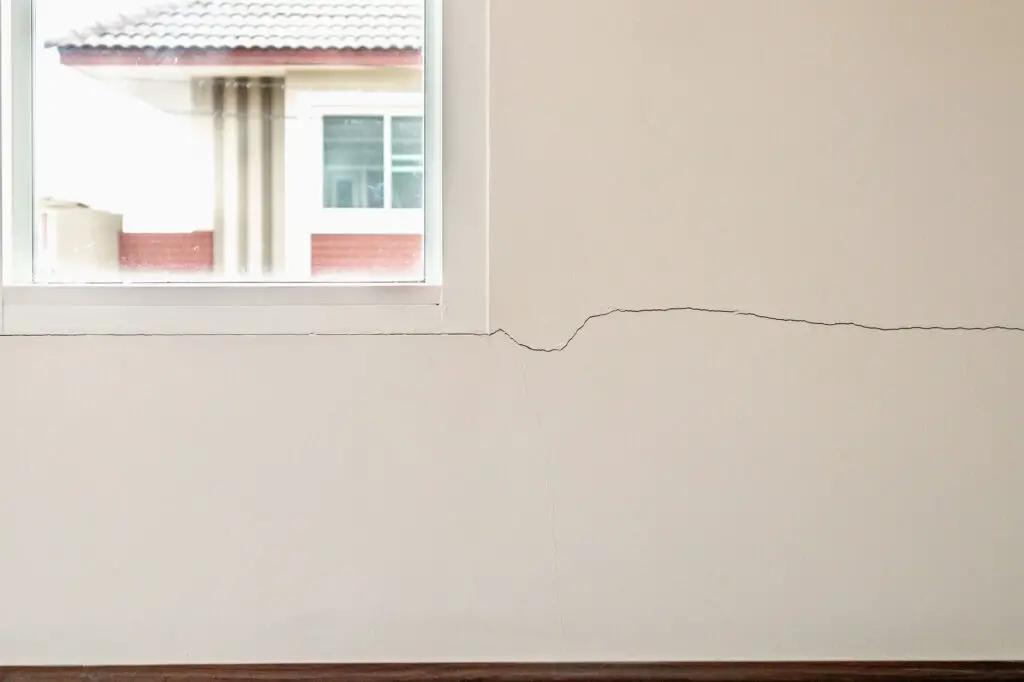
Leaky faucets, stained ceilings, or cracked tiles speak volumes. Even if they’re minor, they suggest deeper issues that might be lurking. Buyers quickly wonder if the roof leaks, if plumbing is outdated, or if hidden repairs will be expensive. It makes them lose confidence in the home’s condition.
A spotless open house should never broadcast red flags. Addressing visible maintenance issues shows responsibility and reassures buyers. Leaving them out in the open feels careless and careless doesn’t sell. Buyers won’t gamble on a property that already looks problematic.
20. Overhearing Negative Comments
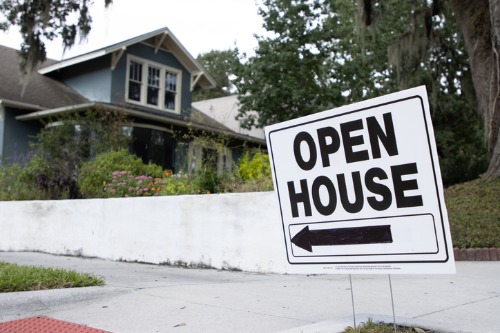
Open houses often bring multiple groups of buyers at once. If serious buyers overhear others criticizing the layout, smell, or design, it plants doubt. Even if they liked the home initially, negative chatter can stick in their minds. That kind of group influence can push them to walk away faster.
Buyers want to feel confident and validated in their interest. Hearing doubts out loud makes them second-guess their own impressions. It also adds pressure, making the environment less enjoyable. A quiet, well-managed open house keeps the focus on the property, not side conversations.
This post 20 Open House Tactics That Make Serious Buyers Walk Out Fast was first published on Greenhouse Black.
