
1. Booking Flights Through Shady Third-Party Sites

It can be tempting to snag a flight from a random website promising “secret deals,” but often these platforms sell non-refundable tickets or fail to update seat availability. You might think you’re saving $50, only to find your flight canceled or your booking lost. Airlines may refuse to honor these tickets, leaving you stuck paying double. The convenience of “cheap” prices can evaporate fast.
Even if the site is legitimate, customer service is often nonexistent, meaning any issue can turn into a costly nightmare. You may have to book another ticket last minute, which is always pricier. Plus, your travel insurance might not cover flights booked through unofficial channels. In the end, a slightly higher fare directly from the airline can save you hundreds.
2. Skipping Travel Insurance

Skipping insurance sounds frugal until you’re faced with a medical emergency abroad. Even minor accidents, like a broken ankle on a hiking trail, can result in thousands of dollars in bills. Travel insurance often covers medical care, trip cancellations, and lost baggage. Without it, a “cheap” trip can become a financial disaster.
Some travelers assume their regular health insurance or credit card coverage will suffice, but many plans have exclusions abroad. You could end up paying out of pocket for hospital stays or emergency flights home. Even small claims, like delayed luggage, can add up quickly. Travel insurance is like a safety net you hope not to use—but you’ll be glad it’s there.
3. Staying in “Budget” Hostels in Unsafe Areas

A $15-a-night hostel may seem like a steal, but location matters more than price. Staying in a sketchy neighborhood can expose you to theft or scams. You may end up replacing stolen electronics or paying for emergency transport late at night. Safety is not an area to cut corners.
Even if nothing happens, some budget hostels have hidden fees for towels, lockers, or Wi-Fi. Add these up, and your cheap stay is suddenly costing more than a well-reviewed hotel. Plus, poor sleep quality in noisy, unsafe areas can ruin your entire trip. Sometimes spending a bit more guarantees both peace of mind and comfort.
4. Ignoring Luggage Restrictions

Booking “ultra-light” airlines or ignoring baggage rules may save $30 upfront but result in hefty fees at the airport. Airlines are notorious for charging $50–$200 for overweight or oversized bags. The surprise cost can easily negate any initial savings.
Some travelers try sneaky tactics like stuffing extra clothes into a carry-on, but security often catches it. The result? More fines or forced repacking, plus stress. Checking the airline’s baggage policies ahead of time is far cheaper. A little planning prevents paying a small “savings” in a very big way.
5. Using the Cheapest Transportation Everywhere

Avoiding taxis, rideshares, or car rentals for every leg of your trip can backfire. Local buses or shared shuttles may save a few dollars but take significantly longer. Time is money—especially if you miss tours or flights due to slow transport.
Cheap transport can also be unsafe, especially late at night or in unfamiliar cities. Delays might force you to pay for a last-minute ride anyway. Sometimes investing in reliable transit saves both time and unexpected costs. Comfort and efficiency matter more than a few dollars.
6. Overpacking to Avoid Buying Things Abroad

Packing everything to “save” on purchases at your destination seems smart, but excess luggage often triggers extra fees. Airlines charge for overweight bags, and hauling them around is exhausting. You may spend more on taxis and porters than you would on a few local essentials.
Plus, some items like toiletries or electronics are cheaper or higher quality abroad. Overpacking can also limit flexibility—you might avoid spontaneous purchases that enhance your trip. Traveling light often saves both money and stress. It’s a lesson in buying smart rather than hoarding.
7. Using Free Accommodation Networks Without Vetting

Platforms offering free stays in locals’ homes sound amazing until you consider the risks. Hosts may misrepresent safety, hygiene, or accessibility. A free stay can turn costly if you face illness, theft, or property damage claims.
Even highly-rated networks have occasional bad actors, and reviews can be outdated. Travelers sometimes pay for extra security measures or backup hotels. “Free” isn’t always free—sometimes peace of mind comes at a small cost worth paying.
8. Eating Only Street Food
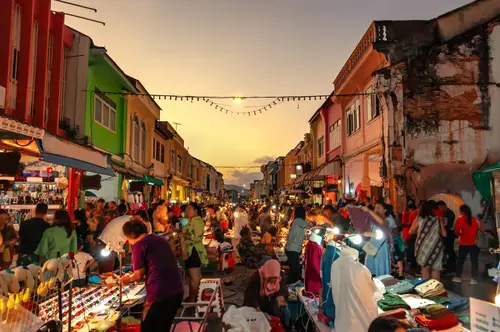
Street food can be delicious and cheap, but relying on it exclusively may lead to costly medical problems. Foodborne illness is a common issue for travelers, especially in countries with different hygiene standards. A single bout of food poisoning can result in missed tours, hospital visits, or medication expenses.
Restaurants may seem pricier but often follow stricter safety standards. Paying a little more ensures you don’t spend your vacation sick or in a local clinic. Balancing street snacks with safe dining options is a far smarter “cheap travel hack.”
9. Ignoring Currency Exchange Fees
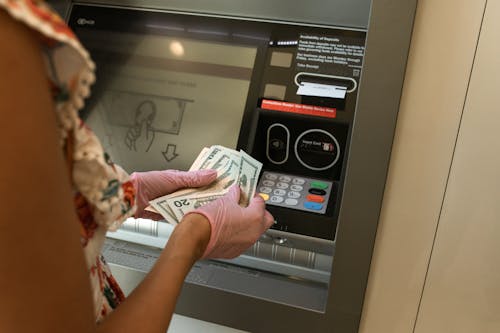
Using your credit card or exchanging money at the airport without checking rates can silently drain your budget. Banks and ATMs may impose hidden fees or unfavorable exchange rates. A “cheap” withdrawal abroad can cost far more than planned.
Some travelers convert money at the last minute to avoid carrying cash, but that often results in poor rates. Using local, well-rated exchange services or a low-fee travel card saves both money and stress. Small planning now prevents unexpectedly large losses later.
10. DIY Travel Packages Without Research

Booking flights, hotels, and activities separately to save a few bucks can backfire if you don’t compare packages. Bundled deals sometimes include perks or discounts not available individually. Missing these can lead to overpaying or scheduling conflicts.
A cheap DIY itinerary may also result in wasted time or skipped attractions due to poor timing. Some travelers end up paying for rushed transport or last-minute tickets. Investing a little time in planning or using reputable packages often saves far more than it costs.
11. Cutting Corners on Health Precautions
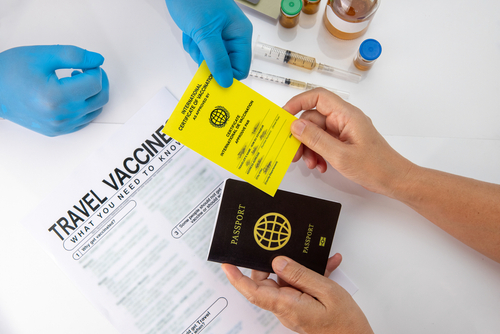
Skipping vaccines or preventive medication to save money may seem harmless, but illness abroad can be extremely costly. Treatment for malaria, dengue, or other local diseases can run into hundreds or thousands of dollars. Prevention is almost always cheaper than cure.
Even minor ailments can disrupt your trip and lead to extra lodging or transport costs. Travel clinics exist for a reason—investing in vaccines and medications is a small expense for big peace of mind. Health should never be an area where “cheap” is really worth it.
12. Relying Only on Free Activities

Focusing exclusively on free attractions might sound budget-friendly, but you could miss unique experiences worth the cost. Tickets for cultural sites, tours, or local performances often enhance your trip significantly. Skipping them might save money but limit your overall experience.
Sometimes, waiting in long lines for free entry or traveling farther distances increases costs indirectly. Paying for curated activities can save both time and energy. A mix of free and paid experiences usually gives the best value.
13. Using Public Wi-Fi for Everything
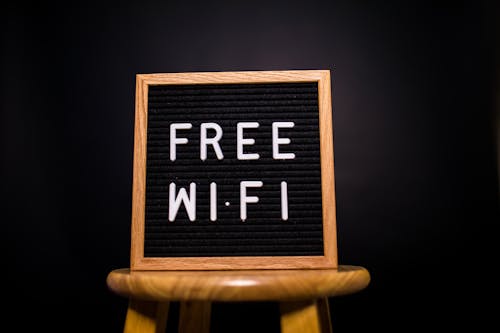
Public Wi-Fi seems free, but it can expose you to cybercrime. Hacking, phishing, or data theft could lead to stolen funds or compromised accounts. A cheap, open connection can cost thousands if your bank or travel accounts are accessed.
Many travelers underestimate the risk of connecting without a VPN. Identity theft recovery and fraud resolution are expensive and time-consuming. Spending a few dollars on secure internet or a hotspot is a small price for digital safety.
14. Skipping Tip or Gratuity Norms

Trying to save by skipping tips abroad can cause issues beyond social faux pas. In some countries, tipping is expected and refusing can result in poor service or even fines. Over time, the “savings” can turn into higher costs for rushed service or tips included later.
Travelers unfamiliar with local customs may also get charged extra by vendors who expect tipping compliance. A little research and small, customary tips prevent bigger misunderstandings. Respecting local norms is inexpensive insurance against hidden costs.
15. Ignoring Seasonal Travel Deals

Some people try to travel only in off-peak seasons without considering local events or closures. You might save on flights, but incur higher costs for hotels with limited availability or emergency transport. A cheap date can turn expensive if you need alternatives last minute.
Certain attractions, festivals, or seasonal conveniences may only operate at peak times. Skipping these can reduce the value of your trip and force extra spending to experience highlights. Balancing price with practicality ensures a truly cost-effective trip.
This post 15 “Cheap Travel Hacks” That End Up Costing Thousands was first published on Greenhouse Black.
