
1. Ignoring Weather Prep
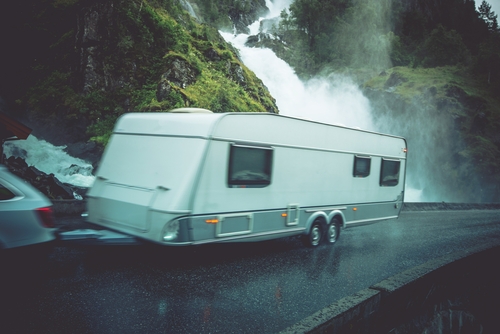
New campers sometimes assume the forecast will hold, and they leave rain gear or extra layers at home. The problem is, weather in the outdoors can shift quickly. Being caught in the rain without a tarp or warm clothes makes for a miserable trip. Not planning for the unexpected screams inexperience.
Experienced campers know to prepare for changes, even if the weekend looks sunny. They bring tarps, packable jackets, and sleeping bags rated for the temperature. A little redundancy can save you from a rough night. Weather preparedness is one of the biggest signs of a camper who knows the ropes.
2. Leaving Food Out Overnight
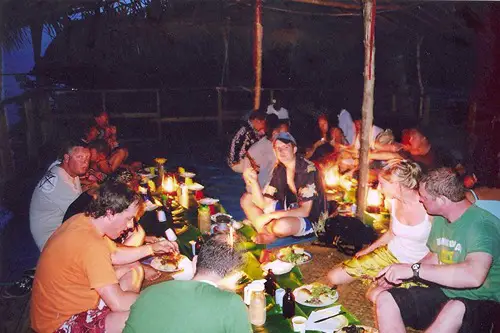
One of the fastest ways to look like a rookie is leaving food unattended on the picnic table. Animals like raccoons, skunks, and even bears have a strong sense of smell, and they’ll happily raid your site. Not only can this lead to a big mess, but it also creates dangerous situations for both you and the wildlife. Proper food storage, like using coolers with locks or bear-proof containers, shows you know what you’re doing.
Even snacks like chips or candy bars can attract unwanted critters. Experienced campers know to stash everything in sealed containers or hang it if the area requires. Leaving food out not only risks your trip but also conditions animals to associate campsites with meals. That’s something seasoned campers try hard to avoid.
3. Ignoring Campground Quiet Hours
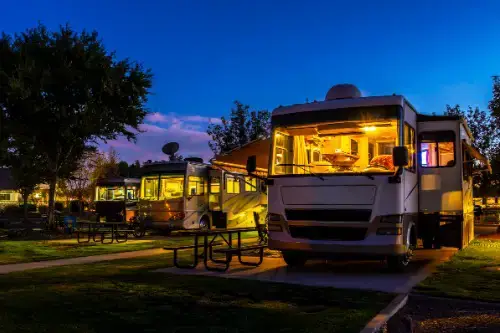
Every campground sets quiet hours, and blowing past them will get you pegged as the loud newbie. These rules are there so people can rest after a day outdoors, and ignoring them is a surefire way to make enemies. Music, laughter, or even a generator humming too late at night can carry far in the woods. Knowing when to keep it down is part of the unspoken camping code.
If you’ve ever tried to sleep in a tent while someone blasts music nearby, you’ll understand why this matters. Respecting quiet hours shows consideration for everyone sharing the space. It doesn’t mean you can’t enjoy a fire or chat, but keep your volume in check. Long-timers know it’s better to be remembered for a cozy fire than for being the “loud site.”
4. Using Bright Lights All Night
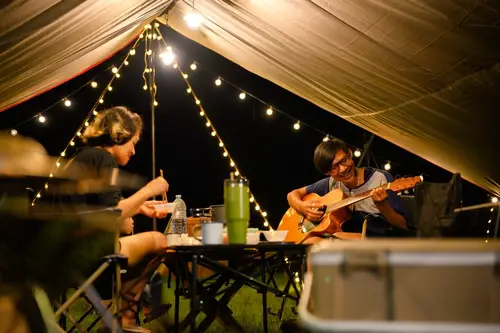
Flooding your site with lanterns or string lights all night might seem cheerful, but it ruins the atmosphere. Campgrounds are often chosen for their dark skies, perfect for stargazing or enjoying the natural quiet. Blasting lights can also shine into neighboring tents, keeping others awake. A dim campfire or small lantern is usually all you need after dusk.
Experienced campers know to preserve night vision with red or low-light settings. This not only makes stargazing better but also helps you navigate without blinding yourself or others. Leaving big floodlights on makes you stick out as someone who hasn’t figured out how to blend into the outdoors. A little darkness is part of the magic of camping.
5. Forgetting Fire Safety Basics
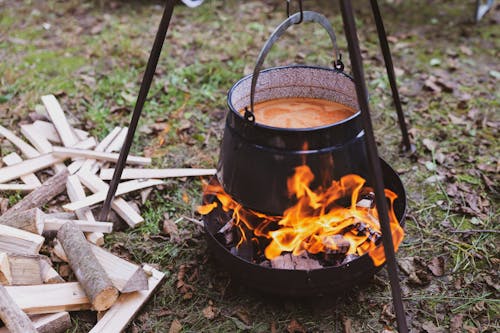
A fire that’s too big or left unattended is a rookie mistake with real consequences. Campgrounds set clear fire rules for a reason: wildfires can start with a single spark. Tossing in trash or leaving a blaze smoldering overnight isn’t just frowned upon, it’s unsafe. Campers who know better always keep fires small and manageable.
Bringing a bucket of water or shovel nearby is one of those small details that makes you look seasoned. Fires should be dead out—cold to the touch—before you leave or go to bed. Skipping this step puts the whole campground at risk. Safety and respect go hand in hand at the fire ring.
6. Not Knowing How to Pitch Your Tent
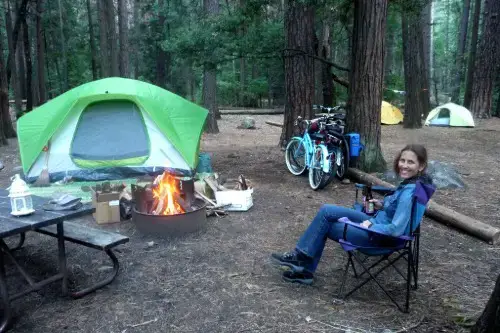
Trying to figure out a brand-new tent for the first time at the campsite is a classic rookie move. It usually involves trial and error, confusion, and sometimes poles snapping in frustration. A poorly set tent might collapse, leak, or catch the wind like a sail. Practicing at home means you’ll be ready when it counts.
Veterans always double-check they have all the stakes, poles, and rainfly before leaving. A tent that’s staked down properly not only keeps you comfortable but also protects your gear from weather. Campers who skip this prep step stand out immediately when their site looks like chaos. A solid setup says you came prepared.
7. Leaving Trash Behind
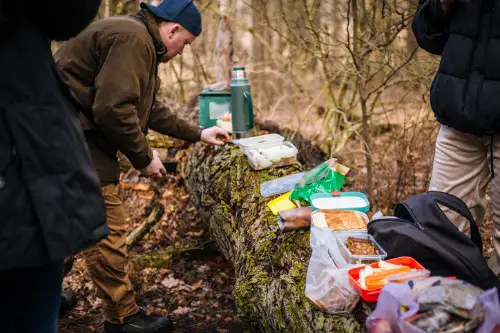
Few things annoy campers more than finding someone else’s trash at a site. Littering isn’t just unsightly, it also harms wildlife and can attract pests. Most campgrounds have a pack-in, pack-out policy for this reason. Leaving garbage behind marks you as careless and inexperienced.
Experienced campers know that cleaning up is part of the deal. They bring extra bags and double-check the area before heading out. Even food scraps should be packed away instead of tossed in the fire, unless rules specifically allow burning. A tidy campsite leaves no trace, which is the gold standard outdoors.
8. Overpacking or Underpacking
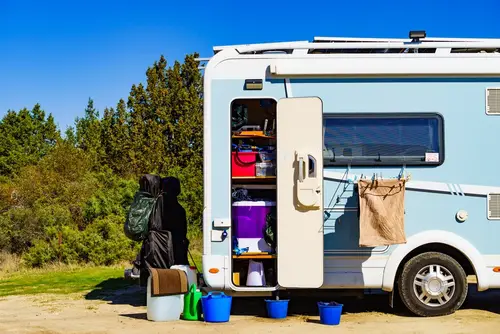
New campers often bring either way too much or way too little. Overpacking makes setup a chore and leaves you rummaging through clutter. Underpacking, on the other hand, can mean missing essentials like warm layers or a first-aid kit. Both extremes show a lack of planning.
The sweet spot is knowing what you’ll actually use. Seasoned campers pack versatile clothing, lightweight cooking gear, and reliable shelter. They also keep emergency items handy without overloading. Efficiency is the hallmark of someone who’s done this before.
9. Misusing the Bathroom Setup

Walking straight into the woods when a bathroom or pit toilet is nearby is a rookie error. Most campgrounds provide facilities for a reason: to keep the area clean and sanitary. Going wherever you please can pollute water sources and create a mess for others. It’s also usually against the rules.
If there aren’t facilities, the expectation is to follow Leave No Trace principles. That means digging a proper hole at least 6–8 inches deep and far from water. Carrying toilet paper out instead of leaving it behind is also a sign of respect. Knowing these basics separates the experienced from the unprepared.
10. Leaving Food Scraps in the Fire Pit
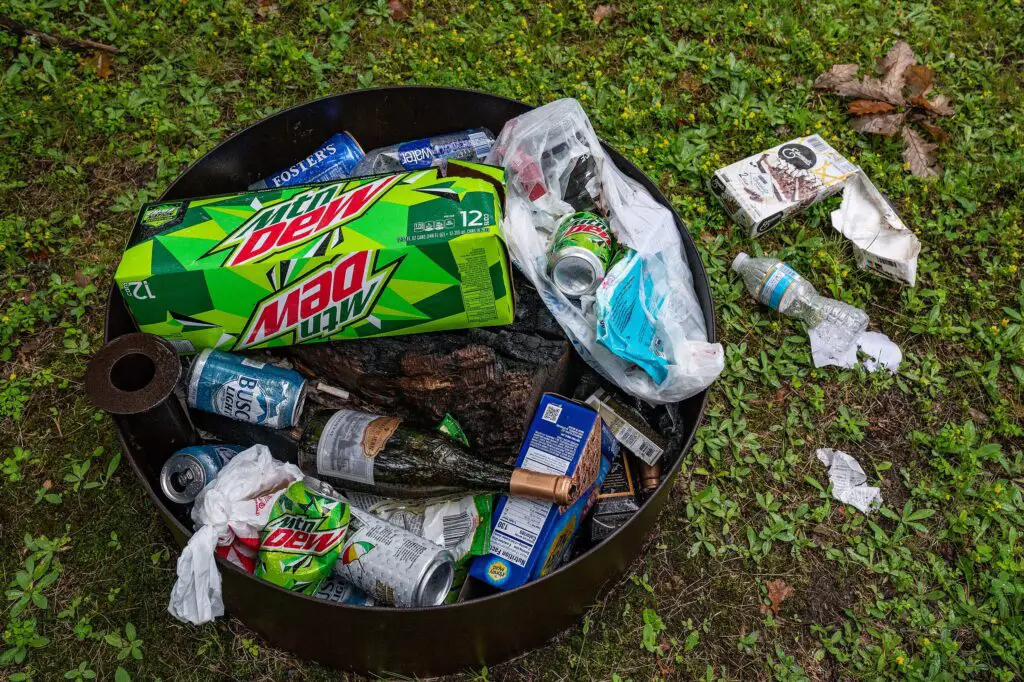
Tossing leftovers or trash in the fire pit might seem like an easy cleanup. The problem is, many food scraps don’t fully burn and end up rotting. This attracts animals and leaves the pit gross for the next group. Trash also releases harmful fumes when burned.
Campgrounds usually expect you to pack food waste out, not leave it smoldering. Experienced campers know better than to treat the fire ring like a trash can. Keeping fires clean keeps campsites pleasant and safe. It’s one of those little details that marks the difference between rookie and veteran.
11. Cutting Live Trees for Firewood
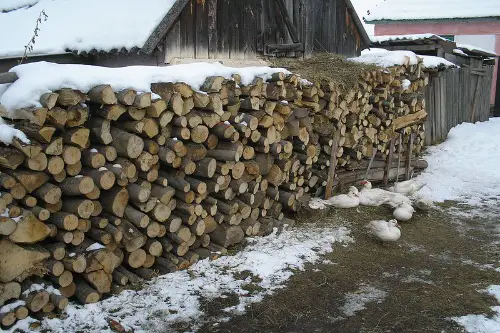
Grabbing an axe and chopping down live branches is a mistake that stands out immediately. Fresh wood doesn’t burn well, and it damages the environment. Many campgrounds even prohibit gathering firewood on-site to protect the ecosystem. Buying or bringing local firewood is the smarter move.
Veterans understand that dead, downed wood burns better and doesn’t harm the forest. Cutting live trees or stripping bark makes it obvious you’re new and uninformed. It also contributes to long-term damage in popular areas. Respect for the surroundings is a core part of camping etiquette.
12. Arriving After Dark
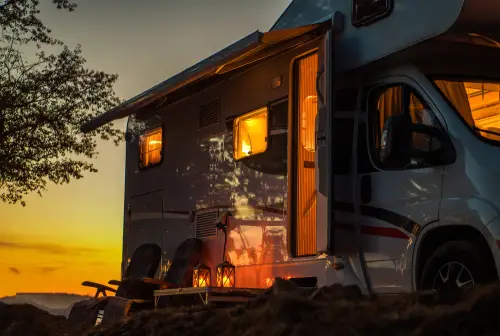
Pulling into a campground at night seems harmless until you’re fumbling with tent poles under a flashlight. It’s disorienting, noisy, and often frustrating for you and anyone trying to sleep nearby. You’re more likely to set up incorrectly, which could mean waking up in an uncomfortable or even unsafe spot. Veterans always plan to arrive with daylight left for setup.
Daylight makes it much easier to pick a level spot, avoid hazards like roots, and see where the bathrooms or water source are. It also gives you time to familiarize yourself with campground rules or trails before nightfall. Rolling in late makes you look unprepared, which is exactly what experienced campers notice. Plus, your neighbors won’t appreciate your headlamp sweeping across their tents at midnight.
This post 12 Campground Missteps That Get You Labeled a Rookie was first published on Greenhouse Black.
