
1. Filling Tire Leaks with Fix-a-Flat

When you’re on the side of the road with a flat, Fix-a-Flat feels like magic in a can. It can inflate and seal enough to limp to the nearest gas station. The problem is, that foam sticks inside the tire, making it difficult for mechanics to patch it properly. Over time, it can even corrode your tire pressure monitoring sensors.
A better move is to carry a real tire plug kit or a portable compressor. Fix-a-Flat should only be used if you’re stranded with no other options. Otherwise, you risk ruining a tire that might have been repairable. In the long run, that’s more costly than a basic tire repair kit.
2. Using Duct Tape on Leaky Roofs
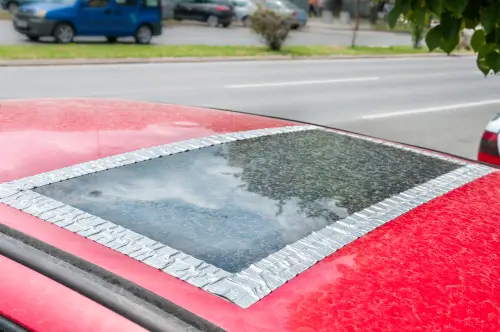
Duct tape feels like the ultimate quick fix, especially when rain is dripping through your RV roof. It can stop the immediate water intrusion, which is why so many people reach for it in a pinch. But duct tape isn’t designed to hold up against UV rays or constant moisture. After a few days, it breaks down, leaving sticky residue and often making the leak worse.
A proper roof repair needs RV-specific sealant or a patch kit that bonds to your roofing material. If you keep relying on duct tape, water can seep underneath and rot the roof decking. That means expensive structural repairs instead of a simple reseal. The bottom line: duct tape is for a quick road trip patch, not a long-term roof solution.
3. Using Household Caulk Instead of RV Sealant
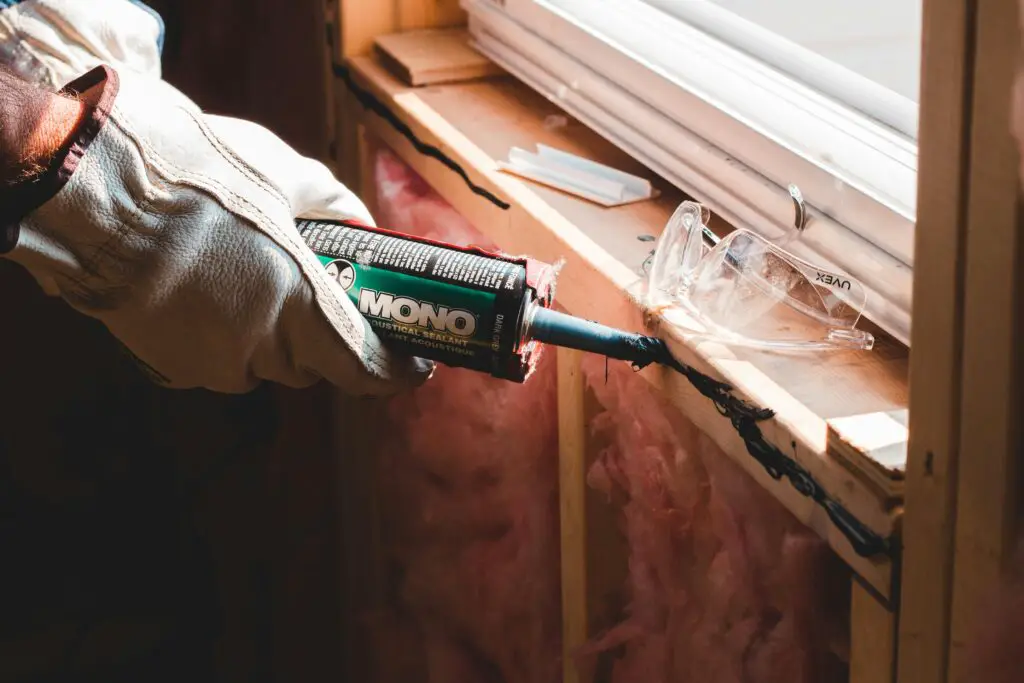
Caulk from your local hardware store may look similar to RV sealant, but it’s not the same. Many homeowners use silicone caulk on windows or showers and assume it will work on RV seams. The problem is, RVs flex and move while driving, and household caulk cracks under that stress. Once it breaks, water sneaks in and creates hidden leaks.
RV sealants like Dicor or Sikaflex are designed to stay flexible. They expand and contract with your RV as it bounces down the highway. Using the wrong caulk means you’ll be redoing the job sooner—and possibly paying for water damage repairs. Spending a few extra dollars upfront saves big later.
4. Patching Plumbing with Electrical Tape
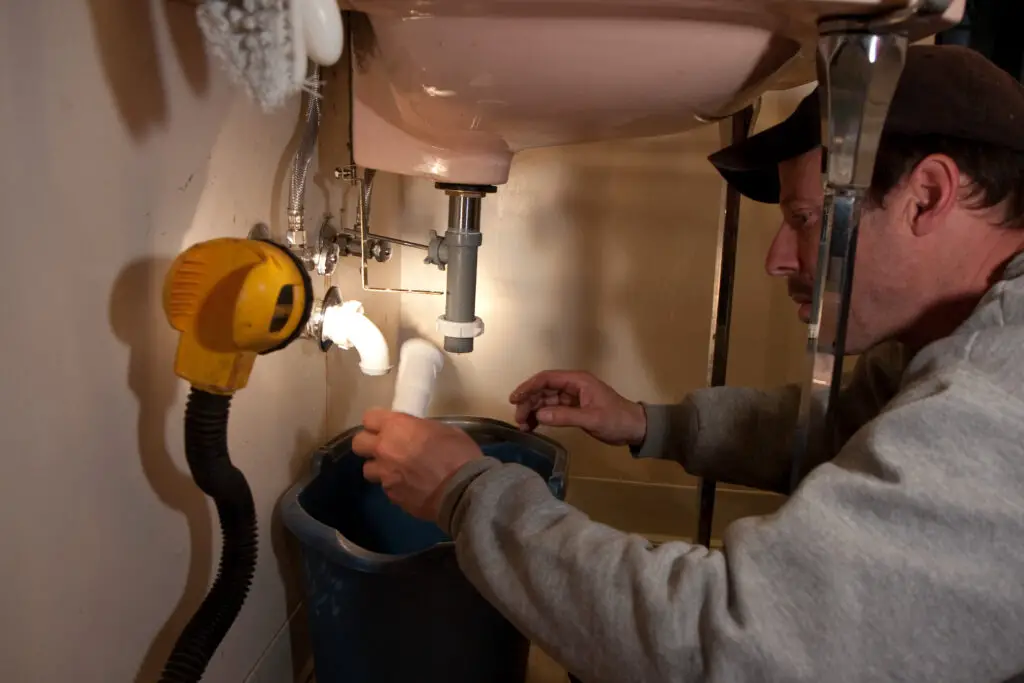
A dripping water line in your RV can look harmless, and wrapping it with electrical tape feels quick and easy. It does hold for a little while, but it isn’t waterproof or pressure-rated. Eventually, the tape loosens and allows water to leak again, often in hidden areas. That steady drip can soak wood and insulation before you notice.
Instead, RV plumbing needs proper fittings or PEX clamps to hold up under pressure. Carrying a few spare couplers and a crimp tool is far more reliable. Electrical tape belongs on wires, not water lines. Skipping the right repair means you’ll face mold and rot down the road.
5. Running Extension Cords Instead of Fixing Outlets

If an outlet in your RV stops working, it’s tempting to just run an extension cord across the floor. It solves the problem quickly, and you still get power where you need it. The issue is, RV wiring is complex, and a dead outlet often points to bigger electrical problems. Ignoring it with a cord workaround can create fire hazards.
Extension cords are also tripping hazards and aren’t meant to carry heavy loads long-term. They can overheat if used improperly, especially with space heaters or appliances. Fixing the faulty outlet ensures your RV wiring stays safe and up to code. It’s not just about convenience—it’s about preventing an electrical disaster.
6. Sealing Propane Leaks with Epoxy or Tape
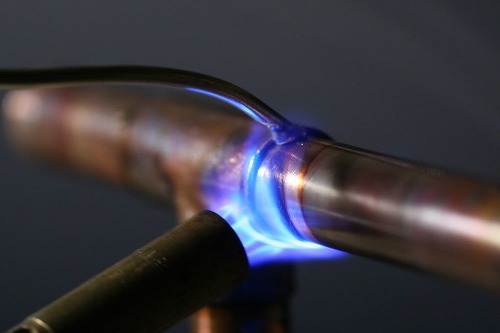
If you smell propane, you might panic and try to seal a leak with tape or epoxy. On the surface, it might look like you’ve stopped the problem. But propane is highly flammable, and these materials aren’t designed to withstand gas pressure. They can fail suddenly, putting you at risk of fire or explosion.
The only safe fix is replacing the faulty hose, fitting, or regulator. Carrying spare propane parts is smart if you travel often. Never patch propane leaks—it’s one area where shortcuts are flat-out dangerous. Safety has to outweigh convenience every time.
7. Using Automotive Oil in the Generator
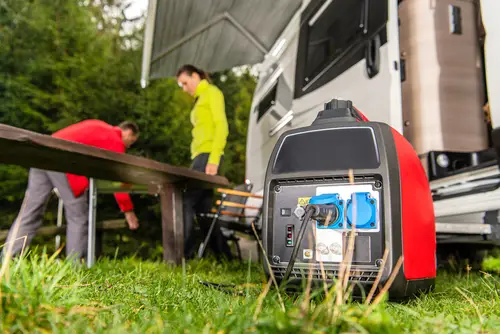
Generators are the lifeline of many RVs, powering air conditioners and appliances when hookups aren’t available. If you’re low on oil, grabbing whatever is in your car trunk may seem harmless. But many generators require specific oil weights and additives for cooling and longevity. Using the wrong oil can lead to overheating and premature wear.
Over time, this shortcut can ruin your generator, which is far more expensive than a jug of the correct oil. Always check the manual for recommended oil types. Keeping a spare quart in your RV is easy insurance. Your generator will thank you with a longer, more reliable life.
8. Propping Up Broken Steps with Wood Blocks

When RV steps break, many owners wedge wood blocks underneath to keep them stable. It feels sturdy in the moment, and you can still get in and out of the rig. But wood shifts and deteriorates with weather and weight. One bad step and you could find yourself falling hard.
RV steps are designed with specific supports and hinge points for safety. If yours break, replacement parts are available and relatively affordable. Propping them with blocks is a ticking time bomb for injury. Secure steps aren’t optional—they’re essential for safe camping.
9. Using Rope or Bungees to Hold Up Slide-Outs
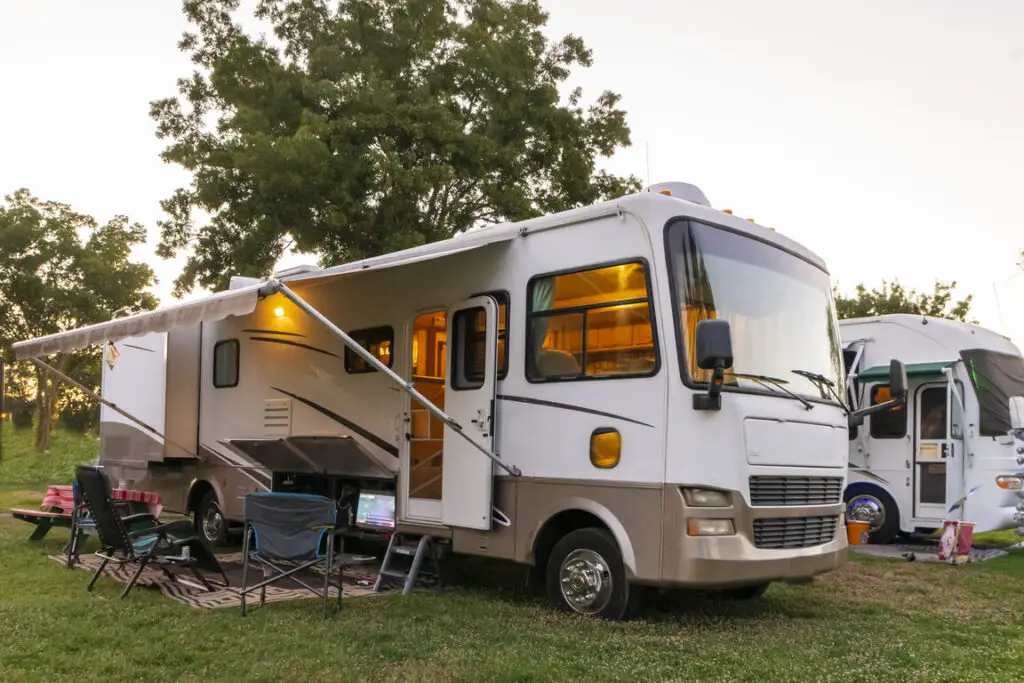
If a slide-out mechanism struggles, strapping it with rope or bungee cords can feel like a clever hack. It may stop the slide from sagging temporarily, but it doesn’t address the mechanical issue. Slide-outs weigh hundreds of pounds and rely on motors, gears, or hydraulics to stay aligned. Makeshift supports often cause more stress on the system.
Over time, that stress can bend tracks or strip gears, leading to thousands in repairs. Proper slide-out maintenance is the only safe option. If yours starts sticking, it’s better to stop using it until repaired. Trusting rope with that much weight is a recipe for failure.
10. Patching Awning Tears with Regular Tape

When wind rips your RV awning, the first instinct is often to slap tape across the hole. While it may keep the fabric from flapping for a bit, regular tape quickly peels under sun and rain. Once it loosens, the tear spreads even faster. That small hole soon becomes a shredded awning.
Specialized RV awning repair tape or patches are made to resist UV rays and weather. They keep the tear from spreading until a permanent fix is possible. Regular tape just speeds up the damage. Without the right materials, you’ll end up needing a full replacement much sooner.
11. Overfilling Freshwater Tanks to Avoid Refilling
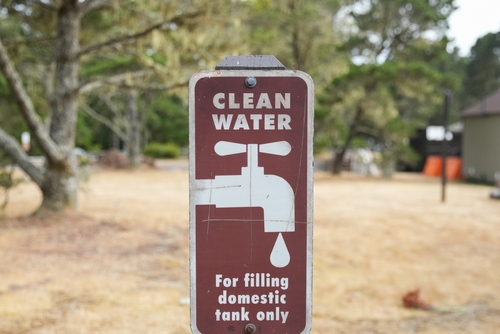
It’s tempting to overfill the freshwater tank so you don’t have to refill as often. Some people even bypass the fill shut-off to squeeze in extra capacity. But overfilling puts pressure on seams and fittings, which aren’t meant for that stress. Tanks can crack or bulge, leading to leaks under the floor.
A cracked freshwater tank isn’t just expensive—it can ruin floors and cabinetry. RV plumbing is built for normal capacity, not overload. Sticking to proper fill levels keeps your system safe. Carrying a portable water bladder is a better way to extend capacity without damage.
12. Ignoring Battery Problems by Adding More Batteries
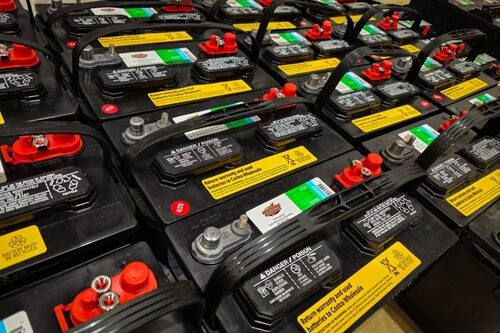
If your RV battery isn’t holding charge, wiring in an extra one feels like a smart hack. After all, more batteries mean more power, right? But if the original battery is failing, the new one will just get dragged down with it. This strains the entire electrical system and masks the real issue.
Instead, you should test and replace weak batteries, not pile on extras. Matching batteries in age, size, and type is key for safe performance. Skipping that step risks damage to your inverter or converter. Solving the root cause always beats stacking temporary fixes.
This post 12 RV “Emergency Fixes” That Make Problems Worse Later was first published on Greenhouse Black.
