
1. Sterling Silver Flatware
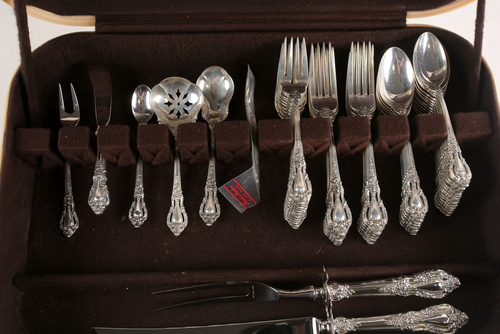
It’s easy to miss, but a jumble of forks and spoons at a flea market might actually be solid sterling silver. Dealers can spot the tiny “925” hallmark that marks the real deal. Sterling silver always has value based on weight alone, but ornate or antique sets can be worth much more. Because of that, dealers often hang on to them.
Unlike plated silver, sterling doesn’t lose its value over time. Many dealers enjoy polishing and using it for special occasions. It adds a touch of elegance to everyday life while still being an appreciating asset. That combination of beauty and intrinsic worth makes it hard to part with.
2. Mid-Century Modern Furniture
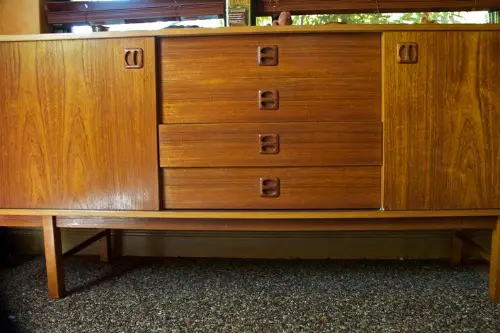
Dealers know that mid-century modern pieces—like sleek teak credenzas or Eames-style chairs—rarely go out of style. These designs from the 1950s and 60s fit easily into contemporary homes, so they’re always in demand. If a dealer spots a chair with clean lines and tapered legs, it’s often going straight into their own living room. Even a scuffed piece can be restored and still hold great value.
Because the market for authentic mid-century modern is so strong, many dealers hesitate to let go of their best finds. They know a simple side table can fetch hundreds, but the real appeal is often personal enjoyment. Dealers also appreciate the craftsmanship and sturdy materials that make these items last decades. That combination of style, durability, and resale value is too tempting to pass along.
3. Vintage Denim
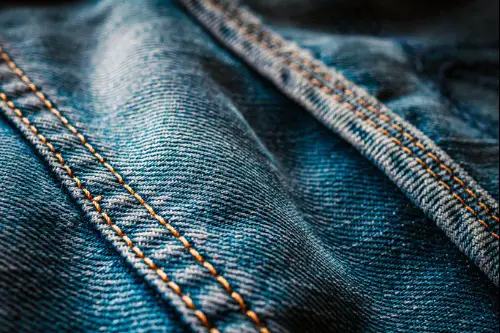
Old Levi’s and other vintage denim brands are a goldmine at flea markets. Collectors prize certain details like single-stitched hems or the famous red tab, which signal rare and early production. Dealers know these jeans can bring in big bucks, especially if they’re made from selvedge denim. That’s why when they stumble on a pair, they’ll usually hold them back.
Denim also has crossover appeal—it’s fashionable, wearable, and practical. A dealer might keep vintage jeans not just to resell but to wear themselves. Unlike delicate antiques, denim is tough and can handle daily use. That makes it a perfect blend of investment and personal wardrobe upgrade.
4. Pyrex and Fire-King Glassware
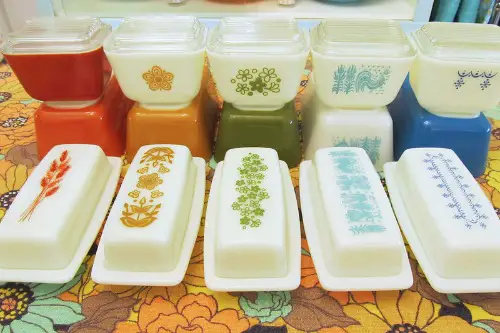
Colorful mixing bowls and patterned casserole dishes from Pyrex and Fire-King are beloved by collectors. These kitchen staples were once affordable and ordinary, but today, certain patterns like “Butterprint” or “Peach Lustre” fetch high prices. Dealers know which colors and styles are rare, so they’ll often tuck away the best pieces. They’re both nostalgic and financially smart to keep.
Part of the appeal is durability—this glassware was made to be used every day, and it still holds up decades later. Dealers also enjoy the pop of color these pieces bring to their own kitchens. And since the market for vintage Pyrex only keeps growing, holding onto them feels like a safe bet. They’re useful at home and profitable down the line.
5. Vinyl Records
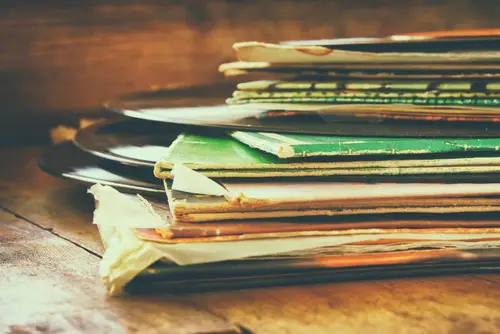
Dealers with a sharp ear know that original pressings of classic albums can be surprisingly valuable. Beatles, Bowie, or jazz records from labels like Blue Note can command serious prices. Even if they don’t plan to sell, many dealers keep their best vinyl finds for personal listening. The tactile joy of putting a record on a turntable is part of the charm.
Vinyl also has a strong collector’s community, so its value is unlikely to fade anytime soon. Dealers often appreciate the cover art as much as the music. A first edition LP with original artwork feels like both art and artifact. That’s why records rarely leave a dealer’s personal stash once discovered.
6. Antique Rugs
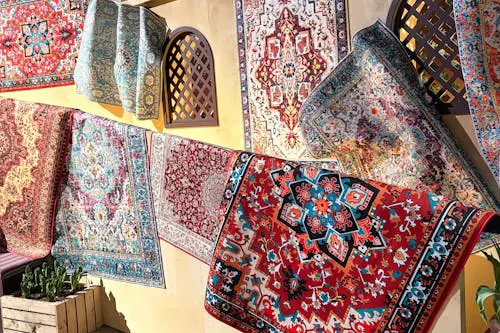
Worn but well-made rugs are another category dealers prize for themselves. Persian, Turkish, or Navajo rugs, even when faded, are considered works of art. Dealers know how to spot hand-knotted construction and natural dyes, which make a rug both durable and unique. These pieces often end up in their own homes.
The appeal is partly practical: a rug instantly transforms a room. But it’s also cultural—owning a handmade rug connects you to centuries-old traditions. Dealers appreciate that history while enjoying the warmth it brings to their space. The resale value is there, but living with the rug can feel like the greater reward.
7. Vintage Advertising Signs
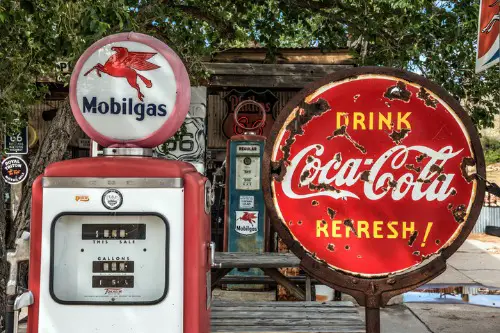
Old enamel or tin signs for products like Coca-Cola or Mobilgas often catch a dealer’s eye. These signs are collectible because they capture the design and marketing styles of their era. Authentic signs, with rust and wear included, are worth far more than modern reproductions. Dealers often keep them to decorate their own spaces.
The bold graphics and nostalgia factor make these signs conversation starters. They also continue to appreciate as collectors hunt for rarer designs. Dealers see them as both décor and investment. That mix of style and value makes it tempting to hold on instead of selling.
8. Pocket Watches
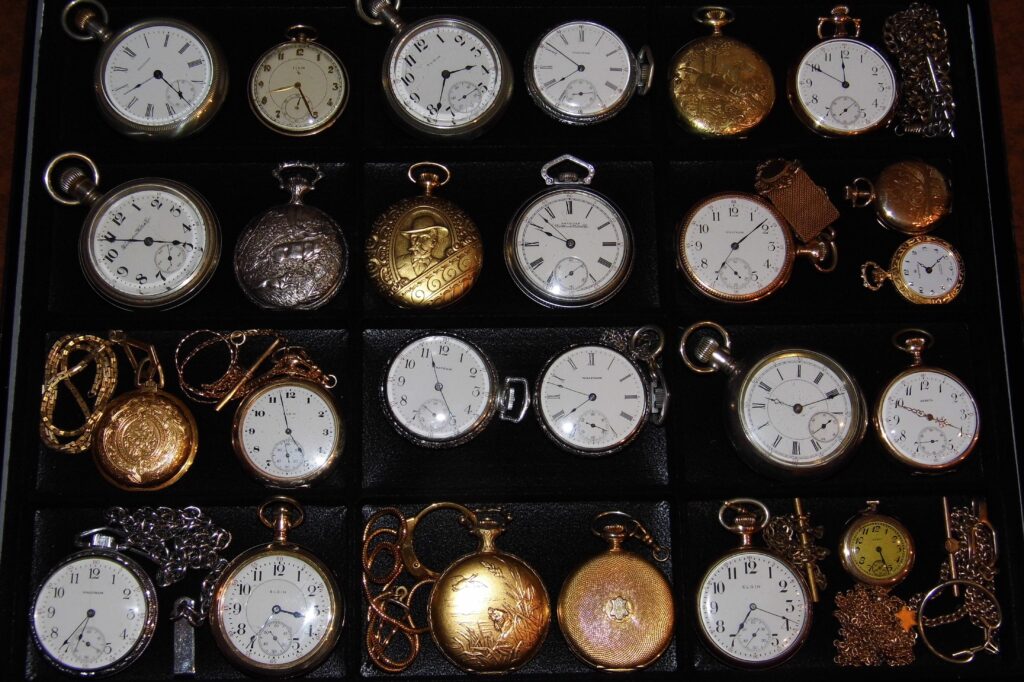
Antique pocket watches from makers like Elgin or Waltham show up in flea markets more often than people realize. Dealers with knowledge of horology can spot details like jeweled movements or gold cases. Because these watches are both beautiful and mechanical marvels, many dealers keep them. Even a non-working piece can be restored or harvested for parts.
Pocket watches also appeal as wearable history. Dealers often enjoy showing them off or gifting them to family members. Since fine watch collecting is a niche with strong value retention, keeping them feels like a smart move. The charm of winding and carrying one is hard to beat.
9. Vintage Cameras
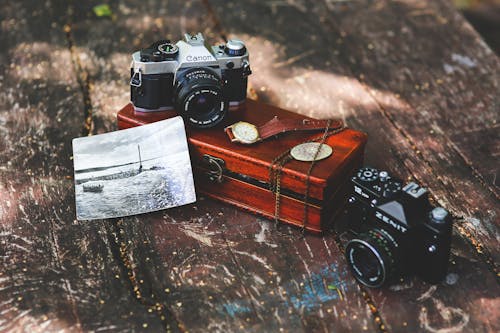
Film cameras like old Leicas, Nikons, or Polaroids are prized by dealers. While digital has taken over photography, there’s still a cult following for analog gear. Dealers know which models are worth holding onto because collectors pay well for them. Many keep them because they still take gorgeous photos.
The craftsmanship of vintage cameras makes them appealing beyond resale value. They look great as display pieces, even if they’re never used again. Dealers often end up experimenting with film themselves after keeping a camera. That mix of artistry and functionality makes them hard to part with.
10. Costume Jewelry
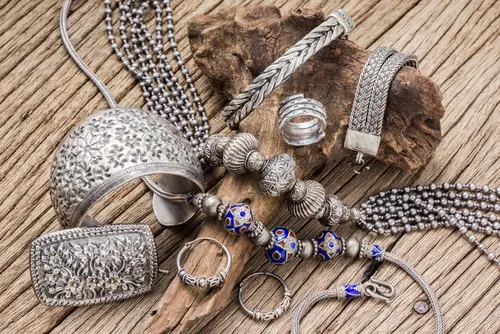
Not all jewelry needs to be made of precious metals to be valuable. Vintage costume pieces from designers like Trifari, Weiss, or Miriam Haskell are highly collectible. Dealers know that unusual designs, rhinestone settings, or art deco styles can fetch serious money. That’s why they often scoop them up and tuck them away.
Costume jewelry is wearable and adds flair to everyday outfits. Dealers might enjoy using the pieces themselves before considering resale. Since the demand for vintage fashion keeps growing, holding onto them feels safe. They’re small treasures that pack a big punch.
11. Cast Iron Cookware
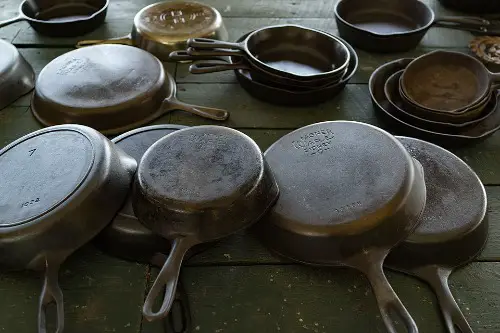
Heavy cast iron skillets and Dutch ovens are flea market staples. Brands like Griswold or Wagner Ware are especially prized because they’re lighter and smoother than modern versions. Dealers who cook often keep these pieces for themselves. A well-seasoned skillet can last generations.
The practical appeal is huge—cast iron is beloved for even heating and durability. Dealers know these old pans often outperform newer cookware. Plus, collectors pay well for certain makers and sizes, so it’s like cooking with money in the bank. That dual utility makes it irresistible to hang on to.
12. Old Maps

Antique maps often get overlooked by casual shoppers. But dealers know that city maps, railroad charts, or even old schoolroom pull-down maps have significant value. They’re both historically important and visually striking. Dealers often keep them as wall art.
Maps tell stories about how people once saw the world. Dealers enjoy the personal connection of displaying a map of a hometown or favorite place. At the same time, collectors seek them out for their rarity. That combination of meaning and market value makes them keeper items.
13. First Edition Books
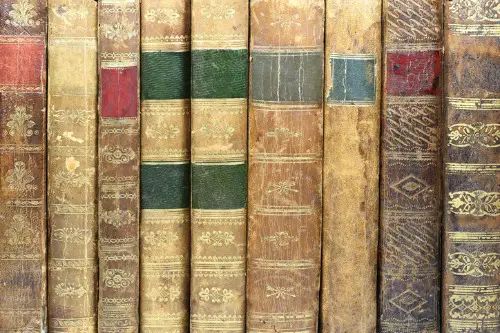
Dealers who come across first editions, especially of famous authors, rarely pass them on. The dust jacket, print run, and publishing details all determine value. A first edition of a Hemingway or Steinbeck can be worth thousands. Dealers often keep these for both pride and profit.
Books also appeal emotionally—dealers are often readers themselves. Owning a first edition feels like holding a piece of literary history. Even lesser-known titles gain significance in this form. That personal and cultural weight makes them hard to sell.
14. Tools with Patina
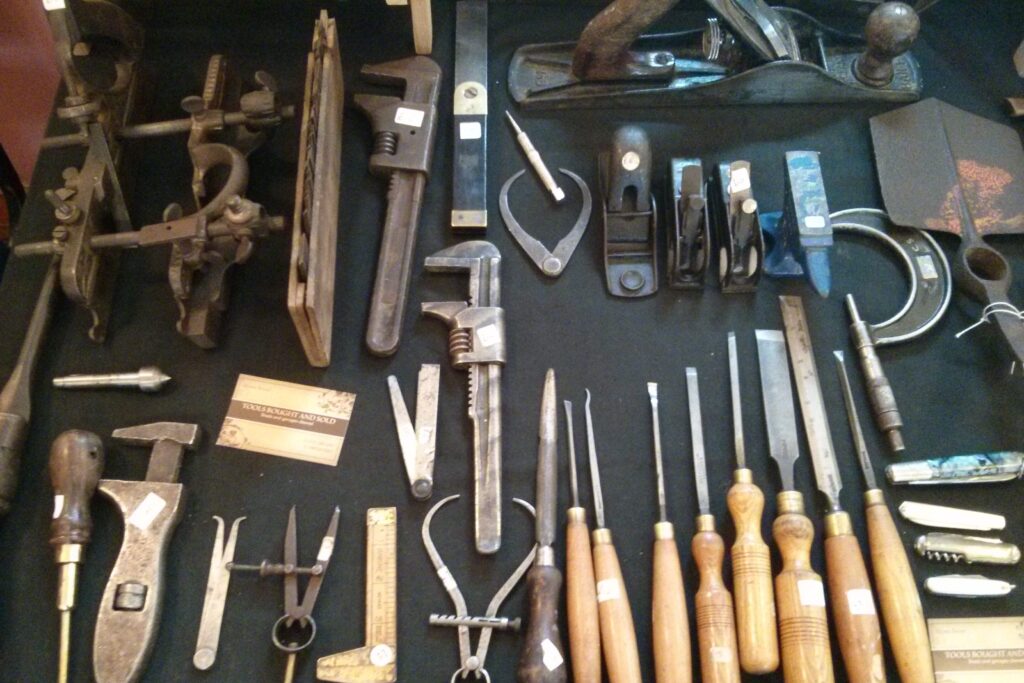
Old hand tools—planes, saws, or wrenches—carry both practical and collectible value. Dealers know that tools made before mass production often have superior craftsmanship. A Stanley plane or Disston saw is useful even today. That’s why dealers often keep them instead of selling.
The patina and wear add character rather than diminish worth. Many dealers use the tools themselves in workshops. They also know there’s a steady collector base for well-preserved examples. It’s the perfect blend of function and heritage.
15. Vintage Toys
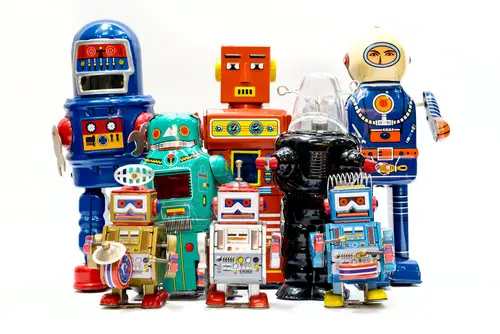
Dealers always keep an eye out for old toys, from tin wind-ups to early Barbie dolls. These can fetch high prices if they’re in good condition, especially with original packaging. But more often, dealers keep them for personal nostalgia. The emotional connection to childhood makes them priceless.
Toys also appeal to multiple generations of collectors. A 1950s toy might catch the eye of both a serious collector and someone who simply remembers playing with it. Dealers know this emotional pull keeps demand high. So even if they’re valuable, toys often stay in their private collections.
This post 15 Flea Market Finds That Dealers Keep for Themselves was first published on Greenhouse Black.
