
1. Crystal Stemware
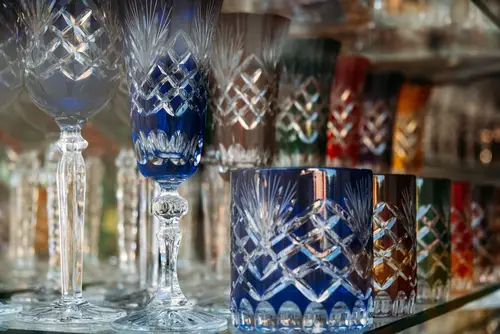
Cut crystal goblets were once a sign of elegance at the dining table. Brands like Waterford and Baccarat made them status symbols, handed down across generations. Today, the heavy weight and fragility of crystal just don’t fit with modern casual entertaining. Wine lovers now prefer lightweight, dishwasher-safe glasses that won’t shatter after a toast.
You can often find crystal sets stacked on thrift store shelves at surprisingly low prices. Younger buyers see them as impractical, and even many collectors admit they have more than they can use. Unless it’s a truly unique pattern, crystal stemware rarely commands more than pennies on the dollar. What was once a celebratory heirloom now struggles to find a home.
2. Fine China Sets
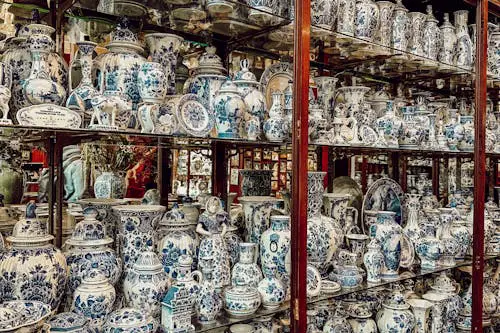
For decades, full sets of fine china were a staple wedding gift, meant to be used only on special occasions. Today, fewer people want to fuss with fragile dishes that require handwashing and special storage. With younger generations favoring simple, durable everyday plates, these sets are left gathering dust. Even top brands like Noritake or Lenox don’t fetch what they once did at auctions or estate sales.
Collectors are finding that demand has plummeted, and even large, complete collections might sell for only a fraction of their original cost. Downsizing boomers often can’t give them away to kids or grandkids. Thrift stores are flooded with them, which drives the value down even further. Unless the pattern is extremely rare, most fine china has little market left.
3. Silver-Plated Flatware
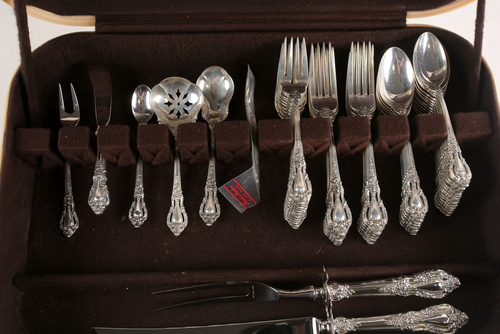
There was a time when owning a full silver-plated flatware set was considered a marker of refinement. Families would polish and preserve them, bringing them out for holidays or dinner parties. These days, polishing silver feels more like a chore than a tradition. The effort simply outweighs the enjoyment for most households.
Because of this shift, silver-plated sets have become very difficult to resell. Unlike sterling silver, which at least carries scrap value, silver-plated pieces don’t bring in much on the secondary market. Buyers know they tarnish easily and have little intrinsic worth. As a result, sets that once sold proudly in department stores are now tough to move at garage sales.
4. Formal Dining Room Furniture
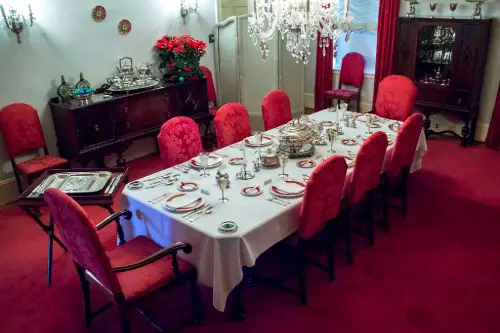
Massive dining room tables with matching hutches used to be the centerpiece of family life. They were built to last for generations and to host sprawling holiday feasts. These days, open floor plans and smaller living spaces make oversized sets impractical. Families also don’t host formal dinners as often as in the past.
As a result, demand has collapsed for this once-essential category. Even high-quality pieces made of solid wood often sit unsold in consignment stores. Buyers today prefer flexible, smaller-scale furniture that fits multipurpose spaces. The sheer size of traditional dining sets makes them nearly impossible to resell.
5. Persian and Oriental Rugs
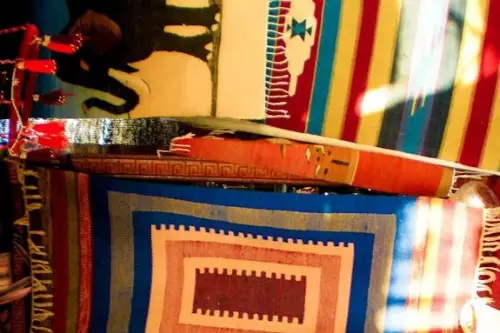
Hand-knotted rugs from Persia or other parts of Asia once symbolized sophistication and wealth. Their intricate patterns and craftsmanship were highly valued and often handed down as prized family items. Today, however, interior design trends lean toward minimalism and neutral palettes. A richly patterned rug can feel overwhelming in modern spaces.
The shift in style has caused resale values to nosedive. Even large, authentic rugs struggle to sell for anywhere near their purchase price. Synthetic alternatives are also cheaper and easier to maintain, further undercutting the market. Unless it’s a museum-worthy piece, most of these rugs languish unsold.
6. Hummel Figurines
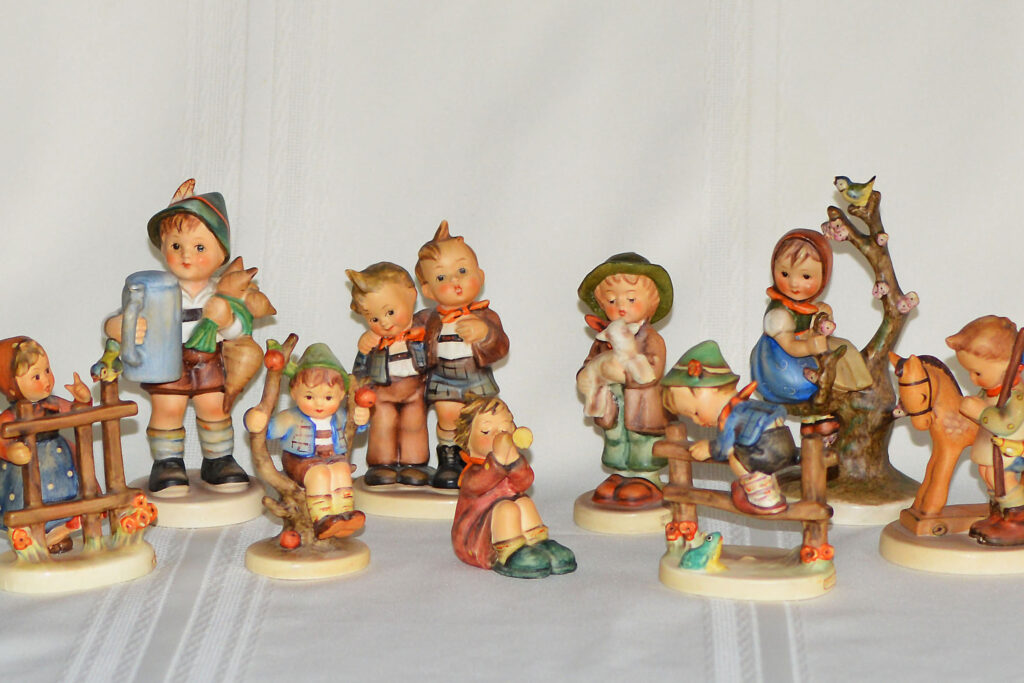
These German-made porcelain figurines were wildly popular in the mid-20th century. Many collectors filled curio cabinets with dozens of them, believing their value would only climb. Unfortunately, that boom has fizzled out as tastes have changed. Today, figurines in general just don’t resonate with younger buyers.
Because so many were mass-produced, they aren’t nearly as rare as once believed. Auction houses often sell them in bulk for a fraction of their original cost. Collectors who once treated them as investments are finding little to no return. They’re now more sentimental than valuable.
7. Antique Sewing Machines
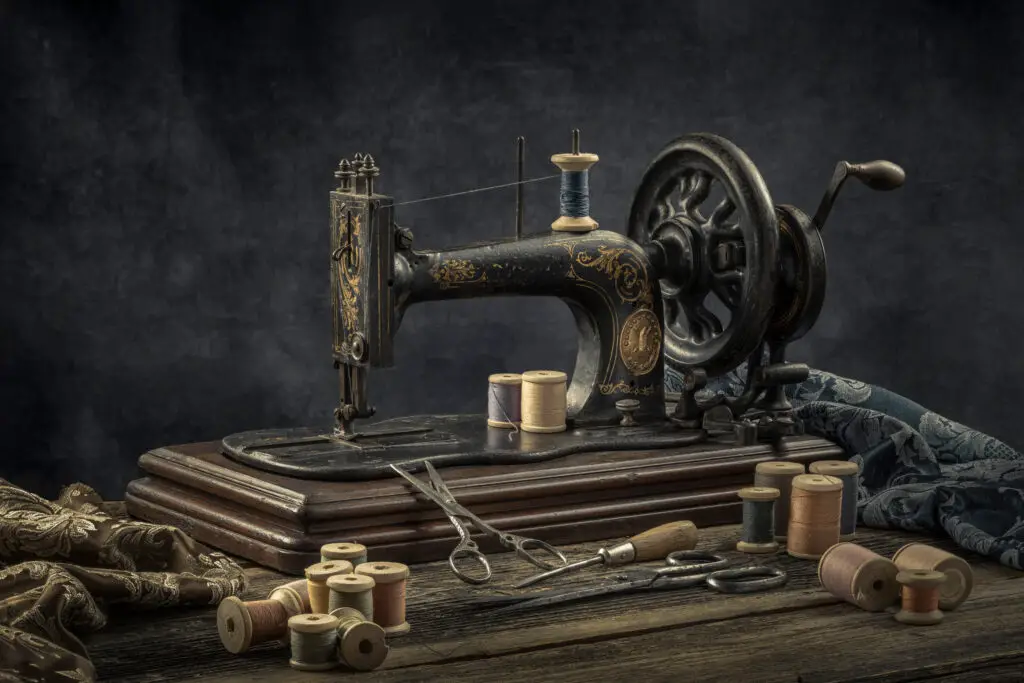
Vintage sewing machines, particularly ornate treadle models, were once prized by both collectors and decorators. They symbolized craftsmanship and a bygone domestic era. However, interest has waned as fewer people sew at home. Modern machines are lighter, faster, and easier to use, leaving old treadles as more of a curiosity than a tool.
These machines are also bulky, making them hard to store and move. Many are being discarded because even donation centers can’t take them all. While they can be striking as decorative pieces, their resale market is thin. Only the most rare or pristine models maintain meaningful value.
8. Collectible Plates
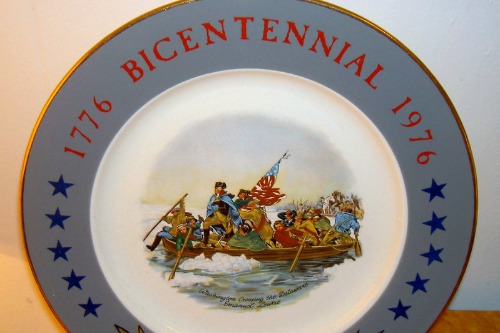
Companies like Franklin Mint and Bradford Exchange convinced generations of buyers that limited-edition plates were wise investments. Decorated with everything from wildlife scenes to holiday designs, they were meant to be displayed rather than used. Unfortunately, the secondary market has almost entirely collapsed. Buyers now see them as outdated dust collectors.
Because they were produced in such large numbers, they’re anything but rare. Thrift stores often sell them for just a few dollars each. Even in mint condition with original boxes, they don’t command much interest. Collectors who hoped to cash in are often disappointed.
9. Large Armoires
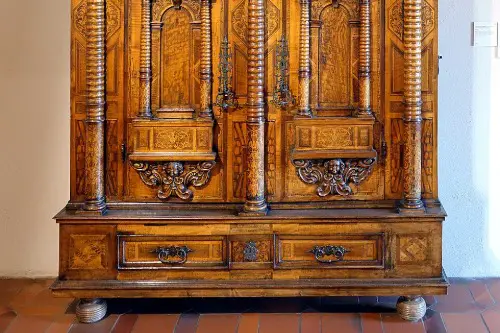
Before closets became standard in every bedroom, armoires were a practical necessity. They provided essential storage space for clothing and linens. As homes evolved, their usefulness declined. Today, walk-in closets and built-in storage make armoires redundant.
On top of that, they’re heavy and difficult to move. Many secondhand furniture stores won’t even accept them because buyers simply don’t want the hassle. Even beautiful antique versions are tough to sell. They’ve become functionally obsolete in most modern homes.
10. Piano and Organ Consoles
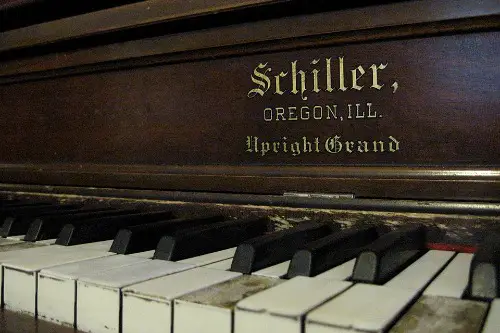
At one point, nearly every middle-class household wanted a piano or organ for music and entertainment. They were central to family gatherings and personal enrichment. But with digital instruments and streaming music, their practical role has disappeared. Very few households today have the space or desire for these large instruments.
This shift has gutted their resale value. Families often struggle to even give them away, since moving costs are high. Donation centers frequently refuse them due to space limitations. Only rare concert-quality instruments or antique grand pianos still hold value.
11. Brass Beds
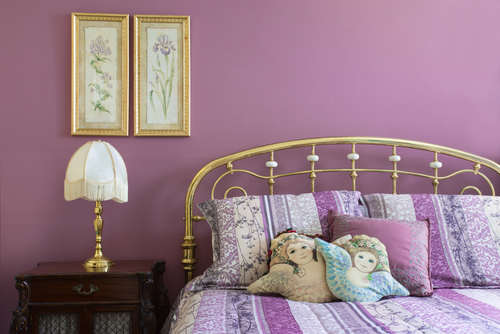
Antique brass beds once represented luxury and permanence in a home. Their sturdy frames and gleaming finishes made them a symbol of quality craftsmanship. But their popularity has waned with changes in bedroom décor trends. Today, buyers prefer lighter, modern frames with cleaner lines.
Another issue is practicality. Many brass beds don’t fit standard mattress sizes, making them inconvenient for daily use. Restoring tarnished brass is also costly and time-consuming. For most buyers, they’re simply not worth the effort.
12. Porcelain Dolls
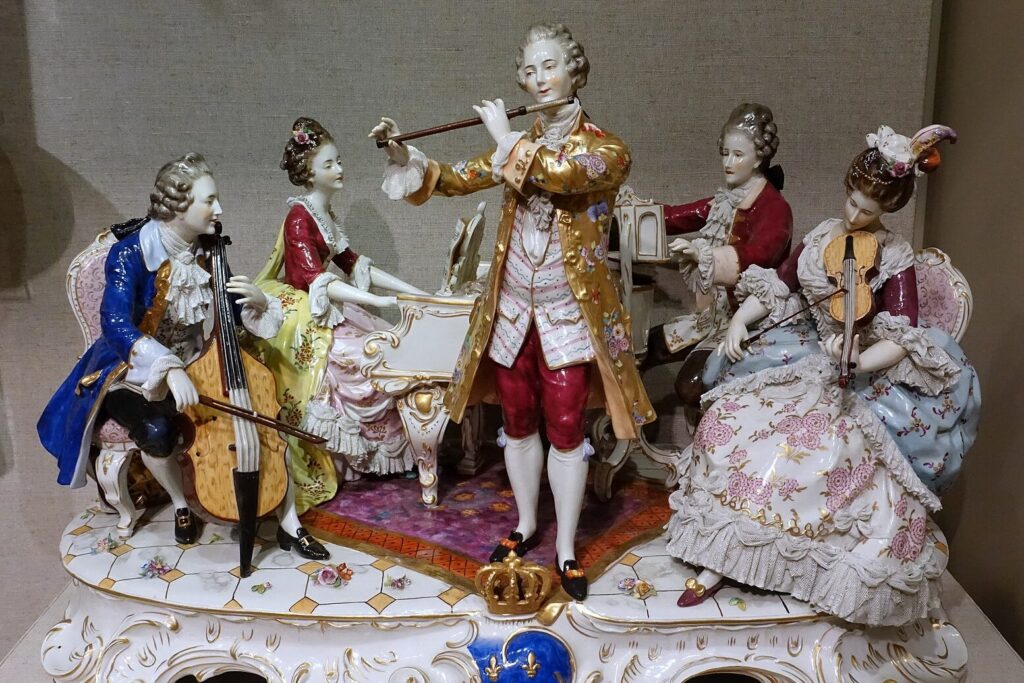
Collectible dolls had a golden era when they were seen as timeless gifts and prized possessions. They were often displayed in glass cabinets, carefully preserved for future generations. But the interest in porcelain dolls has largely vanished. Younger generations find them creepy rather than charming.
Mass production also diluted their supposed value. Many were made in the tens of thousands, leaving little rarity to drive demand. Today, even pristine dolls with certificates of authenticity struggle to sell. Collectors are finding themselves stuck with shelves of unwanted figurines.
13. Grandfather Clocks
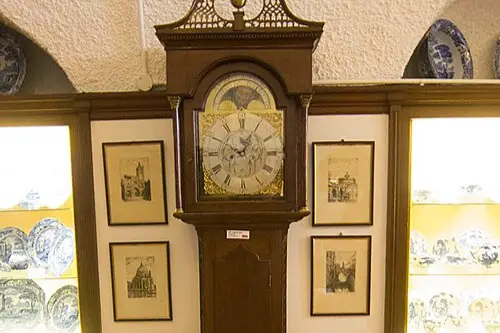
Towering grandfather clocks once graced formal living rooms with a sense of grandeur. Their chimes and craftsmanship were a symbol of elegance. But in today’s smaller, modern homes, they feel out of place and oversized. Digital clocks and smart devices have also replaced their practical function.
Resale markets have dried up as a result. Even antique shops struggle to move them because buyers simply don’t want the hassle of upkeep. Repair and maintenance costs are also high, further reducing demand. Unless they’re museum-quality, most grandfather clocks are declining in value.
14. Victorian-Style Sofas
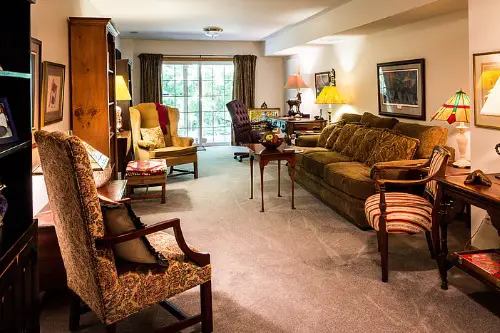
Curvy, tufted Victorian sofas with ornate woodwork were once must-haves for antique lovers. They were valued for their craftsmanship and elaborate design. Today, however, they’re considered uncomfortable compared to modern seating. Their style doesn’t blend well with contemporary interiors.
This mismatch has gutted their resale potential. Upholstery restoration is expensive, and most buyers don’t want to take on the cost. Even well-maintained pieces rarely sell for what they’re worth. Their decorative charm has simply fallen out of favor.
15. Milk Glass
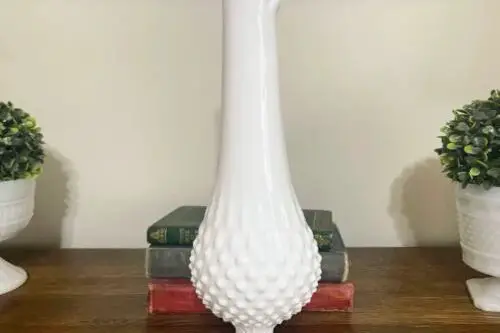
Milk glass was a huge collectible trend throughout the mid-20th century. Its opaque white glow made it a popular decorative item in homes. But now, the market is flooded with it, and younger generations see it as dated. As a result, values have steadily dropped.
Even unique pieces don’t command the high prices they once did. Most thrift shops can’t move it quickly, even when priced cheaply. While some niche collectors remain, the broad demand has evaporated. Milk glass is now more nostalgic than valuable.
16. Encyclopedias

Before the internet, encyclopedia sets were essential reference tools in homes and libraries. Families spent hundreds of dollars to ensure access to knowledge at their fingertips. Today, they’re entirely obsolete, replaced by free digital resources. Their bulky volumes now serve little purpose beyond decoration.
Resale value is virtually nonexistent. Many libraries and thrift stores refuse to take them because of limited space. Even full, pristine sets from reputable publishers struggle to sell. They’ve become relics of a pre-digital world that has moved on.
This post 16 Common Antiques That Are Quietly Losing All Value was first published on Greenhouse Black.
