
1. Overly Bright Exterior Lights
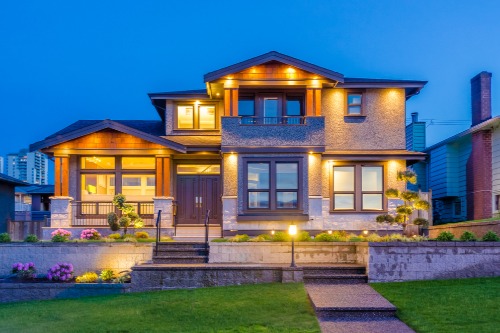
Motion-sensor lights can be helpful for safety, but when they’re too intense, they become a nuisance. No one wants to feel like a stadium spotlight is hitting their bedroom window at midnight. Too much brightness can actually make a yard look harsher, rather than cozy and welcoming. It’s one of those upgrades that quickly goes from “practical” to “annoying.”
Neighbors especially notice when lights aren’t angled correctly or are left on all night. Light pollution is a real concern in suburban and rural areas, where the night sky is otherwise clear. Excessive lighting can also bother wildlife, which only adds to the negative perception. Subtle, well-placed lighting feels safer and much more neighbor-friendly.
2. Chain-Link Fences
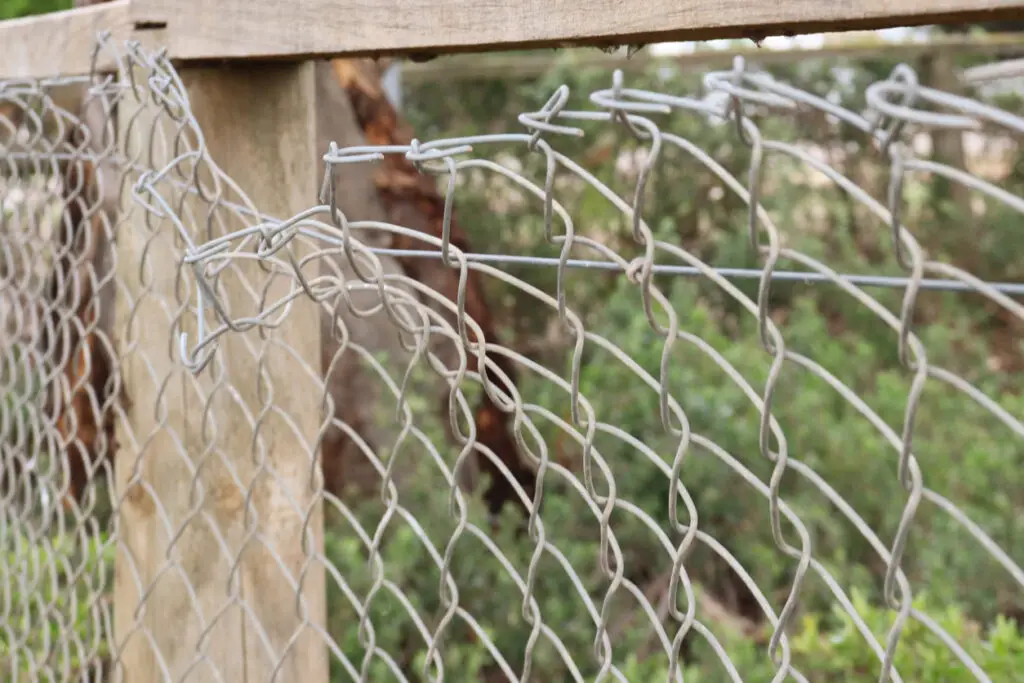
Chain-link fences may be practical for keeping pets or kids safe, but they’re rarely seen as attractive. Many buyers and neighbors associate them with industrial or temporary spaces, not a warm, inviting home. Because of this, they can drag down the curb appeal of an entire block. Even if well-kept, they tend to clash with landscaped yards or more modern home exteriors.
Homeowners might install them for affordability, but neighbors often view them as cutting corners. A wooden or vinyl fence blends in better and feels intentional. Chain-link fencing can even lower nearby property values because it signals a lack of long-term investment. That’s why neighbors often quietly (or not so quietly) resent them.
3. Giant Above-Ground Pools

Above-ground pools seem like a quick way to beat the heat, but they rarely win beauty contests. They take up a big chunk of a yard and dominate the view with a bulky structure. The metal walls and ladders often clash with landscaping and architectural styles. To nearby neighbors, they can look more like clutter than luxury.
Maintenance is another sticking point—if the water turns murky or debris collects, the pool becomes an eyesore fast. Plus, they can reduce usable lawn space that neighbors might otherwise enjoy seeing as green, open yard. Unlike in-ground pools, they don’t usually add resale value, so they feel temporary and cheap. That makes them a common target of neighborly grumbles.
4. Artificial Turf Lawns
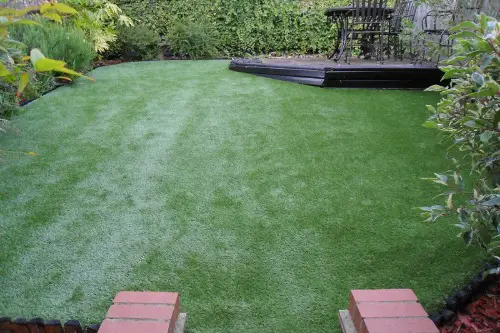
Synthetic grass might save on water bills, but not everyone is a fan. Neighbors often complain it looks too “fake,” especially when it has a shiny finish. In hot climates, turf can get extremely warm, making yards uncomfortable for kids or pets. Plus, it doesn’t provide the same environmental benefits as natural grass.
Critics argue it can harm soil health and increase stormwater runoff. Some HOAs even ban it outright for those reasons. While it’s low maintenance, it can read as “plastic” instead of polished. That disconnect between function and appearance is why neighbors often dislike it.
5. Loud Exterior Paint Colors
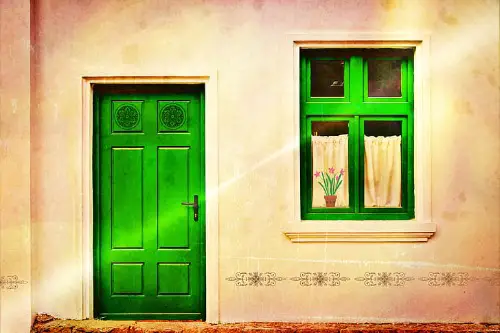
A bold paint job might feel like personal expression, but neighbors often see it as over-the-top. Neon greens, bright purples, or electric blues can clash with the rest of the neighborhood’s palette. What one person thinks is artistic can feel chaotic or mismatched to everyone else. The result is a house that sticks out in a way that many see as unpleasant.
These choices are especially controversial in historic districts or HOA neighborhoods, where uniformity is expected. A loud color can even affect property values on the street, since buyers may not like the mismatch. While it’s easy to repaint, it’s not cheap—and neighbors know it might linger for years. That’s why bold paint choices rarely get much love next door.
6. Inflatable Lawn Decorations
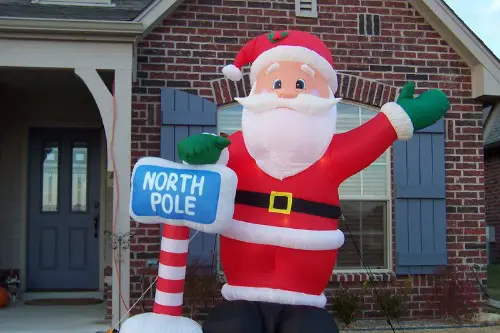
Holiday inflatables are fun for kids, but not everyone enjoys staring at them for weeks on end. Giant Santas, turkeys, or cartoon characters can dominate a yard and feel tacky to some. Worse, when they’re deflated during the day, they just look like heaps of plastic. The charm fades quickly after the novelty wears off.
Neighbors might also worry about noise from built-in fans or lights at night. If decorations stick around long after the holiday, irritation builds even faster. What’s playful for one family can feel like clutter for another. That tension makes inflatables one of the most common “fun but hated” yard upgrades.
7. Excessive Concrete or Paved Yards
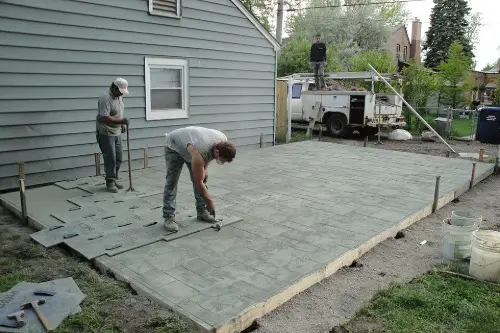
Replacing grass with full concrete might seem like an easy landscaping fix, but it changes the vibe of a home. A lush green yard feels welcoming, while a solid slab looks harsh and lifeless. Neighbors may see it as prioritizing convenience over community aesthetics. It can even make the property look more like a parking lot than a home.
There’s also the environmental angle—paved yards reduce drainage and can increase local flooding. In hot climates, they contribute to the “heat island” effect, making the area warmer. These practical downsides only fuel the negative perception. A balance of hardscape and softscape is usually more neighbor-friendly.
8. Giant RVs or Boats Parked in Driveways
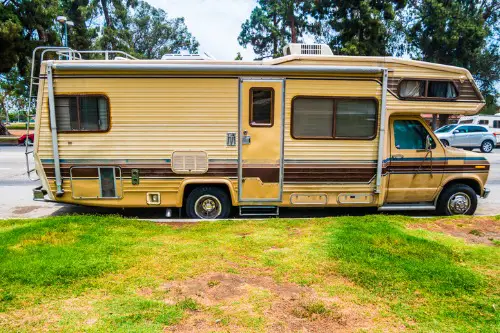
Owning an RV or boat is exciting, but storing it in the driveway is another story. To neighbors, it’s like having a wall blocking the view of your home or the street. These vehicles are massive, and they often dwarf everything else around them. They also take up parking space, which can make street congestion worse.
Many neighborhoods have rules about this, but enforcement varies. Even if the owner is proud of their investment, others often see it as clutter. Large vehicles can also make a street feel less safe for kids playing outside. That’s why they’re one of the top “upgrades” that neighbors quietly resent.
9. Over-the-Top Water Features
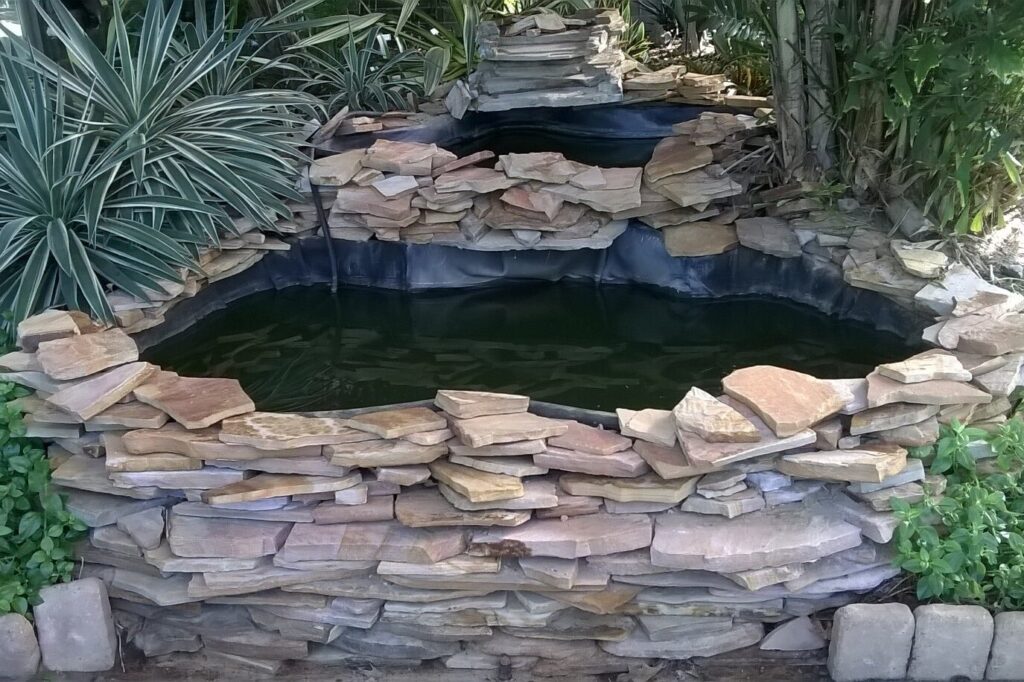
A koi pond or small fountain can be charming, but giant waterfalls or oversized ponds often go too far. They can look unnatural, especially if they don’t match the scale of the yard. Neighbors may worry about stagnant water attracting mosquitoes or other pests. Plus, they’re loud, which can be disruptive if you’re trying to relax outside.
Maintenance is another issue—if the water turns green or the pump breaks, it becomes a mess. What started as a centerpiece can quickly become an eyesore. These projects also tend to cost more than they add in value. That imbalance often makes neighbors skeptical from the start.
10. Satellite Dishes in Odd Spots
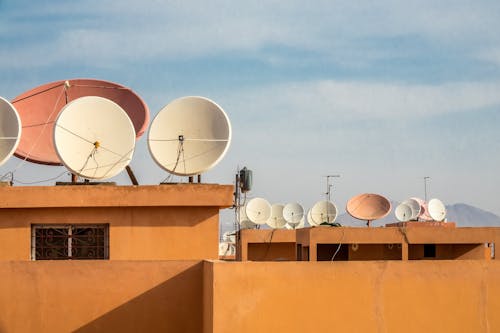
Satellite dishes themselves aren’t unusual, but placement makes a big difference. When they’re mounted on the front of a house or in the middle of a roofline, they can be distracting. Instead of blending in, they become the first thing you notice. For neighbors, that can cheapen the overall look of the block.
It’s especially frustrating when the dish isn’t in use but still remains bolted in place. The longer it sits, the more it feels like abandoned clutter. Hidden placement or removal after use is much more neighbor-friendly. Without that effort, dishes often get a reputation as instant eyesores.
11. Overgrown Hedges and Bushes
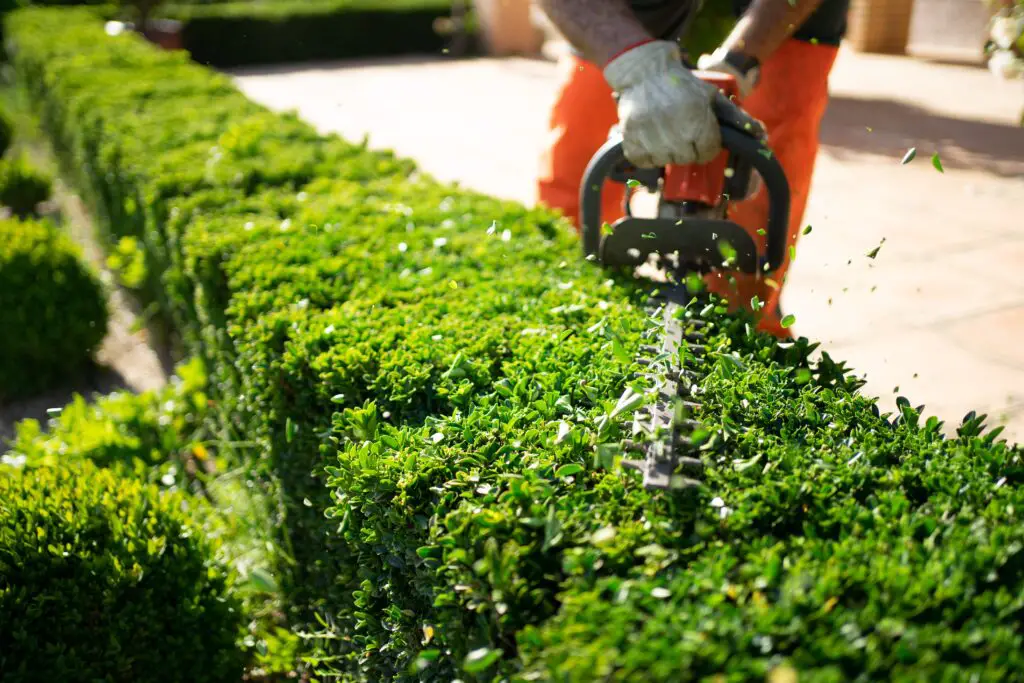
Hedges can provide privacy, but when they’re left to grow wild, they overwhelm the yard. Overgrown shrubs make a home look neglected, even if the inside is spotless. They can block sidewalks, driveways, or even visibility for cars pulling out. That lack of upkeep bothers neighbors who value a tidy street.
It’s not just about looks—overgrown greenery can attract pests or damage fences. Once plants get out of control, fixing them usually means drastic pruning or full removal. Neighbors notice when someone lets their yard go too far in this direction. To them, it feels less like privacy and more like abandonment.
12. Rooftop Additions That Don’t Match
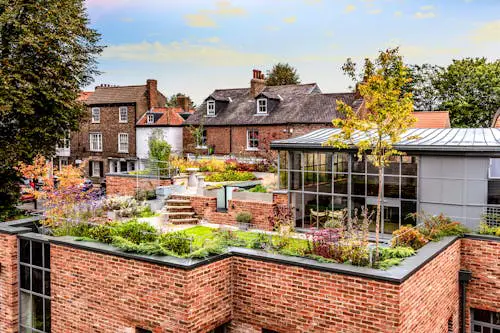
Adding a new floor or bonus room on the roof can add space, but it doesn’t always blend well. If the style or materials don’t match the original house, the whole structure can look pieced together. Neighbors see it as disrupting the character of the block. Even if functional, it can stick out in all the wrong ways.
These projects often impact views or sunlight for nearby homes, which makes them even less popular. Because they’re expensive, homeowners may leave them half-finished if money runs out. That can create long-term construction messes that annoy the whole neighborhood. It’s a high-stakes upgrade that often backfires socially.
13. Fake Stone or Brick Veneers
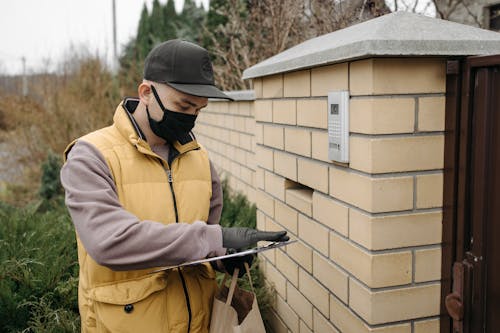
At first glance, faux stone or brick might seem like an affordable way to add charm. But when poorly installed, it can look cheap or obviously fake. Neighbors tend to notice the difference, especially up close. Instead of boosting curb appeal, it can end up looking like a costume for the house.
These veneers also don’t age as gracefully as real materials. Cracks, peeling, or fading can show up quickly, making the house look worse over time. Since real stone or brick has timeless appeal, the comparison is hard to ignore. That’s why neighbors often see this as a downgrade, not an upgrade.
This post 13 Real Estate “Upgrades” That Neighbors Consider Eyesores was first published on Greenhouse Black.
