
1. Misprinted Stamps
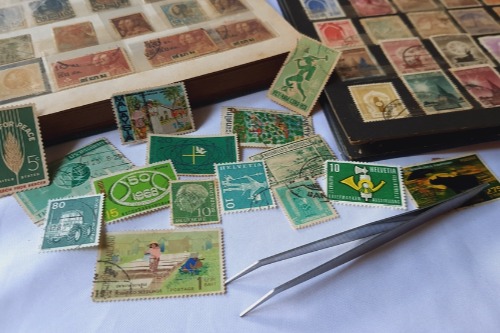
Collectors go wild for stamps with errors, and the more obvious the mistake, the better. The famous “Inverted Jenny” stamp, where a biplane was printed upside down, is one of the most coveted examples. These accidents create rarity, since printing mistakes are often caught and destroyed quickly. A stamp that would normally sell for a few dollars can suddenly fetch millions if it’s misaligned or misprinted.
The intrigue comes from the fact that damaged or misprinted stamps disrupt the perfection expected in production. Instead of being discarded, they become accidental treasures. This flips the idea of damage on its head, making imperfection the real selling point. Stamp collectors often actively seek out these anomalies, giving them a prized spot in collections.
2. Error Coins
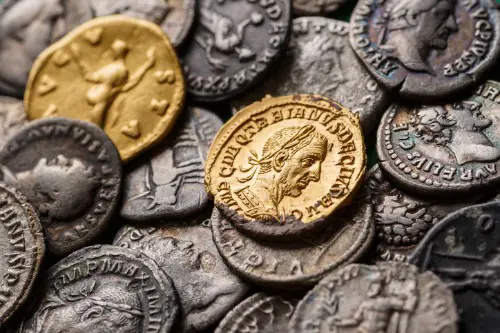
Like stamps, coins that slip through the minting process with errors often skyrocket in value. This could be a double strike, an off-center design, or even missing elements. Collectors see these flaws as one-of-a-kind signatures of human error in an otherwise precise system. A 1955 doubled-die penny, for example, can be worth thousands.
These damaged coins become symbols of rarity in circulation. Regular coins are identical and abundant, but an error coin is a freak accident that survived against the odds. The more glaring the error, the more desirable it becomes. It’s proof that sometimes mistakes become more collectible than perfection.
3. Vinyl Records with Mispressings
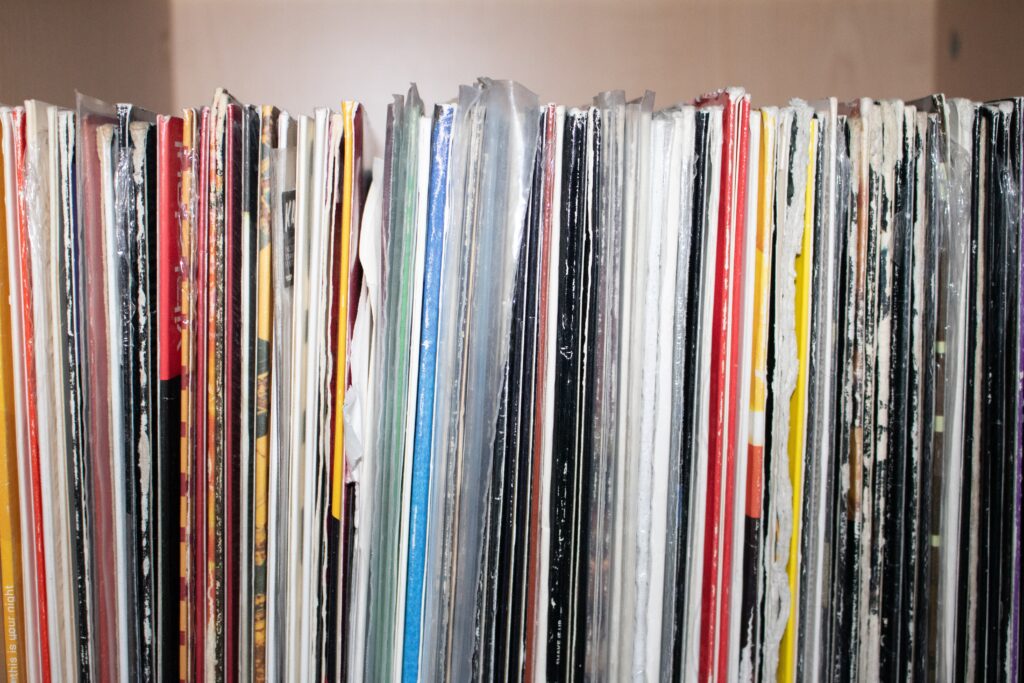
Most collectors want pristine vinyl, but in some cases, mispressings make the record a hot commodity. For example, when the wrong album is pressed onto the label or when there are strange sound distortions baked into the grooves, fans clamor for them. These quirks create an accidental “limited edition.” A record with such flaws may be more valuable than the intended clean version.
The reason is cultural as much as it is technical. Music fans see these as frozen moments of production history, like capturing lightning in a bottle. The imperfections turn into curiosities that only true enthusiasts appreciate. In effect, a “damaged” record becomes a one-of-a-kind listening experience.
4. Baseball Cards with Printing Flaws
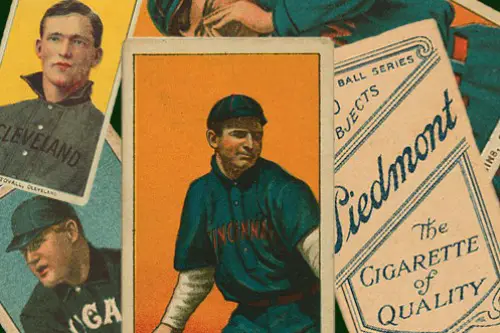
In the world of sports memorabilia, printing flaws can make a baseball card far more valuable. Cards with missing logos, off-center images, or wrong colors often sell for big money. A famous case is the 1989 Billy Ripken card with an obscenity accidentally printed on the bat knob. Instead of being worthless, it became legendary among collectors.
This kind of damage creates a story attached to the card. Fans don’t just want the player; they want the oddball quirk that slipped past quality control. The scarcity of these flawed cards makes them even more collectible. The “error” becomes part of baseball folklore, amplifying their appeal.
5. Action Figures with Manufacturing Defects

Toy collectors sometimes prize figures that rolled off the assembly line with mistakes. This could be two left arms, the wrong head on a body, or missing accessories. While kids might have been disappointed, collectors now see them as accidental rarities. These oddities can command far higher prices than the flawless version.
The appeal is tied to nostalgia and novelty. People enjoy the weirdness of seeing their favorite characters in unintentional “mutant” forms. Since defects are rare and usually corrected quickly, they become hard to find. That scarcity, combined with humor and surprise, drives their value upward.
6. Comic Books with Printing Errors
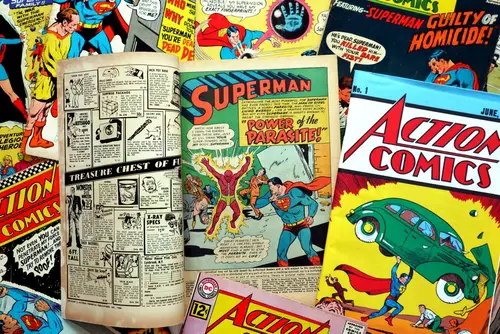
Normally, condition is everything in comic collecting, but certain print errors make books more desirable. Missing color layers, miscut covers, or pages printed upside down can transform a comic into a collector’s prize. For example, misprints in early superhero comics have become highly sought after. Rather than devaluing the issue, these defects make it stand out.
Collectors love them because they highlight the fragility of the publishing process. A simple slip in production turned an ordinary issue into something rare. For fans, it’s like holding a quirky piece of history in their hands. That uniqueness is what gives damaged comics lasting value.
7. Banknotes with Printing Errors
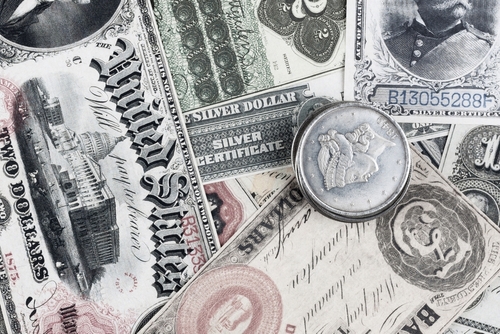
Currency collectors often hunt for bills that escaped with visible mistakes. Examples include inverted serial numbers, missing seals, or misaligned prints. These “error notes” can sell for far more than their face value. The rarity is what makes them so appealing.
The fascination lies in seeing a precise, high-security process go wrong. Unlike normal bills, error notes aren’t supposed to exist in circulation. That makes finding one feel like uncovering a hidden treasure in your wallet. Damage, in this case, is a mark of extraordinary luck.
8. Vintage Video Game Cartridges with Glitches
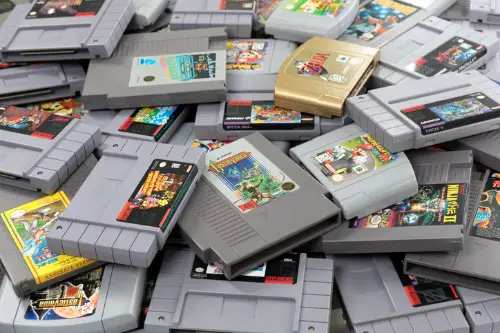
Collectors of retro games sometimes pay premiums for cartridges with defects. This might include missing labels, misprinted artwork, or even programming glitches unique to that copy. For example, early production runs of certain NES games with misprints are now highly collectible. The flaws create distinction in a sea of otherwise identical cartridges.
These “damaged” items often symbolize the scrappy early days of gaming. Instead of being dismissed as broken, they’re celebrated as rare relics of production errors. The glitches or misprints can make them conversation pieces as much as playable games. For enthusiasts, the flaws are what make them priceless.
9. Fine Art with Provenance Damage
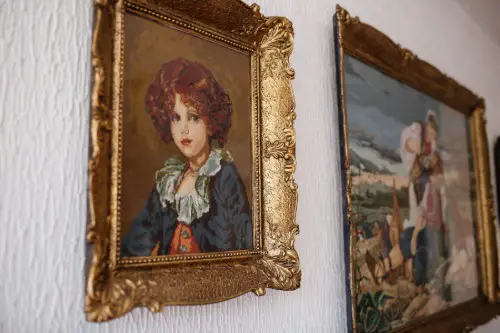
In the art world, damage doesn’t always reduce value—sometimes it enhances it. For example, a painting with a tear that was later repaired by the artist themselves becomes even more valuable. The history of damage and restoration can become part of the artwork’s story. In some cases, it makes the piece rarer and more intriguing.
Collectors value the narrative as much as the image. A work that has survived fire, flood, or mishandling may carry a mystique of resilience. The damage becomes a chapter in the artwork’s biography. In this way, flaws deepen rather than diminish its allure.
10. Concert Posters with Misprints
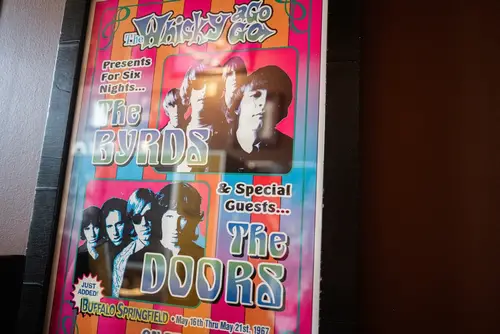
Music fans chase after concert posters with printing errors. This might include wrong dates, missing band names, or color issues. These mistakes were often corrected quickly, making the flawed versions scarce. Collectors see them as frozen moments in music history.
The imperfections tell a story about the era and the event. Fans love knowing they own a poster that wasn’t meant to survive. It creates a deeper emotional connection, since the flaws feel authentic and unpolished. Instead of trash, the misprint becomes treasure.
11. Pottery with Kiln Cracks
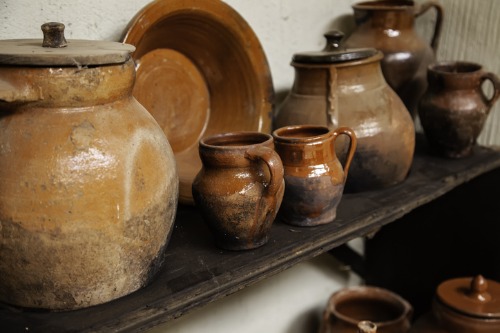
Ceramics collectors sometimes prize pottery pieces that cracked or warped during firing. These accidents create patterns and shapes that can’t be replicated intentionally. In Japanese pottery, concepts like “wabi-sabi” even celebrate the beauty of imperfection. What was once considered damage is now a mark of uniqueness.
Collectors admire how these flaws transform ordinary vessels into artworks with personality. A hairline crack might tell the story of how the piece survived the heat of the kiln. The rarity of naturally occurring damage increases its appeal. In fact, some potters deliberately embrace flaws as part of their signature style.
12. Sneakers with Production Defects
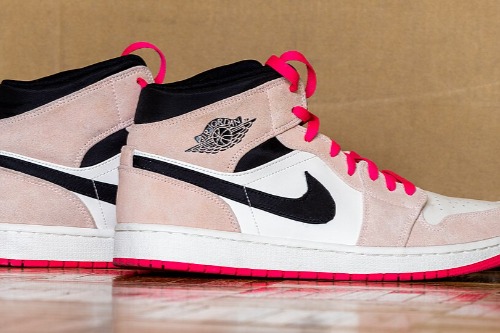
In sneaker culture, factory defects can become more valuable than flawless pairs. This might be mismatched swooshes, swapped soles, or unusual stitching errors. While some would consider these ruined, sneakerheads see them as one-of-one editions. A defective sneaker can fetch higher resale prices than its perfect counterpart.
The craze comes from scarcity and storytelling. A defect is essentially a manufacturing accident that makes the shoe stand out. Fans love owning something nobody else has. It’s the sneaker equivalent of striking gold in the factory.
13. Vintage Books with Binding Errors
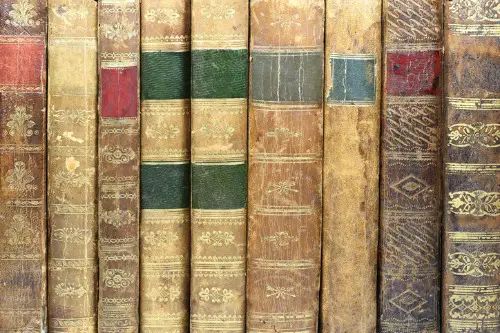
Collectors of rare books sometimes prize copies with binding errors. Upside-down covers, missing pages, or duplicate sections can actually increase demand. These mistakes create a unique variation in otherwise mass-produced works. For bibliophiles, flaws like these turn into fascinating collectibles.
The value lies in the rarity and the oddness. Instead of being a throwaway, the damaged book becomes a conversation piece. Owning one feels like holding a secret version of the original. Book lovers often cherish them precisely because they aren’t perfect.
14. Trading Cards with Misprints
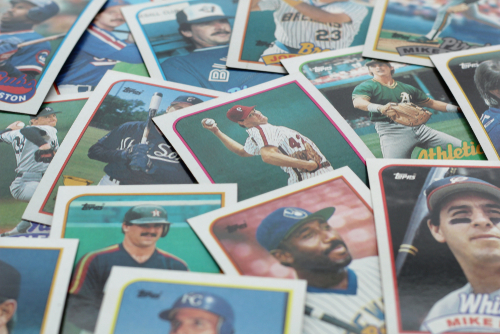
Beyond baseball, trading cards of all kinds gain value when misprinted. Pokémon cards with off-center borders or wrong artwork are prime examples. Some of these errors are incredibly rare and command huge resale prices. The mistake elevates them from collectible to legendary.
Collectors love these because they disrupt expectations. A misprint feels like a hidden gem in a pack of otherwise identical cards. Fans treasure the weirdness and uniqueness that comes with damage. For many, the flaw is the ultimate flex in a collection.
15. Furniture with Historic Wear
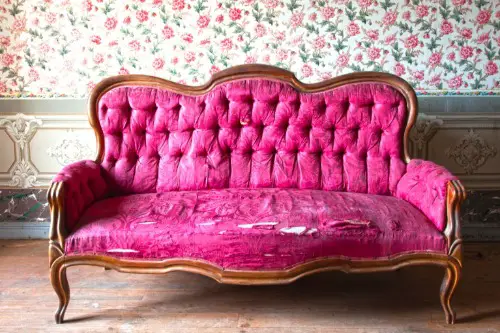
Antique furniture often gains value from visible wear and tear. Marks, scratches, and repairs show that the piece has lived through centuries of use. Collectors call this “patina,” and it’s highly sought after. Ironically, the very damage people once tried to fix is now what makes it valuable.
The reasoning comes down to authenticity and storytelling. Wear reflects history, character, and even craftsmanship. A perfectly restored piece may lose value compared to one with honest damage. In this case, imperfection is proof of a life well-lived.
This post 15 Collectibles That Only Increase in Value When Damaged was first published on Greenhouse Black.
