
1. Fuel Costs Add Up Fast
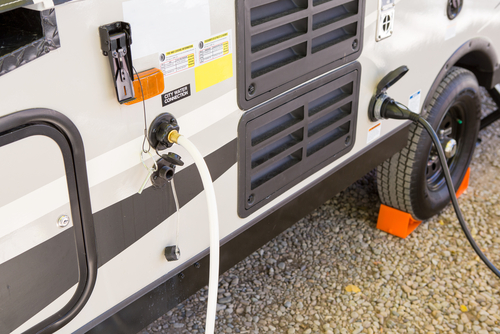
“Free” camping spots are rarely just off the highway. Many are tucked deep in national forests or far-flung desert roads, which means you’ll burn more gas getting there and back. Those long drives can easily cancel out what you save on campsite fees. For travelers in RVs or vans, that extra mileage can add up to hundreds of dollars over a few weeks.
And it’s not just the distance—it’s the terrain. Steep grades, unpaved roads, and detours can all eat away at your fuel efficiency. Even a short trip down a washboard road can mean guzzling an extra gallon or two. It’s a cost that sneaks up on even the most budget-savvy nomads.
2. Wear and Tear on Your Vehicle
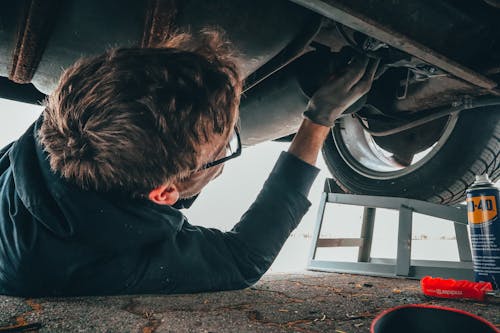
Rough backroads aren’t just tough on your nerves—they’re tough on your rig. Constant exposure to dust, rocks, and potholes can cause damage to your tires, suspension, and undercarriage. Free camping areas often lack proper maintenance, so you’re the one absorbing that cost later at the mechanic.
Even small repairs can turn into expensive headaches on the road. Think cracked windshields, bent rims, or busted shocks from those remote tracks. Travelers often underestimate how much off-grid exploring accelerates vehicle wear. Over time, the “free” spot may be the most expensive one you’ve ever visited.
3. Limited Access to Water
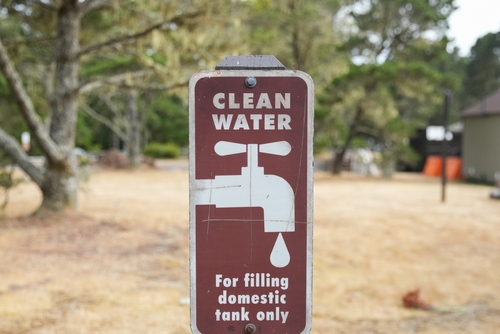
Free camping spots almost never have potable water sources. That means you’ll have to haul in every drop for drinking, cooking, and cleaning. For larger groups or long stays, refilling water tanks can mean extra trips into town or paying for fill stations. Those logistics can quickly eat up both time and money.
It’s also easy to underestimate how much water you’ll actually need. Even a minimalist camper goes through a few gallons a day. Factor in dishwashing, showers, and pets, and the math starts to shift. “Free” starts to look less free once you’re constantly chasing water sources.
4. Trash Disposal Challenges
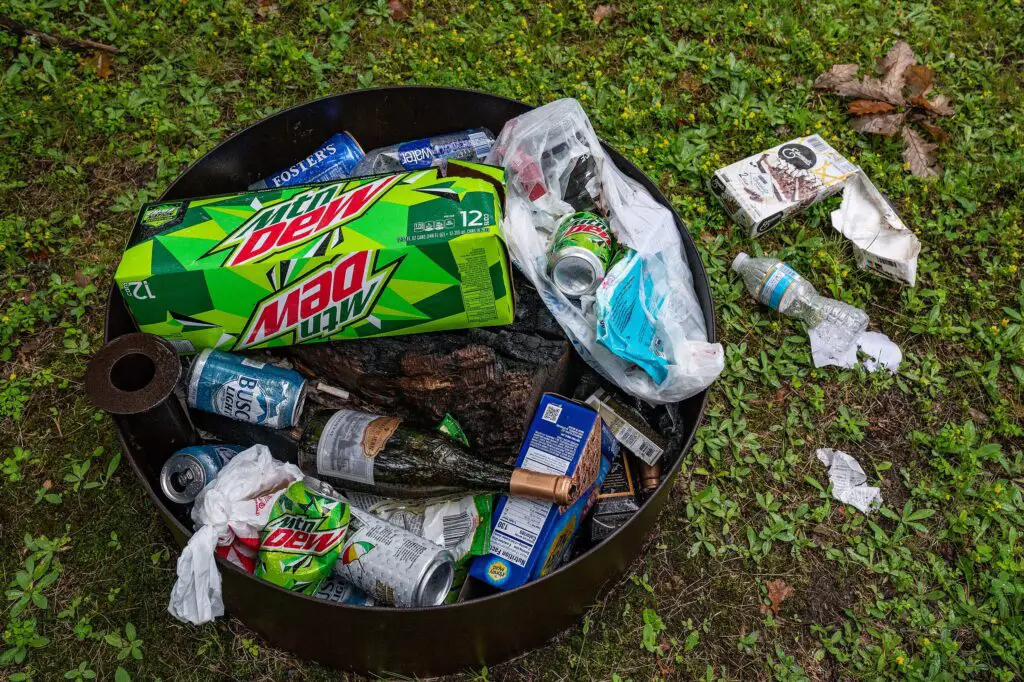
There’s no garbage service in most dispersed camping areas, which means what you pack in, you pack out. If you’re camping for several days, that can mean bags of waste piling up fast. Disposing of it responsibly often means finding a dump station or paying a disposal fee at a nearby campground. It’s not glamorous, but it’s necessary.
Ignoring this problem isn’t just unethical—it can attract wildlife and cause environmental harm. Even a few scraps of food can bring in bears, coyotes, or raccoons. Many campers are surprised to find that managing waste safely requires planning and, yes, a little spending. Mother Nature doesn’t provide free trash service.
5. Lack of Cell Service and Connectivity
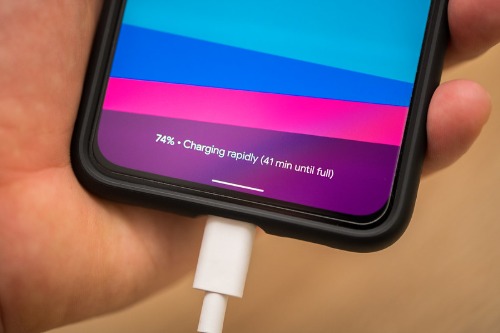
Remote “free” sites are beautiful but often come with zero bars of signal. That can make navigation, weather updates, or even emergency calls tricky. If you need to work remotely, you might have to invest in satellite internet or drive back to civilization regularly. Those detours can cost fuel and time you didn’t plan for.
And even if you don’t rely on your phone for work, it’s easy to underestimate how much you use it for everyday convenience. From finding trail maps to checking fire restrictions, you’ll miss that connectivity more than you think. Some campers buy signal boosters or satellite messengers just to bridge the gap. That’s another hidden line item on your “free” camping bill.
6. Firewood and Campfire Restrictions
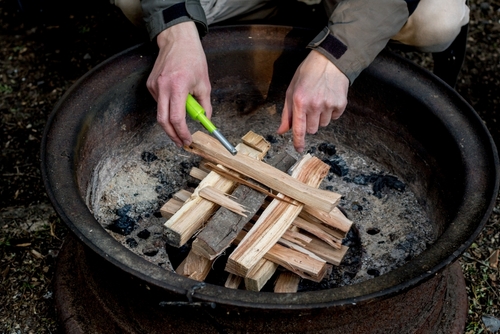
Most free campsites don’t provide fire pits or firewood. Gathering your own might sound romantic, but it’s often prohibited to protect the ecosystem. Buying bundles from nearby stores or gas stations adds up quickly, especially in popular outdoor areas. In some regions, wood prices have doubled in recent years due to drought restrictions.
Even when you do find affordable wood, campfire bans are increasingly common due to wildfire risk. That can mean relying on propane stoves or portable heaters instead, which also cost money to refill. The rustic campfire vibe isn’t always an option anymore. Sometimes the price of “free” camping is giving up the comforts you pictured.
7. Sanitation and Toilet Problems
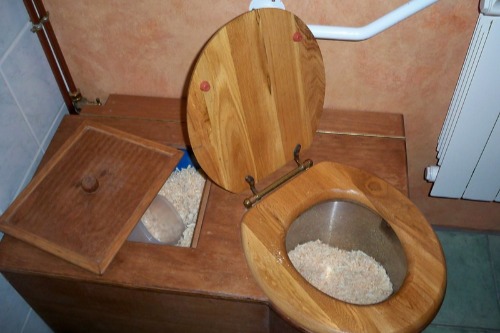
Dispersed camping areas rarely have toilets, and that’s where things get complicated. You’ll either need a portable toilet, a composting setup, or knowledge of how to properly dig a cat hole. All of that requires gear, supplies, and a willingness to manage your own waste. Portable toilet bags and dump fees can add up surprisingly fast.
Improper waste disposal isn’t just gross—it’s illegal in many areas. Land managers are increasingly cracking down on this issue because of contamination concerns. Even experienced campers sometimes get fined for not following the rules. What starts as a free night under the stars can end with a ticket you didn’t budget for.
8. Safety and Security Costs
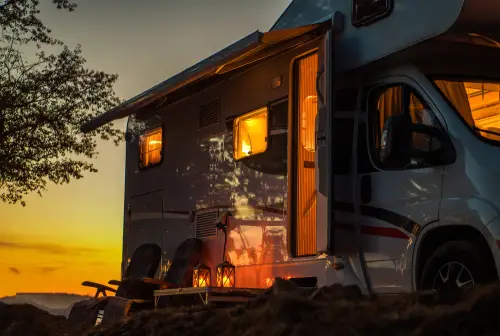
When you’re off-grid, there’s no camp host or ranger making rounds. That can make you more vulnerable to wildlife encounters or even petty theft. Many seasoned travelers invest in security gear like cameras, locks, or bear-proof containers. Those aren’t huge expenses individually, but together they can add up.
Peace of mind is priceless, but it’s not free. You might also spend extra on emergency supplies like first aid kits or satellite communicators. In remote areas, self-sufficiency isn’t optional—it’s survival. Safety is one of those hidden costs you don’t notice until it’s too late.
9. Weather-Related Wear and Risk
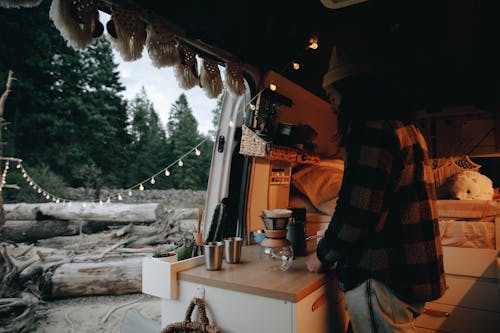
Free camping areas don’t offer shelters, paved pads, or drainage systems. That means your setup is at the mercy of the weather. Heavy rain can turn access roads into mud traps, and high winds can destroy awnings or tents. Recovering from that damage can cost a lot more than a campground fee.
Even if the weather doesn’t wreck your gear, exposure adds up over time. UV rays degrade tarps and seals, and fluctuating temperatures wear down batteries and electronics. It’s part of why seasoned travelers often rotate between paid and free spots—to give their equipment a break. The environment always collects its dues eventually.
10. Noise and Crowding Issues
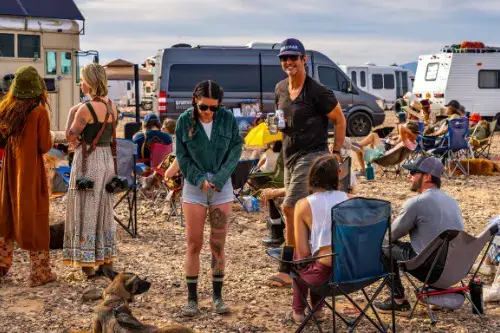
You might think free camping means solitude, but not always. Many popular boondocking areas attract large groups, generators, and loud parties. With no staff enforcing quiet hours, peace and quiet can be hard to find. Some campers end up leaving early or driving farther to escape the noise.
And with more people comes more wear on the land. Overused areas can be dusty, littered, and generally less pleasant to camp in. If you care about privacy or pristine conditions, you may need to scout multiple locations before settling in. That extra searching means more gas, more time, and more frustration.
11. Limited Access to Medical Help
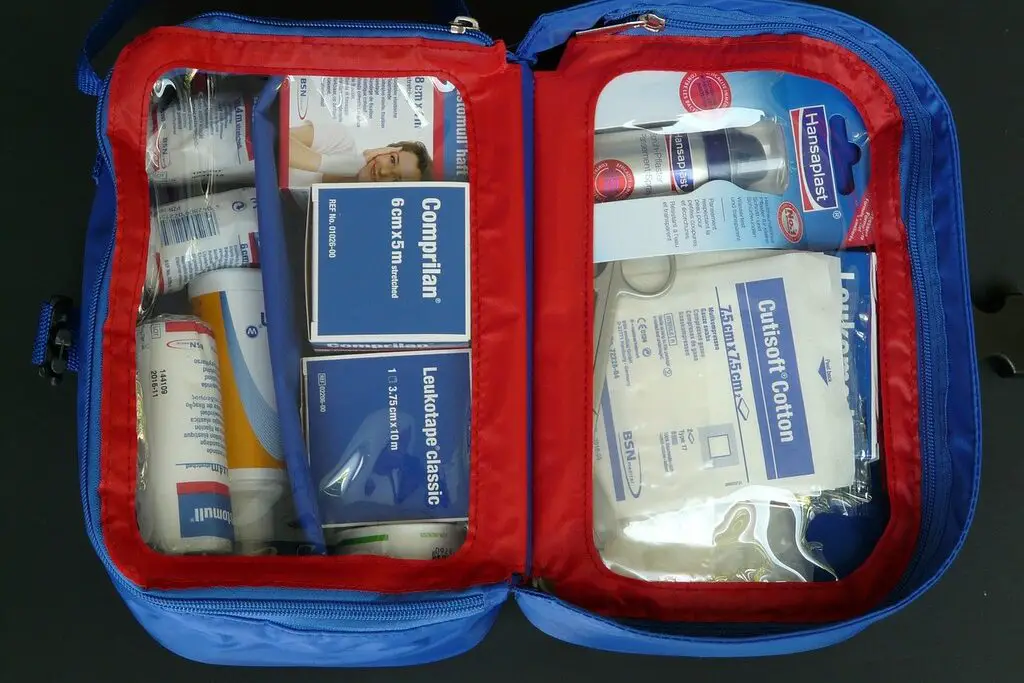
When you’re camping in the middle of nowhere, even a small injury can become serious. Cuts, burns, or allergic reactions all require fast attention—and “fast” doesn’t always exist off-grid. You might have to drive an hour or more to the nearest urgent care or pharmacy. That’s assuming your vehicle can handle it and you have cell service to navigate.
Many travelers pack full first-aid kits or even take wilderness medical courses to be prepared. Those are smart investments, but they’re also costs. If you’re traveling with kids or pets, the stakes (and expenses) go up even higher. Free camping means taking on more personal responsibility for your health and safety.
12. Time and Planning Overhead
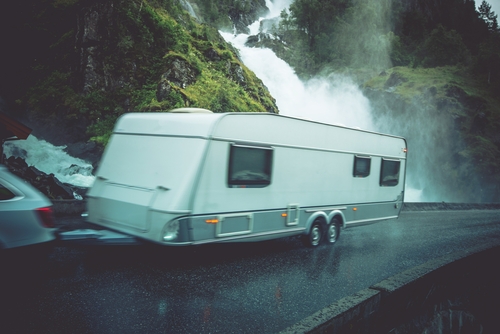
Free camping sounds spontaneous, but it often requires a lot of research. You’ll need to scout legal locations, check stay limits, and monitor road conditions. Apps and maps help, but finding a safe, accessible site still takes time—and sometimes trial and error. That effort adds up, especially when you’re tired from driving all day.
There’s also the mental cost of uncertainty. Paid campgrounds offer predictability—free sites don’t. Sometimes you’ll arrive and find the spot already taken, washed out, or inaccessible. That constant planning and replanning is its own kind of expense that even experienced travelers feel.
This post 12 Hidden Costs of “Free Camping” That Shock Even Experienced Travelers was first published on Greenhouse Black.
