
1. Excessive or Jarring Patterns
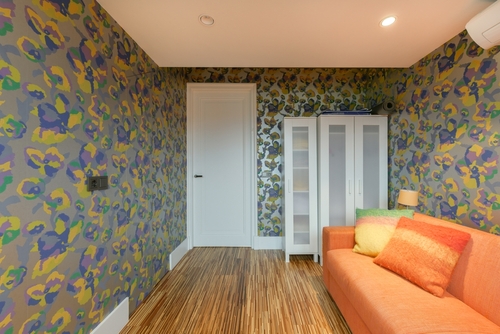
Overwhelming wallpaper, busy rugs, or clashing prints can make a room feel chaotic. Guests may experience visual fatigue or irritation without realizing the cause. Too much visual stimulation triggers subtle stress responses, affecting mood and comfort. It’s a classic example of something that registers subconsciously.
Balanced patterns with neutral tones and texture variety are far more welcoming. They create interest without overstimulating the senses. Small accents can provide personality while maintaining a calming visual rhythm. Guests feel comfortable and can focus on conversation rather than constant sensory input.
2. Excessive Scenting

Overpowering candles, air fresheners, or essential oil diffusers can leave a lasting impression—but not a good one. Strong artificial scents often trigger subconscious irritation or even mild headaches. Guests might find themselves scanning for the source while feeling subtly uncomfortable. It’s the olfactory equivalent of someone talking too loudly in your ear.
A hint of fragrance can be pleasant, but too much screams overcompensation. It can suggest that the home isn’t clean without the scent, even if it is spotless. Natural, subtle aromas like freshly baked bread or a lightly scented candle usually feel warmer. These signals are far more comforting and inviting than chemical overpowering.
3. Odd Lighting Levels
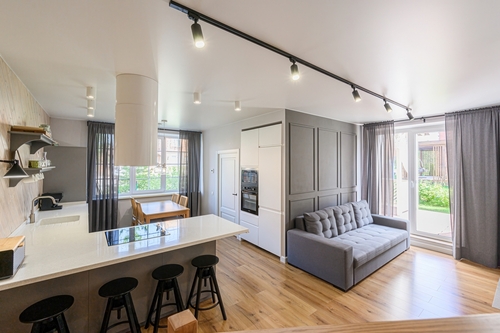
Lighting that is either too dim or unnaturally harsh can make a space unsettling. Low light can make rooms feel shadowy and mysterious, triggering a subtle sense of threat. On the other hand, fluorescent bulbs or glaring overhead lights can feel cold and clinical. Guests might not consciously notice it, but their bodies respond to the environment.
Warm, balanced lighting creates a welcoming atmosphere and reduces tension. People naturally feel more comfortable when they can see each other clearly without strain. Layered lighting—lamps, sconces, and soft overheads—feels approachable and safe. It signals that the host has thought about comfort rather than just aesthetics.
4. Awkward Furniture Proximity
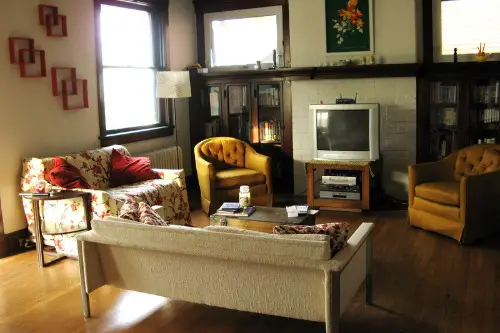
When chairs and couches are either too far apart or crammed together, it interferes with natural social interaction. Guests may unconsciously lean awkwardly or struggle to maintain personal space. This can create a subtle sense of unease or tension during conversation. People pick up on spatial discomfort even if they can’t articulate it.
Furniture that facilitates casual conversation signals inclusivity and ease. Guests feel more welcome when they can sit naturally without worrying about invading someone’s personal bubble. Proper spacing also encourages eye contact and relaxed postures. Small adjustments like angling chairs slightly can make a big difference in comfort.
5. Excessive Clutter or Obvious Hoarding

Spaces filled with too many objects can overwhelm guests, even if they’re visually interesting. The brain subconsciously interprets clutter as chaos, which can increase stress. Visitors may feel trapped in a visual mess without realizing why. The effect is a tension that undermines a welcoming atmosphere.
Minimalism doesn’t mean emptiness, but too much accumulation can feel oppressive. Guests may constantly scan the room, evaluating the space instead of relaxing. Organized, intentional displays communicate thoughtfulness and calm. This allows visitors to focus on the interaction rather than the environment.
6. Too Many Mirrors
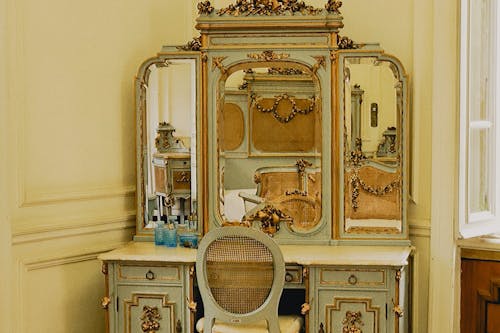
A room filled with mirrors might seem stylish, but it can create a subtle sense of surveillance. Guests may feel like they’re constantly being watched or scrutinized. This can trigger unconscious discomfort and even mild paranoia. Human brains are wired to detect observation cues, and mirrors exaggerate that effect.
One or two well-placed mirrors can enhance space and light, but excess reflection is disorienting. It can make people feel self-conscious about movements or posture. Strategically positioned mirrors that avoid direct lines of sight with seating areas feel less intrusive. They contribute to an open, airy feel without triggering tension.
7. Overly Strong Thematic Decor
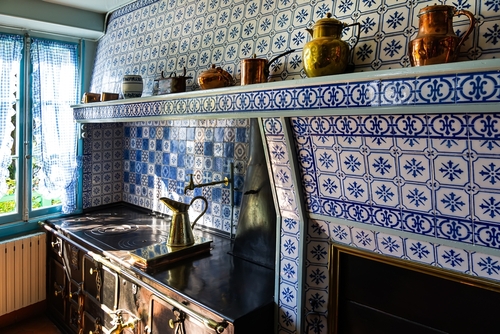
A room decorated around a single, dominant theme—like jungle, nautical, or Victorian—can overwhelm visitors. Guests might feel like they’re in someone else’s fantasy rather than a shared, welcoming space. Extreme themes can unconsciously signal that you expect them to “buy in” to your aesthetic. It can create subtle pressure to respond in kind or compliment excessively.
A hint of personality is inviting, but balance is key. Mixed, curated touches communicate character without dictating how visitors should feel. Neutral backdrops with accent pieces are easier for guests to navigate emotionally. This allows them to relax and enjoy the environment instead of being subtly judged.
8. Hidden Hazards or Trip Risks
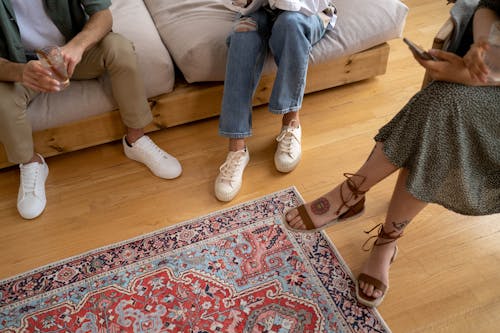
Small things like loose rugs, uneven floorboards, or overly tight spaces can make people feel on edge. Even if nothing happens, the anticipation of danger triggers tension. Guests may unconsciously tiptoe or walk cautiously, signaling stress without knowing why. Safety cues are a critical, often overlooked part of comfort.
Subtle design choices can prevent this unease. Clearly defined pathways and secure furnishings reduce subconscious worry. A comfortable home is as much about safety as it is about aesthetics. Guests feel free to move naturally and focus on the social experience.
9. Overly Personalized or Intimate Photos
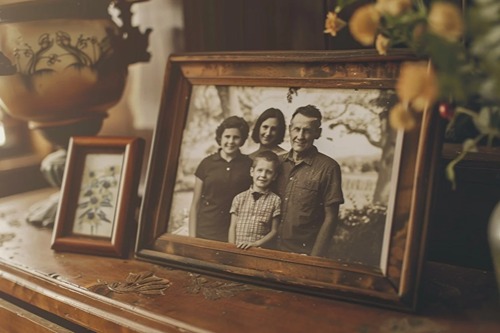
Walls covered with personal or intimate photos can create awkwardness for visitors. People might feel like they’re intruding on someone else’s private world. Even if the photos are harmless, they can evoke a subtle sense of judgment or comparison. Guests may be unconsciously analyzing themselves in contrast to your curated life.
Limiting personal imagery to a few meaningful pieces avoids this tension. Art or neutral photography can convey warmth without overexposing your life story. This approach invites guests to focus on shared experiences rather than feeling like outsiders. Personal touches should feel inclusive, not invasive.
10. Uncomfortable or Rigid Seating
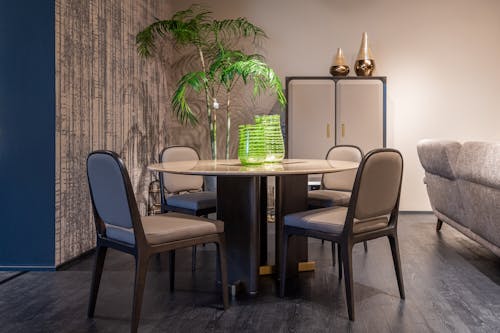
Chairs that are too stiff, low, or otherwise physically uncomfortable immediately impact mood. Guests will subtly shift, fidget, or avoid sitting altogether, signaling unease. Physical discomfort translates to social discomfort, even if the room is visually appealing. People can sense tension in posture and movement, creating a ripple effect.
Comfortable seating encourages guests to relax and linger. Soft cushions, supportive backs, and ergonomic design signal hospitality. Small additions like throw pillows or blankets make seating approachable. It communicates that their presence is valued beyond aesthetics.
11. Awkward Temperature Control

Rooms that are consistently too hot, too cold, or filled with sudden drafts create subtle irritation. Guests may struggle to focus on conversation while their bodies respond to discomfort. Extreme or inconsistent temperatures can even affect mood unconsciously. You don’t notice it consciously, but your body certainly does.
A stable, comfortable temperature is one of the easiest ways to make visitors feel at home. Small touches like a ceiling fan, thermostat control, or extra blankets communicate thoughtfulness. Moderate climate control avoids the distraction of physical discomfort. Guests can enjoy your company rather than battling the environment.
12. Overly Perfect Furniture Arrangement

When every piece of furniture seems immaculately aligned and untouched, it can make guests feel like they’re walking on eggshells. People naturally gravitate toward spaces that feel lived-in, and overly rigid layouts give off a sterile vibe. Guests might unconsciously worry about touching anything out of place, which creates tension. The subtle pressure of having to “perform” in someone else’s home is surprisingly stressful.
Even if it’s aesthetically pleasing, too-perfect arrangements can remove the cozy, approachable energy that makes visitors feel welcome. Humans are wired to feel at ease in spaces that show signs of life. Slight disarray, like a slightly askew pillow or a casually draped throw, signals comfort. It reassures guests that they can relax without fear of judgment.
This post 12 Subtle Home Details That Make Guests Feel Uncomfortable Without Knowing Why was first published on Greenhouse Black.
