
1. Hand Embroidery
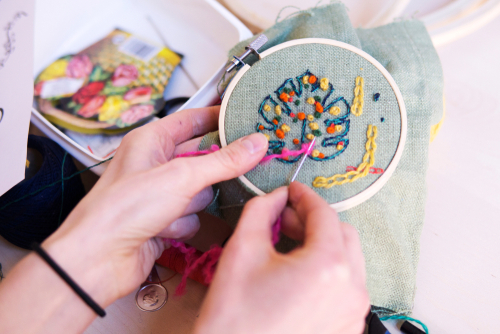
Hand embroidery has made a huge comeback thanks to the rise of personalized fashion and home décor. Etsy and Instagram are full of small businesses selling embroidered jackets, wall hoops, and wedding gifts. What once seemed like a slow, old-fashioned hobby now fetches premium prices for unique designs. Many crafters earn hundreds per month just taking custom commissions from social media followers.
Learning embroidery doesn’t require much startup cost—just thread, fabric, and a hoop. The personal touch and handmade detail make it appealing in a world of mass-produced goods. Embroidered initials or floral designs can sell for $30 to $150 depending on size and intricacy. It’s a perfect blend of creativity, mindfulness, and extra cash.
2. Woodworking
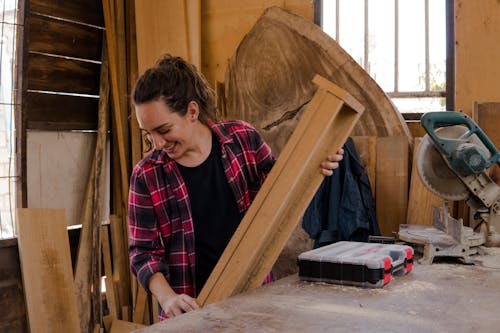
Woodworking has transformed from a grandpa hobby into a profitable side business for modern makers. Demand for bespoke furniture and sustainable home décor has skyrocketed. Even small handmade items like cutting boards, shelves, and toy blocks sell well at local markets or online. With good craftsmanship and patience, woodworkers can charge premium prices for simple, beautiful pieces.
A lot of buyers now prefer heirloom-quality, locally made furniture over flat-pack alternatives. This shift means people are willing to pay for quality over convenience. Many weekend woodworkers now supplement their income by taking custom orders or restoring vintage furniture. The only real investment is in tools—and time to build skill and reputation.
3. Sourdough Baking
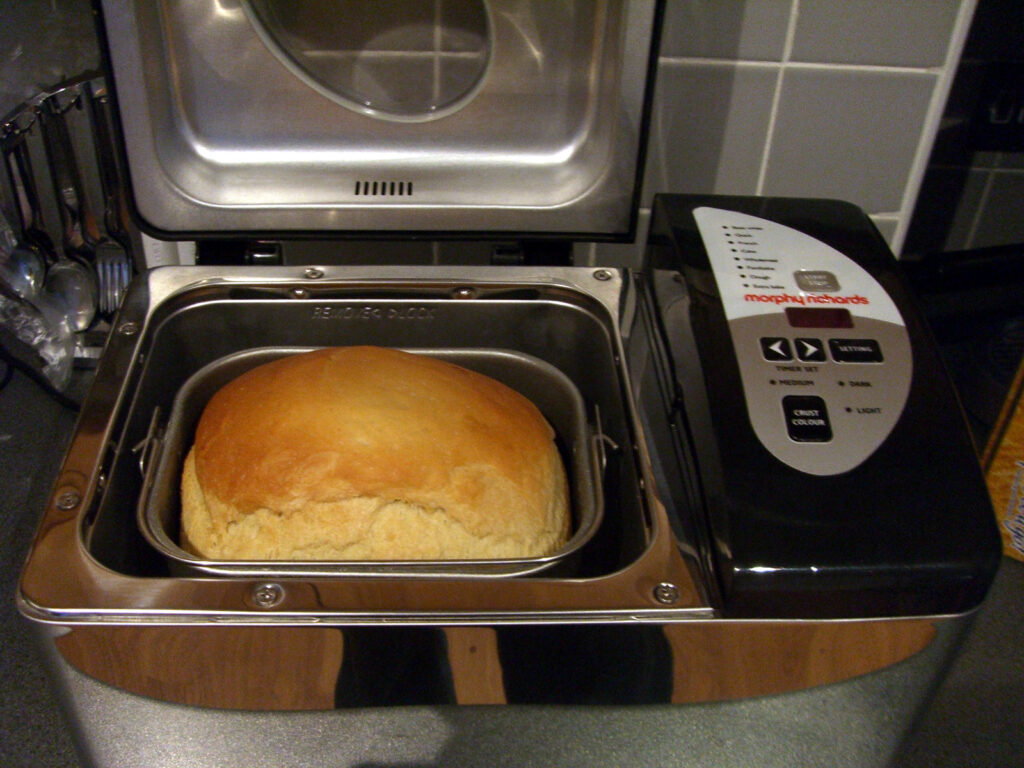
Baking bread from scratch, especially sourdough, became a viral obsession during the pandemic—and it’s still going strong. Artisanal bread now sells for $8–$15 a loaf at farmers’ markets and boutique bakeries. Home bakers with steady clients or neighborhood delivery services often find themselves booked out weeks in advance. The appeal is clear: natural ingredients, old-world technique, and that unmistakable tang.
Sourdough requires patience and practice, but once mastered, it’s highly marketable. People crave authenticity and healthier alternatives to processed foods. With good branding and local word-of-mouth, a baker can easily turn a home kitchen into a micro-bakery. Add in workshops or online classes, and the income potential multiplies.
4. Candle Making
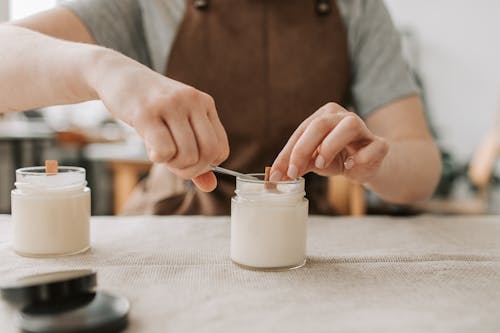
Hand-poured candles are another timeless craft turned business trend. The global candle market is worth billions, fueled by consumers looking for sustainable, artisanal options. Small makers can carve a niche with custom scents, recycled containers, or themed collections. Scented candles sell for $15–$40 each, often with profit margins above 50%.
Many people love buying handmade candles because they feel more personal and eco-conscious than mass-market brands. Makers often start small—selling through Etsy, local fairs, or subscription boxes. Once customers find a favorite scent, they’re loyal repeat buyers. It’s a cozy skill that literally pays to burn.
5. Sewing and Alterations
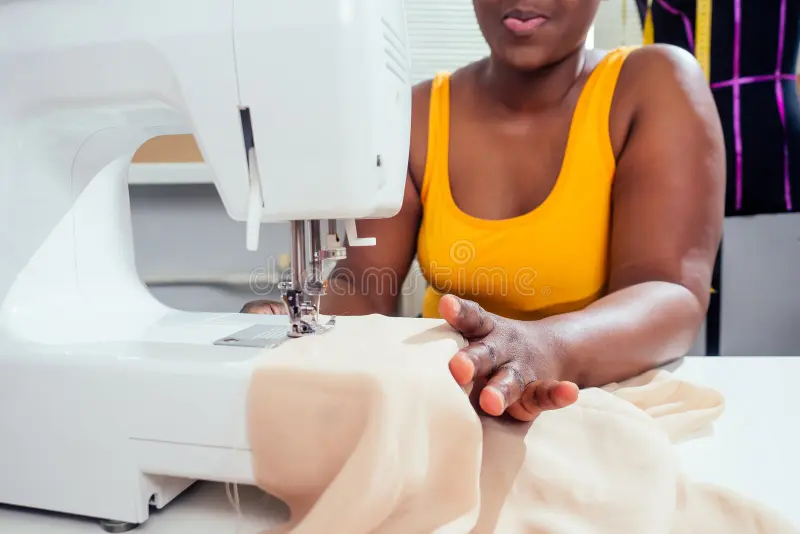
While fast fashion dominates, skilled sewing has quietly become lucrative again. People now want clothes that fit well, last longer, or have personal flair. Tailors and seamstresses can charge $20–$100 per job depending on complexity. Some even build full-time side hustles specializing in upcycling or bridal alterations.
The revival of slow fashion has made repair and customization trendy. Even simple hemming or patchwork brings steady work. With just a sewing machine and a few good reviews, it’s easy to build a loyal client base. Plus, sewing for others often leads to creative projects of your own.
6. Calligraphy

Modern calligraphy has turned handwritten elegance into a full-fledged income stream. It’s especially popular for weddings, events, and branding materials. Calligraphers earn anywhere from $3 per envelope to hundreds for full invitation suites. The timeless beauty of script has become a luxury detail people gladly pay for.
Beyond paper goods, many artists now branch into signage, murals, and digital designs. Social media has made showcasing calligraphy work easy and highly visual. It’s one of those skills that combines artistry and relaxation while generating income. With practice and style, your handwriting could quite literally pay the bills.
7. Leatherworking
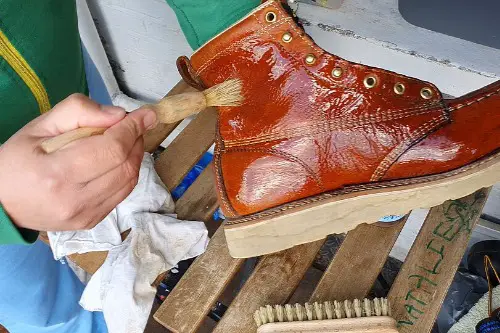
Crafting with leather used to be a rugged trade, but it’s now a stylish small business niche. Handmade wallets, belts, and journals are selling fast as people seek durable, minimalist goods. A well-made leather accessory can fetch $50 to $300, depending on craftsmanship. Many crafters start with kits and simple tools, growing their expertise over time.
The appeal lies in quality and sustainability—buyers want products that last for years. Leatherworkers can stand out with personalized embossing or custom designs. Tutorials and online communities make it easy to learn the basics. Once you’ve built a few prototypes, local boutiques or Etsy can become your shop window.
8. Soap Making
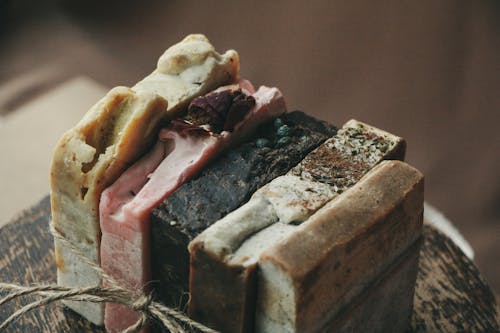
Handcrafted soap has gone from humble necessity to luxury product. Consumers love natural ingredients, creative scents, and eco-friendly packaging. A single bar of artisanal soap can sell for $5–$10, especially when labeled organic or small-batch. With low materials cost, soap making has excellent profit margins.
It’s also fun and endlessly customizable—you can experiment with colors, molds, and essential oils. Crafters often sell soaps at markets, gift shops, or through subscription boxes. As more people focus on wellness and self-care, unique soaps are in steady demand. It’s chemistry, creativity, and commerce rolled into one bar.
9. Knitting and Crocheting
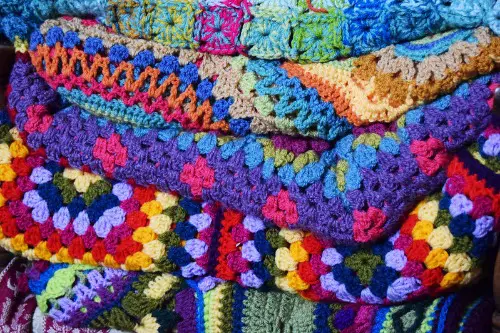
Knitting and crocheting are no longer just grandma’s pastime—they’re trendy again. Handmade scarves, sweaters, and blankets fetch good prices, especially when made with natural fibers. Platforms like Etsy and Instagram make it easy to find customers seeking cozy, one-of-a-kind pieces. Many crafters also sell digital patterns to reach a global audience.
This skill has enduring charm because it’s both meditative and productive. Knitters who focus on eco-friendly or minimalist styles stand out in the market. The barrier to entry is low, and the creative potential is endless. If you can stitch consistently and keep up with trends, you can stitch together a solid side income.
10. Pottery
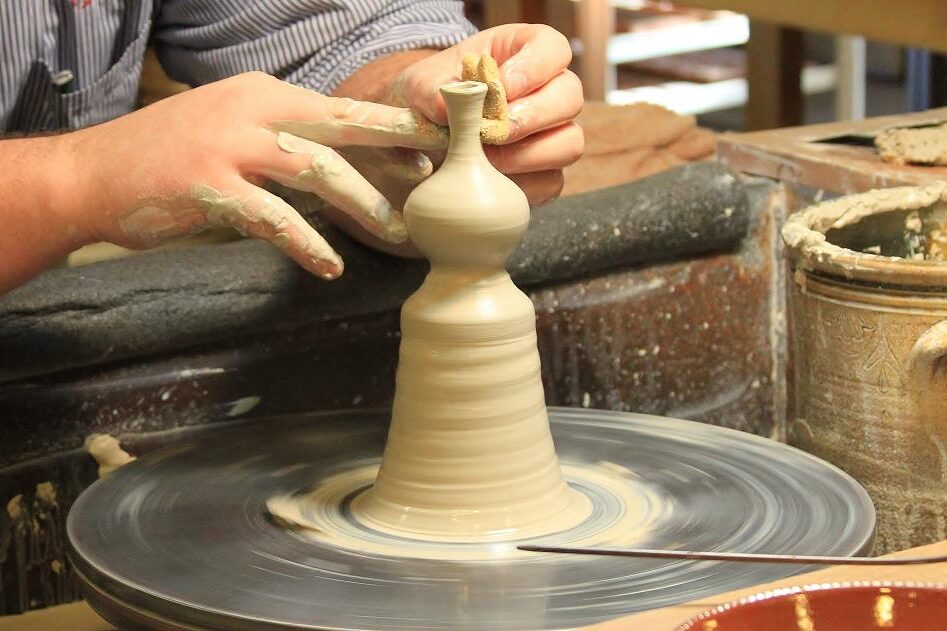
Pottery studios are popping up everywhere as more people crave tactile, handmade goods. Functional pieces like mugs and bowls are especially popular—people love items with character. Experienced potters often sell pieces for $30–$100 each or more at art fairs. Even beginners can profit once they master glazing and kiln techniques.
The hands-on nature of pottery makes it deeply satisfying and marketable. There’s growing appreciation for imperfect, wabi-sabi aesthetics that celebrate craftsmanship. Many potters also teach workshops or offer studio memberships to boost income. It’s messy, mindful, and monetizable.
11. Fermenting and Canning

Preserving food the old-fashioned way has become surprisingly profitable. Homemade pickles, jams, and fermented goods are hot sellers at local markets. Many consumers trust small-batch makers over big brands for quality and flavor. A jar that costs a few dollars to make can sell for triple that price.
Fermenting appeals to people seeking gut health benefits and nostalgia. With just a few jars and recipes, you can start small from your own kitchen. Once you master flavor balance and branding, you can build a recognizable product line. It’s a delicious way to connect tradition with modern tastes.
12. Gardening and Seed Saving
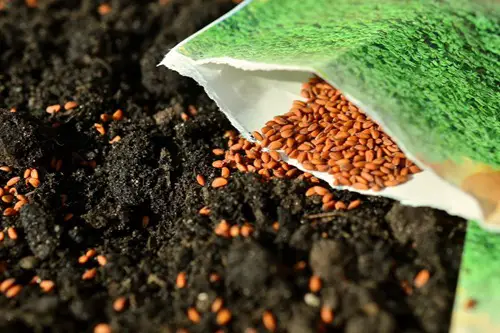
The resurgence of home gardening has created demand for local seeds and organic produce. Seed savers and plant sellers can earn solid side income through markets or online exchanges. Rare or heirloom varieties fetch premium prices from enthusiasts. Even urban gardeners are cashing in with microgreens or herb kits.
The appeal lies in sustainability and self-sufficiency—values many consumers now prioritize. Sharing or selling excess harvests helps offset costs and build community. Workshops on composting or balcony gardening can also generate income. It’s a nurturing skill that pays in both cash and satisfaction.
13. Blacksmithing
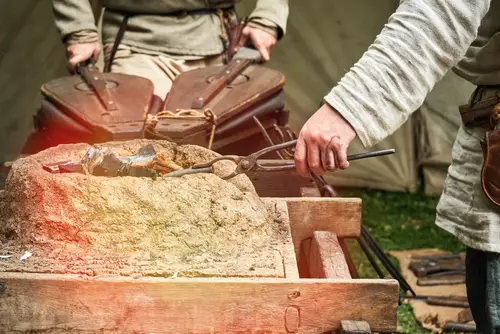
While it sounds ancient, blacksmithing has evolved into a creative and profitable trade. Custom metal tools, knives, and décor items sell well to collectors and outdoor enthusiasts. Skilled blacksmiths can charge hundreds for hand-forged pieces with unique designs. Makers often supplement sales with classes or demonstrations.
It’s also one of the few crafts that merges artistry with engineering. Modern tools make it easier to get started safely at home. Interest in traditional trades and historical reenactments has revived blacksmithing culture. For those who love working with fire and metal, it’s a bold path to income.
14. Quilting
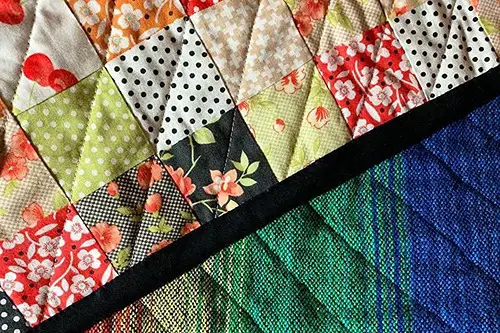
Quilting combines storytelling, craftsmanship, and comfort—and it’s earning creators real money. Handmade quilts can sell for hundreds or even thousands of dollars depending on complexity. Many quilters now offer custom memory quilts made from clothing or event fabrics. It’s both sentimental and sustainable, appealing to a wide audience.
This once-sleepy craft now thrives online with digital pattern sales and YouTube tutorials. Quilters often supplement income through workshops or fabric collaborations. The key is blending traditional methods with modern aesthetics. Each piece carries warmth, history, and a personal touch that buyers cherish.
This post 14 Old-Fashioned Skills That Suddenly Earn Serious Side Income was first published on Greenhouse Black.
