
1. Adding Extra Propane Tanks
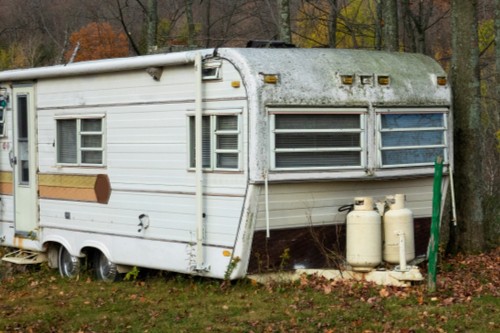
Many RV owners think more propane equals more convenience, but stacking extra tanks can land you in trouble. Federal and state fire codes limit how much propane you can legally transport on highways, often capping it at 20 pounds per container. Exceeding that or failing to mount tanks properly can violate DOT regulations and create a serious fire hazard. Even if you never have an accident, a highway patrol inspection could result in fines.
It’s not just about quantity—it’s also about placement and labeling. Tanks must be certified, secured with approved brackets, and inspected periodically. Some DIY setups use old grill tanks or attach them with bungee cords, which won’t pass safety standards. Before upgrading your propane supply, check the label and the local rules for your travel route.
2. Modifying the Exhaust System

It’s tempting to upgrade your RV’s exhaust for more power or that “diesel rumble,” but emissions laws are strict. The EPA and many states prohibit removing or tampering with catalytic converters and DPF filters. Even replacing them with “performance” versions that alter emissions output can violate federal law. Some RVers get caught during routine inspections or while crossing state lines where emissions testing is enforced.
Noise regulations are another issue—especially in campgrounds and residential zones. Oversized mufflers or straight pipes can exceed local decibel limits, leading to tickets or eviction from parks. A loud exhaust might sound cool in the desert but earns you a fine in suburbia. Stick with EPA-approved exhaust systems designed for your specific engine.
3. Homemade Hitch Extensions

Adding a longer hitch might seem like a smart way to carry bikes or a cargo rack, but it’s one of the most common mistakes RVers make. Unapproved extensions can change the weight distribution and towing geometry, voiding warranties and violating vehicle code requirements. If your hitch or tow rating isn’t certified for the added leverage, it could be deemed unsafe. In many states, it’s illegal to modify a hitch assembly without a manufacturer’s certification.
Beyond legality, it’s a major safety concern. A longer hitch can cause swaying, reduced braking efficiency, and even trailer detachment. Law enforcement and insurance adjusters both check for this after accidents. The fix? Use manufacturer-approved extensions rated for your load and have them professionally installed.
4. Over-the-Top LED Light Bars
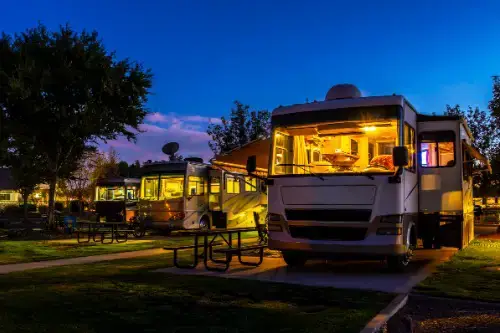
Blinding light bars look great on Instagram, but they can get you stopped in a heartbeat. Many states restrict how many auxiliary lights can be visible from the front of a vehicle, and some require covers while driving on public roads. Those high-intensity LEDs may exceed the legal brightness limits or color restrictions, especially if they’re blue or red tinted. Highway patrol officers are trained to spot these instantly.
It’s not that you can’t have extra lighting—you just need to use it responsibly. Off-road light bars are fine when you’re boondocking, but they must be turned off or covered on highways. Mounting them too high or at the wrong angle can also blind oncoming drivers. When in doubt, check state motor vehicle codes about “auxiliary lighting equipment.”
5. Removing Safety Labels or Placards
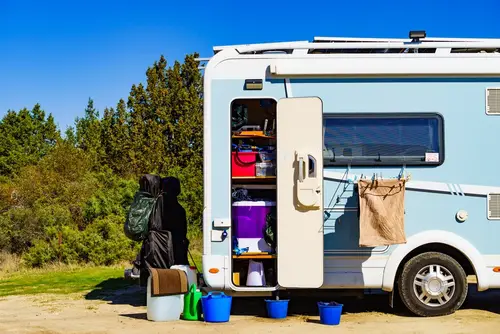
That yellow sticker near your RV door listing weights and pressures isn’t just decoration—it’s required by law. Federal regulations mandate that RVs display specific safety information, including cargo capacity, tire pressure, and load limits. If you repaint or remodel and remove or cover those placards, you can technically violate vehicle labeling laws. Some inspection stations won’t even register your RV without visible, intact labels.
It’s a small detail that can cause big headaches later. If you replace the panel or repaint, make sure to order replacement placards from the manufacturer. They’re tied to your VIN, and missing ones can delay title transfers or resales. Keeping them visible is not just smart—it’s legally required.
6. Installing a Residential Toilet or Plumbing System

Swapping your cassette or RV toilet for a household version sounds like a comfort upgrade, but it can breach sanitation codes. RV plumbing systems are designed for mobile use and sealed to prevent leaks and fumes. Residential fixtures often exceed RV weight limits and connect to incompatible venting or drainage systems. That can lead to greywater leaks or sewage discharge violations.
Some states have specific RV sanitation regulations, especially if you dump waste at public facilities. If inspectors discover an unapproved plumbing setup, you could be fined or even denied campground access. It’s better to stick with RV-rated fixtures that meet ANSI and NFPA standards. Comfort upgrades are great—just make sure they don’t create compliance problems.
7. Tinted Windshields and Windows

Dark tints might look sleek and offer privacy, but they’re often too dark for the law. Federal standards limit front windshield tinting to the top few inches, and most states have strict VLT (Visible Light Transmission) limits for side windows. RV owners sometimes use aftermarket film that blocks too much light, making it illegal for road use. You might not get pulled over immediately, but an inspection or accident can bring it to light—literally.
Visibility and safety are the reasons behind these rules. Excessive tint can obscure the driver’s view or prevent police from seeing inside during a stop. If your tint exceeds 35–70% light transmission depending on the state, you’re likely in violation. Stick to factory-approved or state-certified films, and keep receipts showing compliance.
8. Custom License Plate Frames or Covers
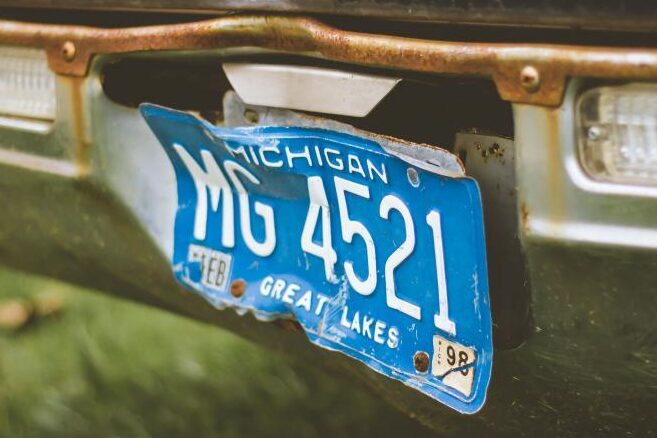
That shiny chrome plate frame with LED lights might look fun, but it can be illegal in many places. Anything that obscures numbers, letters, or state names on a license plate violates traffic laws. Even tinted covers meant to protect from fading can be considered obstruction. Automated cameras often can’t read them, and that’s enough for a citation.
It’s an easy mistake to make, especially since many RV supply stores still sell these. Some states also prohibit plate lights that flash, pulse, or glow in colors other than white. Law enforcement takes visibility seriously for toll and red-light camera systems. If you want style, go for a plain frame that leaves the entire plate visible.
9. Adding Homemade Solar or Electrical Systems
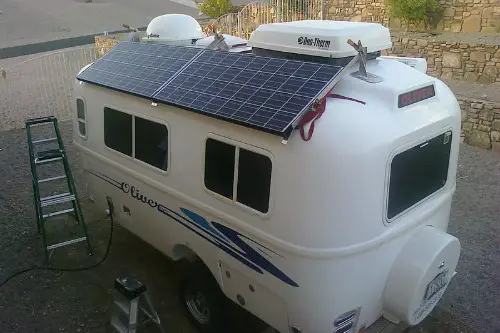
Installing your own solar panels feels empowering, but electrical codes apply here too. Improper wiring or overloading the inverter can violate National Electrical Code (NEC) Article 551, which covers RV electrical systems. Homemade setups often skip the required circuit protection or bonding, creating fire risks. Many campgrounds now require certified electrical inspections before allowing long-term hookups.
Beyond safety, insurance companies may refuse coverage if the system wasn’t installed to code. Inspectors look for UL-listed components and proper labeling. If your RV catches fire due to unapproved wiring, you could face both financial and legal trouble. Always use a certified RV electrician for any major electrical modification.
10. DIY Roof Decks and Railings
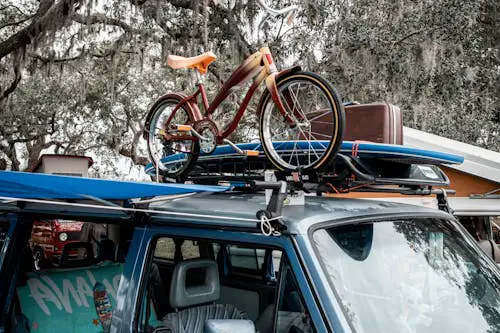
It’s become trendy to turn RV roofs into hangout decks, but that can easily cross into illegal territory. Most RV roofs aren’t rated for human weight beyond maintenance access, and adding a deck can exceed the manufacturer’s structural limits. If you alter the roofline or install permanent railings, you might also change the vehicle’s classification or violate height limits. Some states cap vehicle height at 13.5 feet—and a deck can push you past that.
Liability is another big issue. If someone falls from your DIY deck, insurance might not cover it since it’s an unapproved modification. It can also void your RV warranty. If you really want rooftop space, look for aftermarket kits that are safety-rated and compliant with FMVSS and RVIA standards.
11. Replacing Seats Without DOT-Approved Belts
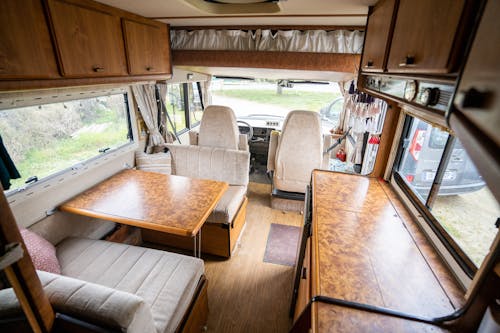
Swapping those dated RV seats for plush recliners sounds luxurious, but if the new seats lack DOT-approved restraints, it’s illegal. Seat belts in motorhomes must meet federal safety standards for strength and placement. If you remove or modify mounting points, you’re technically removing a certified safety system. Even if it looks sturdy, it won’t pass inspection or protect you in a crash.
Passengers are especially at risk because seat locations in RVs are regulated for restraint access. A lot of DIY remodelers unknowingly violate these laws when converting living spaces. Always ensure replacement seats have integrated or compatible belt mounts tested for motor vehicle use. Comfort shouldn’t come at the cost of safety—or legality.
12. Painting Over Reflectors and Marker Lights

When giving your RV a fresh paint job, it’s easy to overlook those little red and amber reflectors. But those markers are federally required under FMVSS 108 to ensure visibility at night. Painting over or removing them can make your RV noncompliant and unsafe. If you’re pulled over or involved in an accident, that’s an easy violation for authorities to cite.
Even aftermarket body kits or wrap jobs can accidentally obscure these lights. Reflectors and markers must remain visible from specific angles and distances. The easiest fix is to mask them off during painting or replace them with compliant LED versions afterward. It’s a small detail that keeps you legal and other drivers safe.
13. Expanding Slide-Outs Beyond Factory Specs
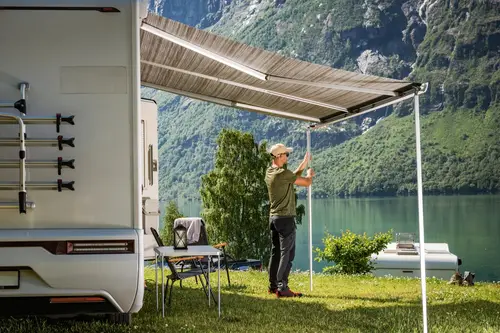
Many RV enthusiasts dream of more space, so some modify slide-outs beyond the factory’s design. Extending or altering a slide mechanism can change the vehicle’s closed dimensions and may violate state width and equipment regulations. A slide modified to sit wider or lock differently might also bypass structural reinforcements the manufacturer counted on. If an officer or inspector measures your rig and finds it exceeds legal limits, you can face fines and be required to restore the original specs.
Beyond dimensional rules, unauthorized slide changes often void the manufacturer’s crash and roof-load warranties. Improper seals or altered slide angles increase the risk of water intrusion, which can lead to rot and electrical shorts that cause safety inspections to fail. Insurance companies may deny claims if a post-accident investigation shows an unapproved slide modification contributed to the loss. Always use factory-approved kits or have a certified RV technician perform alterations and document the work to avoid legal and financial exposure.
14. Blocking Emergency Egress Windows

Emergency egress windows are legally required in many RV sleeping areas for quick escape during fires or rollovers. Covering them with cabinetry, heavy curtains, or permanent shelving can render them unusable and violate building and vehicle safety codes. During inspections or after an incident, blocked egress points are an obvious violation that can trigger citations or denial of campground access. Owners often underestimate how strictly inspectors enforce means-of-egress rules because they directly affect occupant survival.
Even cosmetic changes that make an egress window harder to open—sticky paint, glued trim, or custom screens—can count as tampering. Fire marshals and state vehicle inspectors look for unobstructed, labeled exits and may require removal of any barriers on the spot. If an escape route is unreachable during an emergency, liability for resulting injuries can transfer to the owner or modifier. Keep egress paths clear, label them clearly, and verify modifications with local codes or an RVIA-certified inspector.
15. Unauthorized Fuel System Modifications
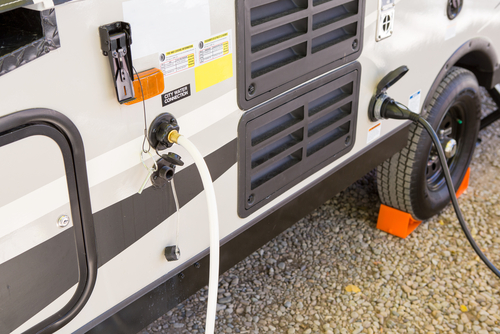
Adding auxiliary fuel tanks, relocating the filler neck, or otherwise modifying the fuel system is a common DIY project that raises serious legal flags. Fuel system changes can violate federal hazardous materials and state vehicle codes if tanks are not certified, vented correctly, and properly baffled. An improperly mounted tank or incorrect filler placement increases spill risk and can lead to citations during safety inspections or weigh-station checks. Because fuel leaks endanger lives and the environment, regulators treat these alterations much more harshly than cosmetic mods.
Insurance companies also scrutinize fuel modifications and may refuse coverage if a fire or spill is traced to an unapproved tank. Additionally, refueling infrastructure and fuel delivery laws vary by state and crossing borders with nonstandard tanks can result in fines or confiscation. Have certified professionals install any ancillary tanks and retain all certification paperwork and component labels to prove compliance. When in doubt, choose manufacturer-approved options or commercially certified auxiliary fuel systems designed for vehicular use.
16. Non-Certified Generator and Inverter Swaps
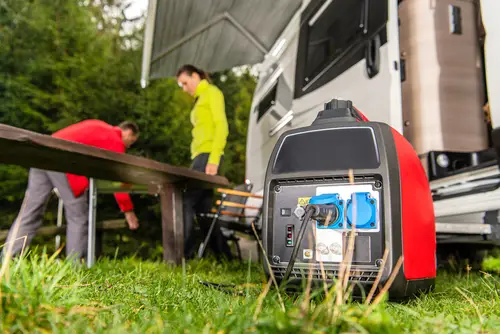
Swapping in a cheaper, non-certified generator or inverter may save money up front but can breach electrical and emissions regulations. Generators must meet EPA emissions and local noise ordinances, and inverters need to be installed according to NEC and RV-specific code. A non-certified unit may lack required emissions controls, proper grounding, or overload protection and can fail inspections or cause campground bans. Many owners are surprised that an otherwise small replacement can trigger both legal and insurance consequences if it causes harm.
Permitting requirements sometimes apply for permanently installed power systems, especially for long-term park models or rented lots. Improperly tied-in generators can feed back into campground lines and expose you to fines or utility liability claims. Keep records of UL listings, installation invoices, and any inspection certificates to prove that replacements meet code. When possible, hire an RV electrical specialist who can certify the installation and provide documentation for your insurer.
17. Altering or Removing Manufacturer VIN and Certification Labels
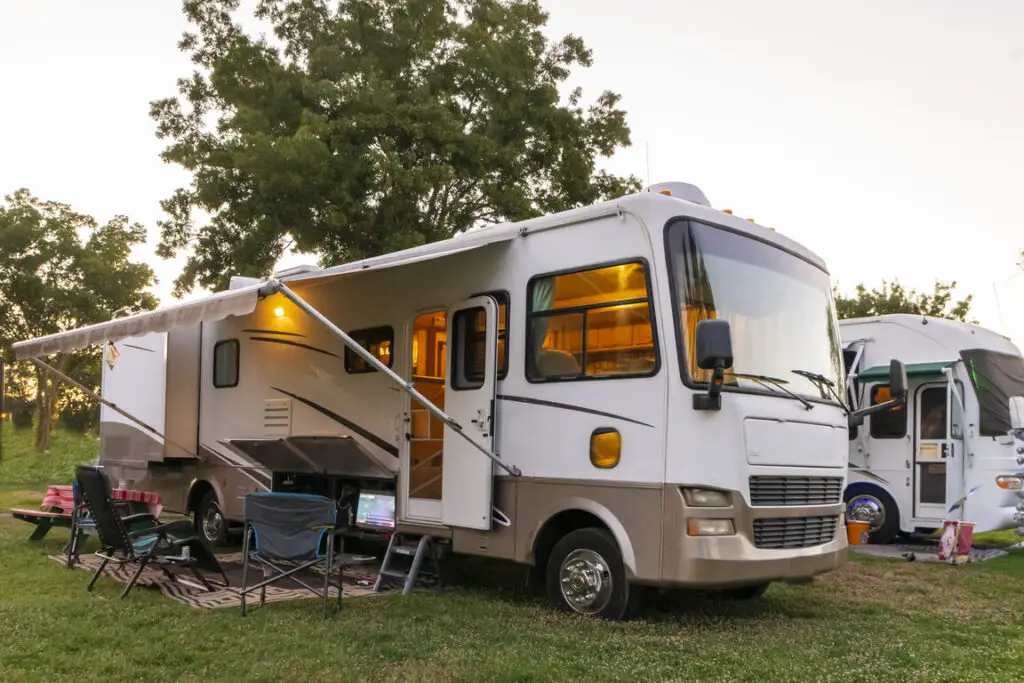
The VIN plate and certification labels are foundational legal identifiers for your RV and must remain intact and legible. Removing, altering, or covering those plates during renovations can constitute fraud or tampering under state vehicle codes. Dealers, inspectors, and law enforcement rely on those labels for registration, recalls, and safety compliance checks. Even accidental removal during repairs can create major registration headaches and potential fines.
Reproducing or re-stamping VIN information yourself is especially risky and can be prosecuted as criminal tampering in many jurisdictions. If a label is damaged, the correct process is to contact the manufacturer or state DMV for authorized replacement procedures. Keep any receipts from authorized repairs that required relocating labels so you can show lawful intent and compliance. Treat VIN and certification tags as legally sensitive components—don’t hide them behind trim or replace them with unofficial copies.
18. Using Improper Tires, Wheels, or Load Ratings
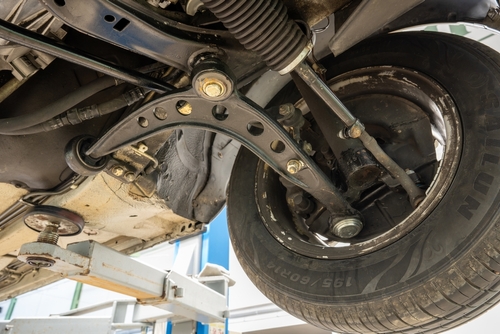
Choosing cheaper or mismatched tires and wheels for style reasons can violate vehicle equipment and weight-rating laws. RVs require tires rated for the specific GVWR and axle loads, and swapping in non-compatible tires can exceed legal load limits. Tire failures are a major cause of roadside incidents, and investigators routinely check tire codes and load ratings after accidents. If your tire selection is outside manufacturer specifications, you can be cited and your insurance claim may be denied following a failure.
Changing wheel sizes without recalibrating braking systems or load distribution can also violate safety standards and influence handling. Some states require tire manufacturer DOT codes to match vehicle build specs for the registered GVWR class. Always choose tires with the correct load index and speed rating, and have a professional mount and balance them. Keep the original tire placard information and replacement receipts in the vehicle for inspections and claims.
19. Tampering with Braking and Air Systems
Altering braking components—especially on diesel pushers with air brakes or supplemental systems—can have immediate legal consequences. Modifications that remove ABS, adjust proportioning valves, or change air brake settings can violate FMVSS and state inspection standards. A compromised brake system not only endangers occupants but also makes you liable for civil penalties if it contributes to a crash. Some jurisdictions treat disabled safety systems as criminal negligence when serious injury occurs.
Routine inspections, weigh stations, and post-accident investigations focus heavily on braking system integrity and certification. Only qualified technicians should service or modify brake components, and any changes should be documented with parts and service records. If your rig has an air brake system, make sure pressure relief, warning devices, and adjusters remain within manufacturer and regulatory specs. Proper maintenance and using OEM- or FMVSS-compliant parts protects you legally and keeps everyone on the road safer.
This post 19 Small Modifications That Get RV Owners in Legal Trouble Every Year was first published on Greenhouse Black.
